Location
Mount Vernon, WA 98274

Location
Mount Vernon, WA 98274
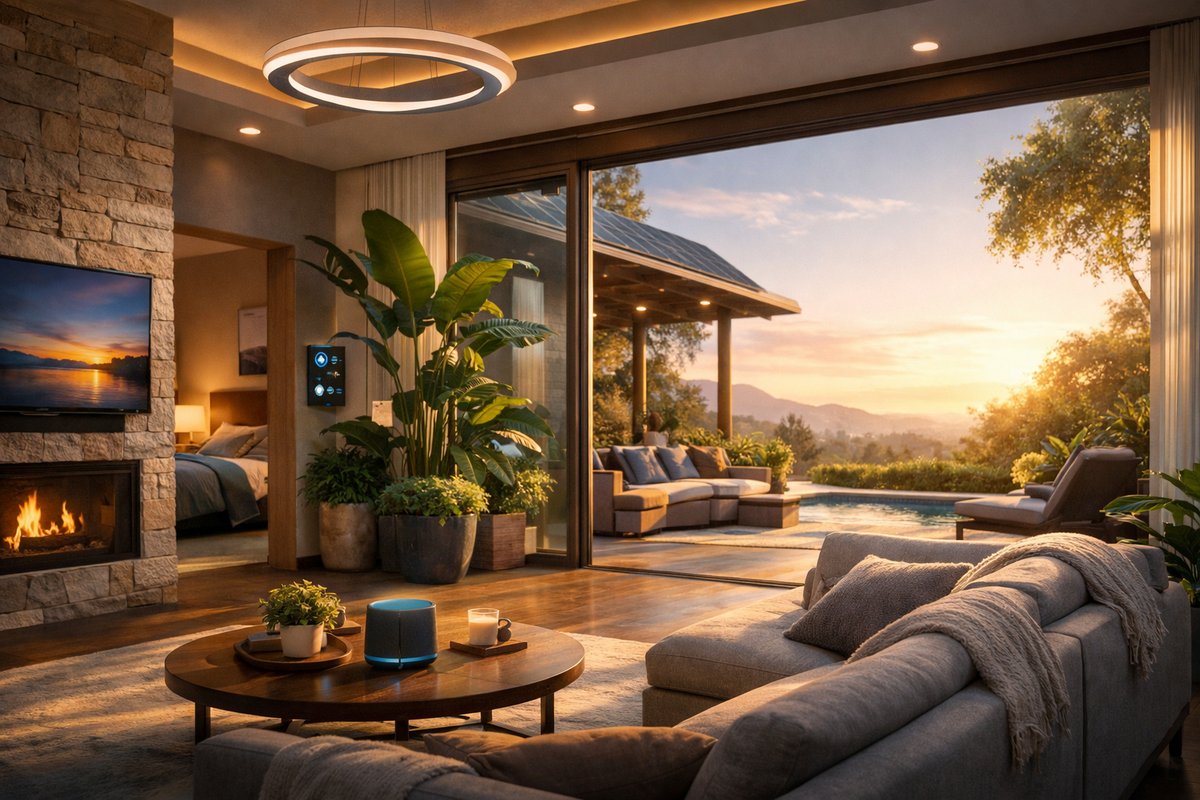
Modern homes are evolving beyond mere functionality to become sanctuaries where technology and comfort coexist seamlessly. Exploring how intentional design choices and smart upgrades create spaces that nurture well-being and sustainability reveals a new blueprint for living.
In recent years, the concept of home has shifted dramatically. No longer just a place to eat and sleep, the home is now a canvas for personal expression, a hub of wellness, and an ecosystem of smart technology designed to enhance daily life without sacrificing warmth or style. This evolution invites us to rethink how we approach living spaces, blending innovation with intentional comfort to craft environments that support both our practical needs and emotional well-being.
At the heart of this transformation lies the principle of intentionality. Homeowners increasingly seek to curate spaces that reflect their values-privacy, sustainability, and emotional balance-while embracing the conveniences that modern technology offers. This means selecting upgrades that not only streamline routines but also foster a sense of sanctuary.
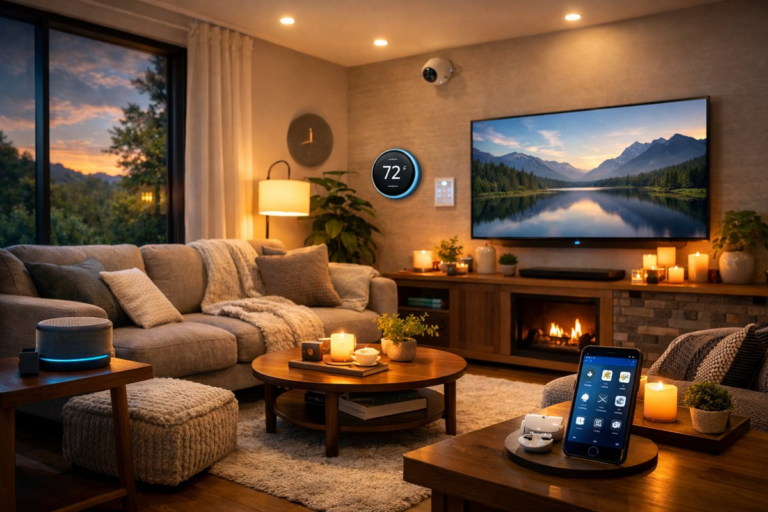
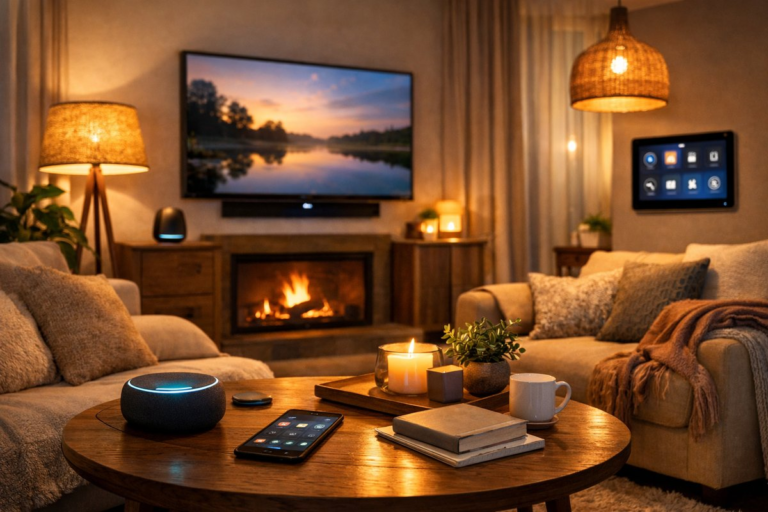
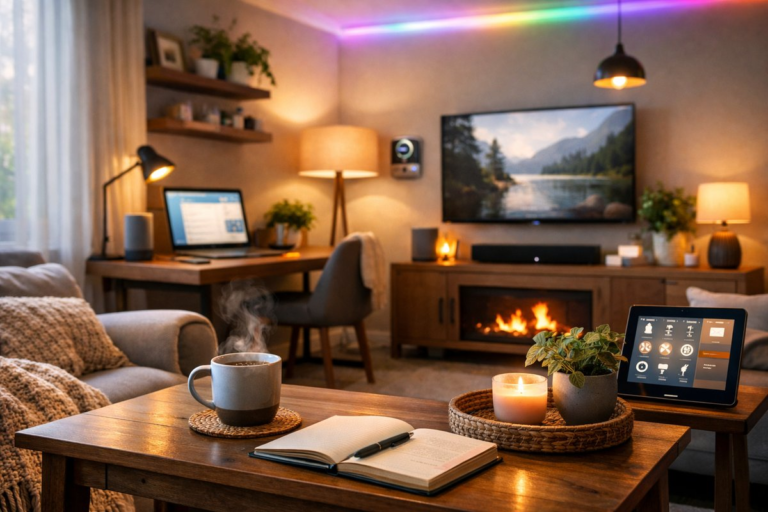
Smart lighting systems exemplify this balance. Beyond energy efficiency, tunable LED lighting can mimic natural daylight patterns, helping regulate circadian rhythms and improve mood. Integrating voice control or app-based customization allows residents to tailor ambiance effortlessly, shifting from bright, invigorating light for productivity to soft, warm hues for relaxation. The psychological benefits of such control underscore the importance of designing with human experience in mind.
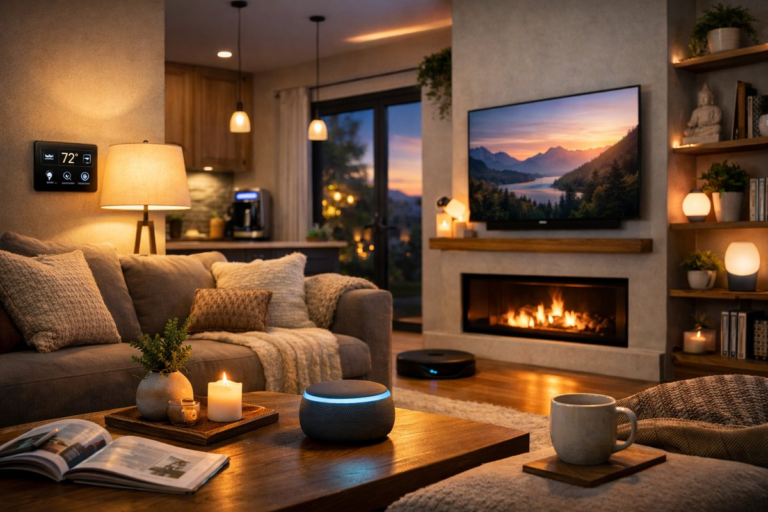
Heating and cooling have also become more adaptive. Smart thermostats learn household patterns, optimizing energy use while maintaining comfort. Paired with zoned heating systems, these technologies enable precise temperature control room-by-room, reducing waste and accommodating diverse preferences within a household. This approach aligns with growing environmental consciousness and the desire for personalized comfort.
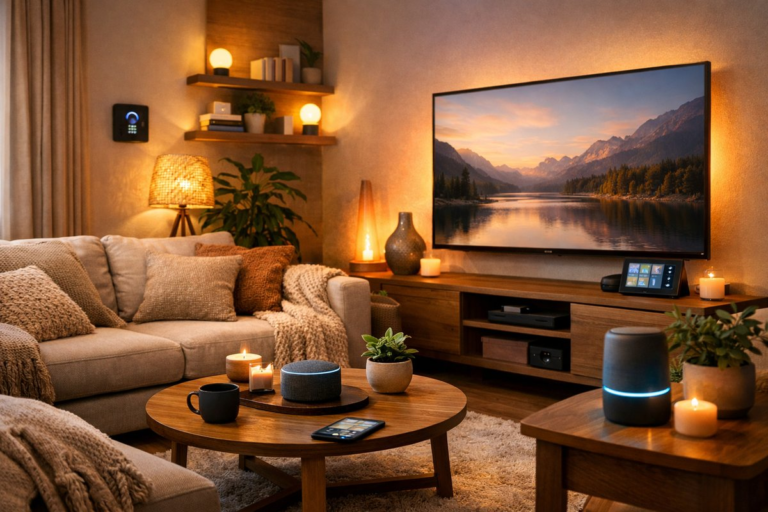
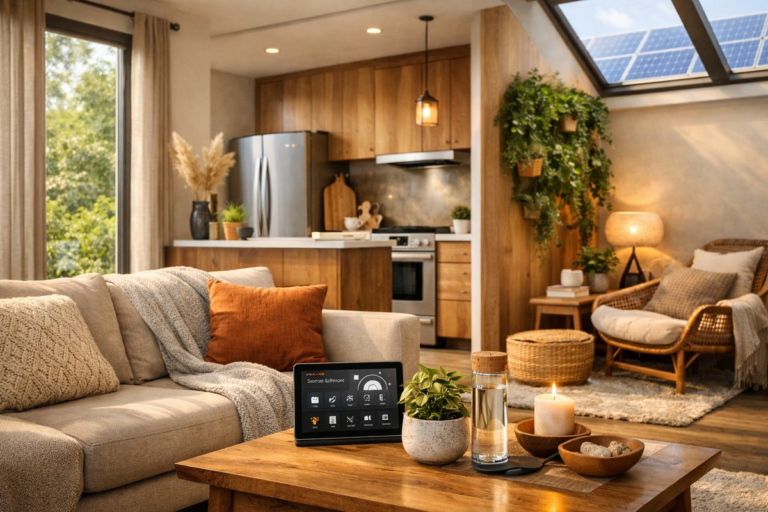
Beyond technology, tactile and aesthetic elements remain crucial to creating inviting spaces. Natural materials like wood, wool, and linen contribute warmth and texture, grounding high-tech features in sensory richness. Layered textiles-plush throws, soft rugs, and cushions-invite touch and provide visual coziness, essential for mental restoration in a fast-paced world.
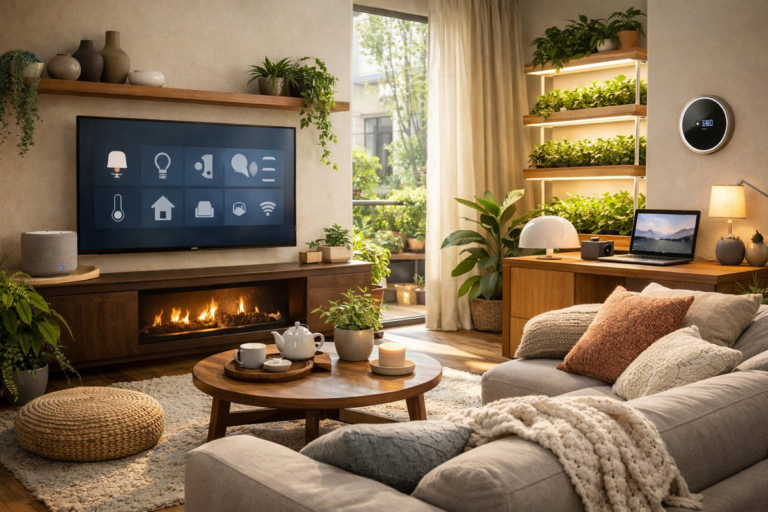
Furniture choices reflect this ethos too. Modular, multi-functional pieces support flexible living arrangements, while ergonomic designs promote physical health. Incorporating plants adds biophilic benefits, improving air quality and connecting occupants to nature, which research links to reduced stress and increased creativity.
The kitchen, often the heart of the home, showcases how smart upgrades can enhance both efficiency and conviviality. Appliances with smart sensors can optimize cooking times and energy use, while smart refrigerators track inventory and suggest recipes, reducing food waste. Thoughtful lighting and durable, sustainable surfaces create a welcoming atmosphere for gathering and nourishment.
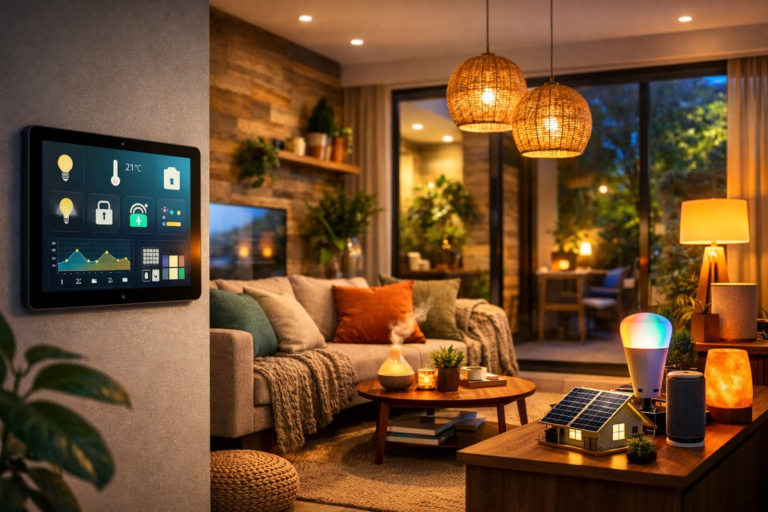
In the realm of security, smart systems provide peace of mind without intrusiveness. Cameras, motion sensors, and smart locks integrate seamlessly into home networks, accessible remotely yet respectful of privacy. This transparency and control empower residents, reinforcing trust in technology rather than fostering anxiety.
Acoustic design is an emerging focus, as noise pollution increasingly impacts well-being. Soundproofing materials and smart speakers that adapt soundscapes can transform environments, supporting concentration or promoting relaxation. This attention to auditory comfort complements visual and tactile elements, rounding out a holistic sensory experience.
The intersection of sustainability and technology also manifests in water conservation tools, such as smart irrigation and leak detection systems. These not only reduce environmental impact but also protect the home from damage, illustrating how innovation can serve multiple purposes.
Ultimately, the home of today and tomorrow is a dynamic ecosystem where smart technology and cozy essentials coexist in harmony. This synergy enables individuals to shape their environments thoughtfully, responding to changing needs and moods with ease. By prioritizing privacy, sustainability, and emotional intelligence, these spaces become more than shelters-they become personalized refuges that nurture body, mind, and spirit.
As this movement grows, it invites a broader cultural shift toward mindful living, where every upgrade and design choice contributes to a balanced, fulfilling lifestyle. Whether through a smart thermostat that learns your schedule or a handwoven throw that invites quiet moments, the essence of home remains rooted in intention and care.