Location
Mount Vernon, WA 98274

Location
Mount Vernon, WA 98274
Travelers are increasingly seeking experiences that leave a positive impact-on themselves, on communities, and on the planet. New initiatives in conservation, cultural exchange, and mindful exploration are transforming itineraries into journeys with deeper meaning.
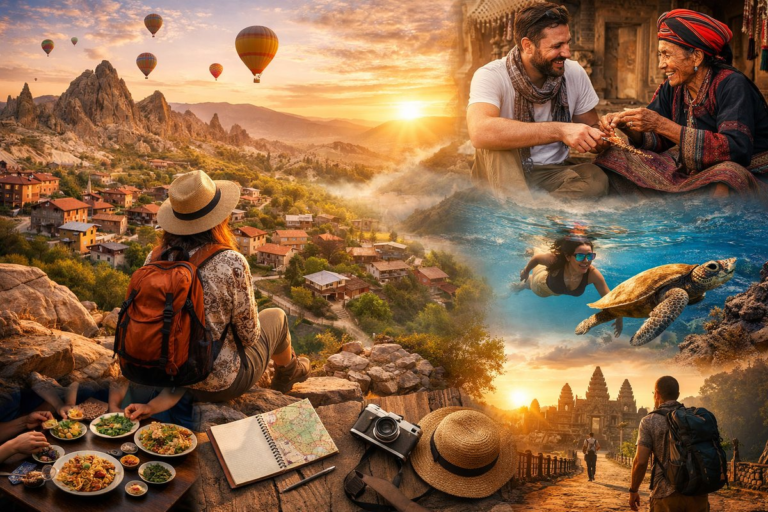
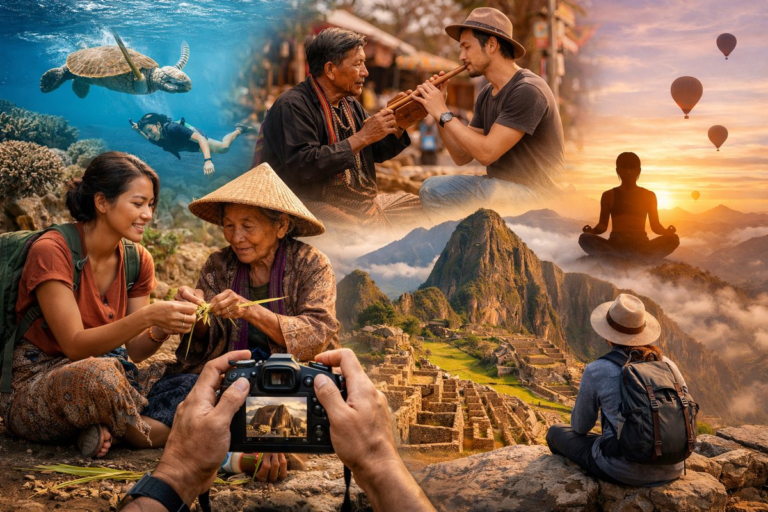
In recent months, the travel industry has seen a notable shift away from traditional tour packages toward experiences designed to foster personal growth, environmental stewardship, and community engagement. What began as niche eco-tours and volunteer vacations is now becoming a mainstream offering, as guided trips combine hands-on projects with culturally immersive activities. From restoring coral reefs to harvesting olives alongside local families, purpose-driven travel is redefining what it means to be a tourist.
According to a global travel research group, nearly three out of four leisure travelers now take sustainability and social impact into account when planning a trip. Demand for locally led workshops, regenerative tourism programs, and small-group adventures has soared. Agencies that once focused solely on sightseeing routes have expanded their portfolios to include citizen science expeditions, language-immersion homestays, and wellness retreats that blend mindful meditation with environmental education.
On the windswept beaches of southern Patagonia, a coalition of volunteers joined marine biologists to collect data on sea lion populations and clear abandoned fishing nets from kelp forests. Over ten days, participants snorkeled alongside researchers, mapping underwater debris and cataloging wildlife sightings through waterproof field notebooks. The result was more than scientific insight-it cultivated a sense of shared responsibility and connection to a fragile ecosystem at the edge of the world.
Halfway across the globe, a small cluster of family-run homestays in the Vietnamese Mekong Delta has opened its doors to travelers eager to learn traditional basket weaving, rice planting techniques, and the art of preparing river-fresh fish. Guests rise before dawn to climb into wooden sampans for sunrise tours, then spend afternoons exchanging stories over communal meals. In place of guidebooks, visitors receive handwritten family recipes and calligraphy lessons in the local script.
Meanwhile, olive groves in southern Italy are welcoming volunteers during harvest season, allowing travelers to press new oil, taste freshly picked fruits, and discover centuries-old traditions passed down through generations. By the end of their stay, participants leave with custom-labeled bottles of oil, a newfound appreciation for slow food culture, and an understanding of how agricultural practices connect to broader conversations about land stewardship.
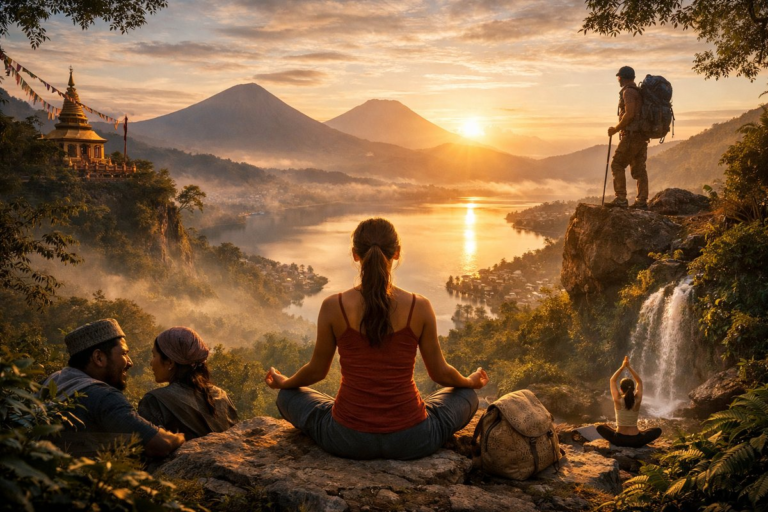
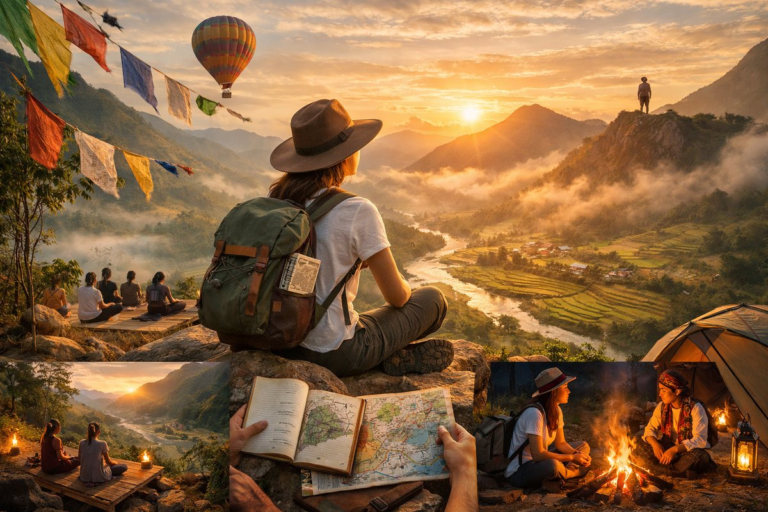
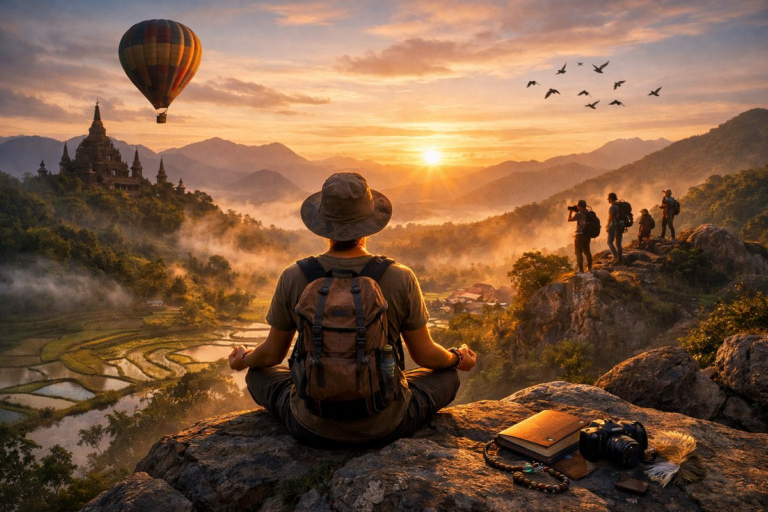
These purpose-driven journeys often include intentional downtime. Several tour operators now offer digital detox experiences, encouraging guests to set aside smartphones and cameras for periods of guided reflection. Travelers gather for morning yoga on cliffside terraces, silent nature walks at dusk, or group journaling sessions around campfires. Rather than capturing every moment in pixels, participants learn to savor their surroundings and engage more deeply with local voices and rituals.
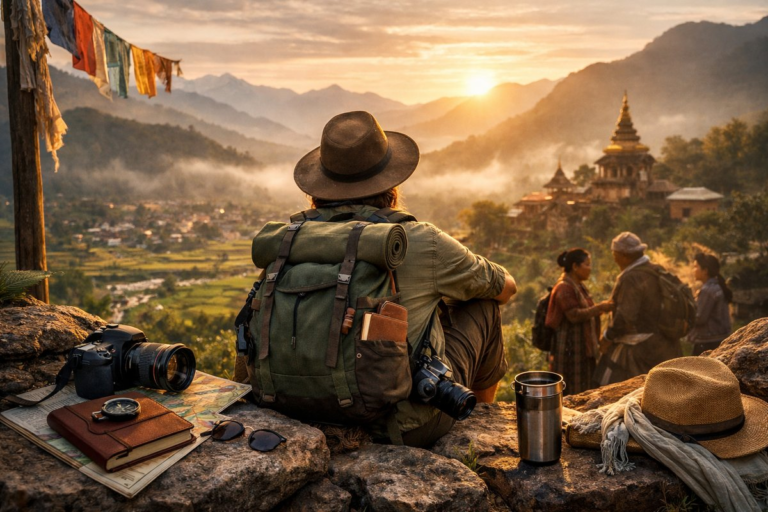
Packing light has become an art form for this style of travel. Experienced purpose-driven travelers emphasize versatile clothing made from recycled fabrics, compact first-aid kits, and reusable containers that eliminate single-use plastics. Many choose eco-friendly travel towels that dry quickly without the bulk of traditional terry cloth, while others opt for multi-purpose tools-such as bandanas that serve as head coverings, kitchen cloths, or emergency water filters.
Connectivity is managed thoughtfully. Instead of relying on constant Wi-Fi access, travelers use offline maps and local SIM cards to maintain a low digital footprint. Solar chargers and power banks supply energy for essential devices without creating noise or disrupting sensitive wildlife habitats. In remote locations, portable water filtration systems ensure clean drinking water without the waste produced by disposable bottles.
Planning these expeditions often involves collaboration with community cooperatives and nonprofit organizations. Tour designers vet local partners to ensure that lodging, meals, and project fees support fair wages and infrastructure development. Detailed impact reports follow each season, documenting volunteer hours contributed, trees planted, or beaches cleaned-turning intangible memories into measurable outcomes.
Guided workshops play a central role. Local artisans lead pottery classes, bee-keeping experts demonstrate hive maintenance, and indigenous elders share storytelling traditions handed down through oral history. These sessions not only preserve cultural heritage but also generate income streams that empower communities to protect their land and customs.
Travelers often carry lightweight journals or sketchbooks to capture their reflections, sketches, and poetry. This analog practice complements the broader mission of mindful exploration, allowing participants to track personal growth and set intentions for future journeys. At the end of each trip, group editing sessions turn raw entries into collective storybooks that volunteer groups can leave behind or distribute as digital zines.
Health and safety protocols are integrated seamlessly. From wrist-worn personal first aid modules to group briefings on local plant-based remedies, organizers balance preparedness with cultural respect. Portability and minimalism guide medical pack choices, ensuring that travelers can respond to minor injuries without piling on heavy gear.
As demand for purpose-driven travel grows, technology providers are responding with tailored solutions. Offline language-learning apps, solar-powered lanterns, and collapsible water bladders are now standard in many itineraries. Rather than flashy gadgets, the emphasis is on durability, repairability, and low environmental impact.
At its core, this new wave of travel is redefining leisure through intentionality. It encourages a broader sense of global citizenship by inviting travelers to become temporary caretakers of ecosystems and cultural treasures. Whether planting trees in an arid savanna or learning traditional dance steps in a mountain village, participants leave with the knowledge that their footprints can benefit more than just their memories.
Readers inspired by these stories need not wait for a guided program to embark on their own purpose-driven journey. Start small by researching local conservation groups, signing up for citizen science projects in your region, or hosting cultural exchange dinners with friends. The tools and gear are readily available for anyone willing to blend travel with meaningful action.
As the tourism industry evolves, one thing remains clear: the most memorable trips are those that transform both traveler and destination. When purpose becomes the compass, every path leads not just to new sights, but to deeper connections and lasting impact.