Location
Mount Vernon, WA 98274

Location
Mount Vernon, WA 98274
A wave of modular electric platforms, vehicle-to-grid integration, and AI-powered vehicle intelligence is reshaping how we drive, charge, and connect. Innovations in sustainable materials and digital cockpits promise greener journeys and richer in-car experiences, while smart infrastructure moves charging from curbside cords to seamless networked systems. This article explores the practical and emotional impacts of these breakthroughs on drivers, communities, and the power grid.
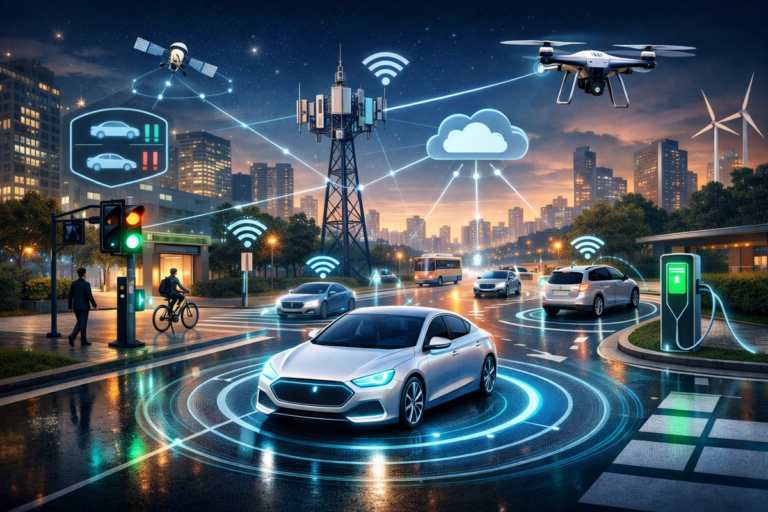
Across urban boulevards and rural byways, a quiet revolution is powering up: the marriage of hardware, software, and energy systems that transforms traditional cars into intelligent, grid-friendly machines. No longer mere conveyances from point A to B, vehicles are becoming dynamic nodes in a broader mobility ecosystem, capable of storing power, predicting maintenance needs, and even personalizing every dashboard interface to match a driver’s mood. This shift traces back to advances in modular electric platforms, widespread connectivity, and a growing emphasis on sustainability that has manufacturers, utilities, and tech firms collaborating like never before.
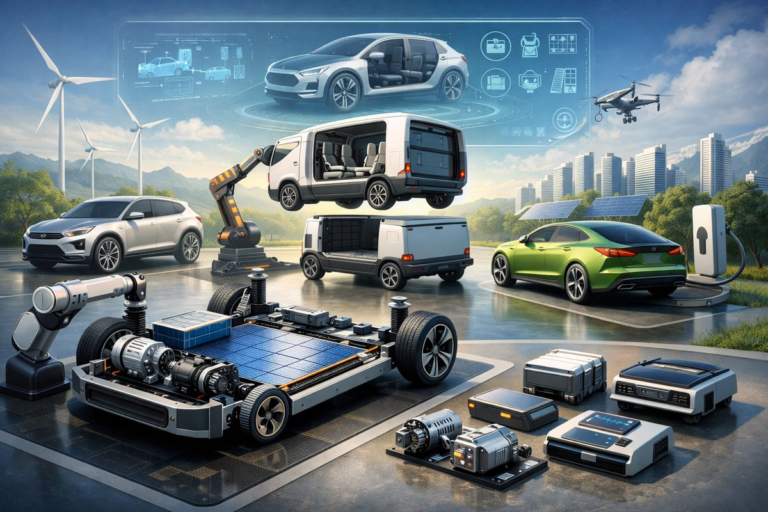
At the heart of this change is a trend toward scalable electric vehicle (EV) architectures built on cell-to-chassis integration. By removing bulky battery packs and embedding cells directly into load-bearing structures, new platforms save weight and enhance energy density. The result is EVs that charge faster, hold more range, and support innovations like battery-swap stations where a depleted pack can be exchanged in minutes rather than hours. This modular approach also opens doors to custom body styles on the same underpinnings, from light commercial vans to crossover wagons, allowing fleet operators and personal drivers alike to choose vehicle shapes that suit their lifestyle.
Vehicle-to-grid (V2G) technology is turning parked cars into mobile power banks. In pilot programs across several regions, homeowners can plug their EVs into bi-directional chargers that feed stored energy back to the grid during peak demand. When solar panels on the roof produce excess electricity midday, that green energy can first charge the car, then flow into household circuits or the grid in the evening. The financial incentive comes through time-of-use pricing, where selling stored power during a utility’s busiest hours earns credits that offset charging costs. While V2G requires supportive regulations and hardware upgrades, it promises a more resilient grid, especially in areas prone to blackouts or renewable intermittency.
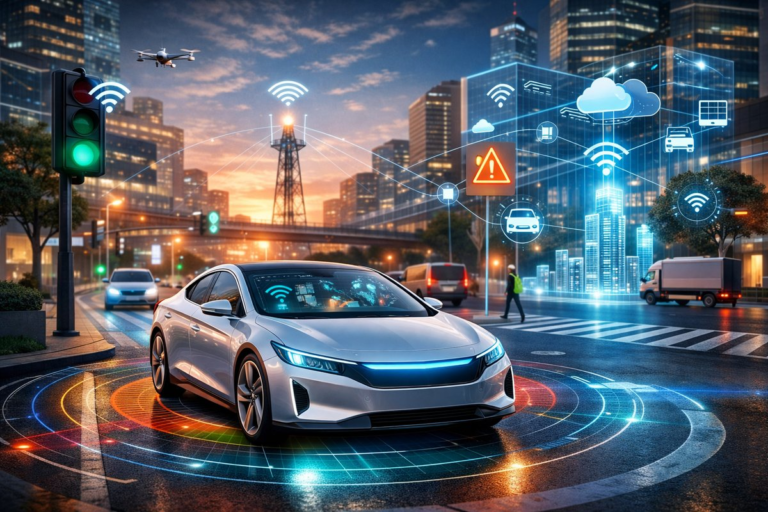
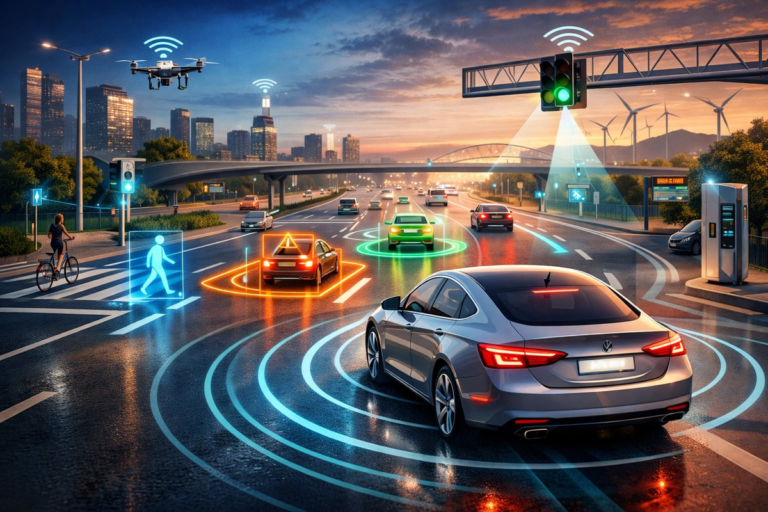
Onboard intelligence has also leapt forward. Embedded sensors monitor braking systems, tire wear, and battery health, while machine-learning models predict potential failures before they happen. Over-the-air (OTA) software updates keep everything from infotainment screens to advanced driver-assistance systems (ADAS) current, reducing the need for frequent service visits. A sensor suite combining cameras, radar, and lidar allows cars to maintain safe distances, detect obstacles at night, and even identify road signs. Though full autonomy remains on the horizon, many new models now offer Level 2+ features like automated lane changes and adaptive cruise control that feel like science fiction to drivers accustomed to mechanical linkages and paper maps.
In the quest for sustainability, materials science has moved into the driver’s seat. Vehicle interiors are increasingly made from recycled plastics, plant-based fabrics, and reclaimed metals, while lightweight composites reduce overall battery load. Circular economy initiatives see manufacturers collecting used batteries for repurposing in stationary storage arrays or processing cell materials for new production runs. Some concept vehicles even incorporate biodegradable cabin surfaces or natural dyes derived from algae and forestry by-products. These greener components not only shrink environmental footprints but also create compelling brand stories for a generation that values ethical sourcing as much as horsepower.
The interior cabin has become a digital canvas. High-resolution displays span dashboards, offering customizable layouts that emphasize navigation, media, or energy analytics. Augmented reality heads-up displays project turn-by-turn directions onto the windshield, minimizing driver distraction by keeping eyes on the road. Voice assistants attuned to conversational commands let occupants adjust cabin temperature, stream podcasts, or query nearby charging stations. Biometric sensors monitor driver fatigue, suggesting rest breaks or adjusting ambient lighting to maintain alertness. Taken together, these features transform each journey into a personalized experience, one that learns a driver’s preferences and evolves through every commute and cross-country expedition.
Charging has gone beyond slow trickle at public stations. High-power charging hubs boasting 350 kW or more can replenish 100 miles of range in under ten minutes when paired with compatible vehicles. Solar canopies in parking lots provide shade while feeding energy directly to chargers, and battery energy storage systems help level peak loads on local grids. Contactless payment systems integrated into charging networks eliminate the need for multiple apps or RFID cards-drivers tap a credit card, scan a smartphone wallet, or let the car authenticate itself. As charging becomes faster and more user-friendly, range anxiety fades, encouraging longer routes and greater adoption.
While electric power leads headlines, other propulsion advances are stirring interest. Synthetic fuels derived from captured carbon or renewable hydrogen systems are under development for vehicles where battery weight or refueling time remain hurdles. Heavy-duty trucks, marine vessels, and aviation stand to benefit from high-energy-density alternatives that fit existing engine architectures. Urban pilots of hydrogen fuel-cell buses and light commercial vehicles demonstrate emissions-free operation over long routes with quick fill-ups, marrying EV-style efficiency with the familiarity of fuelling stations.
Rural communities, often overlooked in the EV narrative, are seeing creative solutions to avoid leaving them stranded. Solar-powered microgrid islands use battery storage systems to deliver charging in remote areas without new high-voltage lines. Mobile charging trailers, equipped with diesel-free generators and solar arrays, travel to festivals, construction sites, or agricultural zones, providing emergency top-ups or scheduled fills. This mobile-first approach shows how decentralized energy can bridge gaps until fixed infrastructure catches up, ensuring that a lack of nearby chargers won’t deter buyers beyond city limits.
Amid this technological surge, human stories remain central. Families embarking on a zero-emissions road trip through canyons and coastlines describe a sense of quiet connection to landscapes, free from combustion noise. Car enthusiasts customizing body kits discover new opportunities with modular platforms and digital paint schemes that change color at the tap of an app. Fleet managers reduce downtime and fuel bills, dedicating resources to data-driven route planning and predictive upkeep. Across these narratives, vehicles become more than machines; they serve as memory banks, adventure catalysts, and community drivers.
Legal and cultural challenges are part of the journey. Standardizing protocols across charging networks, ensuring cybersecurity for OTA updates, and clarifying liability in semi-autonomous modes have all drawn regulatory attention. Public education campaigns encourage safe adoption, emphasizing that advanced driver aids are assistants, not replacements for human judgment. Yet as lawmakers align incentives for cleaner transportation and smart grids, the path toward a more integrated mobility future gains traction.
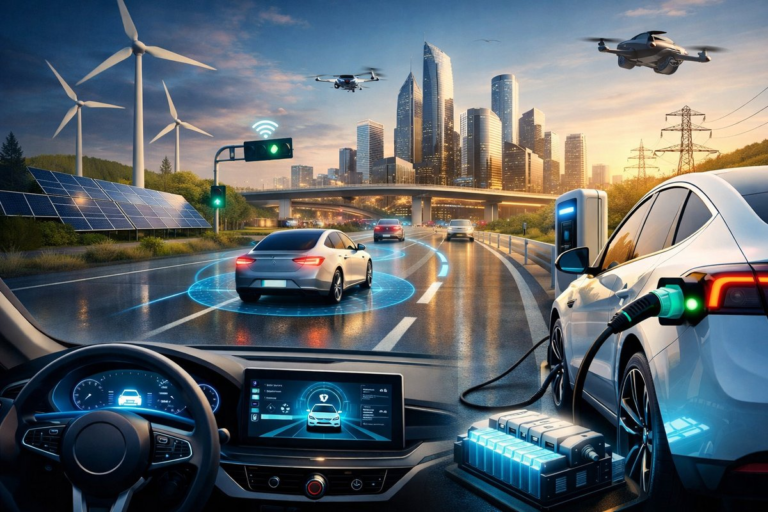
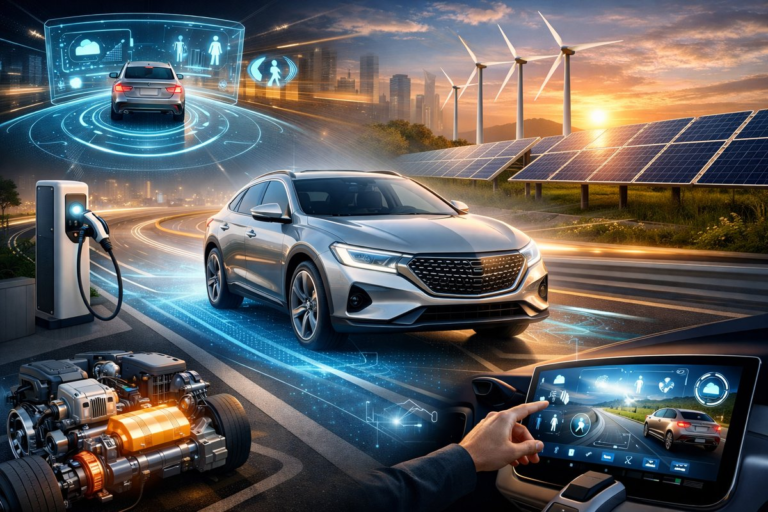
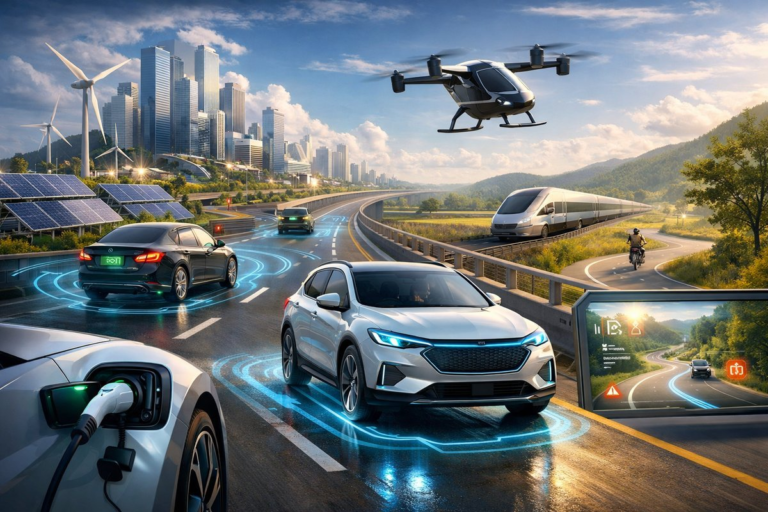
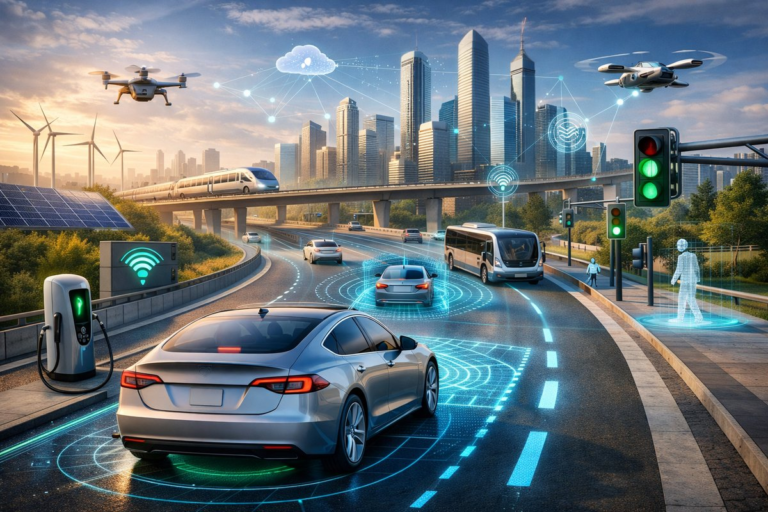
Innovation in the automotive realm is accelerating on multiple fronts-energy, materials, software, and design converge to reshape transportation as an ecosystem rather than isolated vehicles on roads. The impact extends beyond emissions targets: it influences urban planning, energy economics, and how communities relate to technology. As drivers plug in, plug into apps, and tap through digital dashboards, a new generation of vehicles embraces roles as energy partners, safety co-pilots, and personalized travel studios. That transformation is as much about human aspirations as it is about silicon chips and battery cells, forging connections between our journeys and the planet we traverse.
In the months ahead, look for continued leaps in faster charging standards, deeper grid integration, and more modular designs that cater to specific use cases. Whether you’re an everyday commuter curious about reducing your carbon footprint or an operator seeking fleet optimization, the tools and platforms emerging today will redefine how we move-and why we move-in the decades to come.