Location
Mount Vernon, WA 98274

Location
Mount Vernon, WA 98274
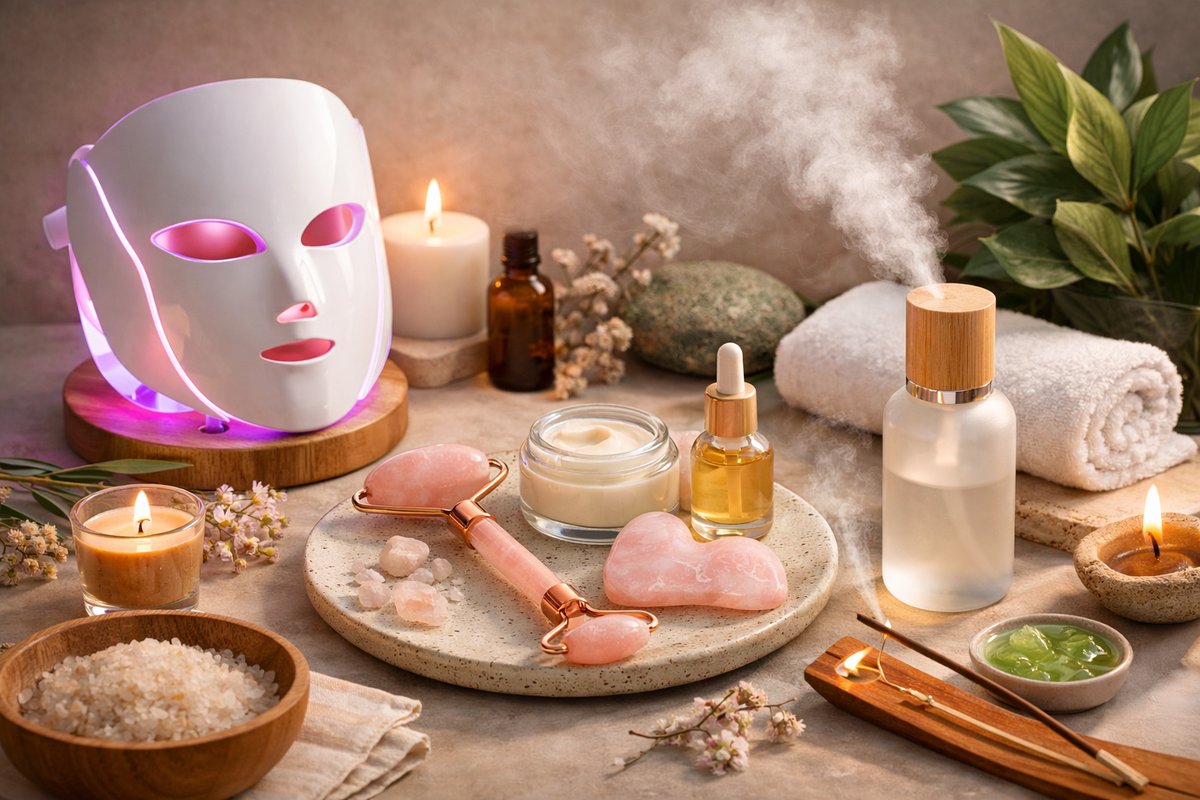
A new wave of skincare rituals is blending science-backed ingredients with sensorial experiences, turning daily routines into mindful ceremonies. From at-home LED light therapy to rose quartz facial massage tools and aroma-infused mists, these practices prioritize both skin health and emotional well-being. Sustainable innovations and community-driven events underscore a shift toward personalized, eco-conscious self-care.
In recent months, beauty enthusiasts and skincare professionals alike have gravitated toward rituals that double as acts of self-care and sensorial escape. Far removed from the rushed application of a morning moisturizer, these newfound routines emphasize intentional movement, aromatic immersion, and tactile indulgence. What was once a splash-and-go regime has evolved into an immersive ceremony, complete with artisanal tools, botanical extracts, and soft lighting. From fermented essences cultivated in small-batch labs to at-home red light therapy devices originally reserved for clinical settings, the modern beauty ritual sits at the intersection of science and spirituality. Consumers no longer simply buy products; they curate experiences that nourish both skin and spirit.
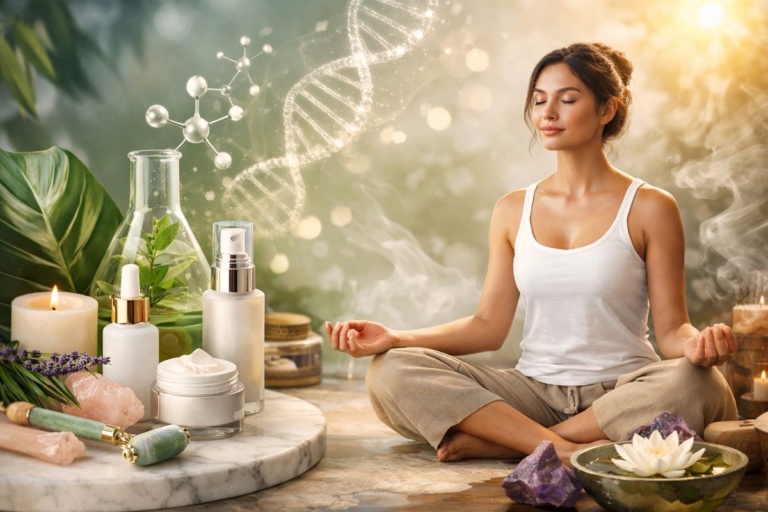
Underpinning this shift is a growing body of research into skin health that views the epidermis as an ecosystem. A 2023 study published in the Journal of Dermatological Science revealed that gentle, pH-balanced cleansers preserve beneficial microbes better than alkaline formulas, reducing irritation and promoting barrier resilience. Fermented serums-enriched with probiotic strains and bioactive peptides-have surged in popularity due to their ability to enhance natural microbiome diversity. Brands large and small have introduced ingredients like bifida ferment lysate and lactobacillus ferment, validated by laboratory assays to improve hydration and calm inflammation. This science-first approach underscores a larger move away from one-size-fits-all products toward tailored, microbiome-friendly solutions.
Hydration remains the cornerstone of every regimen, but the ways to achieve it have multiplied. Classical hyaluronic acid serums still top best-seller lists, yet innovators have layered in complementary humectants like squalane and glycerin, sourced from renewable crops. Lipid-replenishing facial oils now accompany lightweight gel formulas, offering a dynamic duo that mimics the skin’s natural moisture mantle. Single-use ampoules of concentrated hyaluronic acid and plant-derived ceramides have gained traction for both hygiene and potency, arriving in recyclable pods that minimize waste. Enthusiasts prize these targeted drops for their ability to deliver a boost of plumping hydration, whether applied at dawn or layered under a sleeping mask.
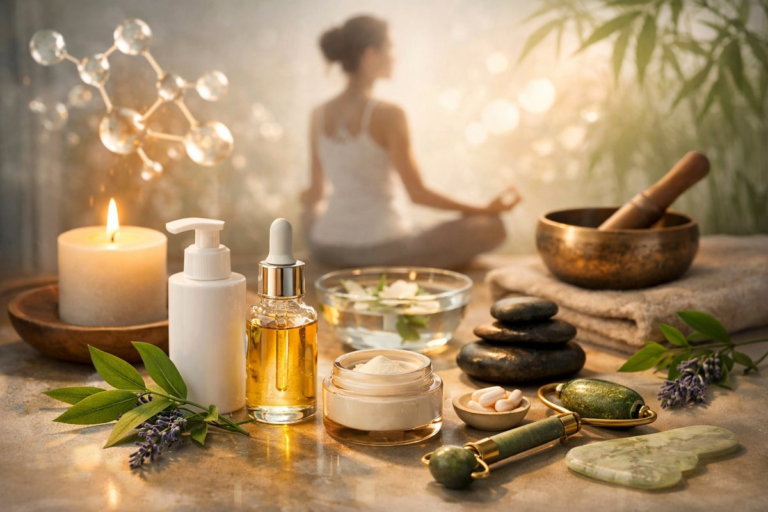
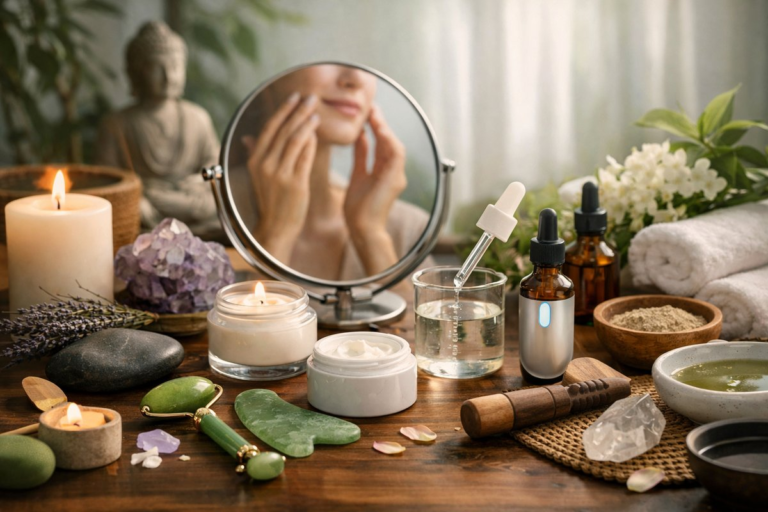
The popularity of facial massage tools underscores the tactile dimension of current skincare rituals. Rose quartz gua sha tools and jade rollers have become household fixtures, inviting users to carve lymphatic pathways and stimulate microcirculation. A five-minute rolling session after serum application can yield an immediate lift, while the smooth glide of a stone against the jawline offers a moment of meditative calm. Some aficionados alternate cooling marble rollers in the morning with warm ceramic tools in the evening, believing that temperature variations enhance lymph flow and relax muscle tension. These devices, once relegated to high-end spas, now serve as accessible portals to daily self-care ceremonies.
Beyond manual massage, LED light therapy masks have found their way into home vanities, democratizing a treatment once confined to dermatology offices. These devices emit precise wavelengths-red light to boost collagen synthesis, near-infrared to soothe redness, and blue light to address blemish-causing bacteria. Users report smoother texture and a reduction in inflammation after consistent, short sessions. Technological refinements have produced wearable, low-heat masks that wrap securely around the face, allowing multitasking while the diodes work their magic. As consumer-grade LEDs deliver clinically relevant energy doses, the at-home phototherapy trend signals a melding of medical innovation and everyday ritual.
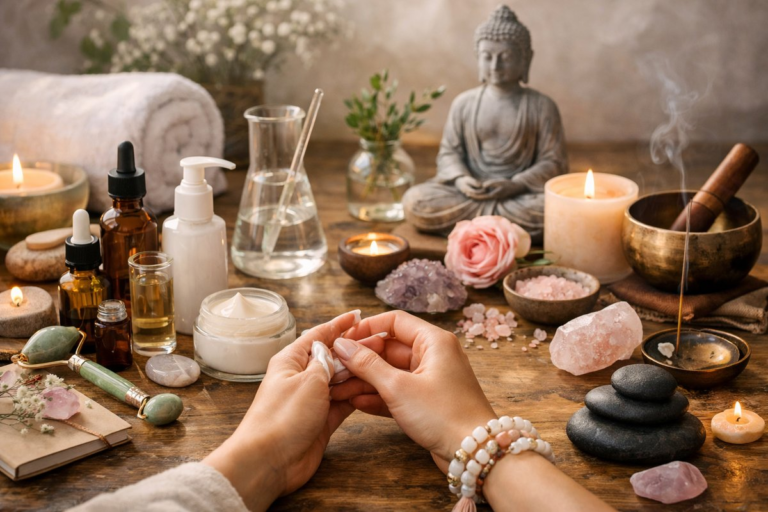
Scent plays a starring role in elevating skincare from a chore to a ceremony. Many practitioners advocate for the integration of aromatherapy through essential oil diffusers or scented mists layered over serums. Calming notes of lavender or chamomile can soothe both skin and psyche, while energizing citrus blends reinforce a morning pick-me-up. Some brands now offer sprays combining hyaluronic acid with botanical fragrances, turning each spritz into a sensory interlude. In wellness spaces, customers inhale custom blends of frankincense and rose to heighten presence before applying masks or performing facial massage, underlining how aroma can anchor mindful attention to the present moment.
Sustainability considerations have woven themselves into these rituals, from formula development to refillable packaging. Recycled or biodegradable materials are increasingly the norm for jar lids and pump mechanisms. Brands have launched concentrate pods that dissolve in glass dropper bottles, reducing plastic consumption by up to 80 percent. Algae-derived biopolymers and mushroom-based foams are replacing microplastics in exfoliating cleansers. Upcycling by-products like coffee grounds and tea leaves into gentle scrubs not only diverts waste from landfills but also lends unique antioxidant properties. As consumers demand transparency around sourcing, the beauty industry is tasked with proving that eco-conscious design can coincide with premium performance.
Digitally augmented personalization is another frontier shaping how people engage with skincare. Mobile apps powered by AI scan user selfies to track changes in tone, pore size, and fine lines, then recommend formulations based on real-time data. Interactive platforms allow users to tailor concentrations of active ingredients-custom-blended vitamin C serums or antioxidant-rich facial oils-delivered in single-use cartridges. Some services even integrate environmental data, adjusting hydration suggestions according to local humidity and UV index. While skeptics question the accuracy of smartphone cameras, early adopters herald these tools for deepening their understanding of skin dynamics and forging a more intentional self-care practice.
Complementing these high-tech interventions is a resurgence of analog beauty journaling. Enthusiasts keep ritual logs, noting how skin responds to different ingredient combinations, seasons, stress levels, and sleep patterns. Gratitude lists, breathwork prompts, and short meditations are woven between entries to foster a holistic sense of wellness. This blend of self-observation and ritualized routine enables users to develop a personalized playbook, refining products and techniques over time. Community-driven prompts shared on social media platforms encourage participants to explore new textures-like clay masks tossed with crushed herbs-or to host virtual skincare parties, turning solitary beauty routines into group celebrations of self-care and shared curiosity.
The communal aspect of beauty rituals has found expression in local “skin care circles,” pop-up spa events where participants swap homemade masks and share tips for cold-pressed botanical infusions. These gatherings, hosted in sunlit studios or outdoor garden spaces, foster a sense of collective discovery. Attendees might exchange vials of rosehip oil sourced from small farms or demonstrate how to whip up a whipped shea butter moisturizer infused with natural colorants. Facilitators guide short sessions on tapping techniques to relieve tension around the temples and jaw, combining hands-on learning with moments of stillness. It’s a reminder that, even in a digital age, beauty rituals can be deeply communal.
Amid these trends, local artisans and small-batch producers have emerged as key players. Craft herbalists create talc-free clay masks blended with adaptogenic mushrooms, while ceramicists hand-thrown bowls become vessels for mixing powders and elixirs. Upcycling collectives transform deadstock textiles into soft flannel cloths ideal for makeup removal, while resin artists encapsulate dried botanicals into unique facial massage tools. These partnerships between craft communities and beauty formulators underscore a shift toward hyperlocal sourcing and storytelling. For consumers, each jar or tool tells a narrative about land, labor, and legacy, inviting deeper emotional resonance than mass-produced alternatives.
Dermatologists observing these developments express cautious optimism. According to a spokesperson from a leading skin research institution, “While rigorous clinical trials remain essential for substantiating claims, the convergence of sensory engagement and evidence-based ingredients has real potential to enhance both efficacy and user satisfaction.” The expert notes that adherence often improves when a regimen feels pleasurable, so ritualized steps-like a deliberate nighttime massage or a 10-minute LED session-can translate into healthier skin outcomes over the long term. This blend of enjoyment and efficacy, the specialist suggests, is the hallmark of next-generation beauty routines.
As we look ahead, the horizon of beauty and skincare appears rich with possibilities. From bioengineered peptides grown in fermentation tanks to holographic mirrors that project step-by-step facial choreography, innovation continues to ripple through the industry. Yet, at the heart of these advancements lies a simple truth: rituals connect us to our bodies in mindful, creative ways. Whether through the cool sweep of a stone across the cheek or the soft glow of red light, the act of caring for skin remains a powerful portal to presence. In a world racing forward, these deliberate rituals encourage us to pause, breathe, and honor both skin and spirit.