Location
Mount Vernon, WA 98274

Location
Mount Vernon, WA 98274
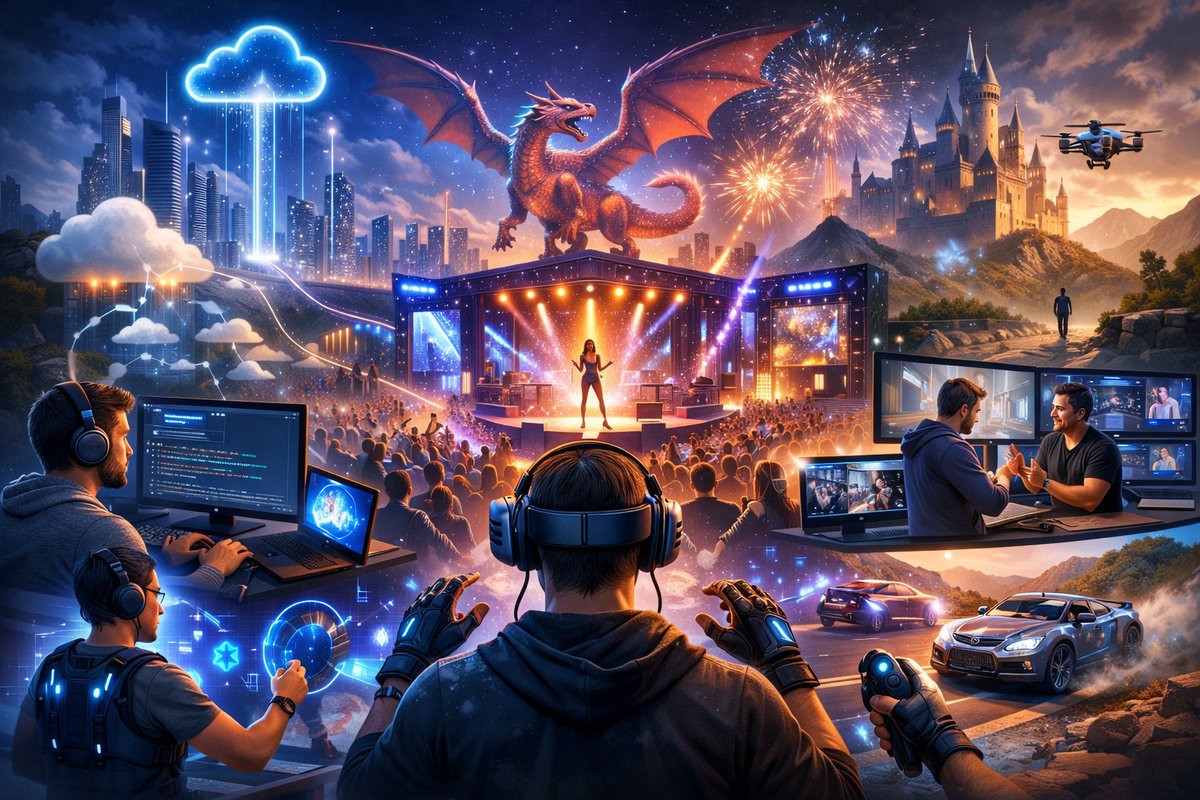
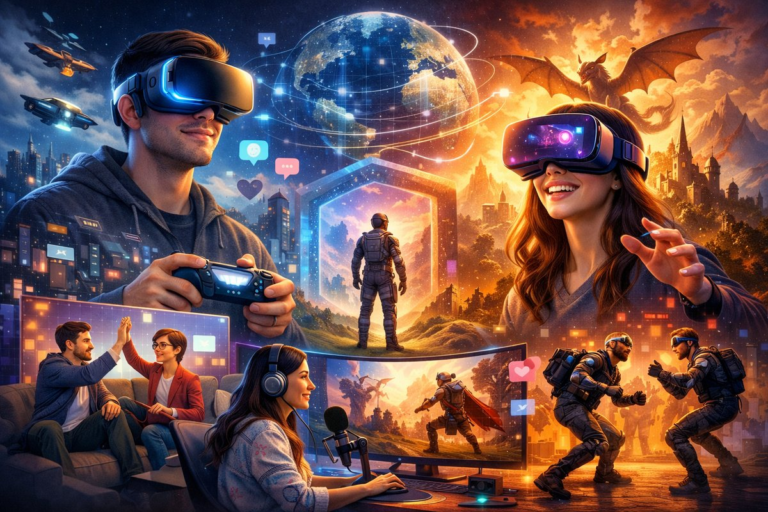
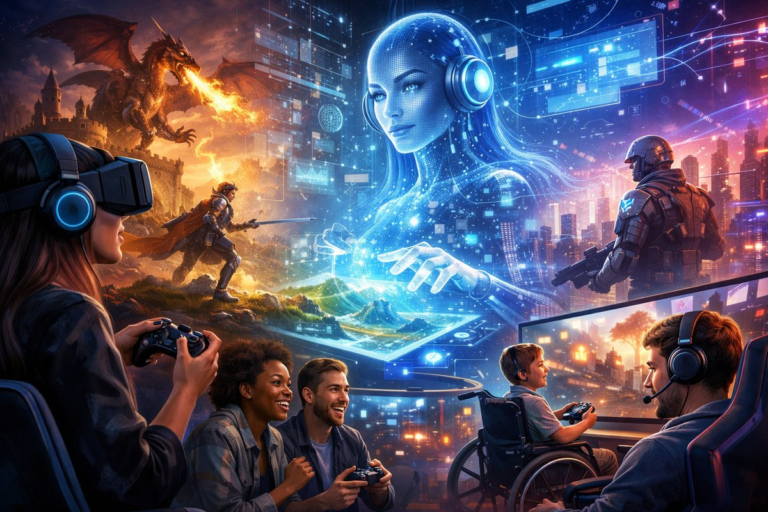
From cloud-powered play to in-game live events and cutting-edge haptic experiences, the gaming landscape is evolving faster than ever. Developers, organizers, and hardware makers are teaming up to forge immersive, community-driven worlds that blur the line between virtual and real.
The gaming world has entered a new era-one in which the boundaries between screens, social spaces, and live entertainment dissolve in favor of seamless experiences. Gamers once tethered to high-end consoles or desktops can now stream blockbuster titles on tablets and phones. Major music acts host virtual concerts in front of digital crowds measured in the millions. Esports leagues hold hybrid tournaments that merge stadium atmospheres with remote spectators, and indie creators experiment with narrative worlds that adapt in real time to player choices. As these trends accelerate, the ecosystem of hardware, software, and live events is shifting toward a more immersive and interconnected future.
Cloud gaming platforms have moved from niche experiment to mainstream access point in a matter of months. By offloading processing and graphics rendering to distant data centers, these services deliver smooth performance on devices ranging from low-powered laptops to midrange smartphones. The result is an unprecedented level of portability: high-fidelity shooters, open-world adventures, and photorealistic simulations can now be played anywhere with a stable internet connection. For casual players, the elimination of long download queues and frequent patches has removed one of the biggest friction points in modern gaming. Competitive gamers benefit from near-instant matchmaking, cross-platform leaderboards, and consistent performance regardless of local hardware variations.
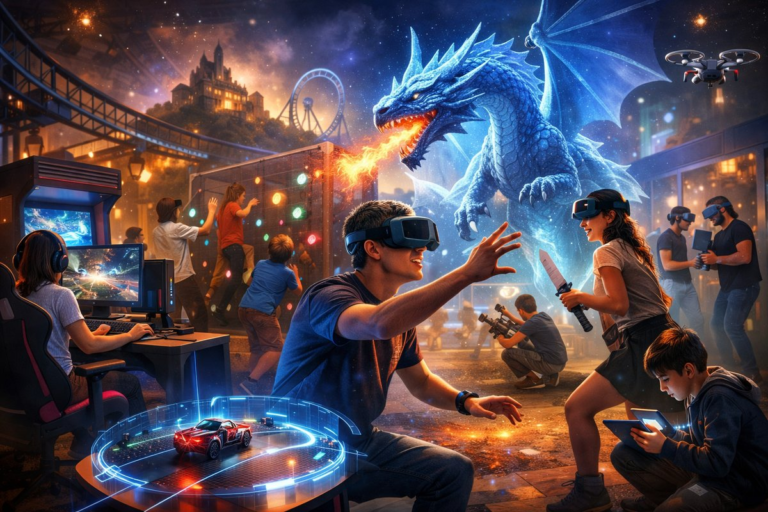
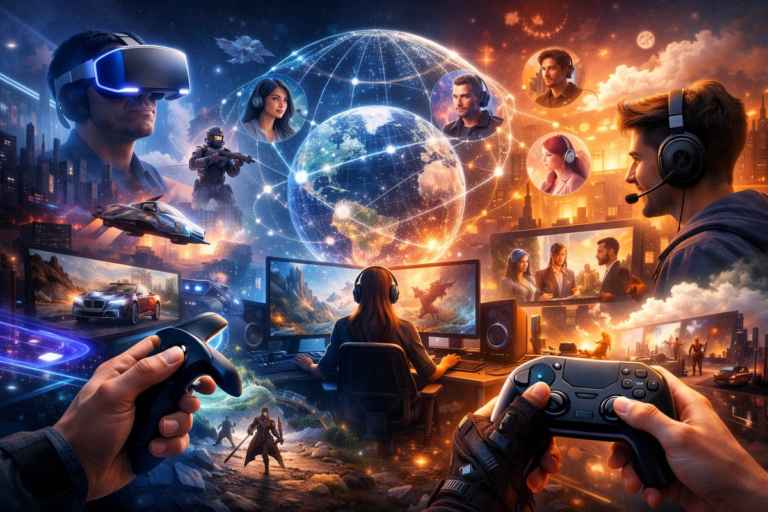
This shift in accessibility isn’t just about convenience-it’s reshaping how communities form around games. Tournaments once limited to expensive setups at LAN centers are now hosted globally through online qualifiers and digital stages. Amateur players can join the same events as seasoned professionals, and entire audiences watch from hundreds of countries without stepping foot in a physical arena. Hybrid livestreams pair on-site production crews with remote commentary teams, allowing fans to choose viewing angles, switch between interpreters in different languages, or replay key moments in slow motion. The barrier between athlete and spectator is eroding, creating a new layer of fan engagement that feels more like an interactive festival than a one-way broadcast.
Parallel to the rise of streamed tournaments is the explosive growth of live entertainment inside games themselves. Virtual concerts-once an experimental draw in blocky sandbox titles-have been refined into fully choreographed productions. Custom stage designs, dynamic lighting, and spatial audio deliver multisensory experiences rivaling traditional venues. Players can emote, dance, and snap digital souvenirs in a shared space as virtual avatars of their favorite artists perform remixed hits. Some events even deploy limited-edition digital collectibles, granting concertgoers unique skins or emotes. For musicians and game developers alike, these crossover collaborations open fresh revenue streams and foster deeper bonds with audiences.
Indie studios have also found fertile ground in these evolving landscapes. Freed from the strictures of traditional publishing, small teams can launch “live service” titles that grow organically over time. Player feedback drives updates, weekly challenges introduce new content, and in-game economies reward social play rather than pay-to-win mechanics. Creators are experimenting with world states that change based on global player activity: a battle royale arena might flood with water after a coordinated community push, unlocking underwater corridors and aquatic weaponry. Narrative adventures adjust story beats to match the collective decisions of thousands of concurrent players, producing a sense of co-authorship rarely seen in single-player games.
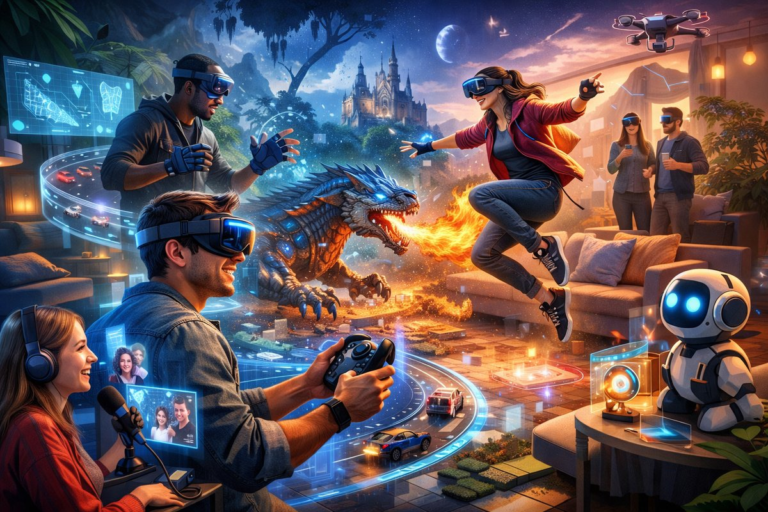
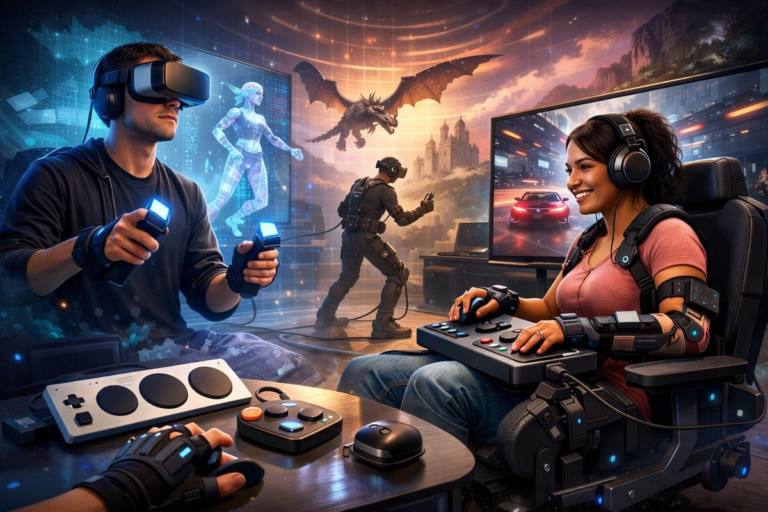
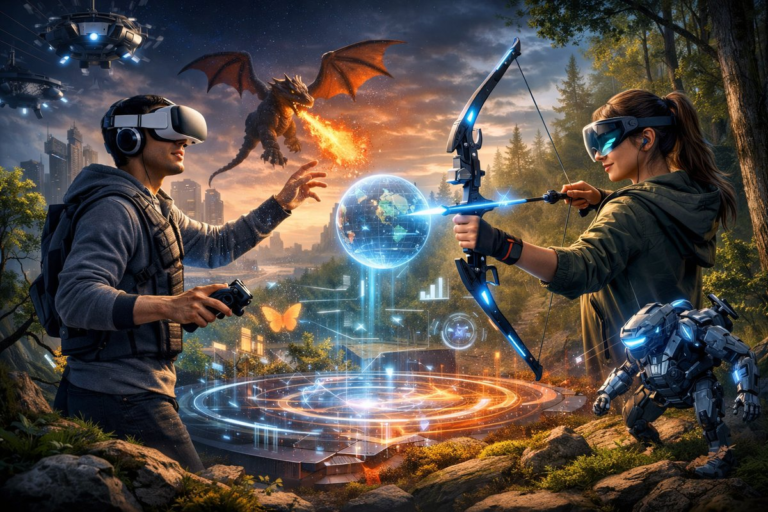
Underpinning these advances is a burst of innovation in game accessories designed for immersion. Haptic controllers pair advanced vibration motors with adaptive triggers, letting players feel the tension of bowstrings or the recoil of heavy firearms. Wearable vests and gloves translate in-game impacts into subtle pulses across the body, heightening the sensation of being inside a virtual world. Modular docking stations allow seamless switching between mobile and desktop play, housing handheld screens that connect to full-size monitors in seconds. Even lighting rigs are becoming smarter: programmable LED strips react to on-screen action in real time, bathing the room in contextual hues that extend the game’s atmosphere beyond the display.
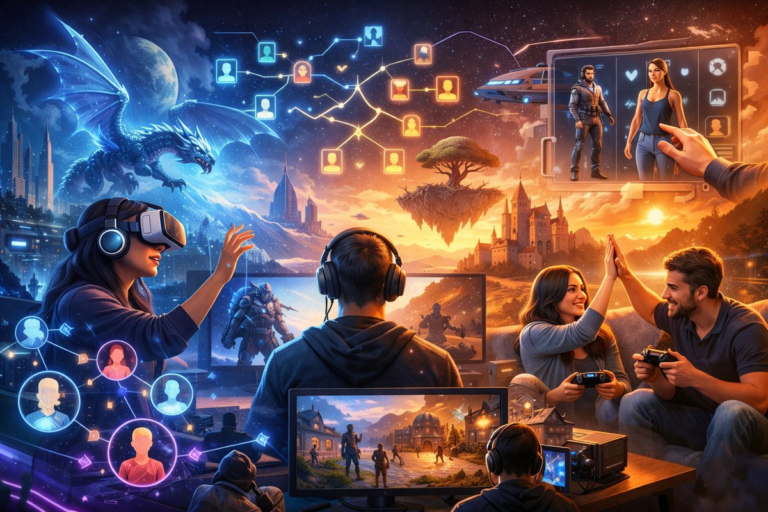
On the social side, in-game voice chat has grown into robust audio networks that rival dedicated communication apps. Spatialized sound engines give voice channels realistic distance effects, so teammates whisper strategies behind cover or rally with booming shouts at the front lines. Text and image overlays integrate seamlessly with voice channels, allowing quick call-outs without alt-tabbing. Community managers are leveraging these tools for everything from coordinated puzzle hunts to spontaneous trivia nights. The result is a rich tapestry of player-driven events layered on top of core gameplay, blurring the line between studio-led features and fan-organized happenings.
Meanwhile, streaming personalities continue to stake out new territory. Beyond traditional playthroughs and live commentary, some creators are launching interactive talk shows inside gaming worlds, using custom maps and scripted mini-games as conversation prompts. Viewers vote on branching discussion topics, select audience members to join on-stage avatars, or wager in-chat tokens that influence the host’s next challenge. These formats turn passive viewership into an active role, giving communities a sense of ownership and direct input. As a result, the concept of “watching someone else play” has evolved into “attending a live digital event with real-time stakes.”
Looking ahead, artificial intelligence and procedural generation promise to push the envelope even further. Reporters have sampled early tech that weaves player-driven narratives on the fly, crafting unique villains, side quests, and plot twists tailored to each user’s history. NPCs can remember past interactions, developing distinct personalities across play sessions and engaging players in spontaneous, unscripted dialogue. Environmental engines can change terrain, weather, and even architectural layouts based on global or community triggers, keeping exploration fresh long after launch.
These technological leaps also raise new questions around sustainability and digital ownership. As cloud-driven services consume vast datacenter resources, developers and platform providers are exploring renewable energy offsets and more efficient streaming codecs. On the player side, concerns about data privacy, account security, and long-term access to purchased content are driving calls for clearer rights management. Hybrid models that combine local caching with online authentication may strike a balance between convenience and control, letting users archive key assets offline while preserving shared social features.
In the coming years, gaming will continue to transcend its origins as a solitary pastime or niche subculture. It will enter our living rooms, public squares, and concert halls with equal force, inviting players of every stripe to experience, create, and connect. Whether you’re an aspiring esports competitor, an experimental storyteller, or simply someone who loves the thrill of discovery, the new frontiers of gaming offer a vibrant, ever-shifting playground. With hardware innovations driving immersion and software breakthroughs enabling community-driven live events, the future of play looks boundless-and it’s just getting started.
As the industry evolves, one thing remains clear: play is serious business. Behind every virtual crowd cheer and haptic pulse lies a complex ecosystem of engineers, artists, organizers, and audiences pushing toward more inclusive, more dynamic forms of entertainment. For gamers seeking to level up their setups or organizers planning the next digital spectacle, staying informed and adaptable will be key. Embrace the cloud, explore the metaverse of live events, and invest in peripherals that enhance presence. The game may be streamed, but the adventure is real.