Location
Mount Vernon, WA 98274

Location
Mount Vernon, WA 98274
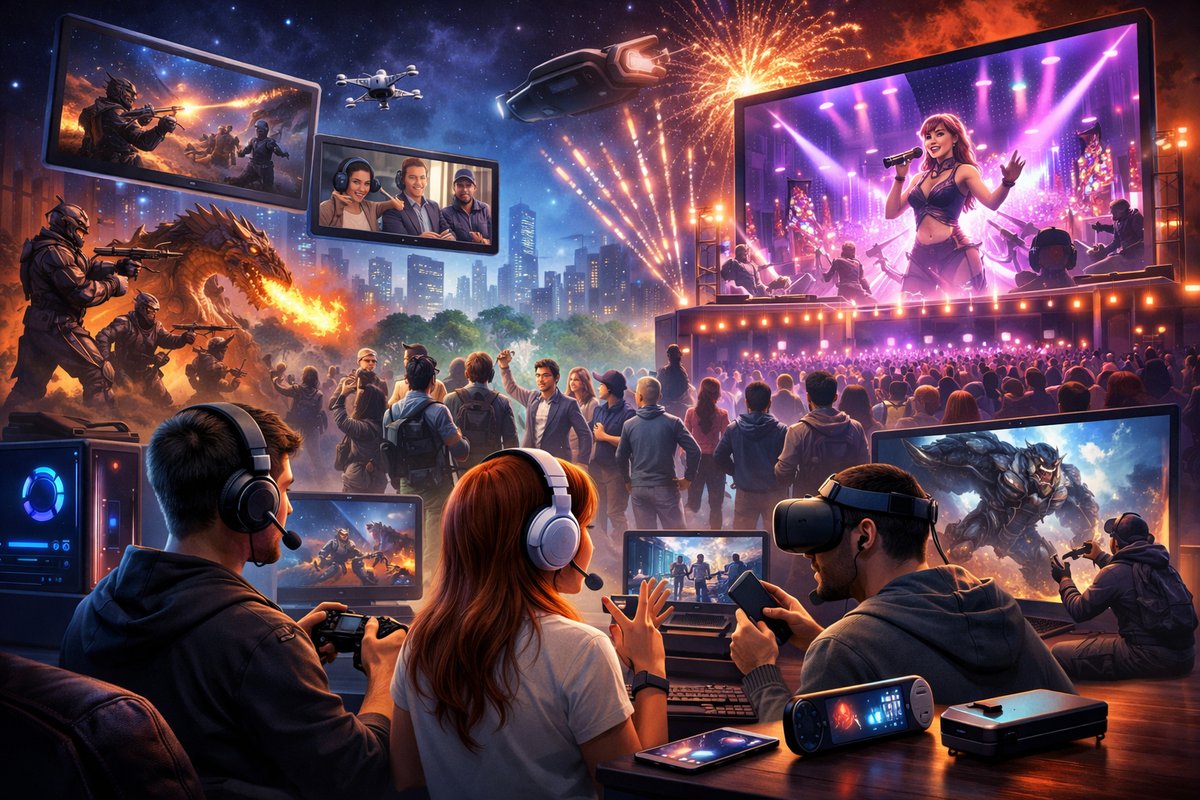
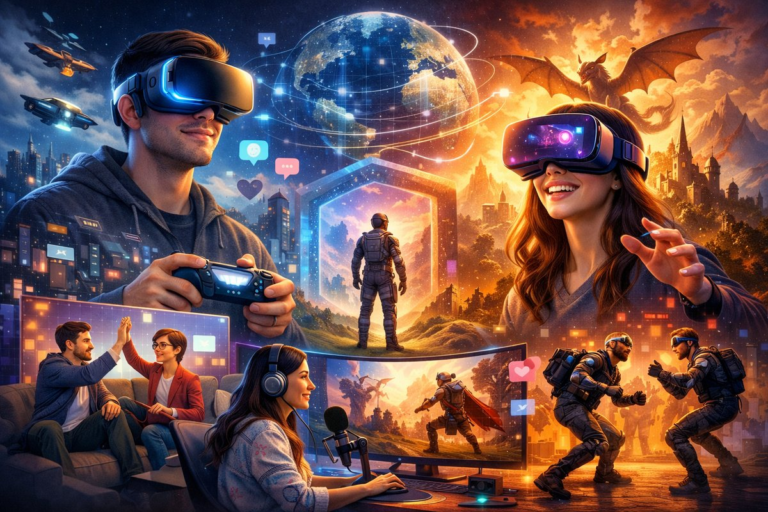
In recent months, gaming has transcended solitary high scores to become a thriving social ecosystem. From in-game concerts drawing millions to cross-platform raids that unite players across devices, cooperative play and community-driven events are redefining what it means to game together. This article explores the latest trends in collaborative gameplay, virtual gatherings, and the hardware powering these shared adventures.
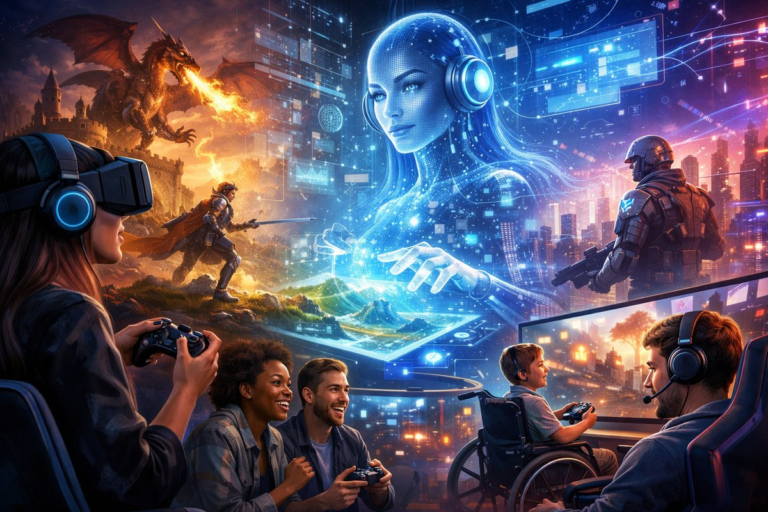
Gaming was once perceived largely as a solitary pursuit, but the latest wave of cooperative experiences has shifted the spotlight from individual achievement to shared storytelling and collective triumphs. Whether coordinating a last-minute rescue mission in a battle royale arena or collaborating on a sprawling city in a sandbox title, players seek not just victory, but connection. Developers, platforms, and hardware makers have responded in kind, weaving features and peripherals that prioritize communication, immersion, and seamless cross-device interaction.
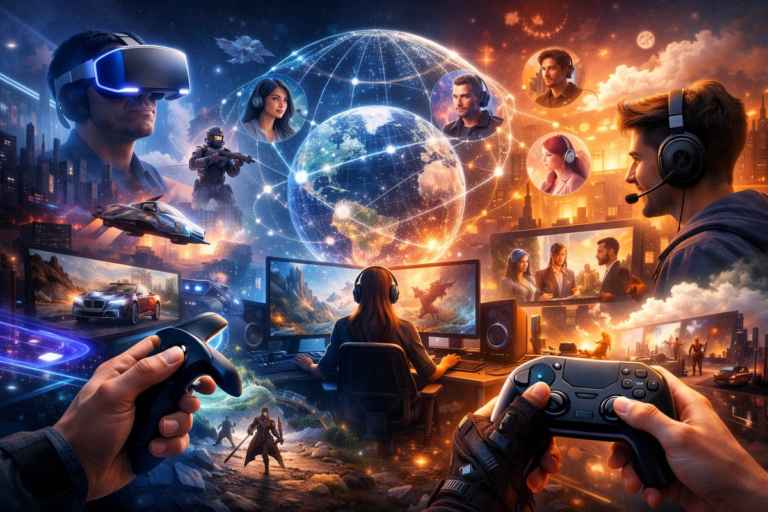
Across live-service shooters and competitive sports titles, cross-play support has emerged as a game-changer. By breaking down traditional platform barriers, friends on different consoles or PCs can squad up without missing a beat. Low-latency networking optimizations and unified matchmaking queues help reduce any sense of separation. Instead of waiting for a friend who owns a competing console, teams now assemble across ecosystems in seconds. This shift has fueled record concurrent player counts and revitalized long-running franchises with fresh social energy.
Meanwhile, massively multiplayer online titles continue to expand with cooperative raids and world events that demand hundreds of participants. New dungeon difficulties scale dynamically based on active players, encouraging large guilds and alliances to synchronize strategies. In some cases, developers are experimenting with real-time director tools that allow community managers to spawn special challenges on the fly, transforming a routine raid into an unpredictable spectacle. These unpredictable twists foster bonds among strangers turned teammates, forging memories that endure long after loot drops fade.
Beyond the battlefield, gaming has become a venue for virtual concerts and live shows. A globally famous battle royale shooter drew crowds in the tens of millions for an in-game music event that featured synchronized light effects and interactive mini-games. On user-generated platforms popular with younger audiences, chart-topping artists have held block-wide virtual performances complete with themed cosmetics and temporary game modes. Fans could emote alongside the performer, purchase skins commemorating the show, and even participate in dance-off contests broadcast on community channels.
These events blur the line between live entertainment and interactive play, but they also raise intriguing technical challenges. Streaming high-fidelity music and visuals to millions of concurrent participants requires elastic cloud servers and adaptive bitrate streaming. At the same time, developers must carefully moderate chat, filter voice channels for inappropriate language, and ensure stable reporting systems for misconduct. Handles on community guidelines and trust-and-safety teams now play as critical a role as level designers in maintaining a healthy environment for large-scale social experiences.
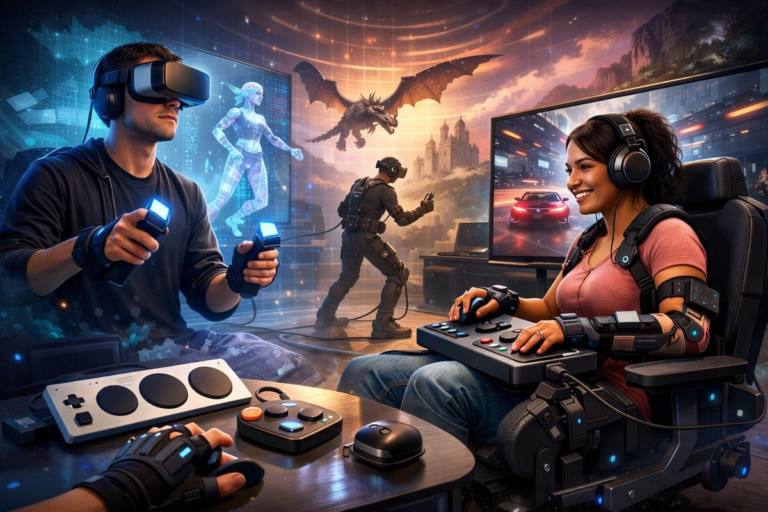
On the hardware front, immersive peripherals have evolved to support the social dimension of play. Wireless headsets with spatial audio features enable players to pinpoint footsteps and directional cues during heated firefights, while integrated microphones and noise-cancelling filters help teammates communicate clearly. High-refresh-rate displays and low-input-lag wireless controllers ensure that responses between friends remain tightly synchronized. As more games emphasize coordinated tactics, having reliable audio and control hardware can mean the difference between clutch victory and frustrating defeat.
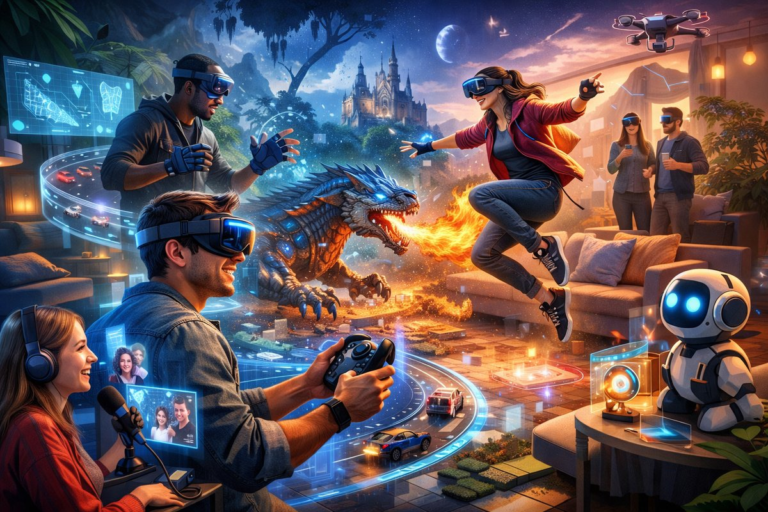
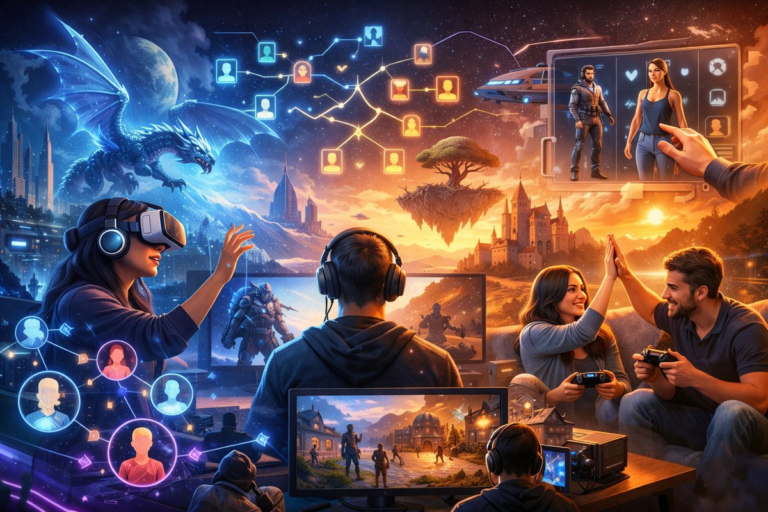
Virtual reality and mixed reality platforms also play a growing role in shared experiences. Open social hubs let players meet in casual lobbies, customize avatars, and launch cooperative quests together. Some innovators have introduced haptic feedback vests and motion-tracking gloves, deepening the sense of presence and shared physicality. While still a burgeoning market, these devices are attracting curious explorers eager to host virtual meetups, gallery tours, and role-playing scenarios, all within a single persistent world.
The advent of cloud gaming has further broadened access to cooperative worlds. By streaming game logic and visuals from remote servers, providers enable players on modest hardware to join in large-scale raids or immersive open worlds that would otherwise exceed their system capabilities. Since the heavy lifting occurs in data centers, everyone experiences consistent frame rates and graphic fidelity. Cross-session persistence ensures that progress and inventory remain intact, whether a player hops from a high-end PC to a tablet during a lunch break or back home to the living room console.
Still, as more players converge online, moderation and inclusivity challenges intensify. Toxic chat, griefing tactics, and harassment can quickly undermine the joy of cooperative play. Platforms have responded with robust reporting tools, AI-powered chat filters, and optional “quiet mode” voice channels. Parental controls let guardians manage playtime, disable in-game purchases, or restrict communication features for younger gamers. At the same time, developers publish transparent safety reports and community standards updates to keep all stakeholders informed and engaged.
User-generated content remains a vibrant force fueling social connection. Crafting custom maps, designing character skins, or scripting interactive narratives invites players to move from consumers to co-creators. Sandbox titles often host seasonal contests, inviting community votes on the best user-made worlds. Winning entries become official expansions or earn spotlight placements in curated storefronts, sharing revenue with creators. This model not only extends a game’s lifespan but also elevates the social value of collaborative creativity.
As cooperative play grows, so does the potential for philanthropic initiatives and charity streams. Content creators rally their communities around charity runs in endurance racing titles or marathon speed-run events in classic platformers. Donations unlock community challenges-running an extra lap, spawning special game modifiers, or rewarding backers with custom emotes. These hybrid gaming-fundraising events tap into the established camaraderie of online guilds and streamer followers to benefit causes ranging from medical research to educational outreach.
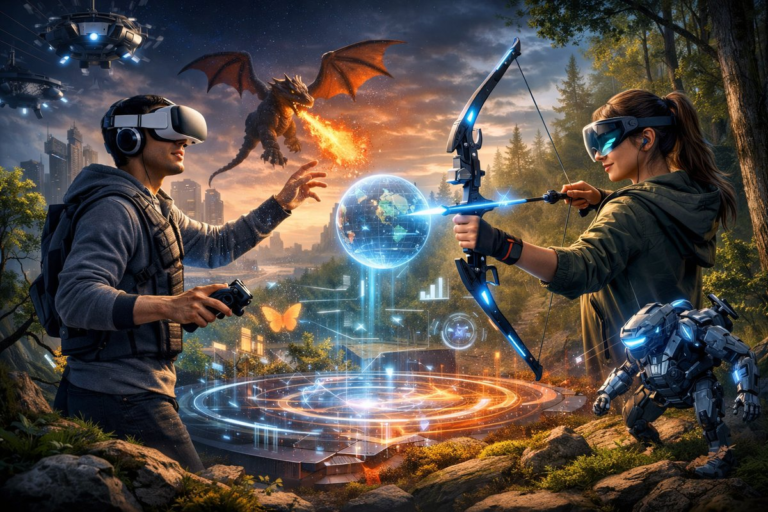
Looking ahead, artificial intelligence promises to refine matchmaking and group dynamics. By analyzing playstyles and communication patterns, AI coordinators could suggest optimal team compositions or even offer on-the-fly coaching tips during cooperative missions. Procedural narrative engines may tailor story beats to a squad’s past decisions, turning a group’s shared history into a personalized campaign. Mixed reality integrations might project teammates’ avatars into the same physical space, enabling seamless transitions between digital and real-world interaction.
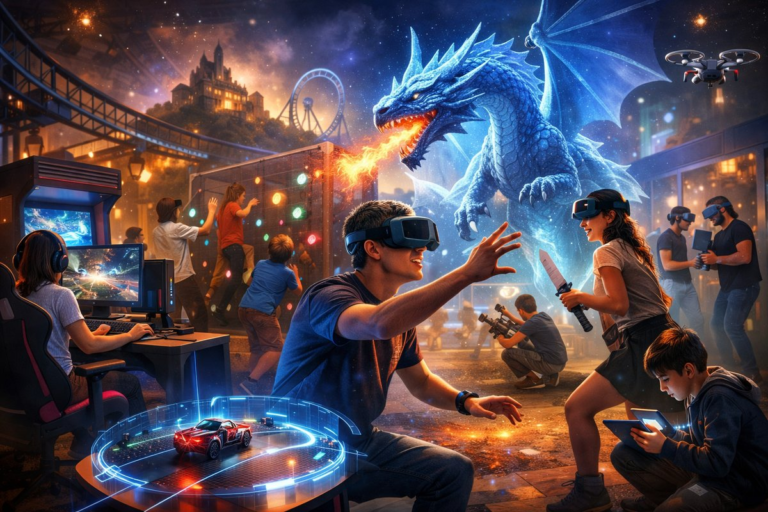
Ultimately, the heart of collaborative play lies in human connection. While high-end servers, custom peripherals, and advanced moderation systems serve as the scaffolding, the friendships, rivalries, and moments of triumph define why millions log in every day. As developers experiment with new ways of bringing players together, and hardware innovators refine the tools that amplify social bonds, the gaming landscape will continue to evolve. What started as a way to chase high scores has blossomed into a global social fabric-one built on shared victories, creative expression, and the simple joy of playing together.