Location
Mount Vernon, WA 98274

Location
Mount Vernon, WA 98274
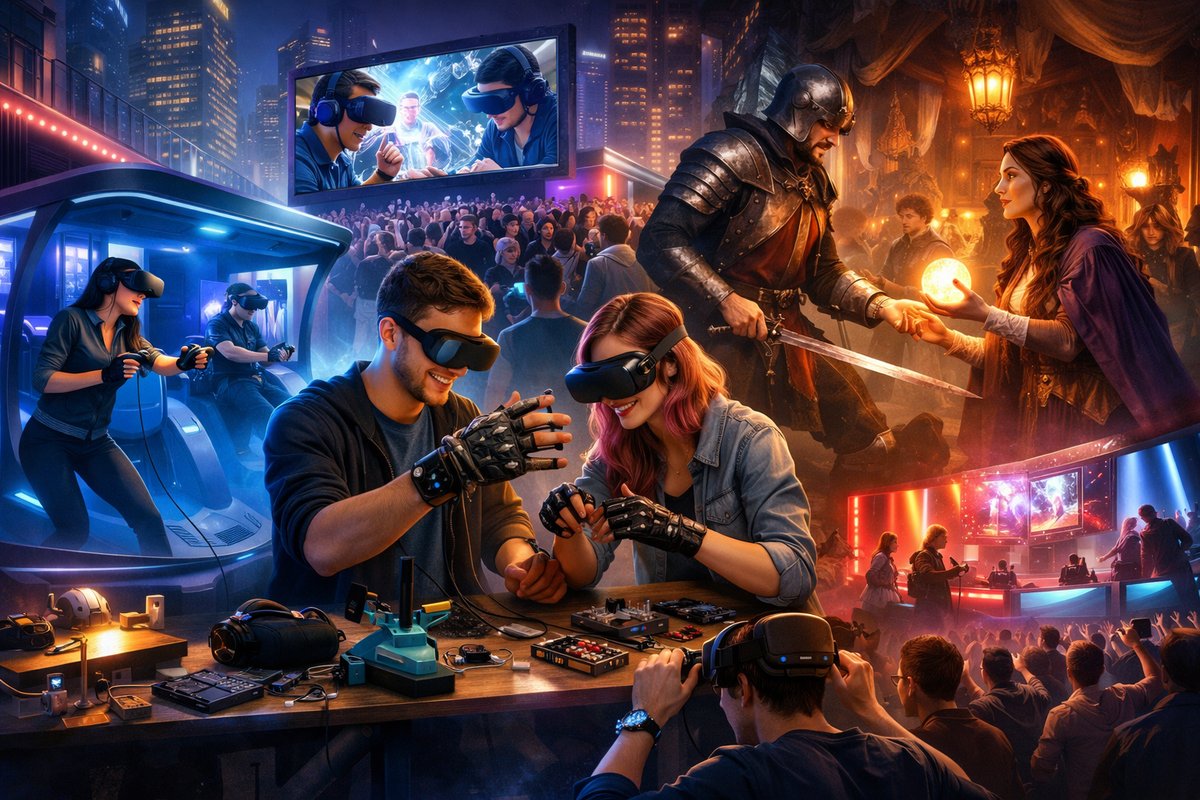
From pop-up VR arcades in city centers to DIY haptic glove hackathons, gamers are blending physical and digital realms to forge fresh social experiences. As e-sports viewership climbs and immersive theater enters the arena, play is evolving into a participatory, community-driven phenomenon.
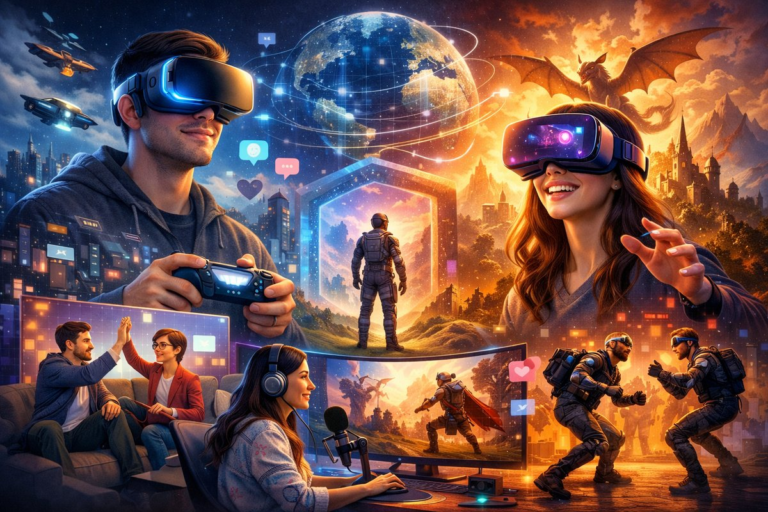
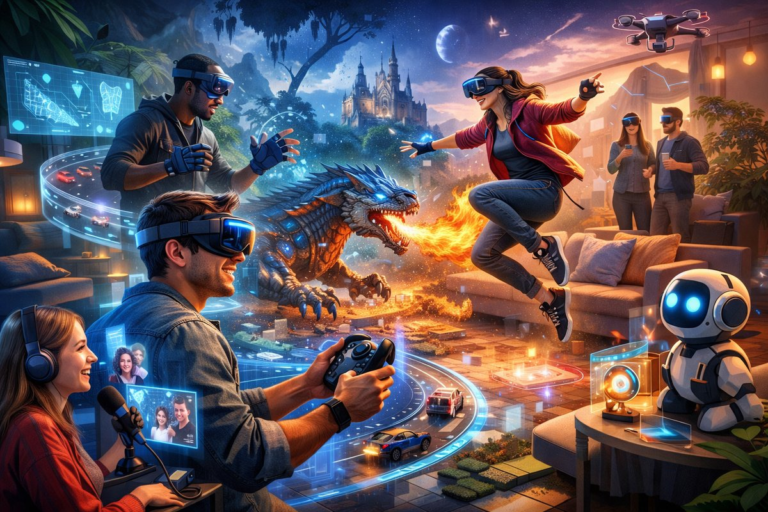
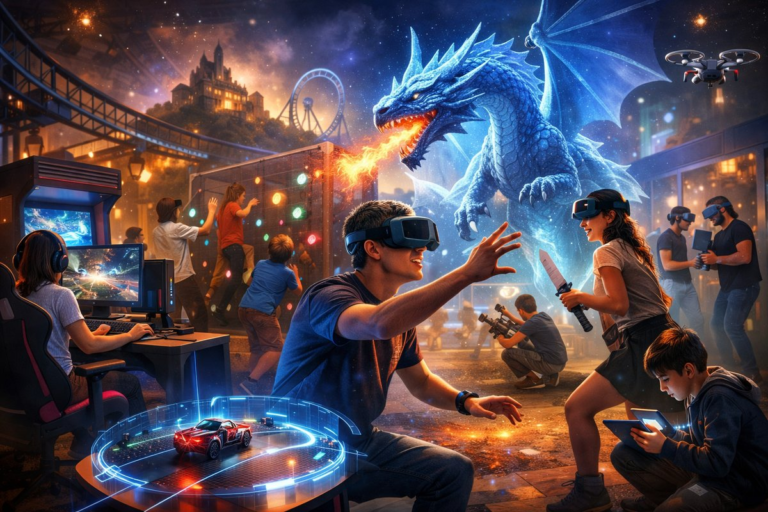
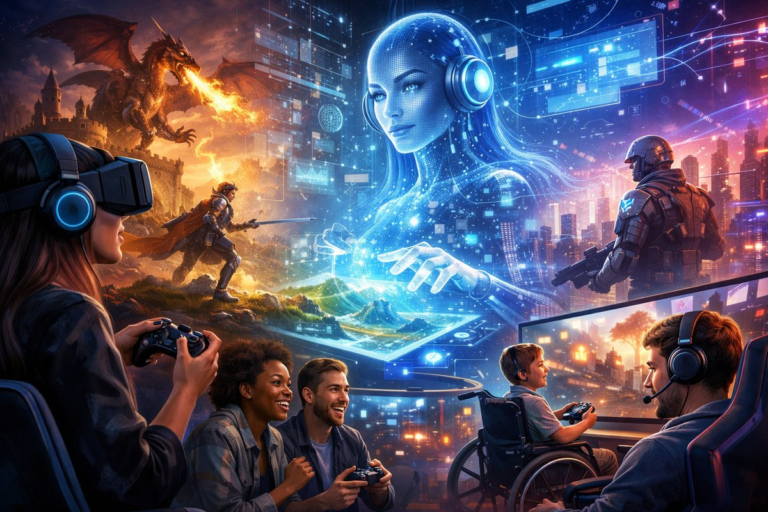
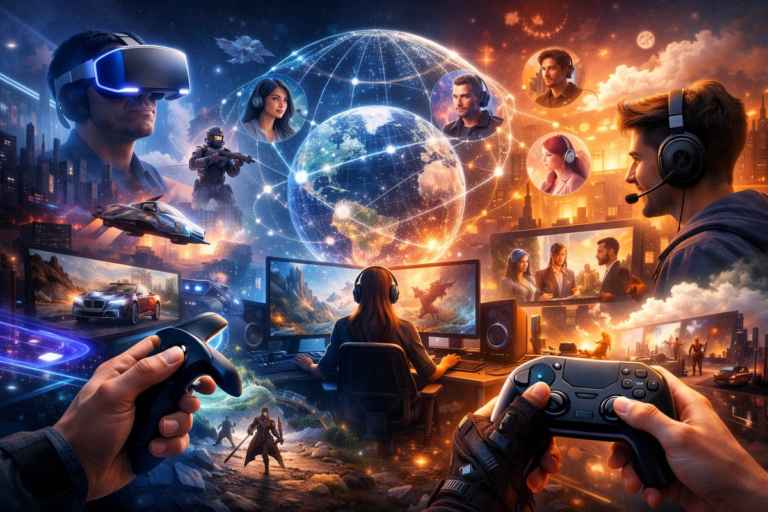
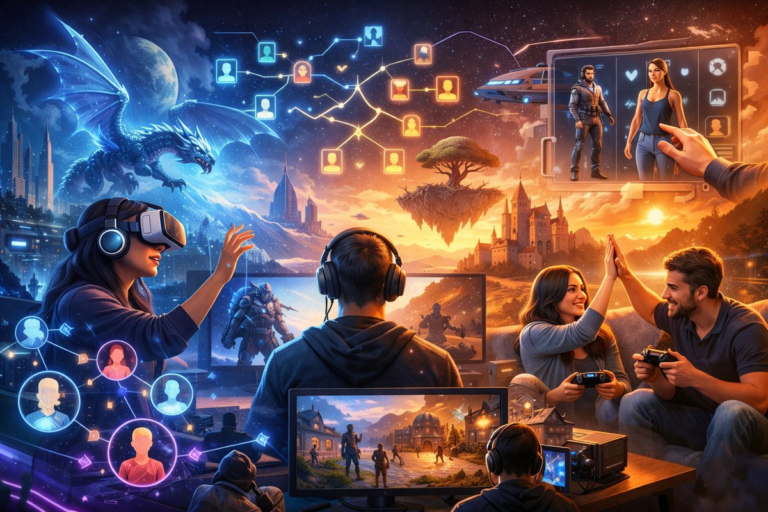
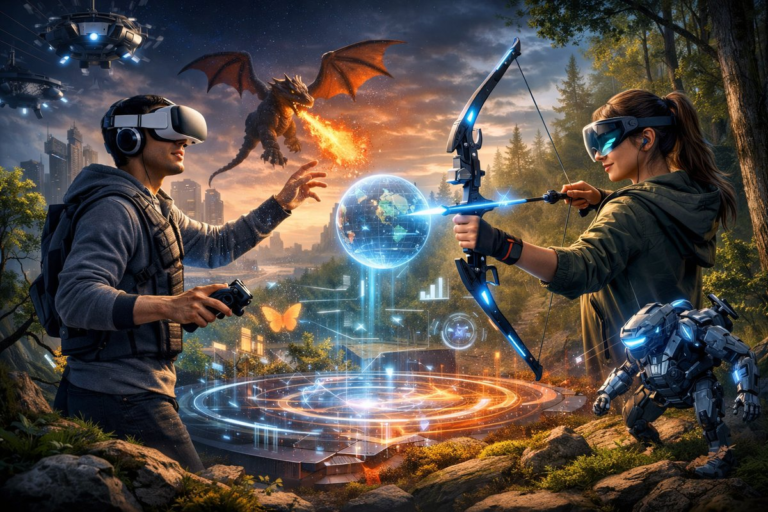
In the wake of social distancing measures and a surge in remote entertainment, gaming has undergone a remarkable transformation. No longer confined to the solitary glow of a console screen, players today are seeking hybrid experiences that stitch together tactile reality and digital fantasy. Across major cities, pop-up VR arcades share space with retro LAN lounges, while open-air gaming festivals invite spectators to compete in large-scale projection arenas. This convergence of physical venues and virtual worlds – often called “phygital” gaming – is reshaping how communities connect and how play fuels focus, creativity, and social bonds.
According to industry trackers, the global games market grew 3.4 percent last year to reach $203 billion, fueled in part by a rebound in live events and location-based entertainment. Cloud gaming platforms added nearly 8 million new users in 2023, bringing the total to an estimated 30 million globally. But it’s the revival of in-person gatherings – from VR arcades in reclaimed storefronts to roaming esports trailers parked outside music festivals – that signals a deeper craving for shared adventure. In these phygital arenas, gamers can swap tips in real time, cheer each other on in local tournaments, or huddle around a mobile projection wall for co-op quests that stretch down a city block.
One marquee example is the summer circuit of pop-up VR zones that traveled between London, Seoul, and Chicago. Each installation ran on renewable energy, with solar panels powering haptic chairs and motion platforms. Players stepped into tethered headsets for narrative-driven titles or strapped on motion capture suits for rhythm-action challenges. Organizers reported an average session length of 45 minutes and a net promoter score north of 70 – proof that blending eco-friendly infrastructure with bleeding-edge tech creates lasting engagement.
Meanwhile, the esports ecosystem has bounced back in a big way. Prize pools across major tournaments surpassed $214 million last year, and the League of Legends World Championship finals attracted more than 540 million viewers worldwide, combining broadcast and streaming audiences. But even as stadiums refill, dedicated LAN cafés are making a comeback. These boutique hubs often feature high-refresh-rate monitors, customizable PC rigs, and latency-optimized networks. By offering tournament-caliber gear without the intimidation factor of pro events, LAN cafés are nurturing grassroots communities and fostering mentorship between veteran players and newcomers.
The hardware driving these experiences is also evolving. Haptic feedback gloves and vests – once a niche novelty – are finding their way into open-source hackathons. A community-maintained haptic SDK on GitHub has amassed over 10,000 stars, empowering makers to prototype tactile sensations like virtual wind gusts or simulated resistance in puzzle games. Paired with motion-capture suits built from modular components, these DIY setups enable one-off interactive installations in galleries, university labs, and community centers. Costly gear is increasingly available via rental libraries or lease-to-own programs, lowering the barrier to entry for creators and players alike.
Beyond clunky demos in warehouse spaces, immersive storytelling is migrating into real-world environments. In San Francisco’s historic Distillery District, an augmented-reality murder mystery invited players to sleuth through cobblestone alleys using a mobile app and GPS waypoints. Teams of four raced to solve puzzles illuminated by projection mapping on old brick walls, guided by voice actors feeding clues through wireless headsets. Organizers sold out every weekend slot this summer, and spin-off editions are now scheduled in Berlin and Sydney. These hybrid theater experiences harness the communal thrill of live performance alongside the branching narratives typical of video games.
The mental health benefits of communal play have not gone unnoticed. Community centers in several U.S. cities now host “game therapy” nights, where social workers use cooperative video games and board games to teach conflict resolution and communication skills. In Vancouver, a pilot program pairs older adults struggling with isolation with local high school gamers for weekly sessions on strategy titles. Early surveys indicate improved mood, reduced anxiety, and stronger intergenerational ties. For many participants, logging on or stepping into a gaming lounge offers an accessible gateway to friendship and creative expression.
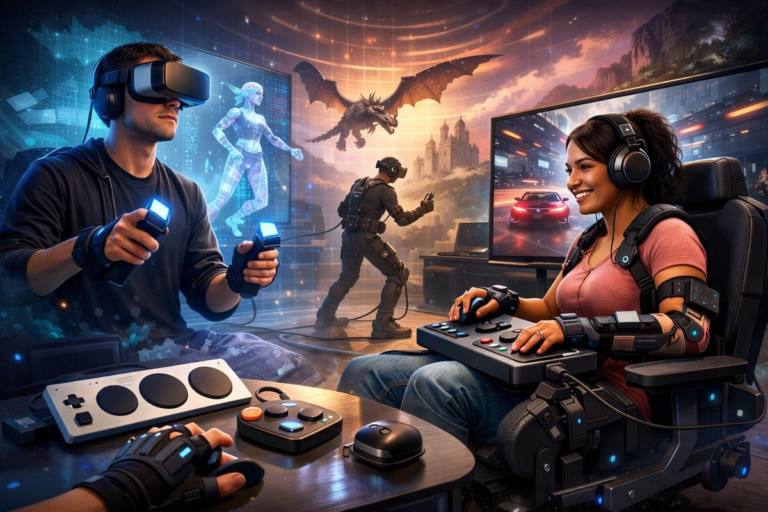
Inclusivity is also driving innovation in play spaces. VR arcades are adding adjustable-height stations, closed-captioned audio, and scent diffusers to create multisensory sessions for players with diverse needs. Local hackathons have produced custom interfaces for one-handed controllers and eye-tracking systems for gamers with limited mobility. These adaptations not only broaden participation but inspire new gameplay mechanics that benefit everyone. Game developers have taken note, integrating optional haptic cues and multiple input pathways as standard features.
Sustainability underpins much of this growth. Mobile gaming pods powered by solar microgrids have popped up at music festivals, offering attendees a low-carbon way to challenge friends between sets. Urban planners are repurposing shipping containers into 24/7 gaming sanctuaries, complete with green roofs and rainwater harvesting to slash operational costs. Some venues even host “gear swap” nights where players can trade lightly used peripherals, extending device lifecycles and reinforcing community cooperation.
As the lines between living room and arcade blur, the future of play points toward adaptive, participatory spaces that elevate focus and camaraderie. Developers are experimenting with cloud-native live events – in which patch updates, community polls, and real-time narrative branches carry players from digital zones into physical meetups. Meanwhile, gamers armed with haptic rigs, modular desks, and ambient lighting kits are crafting bespoke environments tuned to every genre and mood.
Ultimately, this phygital renaissance is less about flashy gadgets than it is about human connection. Whether teaming up for a solar-powered VR escape or bonding over retro consoles in a neighborhood café, players are rediscovering the simple joy of sharing challenges and triumphs face to face. And as hardware, software, and social experiences continue to intertwine, the very act of play becomes a catalyst for community, creativity, and well-being.
In this new era, everyone with a keyboard, headset, or motion sensor can be both participant and curator, shaping worlds that celebrate curiosity and empathy as much as competition. From indie developers pitching interactive theater to global franchises launching hybrid tournaments, the phygital frontier is open to anyone ready to level up together.