Location
Mount Vernon, WA 98274

Location
Mount Vernon, WA 98274
An immersive wave of virtual reality demos, cloud-based titles, and indie showcases is redefining how players engage with digital worlds. From high-end hardware reveals to movie tie-ins that blur the line between gameplay and cinema, this report unpacks the latest trends fueling play as serious business.
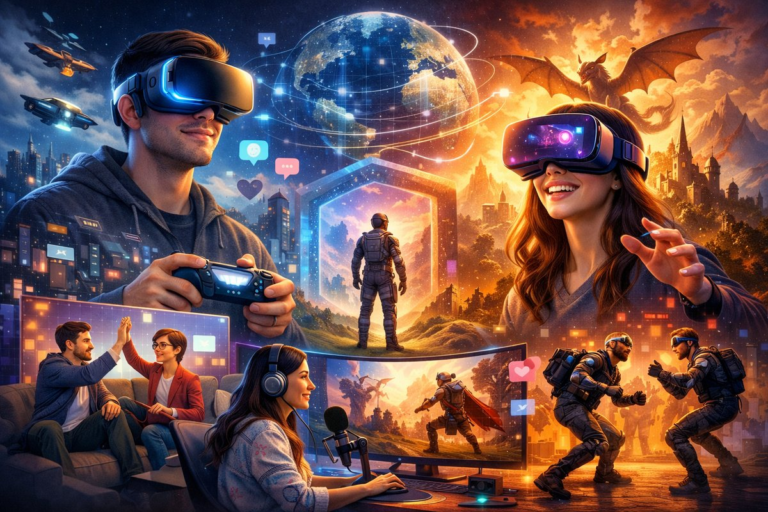
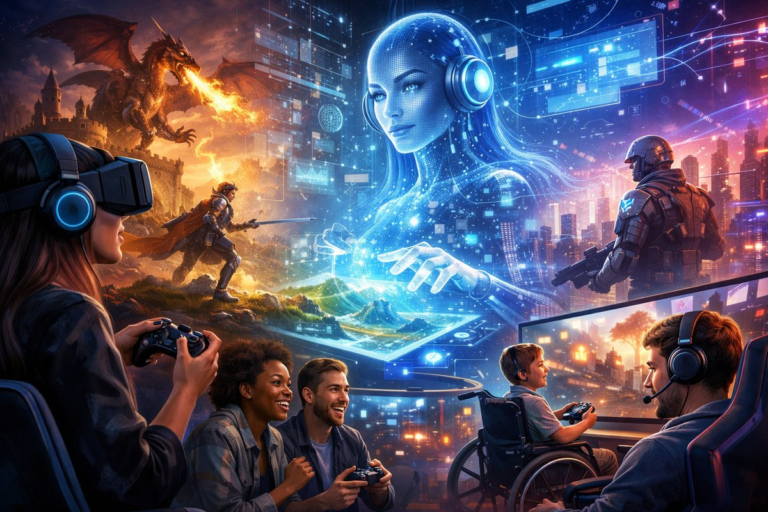
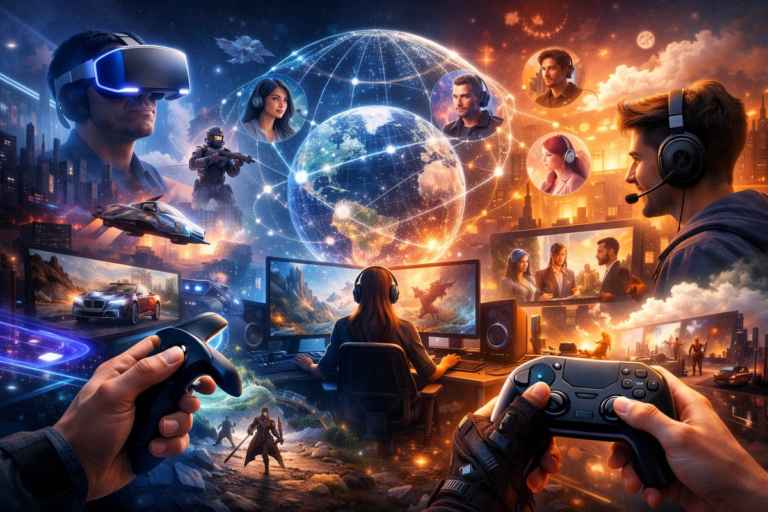
When the doors swung open at this year’s International Gaming Expo, attendees streamed toward glowing booths promising more than just pixels on a screen. Across sprawling halls, developers unveiled cloud-powered demos that load in seconds, next-generation headsets that track every movement, and indie projects so fresh they felt like secret levels unlocked in real time. Play has always been a celebration of wonder, but now it’s undergoing its most radical evolution yet-one driven by hardware advances, cinematic storytelling, and a renewed focus on community experiences.
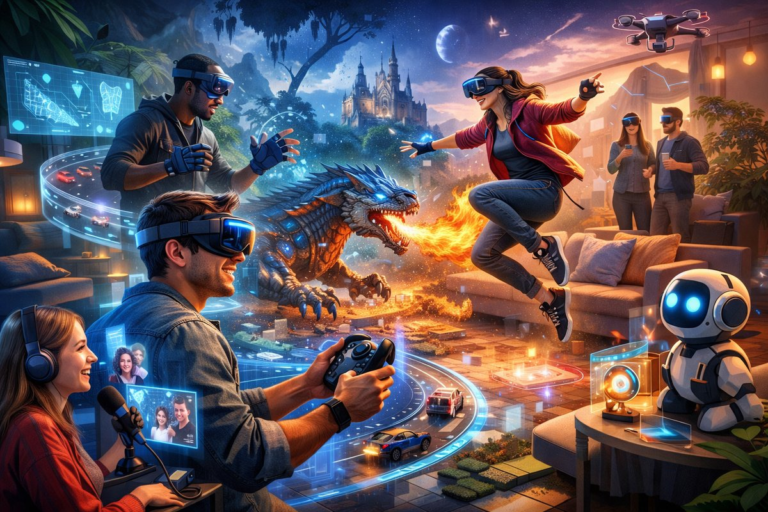
At a press event preceding the main show floor, a major tech partner lifted the curtain on a prototype headset featuring ultra-wide field of view lenses and built-in eye tracking. Rather than tether to a single console, this design taps into edge computing servers over local networks, cutting latency to a whisper. Test participants donned the unit and found themselves standing on the edge of a digital canyon, feeling vertigo in all the right places. Onlookers crowed as simulated wind gusts were delivered through glove-mounted actuators, adding subtle pulses of pressure that tricked the senses. For many, this was proof that virtual reality isn’t just a novelty-it’s the next frontier for storytelling and competition alike.
Meanwhile, at the cloud gaming pavilion, lines formed around compact stations powered by racks of remote servers. Titles once confined to performance-hungry PCs ran smoothly on lightweight laptops and tablets, all thanks to adaptive streaming algorithms. Visitors could switch between eras-racing classic street cars one minute, then exploring sprawling fantasy realms the next-without any downloads or updates. For players in regions where hardware budgets are tight, cloud delivery is reshaping accessibility, lowering the barrier for entry into high-fidelity experiences. Developers are already designing worlds optimized for this delivery pipeline, prioritizing seamless transitions over traditional loading screens.
Indie devs claimed center stage in an adjacent wing, where a curated showcase called “Frontier Labs” presented 20 small teams pushing genre boundaries. One standout title cast players as ghostly chambermaids solving environmental puzzles in a haunted museum. Another combined rhythm-action gameplay with hand-drawn animation, looping catchy melodies as you tapped to reveal hidden narrative threads. These projects serve as a reminder that innovation often sprouts from nimble minds willing to experiment without the weight of blockbuster budgets. A growing number of these studios are turning to community funding platforms, forging direct ties with backers who earn early access and input on design choices.
Not to be overlooked, console manufacturers treated the expo as a stage to tease upgradable hardware slots, letting enthusiasts swap in faster storage modules or custom cooling fans. Rather than a disposable box that grows obsolete in a few years, these designs aim for modular longevity, reducing e-waste and honoring the investment of devoted players. Network engineers also revealed techniques for peer-to-peer matchmaking that can reroute around congested data centers, smoothing frame rates during online skirmishes without sacrificing data privacy. This emphasis on sustainability-from repairable consoles to more efficient data delivery-reflects a collective push toward conscientious play.
Over in a dimly lit corner, a crossover between gaming and film took shape at a “Narrative Nexus” theater. A curated program screened interactive short films that used viewer choices to determine scene order. One piece invited gamers to explore the backstory of a dystopian enforcer, selecting dialogue options that branched onto different moral paths. Another project blended live-action sequences with game engine assets, creating moments where characters stepped out of the screen to challenge the audience. It echoed the spirit of earlier interactive experiments but felt more polished, leveraging real-time graphics and motion-capture actors for seamless immersion.
The connections between games and movies ran deeper when a panel discussed the rising trend of in-game premieres and virtual cinemas. A high-profile blockbuster premiered its first trailer inside a popular multiplayer title, turning a marketing campaign into a social event. Players gathered around digital billboards, sharing reactions in voice chat as the footage played. These partnerships suggest a future where game worlds double as launchpads for broader entertainment, dissolving the walls between mediums.
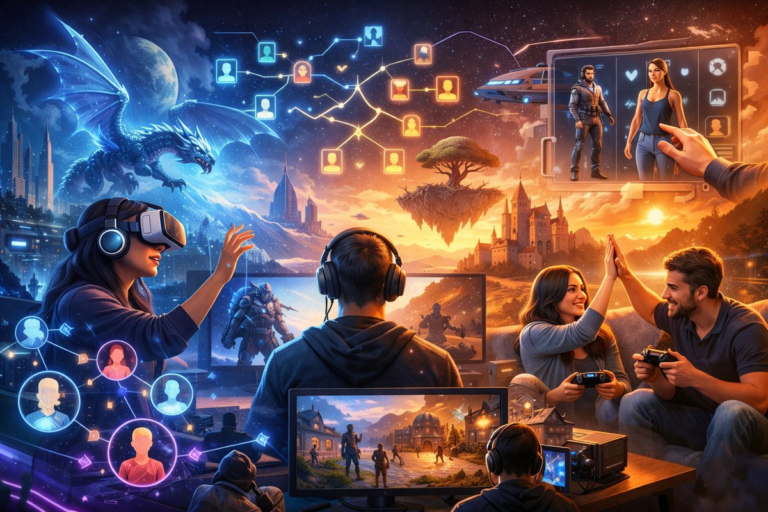
For everyone from solo explorers to hardcore speedrunners, the expo’s social lounges offered spaces to debate strategy, form impromptu guilds, or just grab a snack with new friends. Even though much of the buzz centered on cutting-edge gear, many pointed out that play at its best fosters connection. After all, the right headset or server farm means little if players aren’t sharing moments of triumph and defeat. That fundamental drive to belong-to quest alongside allies through virtual storms-is powering a renaissance of co-op and competitive designs.
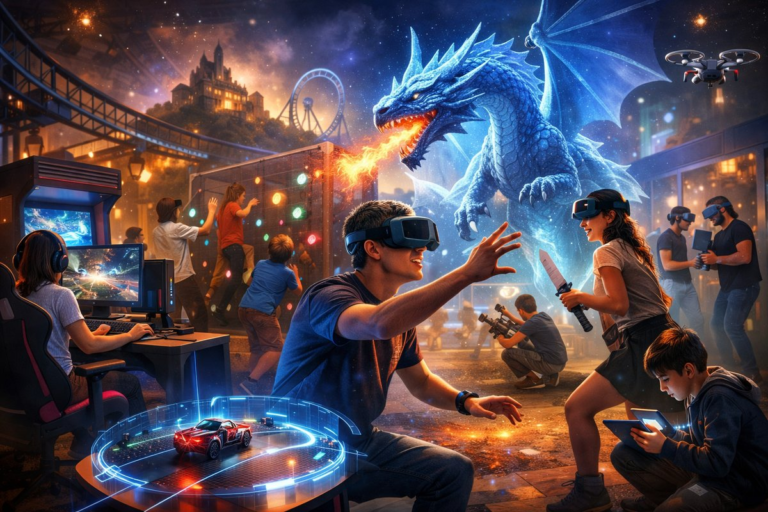
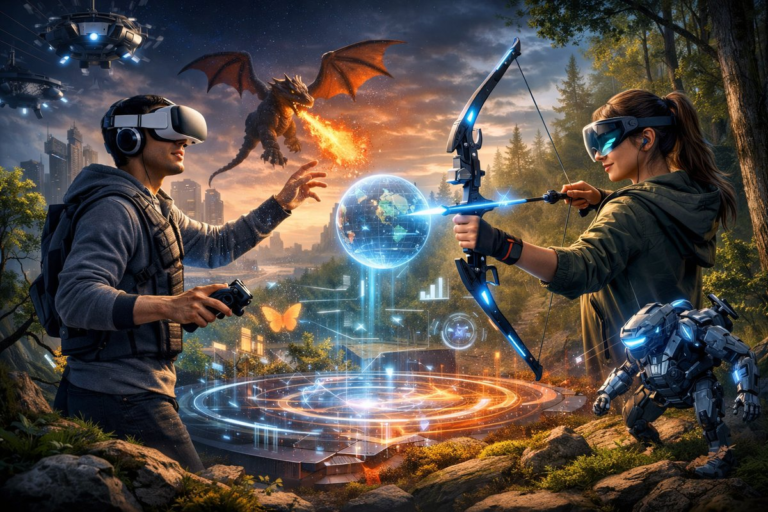
As the show wound down, attendees sampled a sneak peek of a narrative RPG built on augmented reality. Strapped with a compact visor and GPS-aware controllers, players could explore their actual neighborhoods, hunting for digital artifacts layered onto real streets. Nearby cafes became gathering spots in this blended reality, with pop-up missions tied to local landmarks. For towns hoping to boost tourism, this model offers a new avenue: gamified city tours that reward curiosity and real-world exploration.
By the end of the week, one thing was clear: the hardware and software shaping tomorrow’s play are more interwoven-and more human-centered-than ever before. Advances in virtual and cloud technologies promise boundless new realms, but developers are also doubling down on the social glue that holds communities together. From modular consoles built to last to indie worlds teeming with personality, the industry is aligning on values of accessibility, sustainability, and emotional resonance. The next great adventure might start with a headline-grabbing device reveal, but it will live on through the friendships, stories, and shared thrills that define play’s enduring magic.