Location
Mount Vernon, WA 98274

Location
Mount Vernon, WA 98274

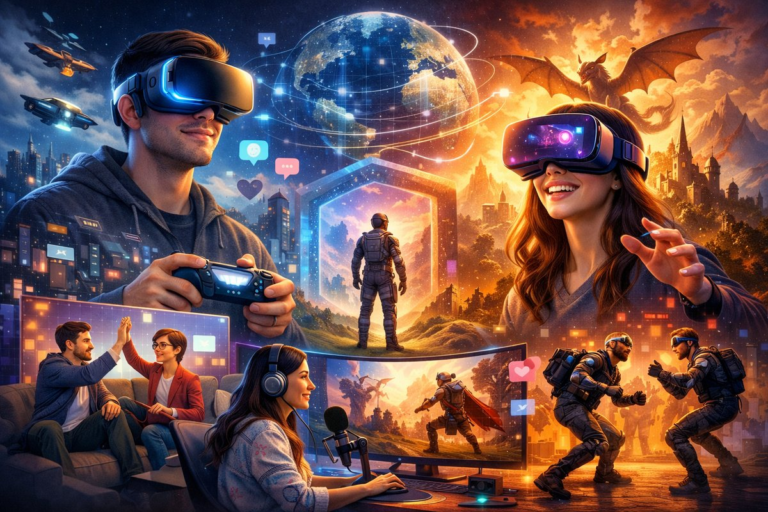
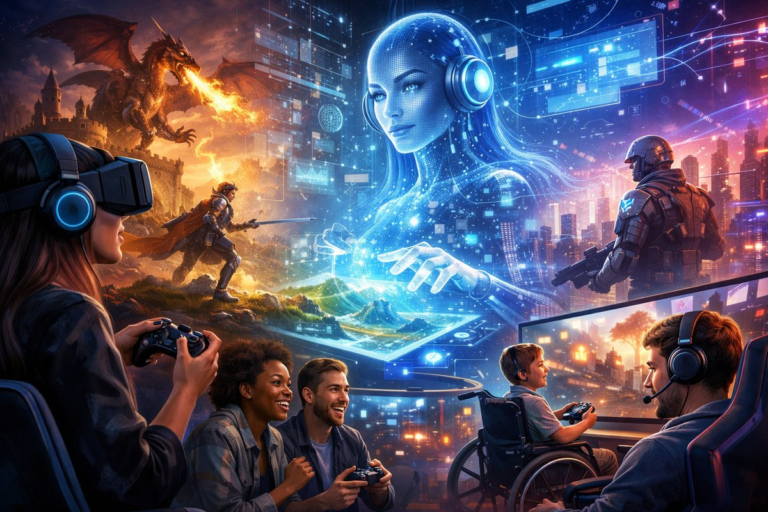
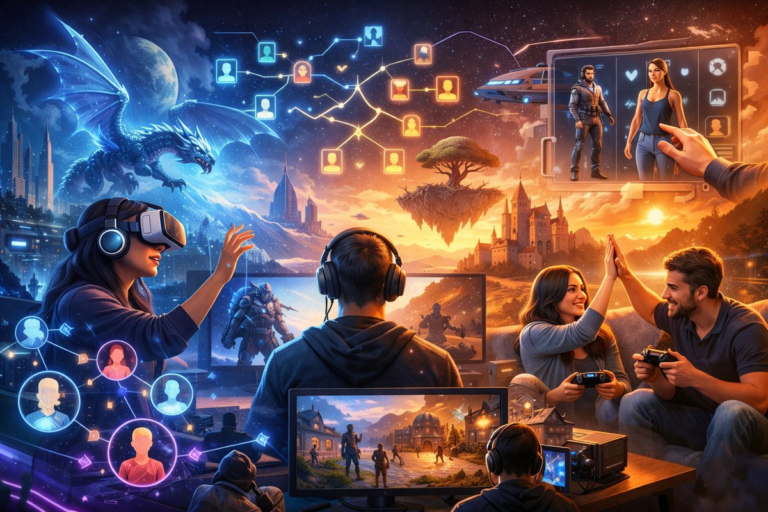
From living-room LAN parties to neighborhood board-game tournaments, gaming is weaving digital and analog experiences into one seamless tapestry. Communities are meeting online and offline, developers are embracing cross-platform play, and local venues are reinventing game night for a new generation of players.
Game night used to mean gathering around a bulky console, blowing dust off cartridges or sleeping disks, or shuffling card decks on a coffee table. Today, it’s a fluid experience that spans living rooms, local cafés, virtual lobbies and livestream chat rooms. As players seek fresh ways to connect, developers and venue owners are blending tabletop classics with digital innovations, and community-driven events are sprouting across cities and online platforms.
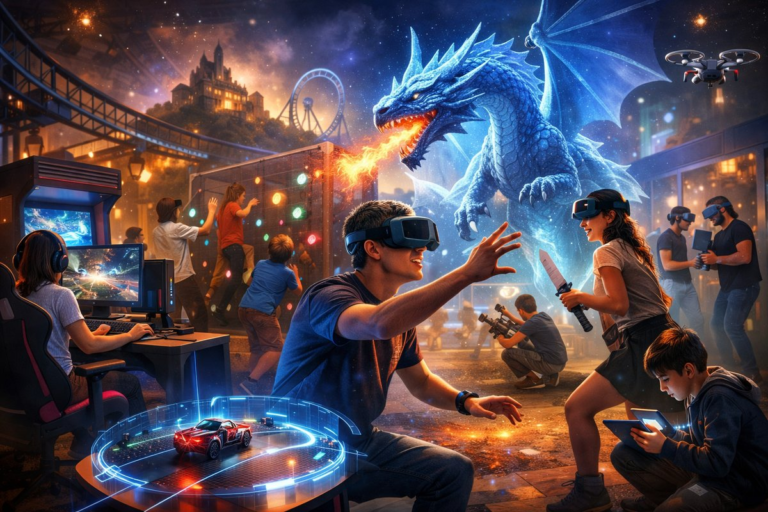
At the heart of this transformation is the desire for shared moments. While solo gaming still thrives, there’s renewed enthusiasm for co-op campaigns, party-style streaming events and neighborhood tournaments. Local game stores that once relied solely on shelf sales are hosting hybrid meetups where participants roll physical dice at a table while viewers vote on in-game modifiers via a live feed. Across the world, indie studios are building games designed for mixed reality gatherings-projects that encourage players to switch from screen to table and back again.
One standout example is the indie action platformer Neon White, which debuted with built-in speedrun modes and streaming overlays. Though traditionally a digital-only release, its developers released companion puzzle cards so groups can tackle challenges offline and then test their solution livestream. Fans report that communal card-solving sessions build camaraderie and fuel friendly rivalries when players reconvene online for speedrun showdowns.
In parallel, board-game designers are adapting their titles with digital extensions. The award-winning engine-builder Wingspan now offers an augmented-reality app that displays animated bird species when players scan cards. Cafés in major cities have begun hosting mixed sessions: players draft bird cards in person at the table, then upload their score sheets to a public leaderboard via tablets. The goal is to spark spontaneous matchmaking-teams who haven’t met face-to-face can virtually trade strategies and watch each other’s AR animations in real time.
Hybrid events aren’t limited to core gamers. Family game nights are evolving, too. Parents stream live trivia nights with friends dialed in via video call, while kids complete digital scavenger hunts around the house using smartphone cameras. One online community, GameTable Collective, organizes monthly “choose-your-own-adventure” evenings. Moderators present branching story paths through a livestream, and the chat votes on each plot twist. Meanwhile, in members’ homes, print-and-play packets guide local participants through puzzles that influence the next digital installment of the story.
This fluid mix of on- and off-screen play poses design challenges. Developers must optimize for diverse hardware-from mobile phones to VR headsets-and ensure that physical components sync reliably with servers. Some studios are adopting cloud-based architectures that prioritize low-latency messaging and dynamic session management. For example, the co-op dungeon crawler Dredge recently rolled out a patch enabling real-time board-game-style event cards. Players gather at a table to reveal printed event cards each round, then log their outcomes in the game’s cloud system to impact everyone’s shared oceanic world.
Café owners and community hubs are also rethinking their layouts. Gone are the days of rows of tables cordoned off for purely analog play. Instead, venue managers install flat-screen monitors alongside communal tables, load each station with wireless network extenders, and offer rentable tablet devices preloaded with companion apps. Some spots have even designated “silent zones” where players can don headsets and join voice channels with distant teammates, while the rest of the room buzzes with card shuffling and miniatures clacking on terrain mats.
The business case for hybrid play is compelling. Local organizers report upticks in foot traffic and snack-bar sales when events include both physical and digital components. Publishers see extended shelf life for titles that offer offline add-ons. And players enjoy new social rituals: coordinating a meetup on Discord, pacing through a live-streamed narrative, then gathering around a table to resolve cliffhangers with tangible puzzle pieces.
Streaming personalities are capitalizing on this trend as well. Several popular content creators now host tabletop role-playing sessions that incorporate custom digital tools. One host uses a generative AI assistant as an on-stage “virtual game master,” feeding in chat suggestions to craft spontaneous plot twists. Guests solve riddles by manipulating a physical puzzle box on camera, while viewers at home vote on which clues the AI should highlight next. These interactive streams often have higher engagement rates than solo playthroughs-audiences feel invested in every decision, whether it’s guiding an NPC or sliding a miniature across a hand-painted map.
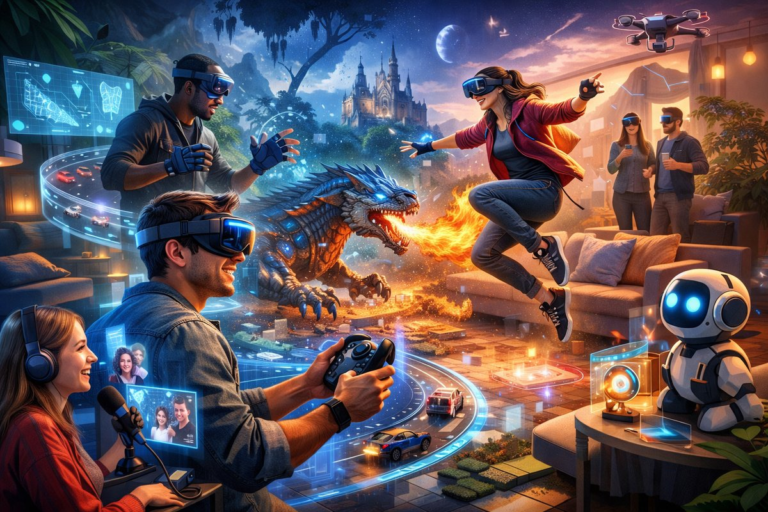
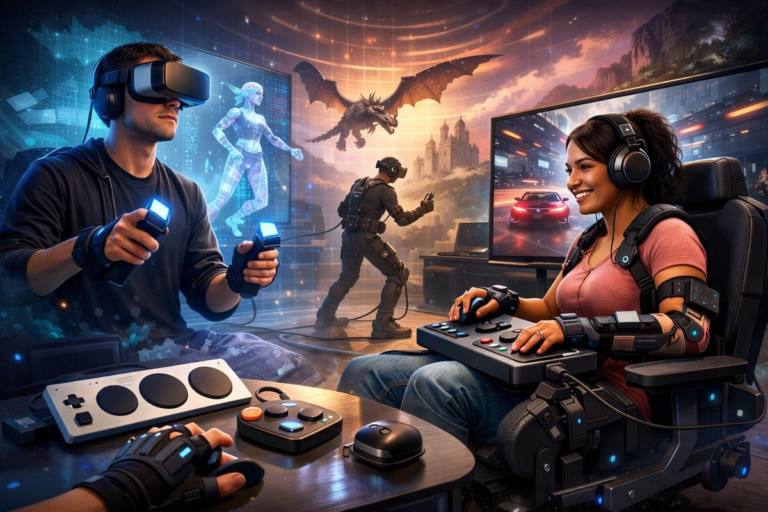
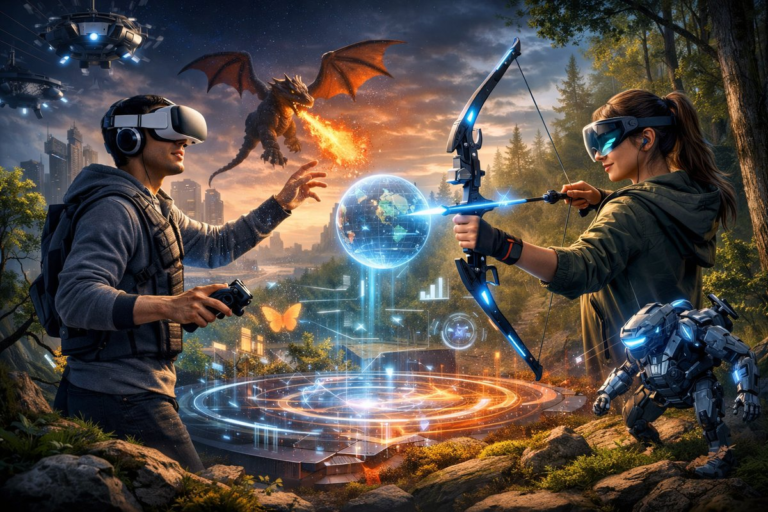
Back at home, players are upgrading their setups to match. High-performing mechanical keyboards, ergonomic gaming chairs and ambient LED strip lights create an inviting backdrop for hybrid sessions. Networking gear like mesh Wi-Fi systems ensures stable connections even when multiple devices are online. And, for those experimenting with spatial experiences, mainstream VR headsets now support rapid “pass-the-headset” mechanics: one player emerges from a quest and physically hands the unit to a friend, while the game seamlessly transitions the host role.
Beyond hardware, software ecosystems are maturing. Cross-platform accounts let progress carry over from console to PC to mobile. Companion apps log board-game scores, notify remote players when it’s their turn, and even display digital timers or sound effects for dramatic moments. Community-created mods add extra layers-players have released translation patches for popular party titles, themed card skins for card-drawing apps, and rule-tweaking script libraries that newcomers can install with a single click.
For parents and educators, hybrid game night offers unexpected benefits. Teachers are using mixed play to reinforce problem-solving and collaboration skills. Math teachers stage scavenger hunts combining physical geometry puzzles with a coding challenge unlocked via QR code. Librarians host digital story circles where young readers solve chapter unlock riddles printed in library catalogs. These programs encourage hands-on learning while leveraging the familiarity of digital platforms.
As the line between real and virtual play continues to blur, gaming communities are discovering that the most engaging experiences don’t reside strictly in pixels or cardboard. They thrive at the intersection, where screens, cameras and table surfaces converge. The next time you plan a get-together, consider a hybrid approach: pick a co-op quest that offers offline components, invite friends to join via video call, and load up a companion app to synchronize digital rewards with analog milestones. You’ll create memories that linger long after the screen goes dark or the last pawn is boxed away.
Ultimately, play remains serious business. Whether you’re an indie developer crafting new ways to mix mechanics, a community manager organizing hybrid tournaments, or a player upgrading your home setup, the future of game night is a living laboratory. Innovations will emerge from casual living-room gatherings and polished industry showcases alike. Wherever you find yourself, the invitation is clear: gather, switch on your devices, shuffle those cards and forge connections in every corner of the gaming multiverse.