Location
Mount Vernon, WA 98274

Location
Mount Vernon, WA 98274
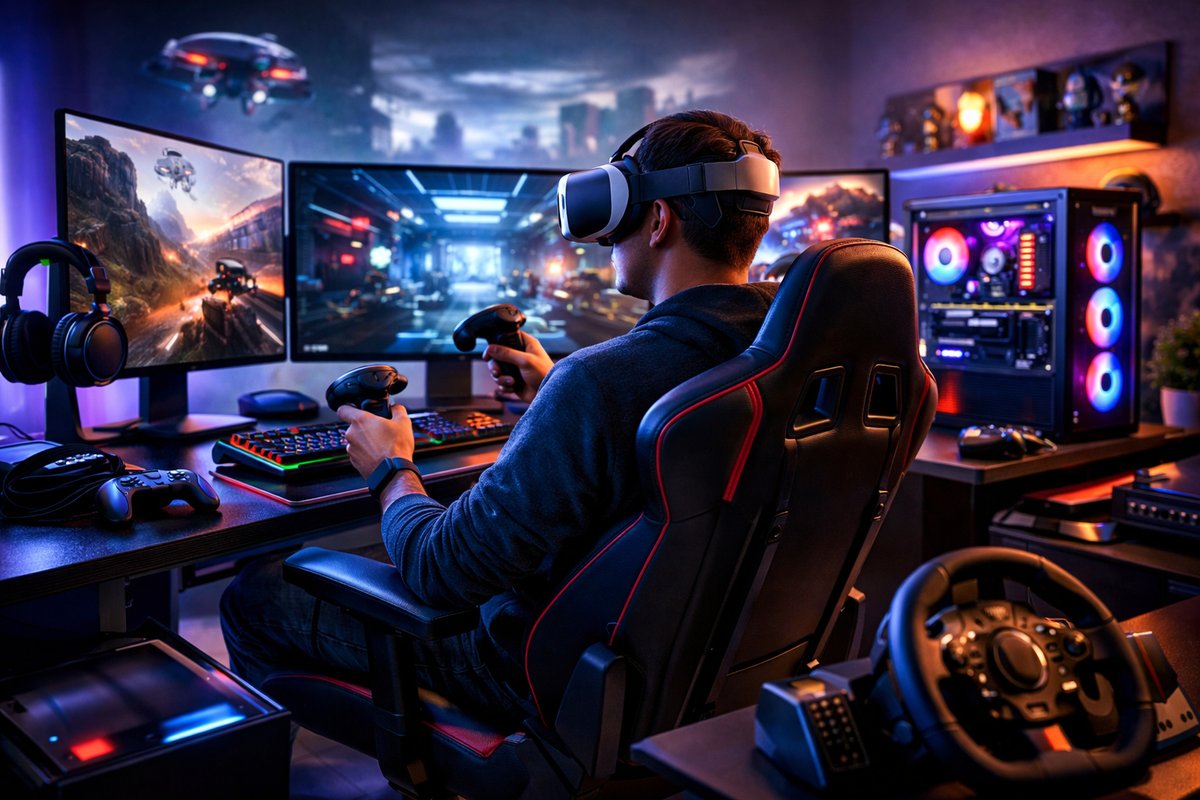
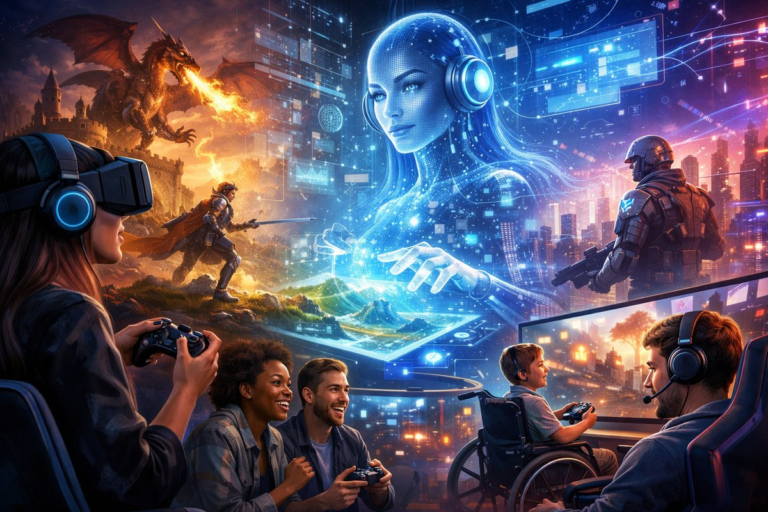
A surge in virtual reality adoption and next-generation hardware upgrades is transforming the gaming landscape. From high-refresh monitors to ergonomic chairs, players worldwide are treating play as serious business, investing in gear that amplifies immersion, performance, and social connection.
In recent months, the gaming community has witnessed a remarkable acceleration in hardware investment and immersive experiences. According to industry analysts, global consumer spend on gaming peripherals and rigs has jumped more than 15% year-over-year, signaling that players view their setups not merely as accessories, but as gateways into new worlds. Whether chasing high framerates in competitive shooters or losing oneself in sprawling virtual realms, today’s gamers are making substantial upgrades to ensure that every pixel, sound cue, and motion feels meticulously tuned.
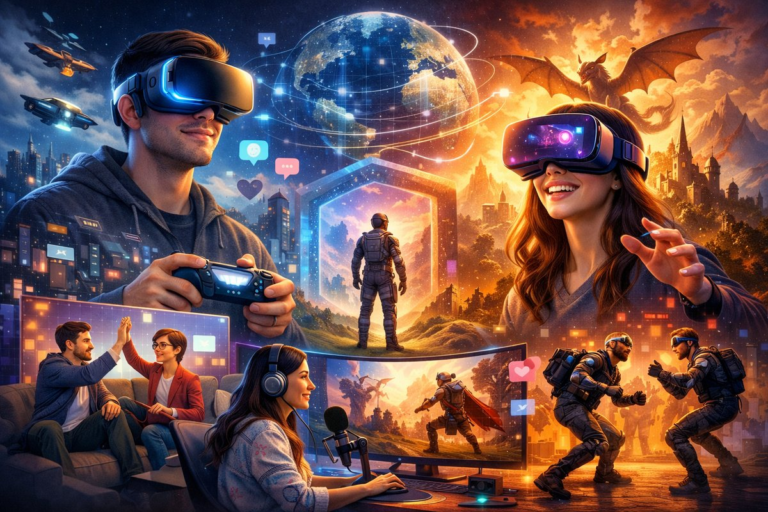
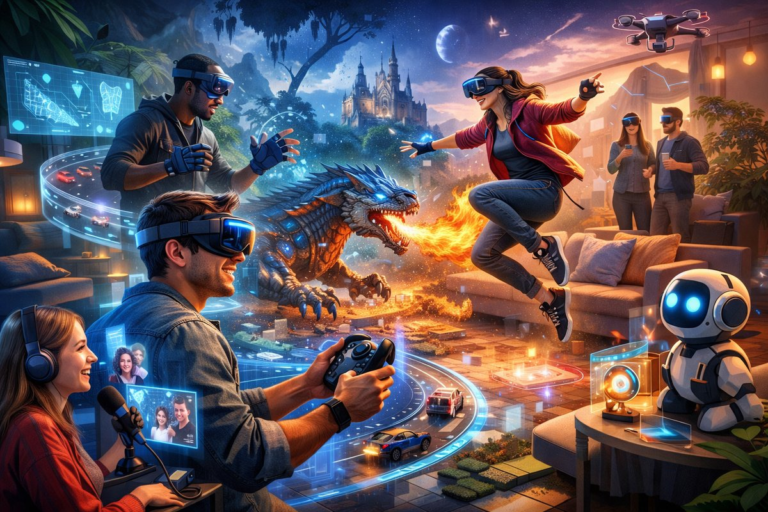
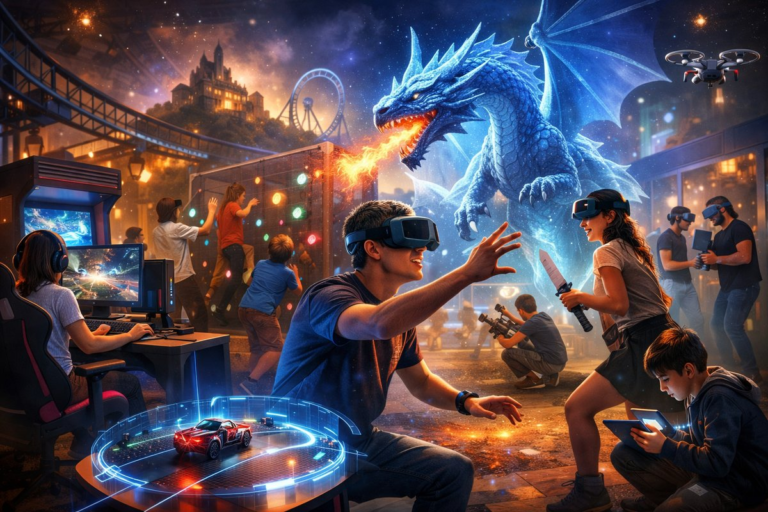
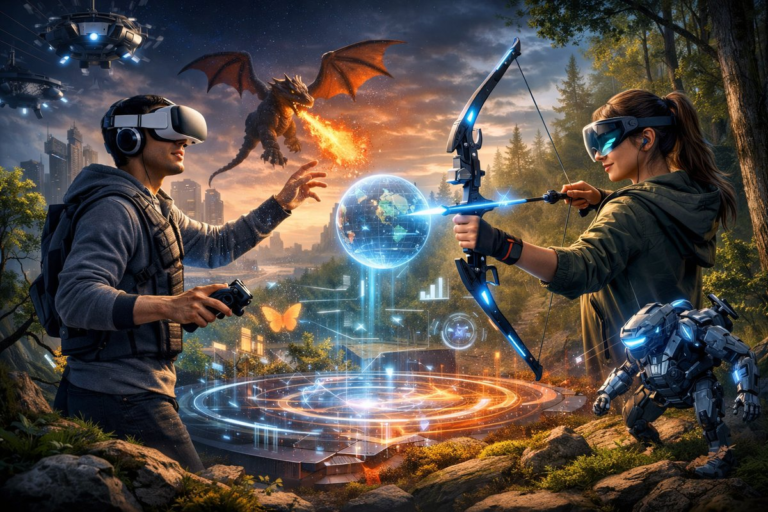
At the heart of this shift is the rapid adoption of virtual reality headsets. Once considered a niche luxury, VR headsets now account for a growing slice of annual console and PC hardware sales. Titles ranging from realistic space simulators to narrative-driven adventures have sparked renewed interest in immersive play. Industry reports show that first-person puzzle experiences and cooperative VR escape rooms are becoming staples on digital storefronts, attracting both veteran gamers and curious newcomers looking for fresh ways to interact with friends across the globe.
Concurrently, next-generation graphics cards and game engines are pushing visual fidelity to new heights. Ray-tracing technology, previously reserved for high-end workstations, is now accessible on midrange gaming PCs, enabling real-time reflections and dynamic lighting that blur the line between fantasy and reality. This visual leap, combined with frame-rate targets of 144Hz and beyond, has prompted many players to upgrade to high-refresh-rate monitors. The result: buttery-smooth motion in fast-paced genres and crystal-clear details in exploration titles.
Cloud gaming platforms are also reshaping the landscape. By offloading processing to remote data centers, these services allow players to access graphically demanding games on modest hardware or mobile devices. Recent expansions of server infrastructure have improved performance and reduced latency in key regions, making it easier than ever to jump into the latest AAA release without a cutting-edge PC. Yet for those who crave local control and maximum performance, the traditional model of custom-built gaming desktops remains as popular as ever.
On the competitive front, e-sports leagues continue to draw millions of viewers and offer lucrative prize pools. Professional teams are now equipping players with customized peripherals-tactile mechanical keyboards tuned for actuation speed, ultralight gaming mice for precision tracking, and studio-quality headsets for pinpoint audio cues. At the same time, amateur tournaments are on the rise, with regional organizers investing in rental hardware and broadcast setups to streamline the experience for participants and spectators alike.
The indie scene has also flourished alongside these hardware trends. Small teams experimenting with unique art styles or gameplay mechanics often rely on modular rigs and open-source controllers to prototype unconventional concepts. Community-driven modding remains a cornerstone of PC culture, with players creating custom cases, 3D-printed accessories, and software tweaks that push established titles into uncharted territory.
Streaming and content creation have become integral to many gaming setups. From ring lights that ensure consistent studio illumination to digital audio interfaces that capture every excited shout or strategic discussion, influencers are building mini-studios in bedrooms and living rooms. The availability of accessible, high-quality capture hardware has empowered a new generation of creators, fueling the growth of platforms dedicated to live-broadcast gameplay and editorial reviews.
Ergonomics has moved to the forefront of setup considerations. Extended gaming sessions demand chairs designed to support posture, desks that accommodate both PC towers and adjustable keyboards, and wrist rests that reduce strain during marathon practice runs. As awareness around repetitive-strain injuries rises, manufacturers have responded with designs that combine style, adjustability, and breathable materials.
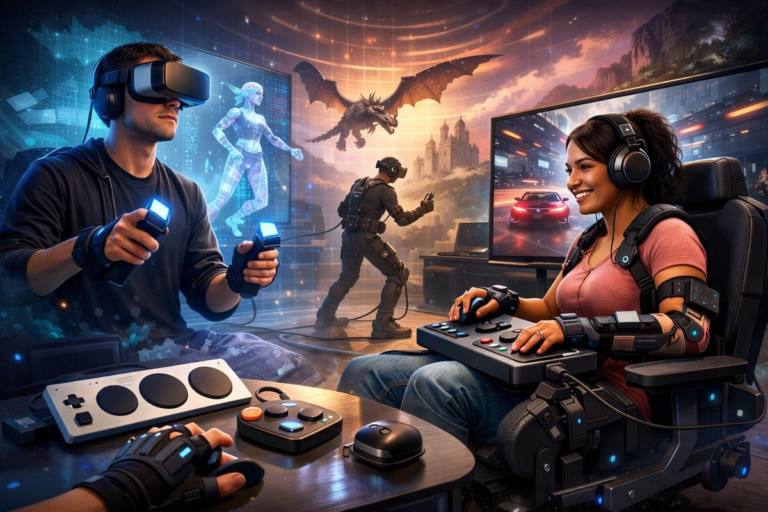
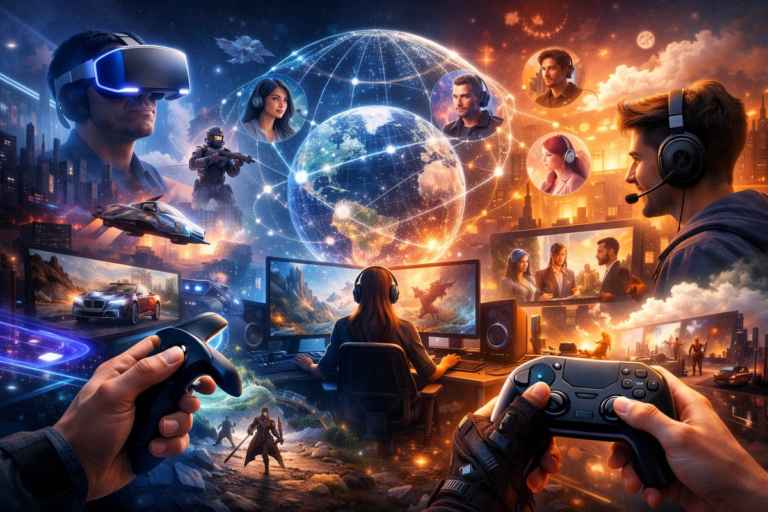
Platform choice remains a dynamic conversation. Consolidating libraries across PC, console, and mobile has never been easier thanks to cross-play initiatives. Many top titles now allow squads to team up regardless of hardware, fostering inclusivity and uniting players across device boundaries. This interoperability has also driven innovation in input devices, with modular controllers capable of adapting to multiple consoles or Bluetooth-enabled peripherals that switch seamlessly between platforms.
Complementary accessories play a critical role in bringing setups to life. Mechanical keyboards with per-key RGB backlighting let players assign visual cues to in-game actions, while high-performance gaming mice featuring adjustable weights and programmable buttons deliver the precision needed for top-level play. Noise-cancelling headsets equipped with virtual surround sound immerse users in environmental audio, from distant thunder to subtle footsteps in stealth missions.
Sustainability and upgradability are emerging as guiding principles for conscientious consumers. Instead of replacing entire systems every generation, many gamers opt for modular components-easily swapped GPUs, memory modules, and storage drives-that prolong the life of a rig and reduce electronic waste. Some small-form-factor cases even prioritize recyclable materials and tool-less assembly, enabling quick part swaps between seasons of competitive play or narrative DLC releases.
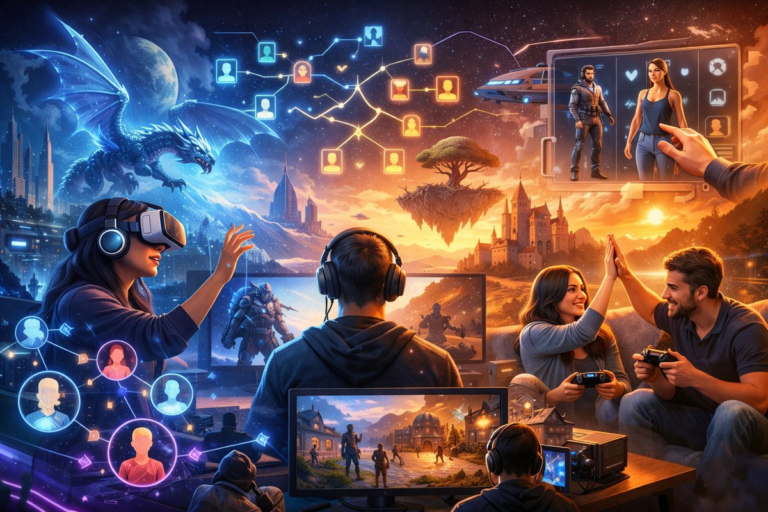
Beyond performance, play serves as a catalyst for social connection and mental focus. Collaborative quests in online worlds foster teamwork and creative problem-solving, while solo simulations encourage mindfulness and stress relief. Professional coaches are now applying gaming principles to corporate training, illustrating how strategic thinking and rapid feedback loops can sharpen decision-making in the boardroom as well as in battle arenas.
The convergence of hardware advances and software innovation has elevated gaming from a casual pastime to a richly layered ecosystem. As immersive worlds expand and setups become more personalized, players of all stripes are finding pathways to deeper engagement. Play, it turns out, is serious business-and the right combination of gear can transform every session into an experience that’s as functional as it is fun.