Location
Mount Vernon, WA 98274

Location
Mount Vernon, WA 98274
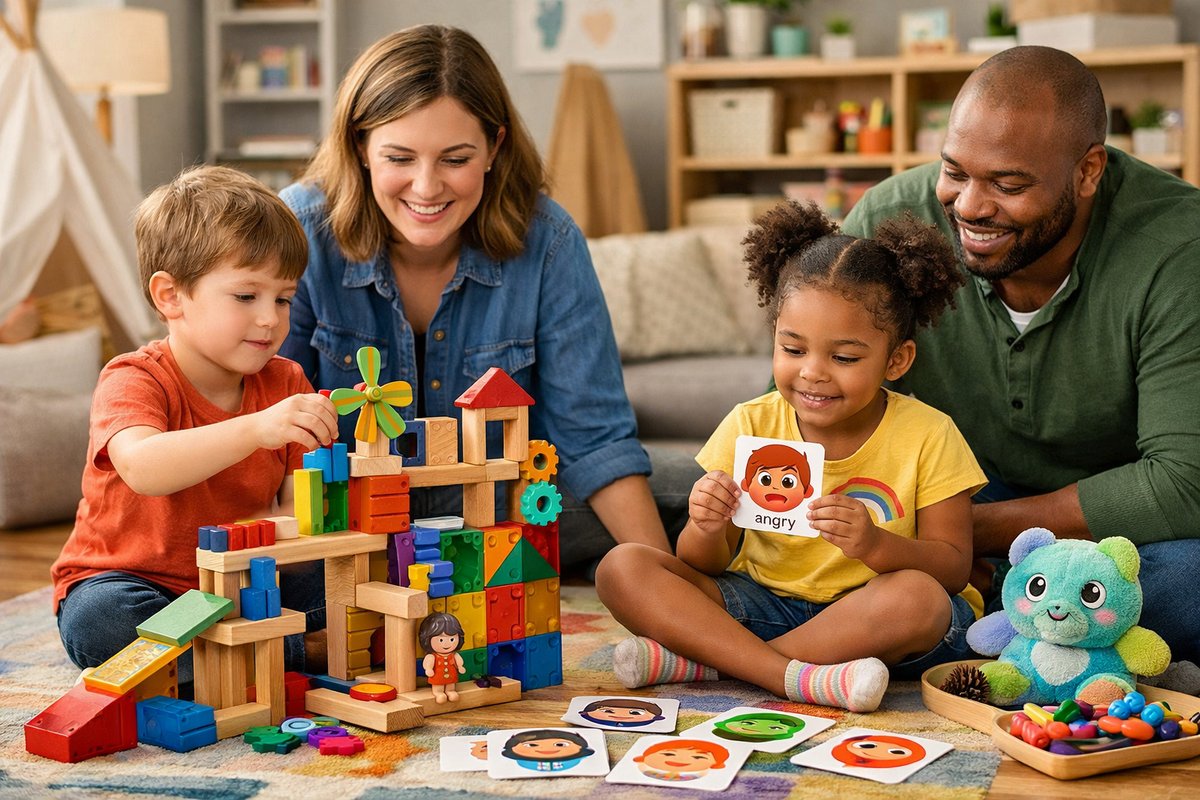
Across living rooms and playrooms, parents and educators are weaving together hands-on play and emotional growth techniques to spark curiosity and resilience in their children. From open-ended building sets to emotion-recognition cards, these tools are helping young learners explore ideas and feelings with equal enthusiasm.
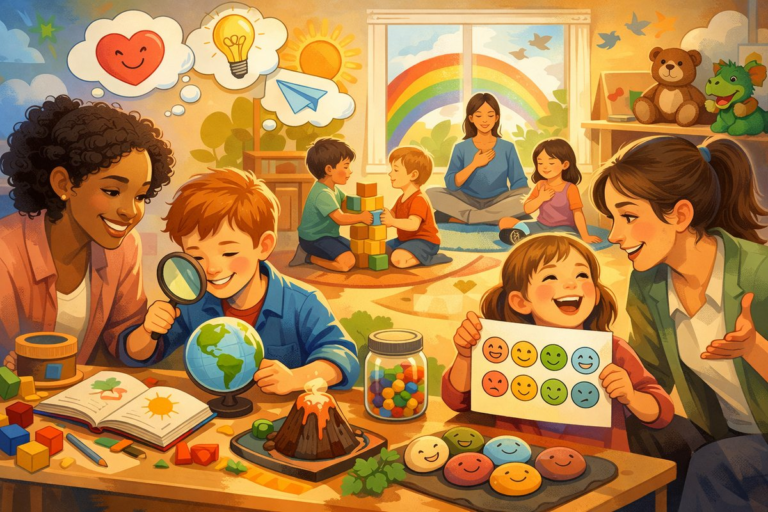
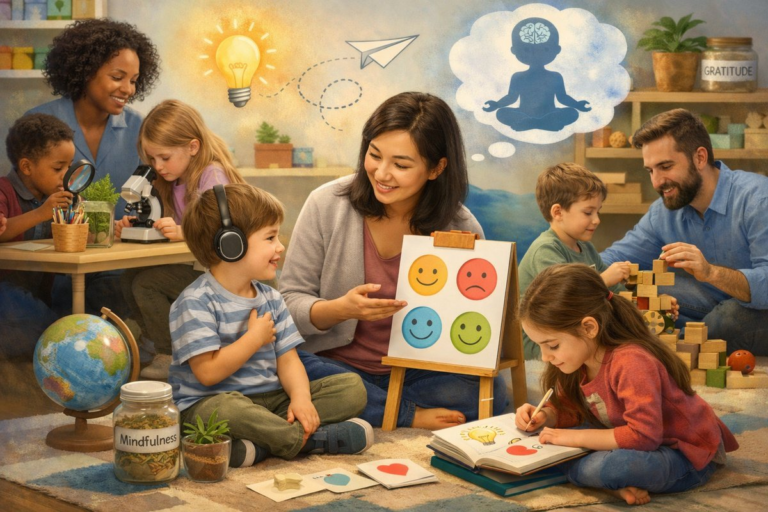
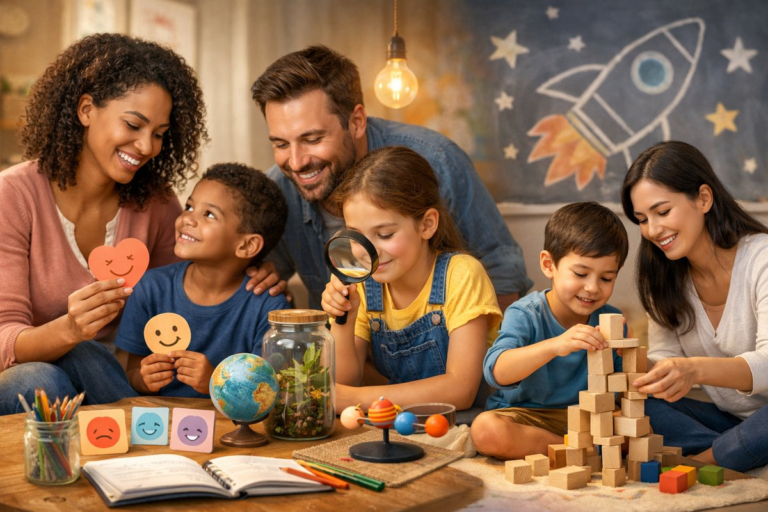
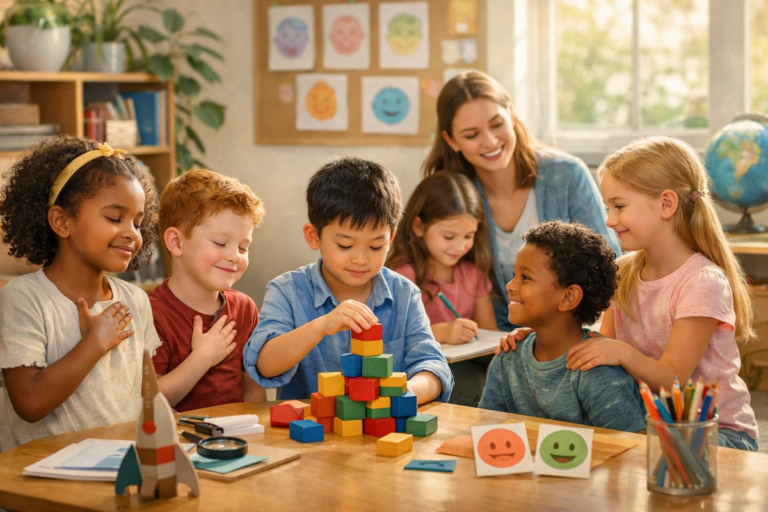
In a sunlit living room in Portland, a group of parents and their preschool-aged children gathered around a low table strewn with colorful wooden blocks, felt emotion cards, and soft sensory bins filled with rice and beads. Laughter rippled through the circle as children stacked towers, sorted cards showing a range of facial expressions, and scooped sensory grains into small cups. This monthly gathering, organized by caregivers in the local community center, blends open-ended play with guided conversations about emotions-offering a template for families eager to raise resilient, creative thinkers.
Interest in this hybrid approach has surged in recent months as more parents seek ways to support not only cognitive milestones but also socio-emotional skills. At a recent education summit in Seattle, developmental psychologists highlighted emerging research showing that play materials encouraging problem-solving and collaboration can accelerate both spatial reasoning and emotional regulation. One keynote speaker noted that when children tinker with a building set and pause to label that moment of frustration as “feeling stuck,” they learn to navigate challenges with curiosity rather than shutting down.
Open-ended construction sets are at the heart of many home learning corners. These kits-often composed of foam blocks, wooden dowels, or magnetic tiles-invites experimentation without strict instructions. Families report watching children invent new structures, test cause and effect, and iterate designs over multiple play sessions. Beyond boosting fine motor skills and early math concepts, these tools spark narrative play as well: a stack of foam rectangles might magically become a castle one day and a launchpad for paper rockets the next.
Yet play alone doesn’t guarantee emotional growth. That’s where emotion-recognition cards, calm-down jars, and sensory play bins enter the picture. In the Portland circle, mentors guide each child to flip through a deck of cards depicting faces showing happiness, disappointment, excitement, or worry. Young learners are invited to match cards to their own feelings after a challenging building attempt. Meanwhile, colorful jars filled with glitter suspended in clear gel offer a focal point for breathing exercises-children shake them to watch swirls settle as they slow their heartbeats and voices.
Designing a dedicated “learning nook” in the home has become a popular complement to these activities. Parents outfit corners of bedrooms or playrooms with soft floor cushions, low shelving for easy access, and baskets of art supplies. A well-lit reading zone might feature oversized sketchbooks, washable markers, and picture books arranged by theme-inviting kids to explore both words and illustrations. The tangible environment subtly reminds children that learning can be a multisensory adventure, not just a chore to be completed.
Digital resources have found their niche alongside tactile tools. Guided mindfulness story apps, children’s journaling templates, and interactive emotion-tracking games on tablets encourage kids to reflect in their own time. Caregivers often pair screen-based prompts with analog follow-ups-writing feelings in a journal and then drawing a calming scene on paper. This hybrid model respects the reality of modern parenting while reinforcing offline moments of connection and creativity.
A 2023 survey by a national education nonprofit found that 68 percent of families incorporating both play-based STEM materials and socio-emotional tools reported marked improvements in their children’s frustration tolerance and collaborative behaviors. Teachers in early childhood centers have noticed fewer outbursts and more group problem solving-traits parents say were nurtured at home through consistent use of emotion-labeling exercises and hands-on play sessions.
Despite the benefits, challenges remain. Access to quality materials can be unequal, and some families struggle to carve out time for structured play circles amid busy work schedules. Sustainability is another concern: many kits rely on plastics that wear out quickly. In response, a growing movement of caregivers is seeking secondhand or sustainably made components-wood blocks certified by forest-stewardship programs, recycled-paper flashcards, or DIY calm-down jars repurposed from household jars and eco-friendly glitter alternatives.
Ultimately, the joy of raising thinkers comes down to fostering agency and wonder. When children learn they can engineer towering creations, name their emotions, and design their own calming strategies, they internalize a sense of competence. As one Portland parent reflected, watching her daughter pause mid-play to take three deep breaths before trying a new tower design “felt like magic”-not just for the playroom, but for the confidence blossoming across all areas of her life.