Location
Mount Vernon, WA 98274

Location
Mount Vernon, WA 98274
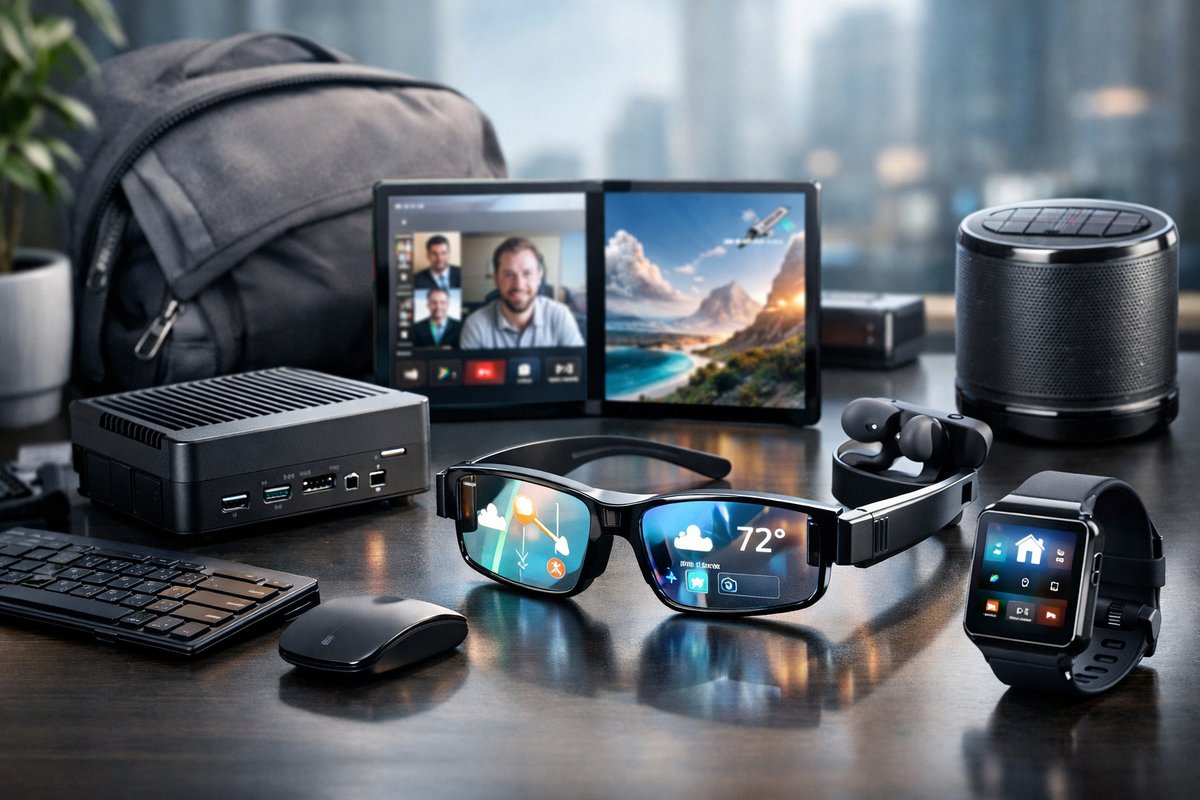
A new generation of compact gadgets is redefining how we work, play, and stay connected. From fanless mini PCs that fit in a backpack to smart glasses with heads-up displays, these innovations are reshaping daily routines with power, convenience, and sustainability at their core.
The frontier of personal technology is shifting away from bulk and complexity toward sleek, multifunctional gadgets that slip easily into your daily life. In coffee shops and commuting hubs around the globe, you’ll now find pocket-sized workstations, battery-boosted power banks, and wearable displays designed to blend quietly into the background while packing surprising capabilities. This latest wave pairs high-end processors with low-energy screens and foldable e-ink panels, reflecting a growing demand for devices that deliver performance without costing the earth-or draining your day in front of an outlet.
In the realm of compact computing, fanless mini PCs powered by energy-efficient chipsets are carving out a new niche. These aluminum-cased micro-desktops weigh under a pound, yet they can handle multitasking chores from video conferencing to light content editing. Some models integrate solid-state storage and NVMe slots, cutting launch times to under five seconds. They slip into backpacks alongside notebooks and cables, making them ideal for remote workers and digital nomads who crave full desktop horsepower without the noise and heat of traditional towers.
But computing isn’t just shrinking in size-it’s getting smarter at the edge. Developers are embedding miniature neural processing units into networked devices, enabling on-board AI functions like offline voice recognition and real-time video analysis. This means you can ask your smart speaker to translate foreign phrases without sending audio across the internet, or install a compact security sensor that filters out false alarms by distinguishing pets from intruders. With privacy concerns on the rise, keeping sensitive data local has become a major selling point.
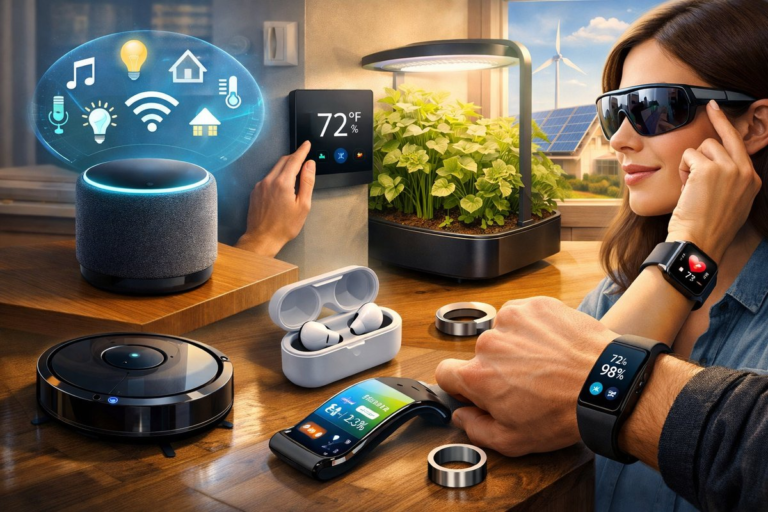
Audio tech has also undergone a quiet revolution. Wireless earbuds with adaptive noise cancellation and high-resolution codecs now rival full-size headphones for clarity and battery life. Some buds use multi-mic beamforming to isolate your voice during calls in bustling cafes, while others switch seamlessly between devices when you move from laptop to smartphone. Even without flashy branding, these little gadgets have become essential tools for anyone who needs focus in a crowded world.
Meanwhile, visual experiences are escaping the constraints of fixed screens. Near-eye displays built into smart glasses are making heads-up notifications feel less intrusive and more intuitive. Early waveguide designs offer monochrome overlays for directions, message previews, or real-time language subtitles-ideal for travelers navigating city streets with local phrases projected discreetly in their line of sight. The technology is still maturing, but as battery life and field of view improve, lightweight optical solutions could one day replace smartphones for quick interactions.
A surprising comeback story has emerged with e-ink devices. Once confined to dedicated e-readers, electronic paper screens are now finding their way into flip-phone-style smartphones and dual-screen tablets. When folded closed, an e-ink cover displays notifications, calendar entries or call logs without waking the main display. This hybrid approach can stretch a single charge across days rather than hours, appealing to those who prize simplicity and long battery cycles over constant full-color engagement.
At the center of many of these innovations lies a commitment to sustainability. Manufacturers are experimenting with recycled aluminum enclosures, ocean-bound plastic trimmed components and replaceable battery packs. Modularity is creeping back into design: SSD bays sit alongside user-swap expandability slots, and repair-friendly screws and clips are replacing sealed glue. This shift aims to extend the lifespan of devices, reducing e-waste and encouraging upgrades of individual parts instead of entire units.
Let’s not overlook the resurgence of pocket projectors. Leveraging DLP and LED illumination, modern handheld projectors deliver crisp 1080p images at brightness levels suitable for presentations in small conference rooms or impromptu movie nights outdoors. Some models weigh less than 12 ounces and integrate Bluetooth audio outputs, meaning you can wirelessly beam your latest slides or favorite streaming app onto any blank wall without hauling bulky AV equipment.
In startup garages and research labs, engineers are already grafting new materials onto these form factors. Flexible OLED and micro-LED arrays promise ultra-thin foldable panels that curve around backpack straps or serve as bendable side screens on laptops. Graphene coatings are being tested for heat dissipation, while ceramic casings offer both toughness and elegant finishes without adding weight. These material breakthroughs could redefine what “portable” really means across all gadget categories.
The push for ever-smaller gear hasn’t neglected ergonomics. Compact mechanical keyboards with programmable macro layers provide tactile feedback in a fraction of the footprint of standard layouts. Their low-profile switches and ramped keycaps shorten travel distance, reducing fatigue during marathon typing sessions. Some designs even split into two halves, letting users adjust hand position and shoulder posture for healthier coding or writing stints.
Battery technology stands to benefit next. Solid-state cells and silicon anode prototypes promise faster charging, higher capacity and improved safety compared to conventional lithium-ion packs. While these advancements haven’t fully reached consumer shelves, we’re already seeing high-density power banks that push past 20,000 mAh in compact shells, letting travelers power up laptops and phones for several days between wall outlets.
To tie all these threads together, consider a day in the life of a modern commuter. Their bag holds a mini PC, an e-ink flip device, a noise-cancelling earbud case and a slim power bank. At a café, they connect a portable projector to host a quick presentation, then switch to the smart glasses on the subway to read messages discreetly. They finish the day with a few pages on an e-ink secondary reader, then top off devices with a high-speed charger before bed. This ecosystem prioritizes efficiency and longevity over flashy bling, supporting an on-the-go lifestyle that’s both productive and mindful.
Innovation here isn’t driven by raw performance numbers alone but by a focus on context-aware utility. Devices now anticipate how they’ll be used: they manage power behind the scenes, adapt to noisy environments, and offer unobtrusive displays that blend into your field of vision. Whether you’re a digital nomad, a remote worker or simply someone who values technology that works as hard as you do without getting in the way, this evolving gadget lineup has something to offer.
While the pace of change can feel relentless, the underlying trend is clear: the best tech of tomorrow won’t be about adding more pixels or cores, but about crafting tools that fit naturally into our routines, protect our privacy and extend the lifespan of the planet’s resources. The next breakthrough may be just around the corner-or tucked into a pocket right now.