Location
Mount Vernon, WA 98274

Location
Mount Vernon, WA 98274
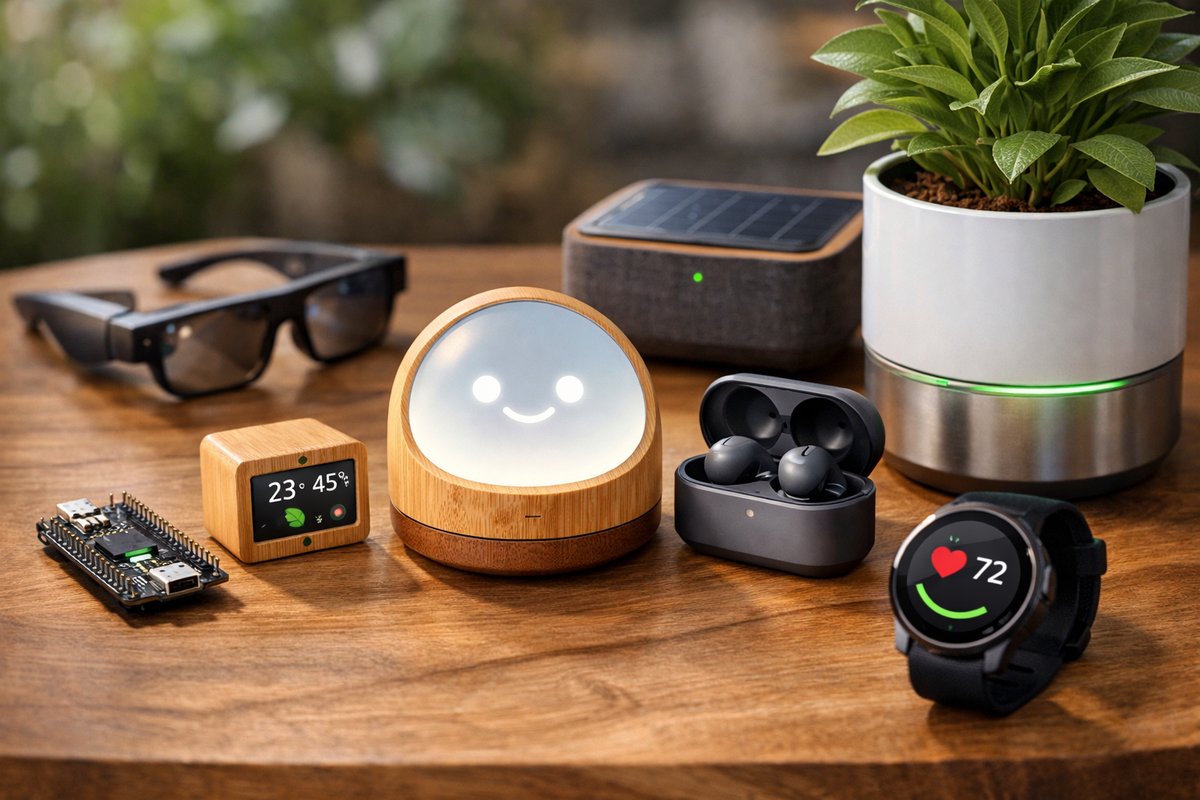
From pocket-friendly microcontrollers to intelligent home tools, a new generation of gadgets is blurring the boundaries between utility and delight. Discover how ultra-compact devices, sustainable materials and emotionally attuned interfaces are reshaping our routines.
In living rooms, commuter trains and kitchen counters around the world, a quiet revolution is underway. Gadgets once confined to science fiction-palm-sized computers, ambient sensors and adaptive wearables-are now woven into the fabric of daily life. Far from mere novelties, these inventions foster new habits, streamline tasks and even respond to our moods. As miniaturization meets artificial intelligence and eco-friendly design, a fresh wave of innovation is ushering in tools that feel less like gadgets and more like companions.
Smaller Circuits, Bigger Impact
Years ago, the power of a desktop computer would have filled an entire closet. Today, a single microcontroller the size of a postage stamp can host advanced networking features, onboard storage and programmable interfaces. Hacking communities worldwide have long celebrated these pocket computing platforms for DIY robotics, remote weather stations and custom smart home hubs. More recently, manufacturers have introduced boards with integrated machine-vision modules, enabling developers to prototype gesture-recognition systems that detect hand movements or wrist-mounted sensors that monitor blood-oxygen levels on the fly.
Businesses and hobbyists alike have embraced this upgrade in capabilities. In one university challenge, engineering students built autonomous microdrones weighing under 100 grams, outfitted with ultrasonic obstacle detectors and edge-AI chips. Elsewhere, agricultural cooperatives are deploying soil-moisture sensors powered by tiny solar cells, transmitting data over low-power wide-area networks to optimize irrigation schedules in remote fields. These successes underscore a key truth: big innovations often begin with small packages.
Wearables That Feel Human
As gadget sizes contract, design focus pivots from raw specs to user experience. Wearable rings, smart pendants and flexible wristbands are emerging as discreet platforms for health tracking, contactless payments and even digital identity tokens. Instead of bulky screens, they rely on haptic feedback, LED indicators and companion smartphone apps. Some devices now incorporate capacitive touch zones and voice-triggered commands, so they can perform tasks like parking ticket payments or transit fare processing with a simple tap or spoken phrase.
Emotional intelligence has become an unexpected frontier. A wave of wellness wearables aims to recognize stress patterns by analyzing heart-rate variability, galvanic skin response and sleep quality metrics. When signs of tension surface, these gadgets can prompt breathing exercises, ambient soundscapes or on-the-spot guided meditations. Early user studies report that participants wearing such tools feel more centered and better able to manage anxiety during busy workdays.
Smart Tools for the Connected Home
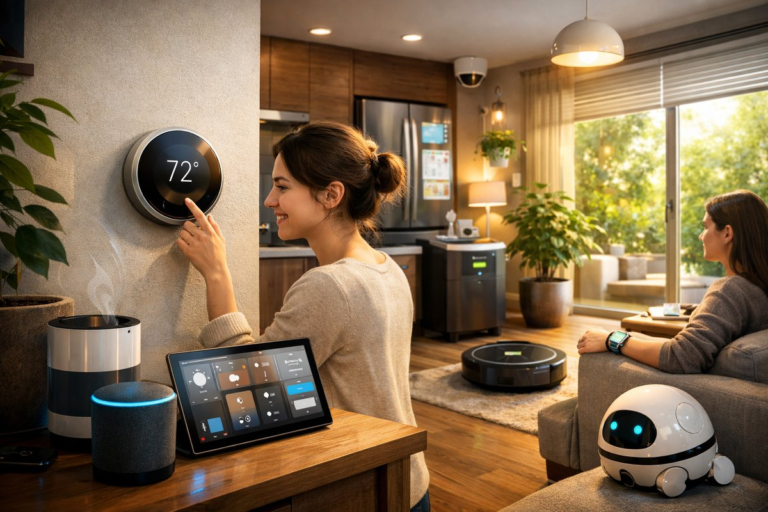
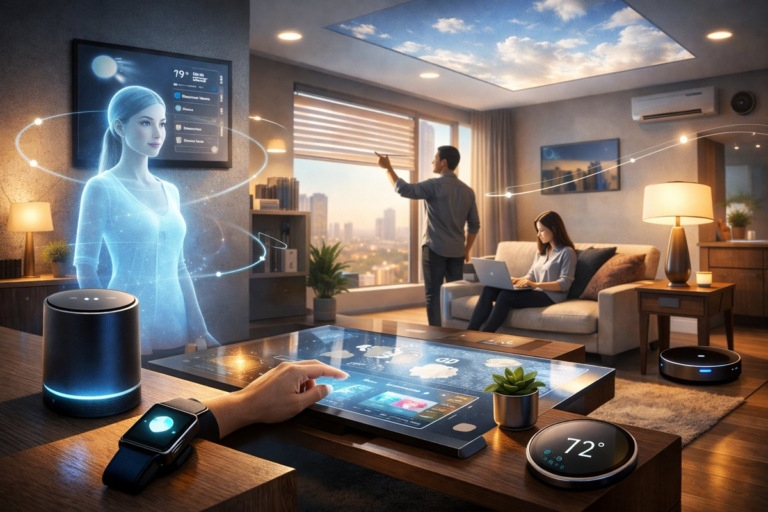
The era of clunky network gateways and tangled cables is fading fast. Home-automation kits now offer snap-together modules for air-quality monitoring, leak detection and personalized lighting scenes. Minimalist control hubs can be tucked behind furniture, relying instead on voice or gesture commands paired with smartphone dashboards. Many smart triggers are powered by tiny coin-cell batteries or energy-harvesting circuits, avoiding the need for frequent charging or complex wiring.
One standout trend is modularity: homeowners can mix and match sensors, relays and actuators just like building blocks. A garden enthusiast might start with a soil-sensor probe to track moisture, then add an automated drip-irrigation valve and a weather station module to fine-tune watering based on real-time forecasts. The same platform can later expand to control window shades, smart locks and air-filtration fans. This “start small and grow” approach lowers the barrier to experimentation and reduces e-waste, since users upgrade individual components instead of replacing entire systems.
Eco-Friendly Materials and Energy Harvesting
As urban centers contend with mounting electronic waste, designers are exploring biodegradable plastics, recycled metal alloys and natural fiber composites for gadget enclosures. A recent partnership between material scientists and consumer-electronics firms yielded a smartphone case made from agricultural byproducts, achieving 80 percent bio-content without sacrificing drop-resistance or water-repellency. Startup accelerators are backing initiatives to reclaim rare earth magnets and circuit boards, refining processes that separate precious metals without toxic solvents.
Meanwhile, microfluidic energy harvesters and ultra-efficient solar cells are making batteryless operation a realistic goal for low-power sensors. Flexible photovoltaics laminated onto windowpanes can trickle-charge interior sensor networks, while tiny piezoelectric harvesters convert footsteps into electric pulses to power door-unlocking mechanisms. Although these innovations still face challenges in scaling and cost, they hint at a future where smart devices sustain themselves through ambient energy.
Design Aesthetics: Form Meets Function
Gone are the days when tech gadgets looked industrial and utilitarian. Today’s innovators draw inspiration from biomimicry, art deco and minimalist architecture. Seamless curves, gradient finishes and hidden controls turn everyday electronics into objets d’art that complement home decor. In one recent crowd-funded project, a foldable Bluetooth keyboard disguised as a leather notebook opens like a journal and unfolds into a full-sized wireless input device. In another, a desk lamp integrates an air-purification filter and wireless charging pad under a single sleek canopy.
Color palettes and material choices are guided not only by trends but also by emotional impact. Designers recognize that accessories worn or used daily carry psychological weight: soft textures, warm metallic accents and tactile buttons all contribute to feelings of comfort, trust and delight. Even status lights-which historically glowed harsh blue-are now offered in gentler hues or customizable RGB streams that signal notifications without jarring the senses.
Privacy, Security and Ethical Data Practices
As gadgets grow smarter, data collection becomes more pervasive. Sensors that track physiological signals, speech patterns or location data can offer tremendous value but also carry privacy risks. Forward-thinking manufacturers now emphasize on-device processing, end-to-end encryption and user-controlled data retention policies. This ensures that sensitive information remains under the owner’s control rather than rented to distant cloud servers.
Open-source firmware and hardware certifications help build trust. Some smart-home kits adopt privacy-first architectures, allowing encrypted peer-to-peer communication so that motion detectors and cameras never send raw footage beyond the local network. When cloud connectivity is required-such as voice-assistant integrations-users receive granular permission toggles and real-time activity logs. By balancing ease of use with transparency, these devices foster a healthier relationship between owners and their digital partners.
Choosing Tools That Fit Your Life
With so many options vying for attention, how can consumers identify gadgets that truly add value? First, consider the problem you want to solve. Pocket computers excel at custom projects and learning to code; modular home sensors shine when you need flexibility and scalability; emotionally aware wearables can support wellness routines. Next, look for ecosystems that allow upgrades without total reinvestment. A core smart-hub platform with interchangeable modules will outlast one-off single-purpose devices.
Pay attention to user communities, documentation and open-source resources. Active forums and comprehensive tutorials accelerate setup and encourage creative applications. Finally, don’t overlook build quality and repairability. Gadgets with replaceable batteries, screw-on panels and clear disassembly guides can last years rather than becoming disposable trash after a minor fault.
A Glimpse Beyond the Horizon
While foldable screens and augmented-reality glasses often grab headlines, the true frontier of everyday tech may lie in “invisible” intelligence: adaptive surfaces that shift translucency on demand, fabrics woven with conductive threads, and brain-computer interfaces that translate thought into commands. Imagine kitchen cabinets that reorder themselves based on cooking patterns, or running shoes that adjust cushioning mid-stride. Some labs are even prototyping wearable neural sensors that provide real-time mood analytics, paving the way for devices that respond not just to touch or voice, but to intent.
Even as AI capabilities accelerate, the spirit of curiosity and hands-on exploration remains central. From garage tinkerers to university researchers, innovators are pushing boundaries with open hardware, shared blueprints and low-cost components. The outcome? A rich ecosystem of tiny tech that empowers individuals to customize tools for personal, social and environmental impact. As these mini marvels proliferate, our everyday routines will transform-becoming more responsive, sustainable and, above all, more human.
Tiny inventions can open vast horizons. Whether you’re soldering a sensor board at a kitchen table or slipping on a gesture-controlled wristband before your morning run, you’re participating in a collective experiment. The next time you reach for a pocket-sized device, consider the story behind it: a tale of materials reclaimed from waste, algorithms honed by community feedback and design decisions informed by empathy. Taken together, these details define not just gadgets, but a new philosophy of living: lightweight on resources, heavy on imagination.
Across the spectrum-from microcontrollers powering environmental projects to emotionally attuned wearables steering wellness practices-the frontier of innovation is built on curiosity and sustainability. As these smart tools seep into every corner of our lives, they carry the promise of augmented experiences that don’t distract us, but instead help us stay rooted in what matters most.