Location
Mount Vernon, WA 98274

Location
Mount Vernon, WA 98274
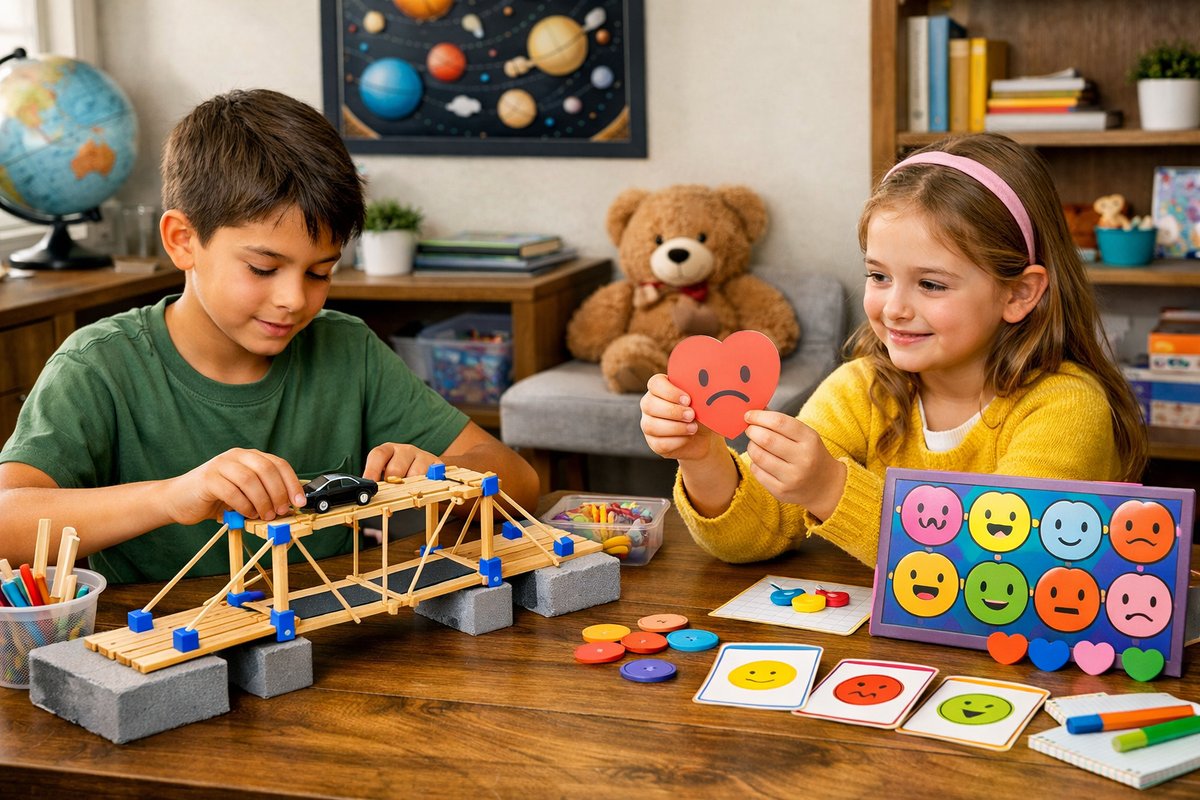
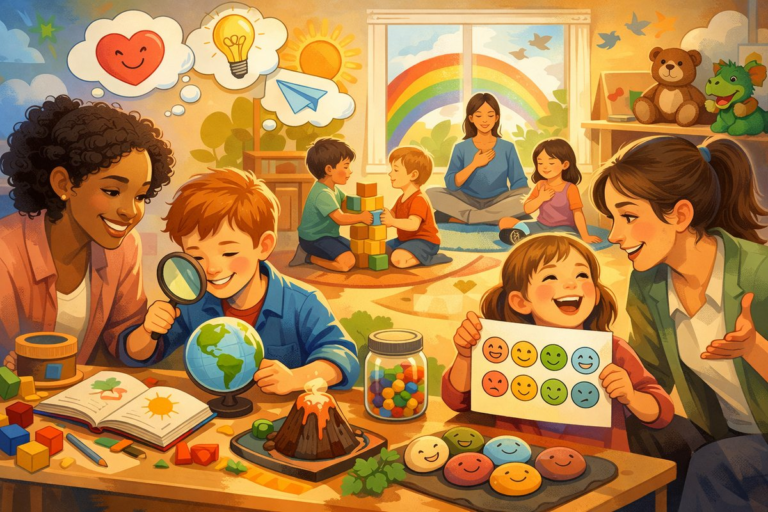
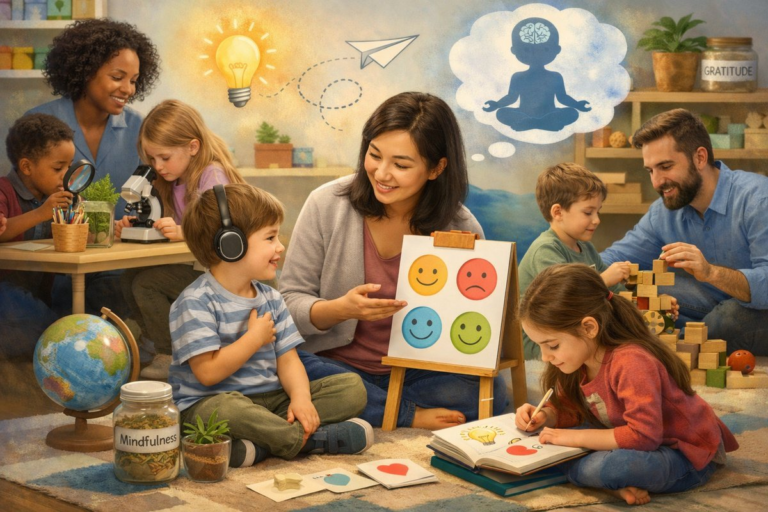
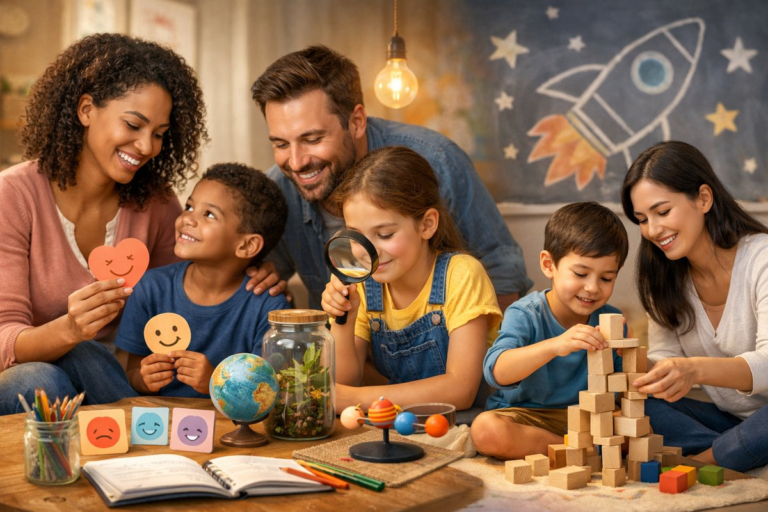
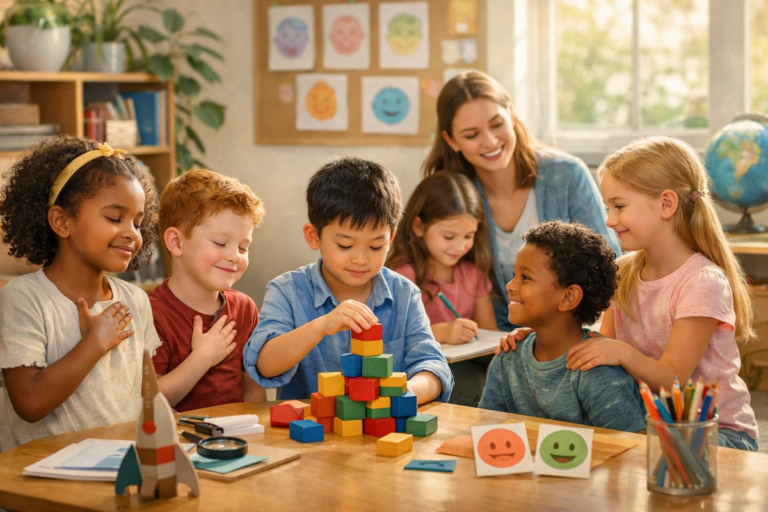
A recent study highlights how integrated play kits, combining hands-on STEM challenges with emotional awareness activities, are reshaping at-home learning. Parents across the country report deeper connections and stronger problem-solving skills as children build bridges one day and share feelings the next.
A wave of new home learning tools is bridging the gap between logical reasoning and emotional awareness, according to a recent peer-reviewed study published in Early Childhood Research Quarterly. Researchers evaluated more than 120 preschoolers over eight weeks, measuring gains in spatial reasoning alongside improvements in emotional vocabulary. The findings coincide with the launch of a nationwide initiative that delivers curated play kits combining building sets, coding challenges, and guided emotion check-in activities to families.
The study found that children using integrated play kits experienced a 35 percent boost in STEM task completion rates and a 28 percent increase in accurate emotion labeling, compared with a control group relying on separate science and social-emotional tools. Observers noted that when a young learner assembles magnetic shapes one moment and names an internal feeling the next, neural pathways governing both executive function and self-regulation appear to strengthen in tandem.
“This is about more than block towers or robot commands,” says an early childhood education specialist involved in the research. “We’re witnessing genuine shifts in how kids tackle frustration, navigate teamwork, and connect their hands-on skills with an understanding of what’s happening inside.” Experts emphasize that pairing STEM tasks with emotion-focused prompts helps children practice resilience when their creations topple and articulate comfort when they feel stuck.
Each play kit in the new initiative includes a modular building set with color-coded connectors, a child-friendly coding robot that responds to simple directional commands, emotion flash cards paired with a pocket-sized reflection journal, and sand timers that guide breathing breaks. Parents are encouraged to weave open-ended questions into construction challenges-“What might your robot feel if it can’t climb?”-so that problem solving and emotional check-ins flow naturally.
Through guided prompts, families learn to pause when a structure collapses and ask questions like “How did that make you feel?” before resetting the next build. Parents report that these brief interludes of emotional discussion dissipate power struggles and turn accidental setbacks into opportunities for empathy and adaptability. One mother observed, “My son now names his frustration and takes a moment to breathe instead of grabbing another piece and rushing to rebuild.”
Consider the case of a four-year-old who struggled with sharing materials. After pairing a group coding puzzle with a simple emotion chart, she began expressing jealousy as “my robot feels lonely.” That vocabulary shift paved the way for her to ask a friend for help rather than snatch pieces, demonstrating how STEM collaboration and social-emotional learning reinforce each other.
Emotional literacy remains a critical foundation for later academic success, researchers point out. Early abilities to identify and manage feelings correlate with stronger reading comprehension and math scores in elementary school. By embedding emotion check-ins into hands-on STEM play, families can build that foundation at home, long before formal schooling begins.
On the STEM side, children handling coding challenges with a playful robot show marked improvements in sequencing, logic, and cause-and-effect reasoning. The combination of tactile building tasks and digital coding commands helps kids grasp abstract concepts more readily. One five-year-old in the study noted, “When I see my robot move, I feel proud,” highlighting how emotional feedback amplifies learning gains.
The integrated approach also addresses the overwhelming number of single-purpose tools flooding the market. Instead of purchasing separate science kits, emotion workbooks, and digital gadgets, families now have consolidated boxes that invite seamless transitions from mechanical puzzles to reflective journaling. Parents appreciate the streamlined setup and the way each component echoes the next.
A survey conducted by the Family Learning Consortium found that 68 percent of parents who adopted these mixed-focus kits in the past six months report a higher quality of parent-child interactions during play. Nearly 60 percent said siblings played more cooperatively when they shared materials and took turns prompting each other to describe feelings alongside problem-solving steps.
Experts recommend carving out a regular routine-just 20 to 30 minutes a few times a week-for guided play. Setting up the materials in a designated learning corner signals to children that this is a special time for both brain challenges and emotional growth. Even short sessions can yield noticeable shifts in attention span and mood regulation.
Early childhood centers are taking note, too. Some preschools plan to pilot similar combined kits in classroom stations, aiming to create synergy between home and school experiences. Educators believe that shared tools and language around feelings and STEM vocabulary will smooth transitions and deepen learning transfer.
Families also value the sustainability aspect. Most kits include durable pieces made from recycled plastic or responsibly sourced wood, and printable activity guides reduce paper waste. The initiative’s privacy policy ensures that any digital interactions with the coding robot happen locally, without sending personal data to external servers-addressing a growing concern among tech-savvy parents.
As the lines between academic disciplines blur and the emotional health of young learners gains equal footing, experts anticipate broader adoption of hybrid play tools that honor both mind and heart. With ongoing feedback loops between researchers, educators, and families, the next generation of at-home learning products could spark curiosity while nurturing resilience, empathy, and collaborative skills-qualities that will serve children long after their block towers stand tall.