Location
Mount Vernon, WA 98274

Location
Mount Vernon, WA 98274
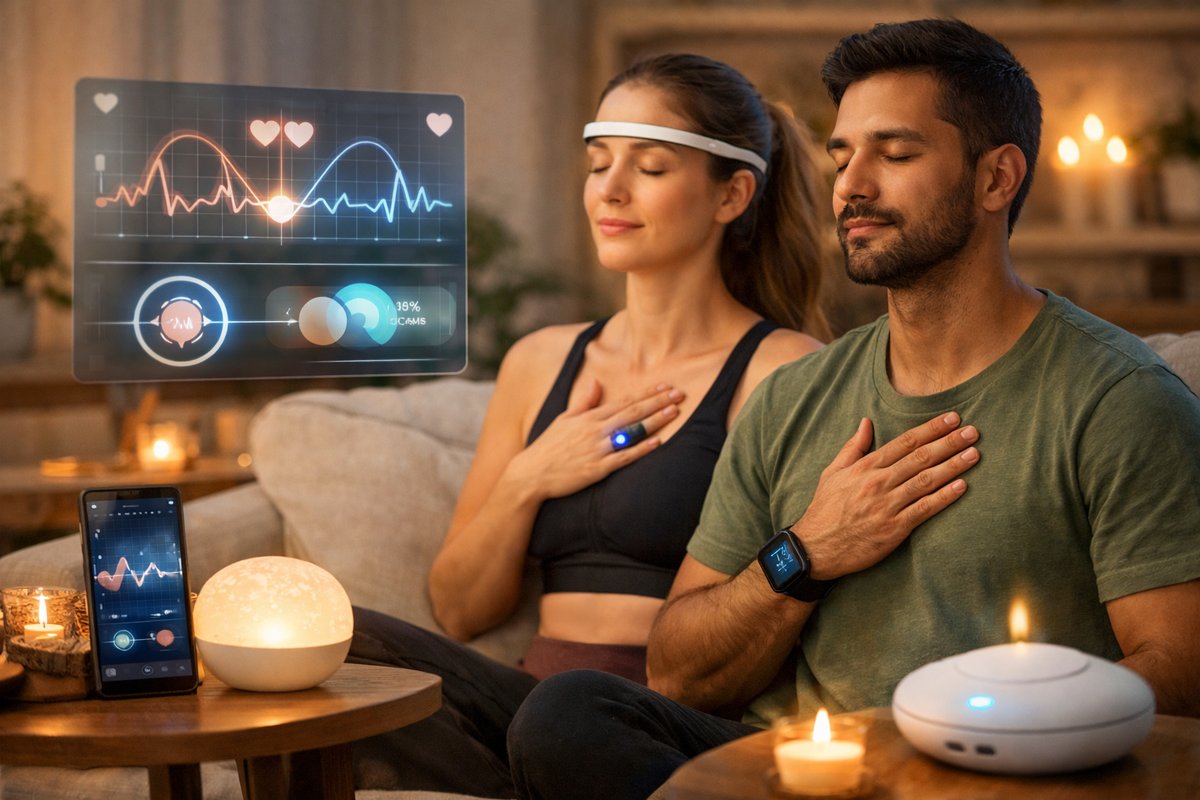
An emerging wave of biofeedback wearables and guided breathwork tools is reshaping how couples communicate, regulate emotions, and rebuild intimacy. Experts say combining data with gentle rituals can transform conflict into collaborative growth.
In living rooms around the world, a subtle shift is unfolding in how couples navigate emotional highs and lows. No longer satisfied with traditional date nights or weekend getaways alone, many partners are turning to biofeedback wearables and handheld breathwork devices to forge deeper connections and resolve conflicts with science-backed rituals.
Just a few years ago, the idea of slipping on a sensor-laden wristband or placing a clip-on heart rate monitor on one’s ear for a date night might have sounded clinical or intrusive. Today, it’s increasingly common. A recent study published in the Journal of Marital Psychology found that couples who incorporated guided breathing exercises supported by real-time heart rate data reported a 20 percent reduction in conflict intensity within eight weeks. Rather than viewing tech as a distraction, these couples see it as an emotional mirror-one that reflects hidden tension and invites mindful dialogue.
Behind this movement is a blend of behavioral science, mindfulness practice, and the expanding market of personal wellness devices. Biofeedback-teaching people to gain awareness of physiological functions such as heart rate or skin conductance-has long been used to manage stress or chronic pain. Now couples are borrowing the same tools to learn each other’s emotional rhythms.
Early adopters describe a ritual that marries technology with tenderness. After dinner, partners strap on slim heart rate monitors or put on biofeedback headbands. They open a breathwork app that cues inhalations and exhalations, all while live data visualizations dance on a tablet or TV screen. As heart rates synchronize and breathing patterns align, a shared sense of calm emerges. When one partner’s data spikes-an early sign of tension-they can pause the session and check in before frustration boils over.
Experts point to this real-time feedback as a game changer.
A licensed marriage counselor notes, “In typical therapy, we ask couples to reflect on how they felt after a fight. Tech gives them that information instantly.” Immediate insight can interrupt the spiral of blame and shame. Instead of saying “You always…,” a partner might observe together, “Our heart rates jumped when we talked about finances. How can we approach that topic differently next time?” It reframes conflict as a shared puzzle.
Couples also appreciate the privacy of at-home sessions. In recent years, the stigma around couples therapy has lessened, but some still resist the idea of inviting a stranger into their personal lives. Biofeedback sessions offer a guided, self-directed alternative. Paired with a mindfulness journal-where partners record emotions, triggers, and mutual observations-these rituals create a scaffold for growth that feels both structured and entirely their own.
A mid-sized tech startup that specializes in wearable meditation bands reports a 150 percent surge in sales among customers who buy two devices at once. Through anonymized surveys, the company found that paired users engage in joint sessions almost three times per week on average. Many describe the experience as a form of digital co-presence, one that persists even when they’re physically apart. A handful of couples have even experimented with remote sessions: each partner wears a monitor and streams data to the other’s device, allowing for virtual co-regulation on business trips or during long work shifts.
Beyond biofeedback, breathwork tools have become a must-have accessory in the romance toolkit. Handheld devices that guide users through slow inhales and exhales often integrate gentle haptic vibrations to signal inhale and exhale cues. These devices range from elegant palm-sized gadgets to discreet necklaces that can double as jewelry. By focusing on breath, partners cultivate a shared anchor when emotions threaten to run wild.
Critics warn of over-reliance on gadgets, cautioning that no device can replace open communication or empathy. They urge couples to treat technology as a supplement, not a cure-all. Seasoned therapists advise alternating digital sessions with unplugged rituals-like singing a song together, cooking without screens, or taking a brief digital detox walk. The goal is balance: use data to illuminate patterns, but lean on heartfelt conversation to explore underlying needs.
Cultural shifts are accelerating this trend. As remote work blurs the boundaries between professional and personal spaces, couples face unusual stressors-from juggling simultaneous video calls to sharing one home office. The traditional boundary between “work stress” and “home life” has dissolved. Biofeedback rituals provide a tangible boundary-a deliberate pause that signals “now we tune in to us.” This structured interlude helps partners transition from workplace mode to relationship mode, paving the way for focused empathy.
Notably, these practices are not confined to early-stage relationships or high-tech enthusiasts. Couples married for decades report newfound joy in rediscovering each other through data. One pair of empty-nesters described their weekly biofeedback sessions as a kind of post-retirement hobby-combining lighthearted competition (whose heart rate stays steadier during a guided relaxation challenge) with candid vulnerability. The same tool that once supported an athlete’s training has become a mirror for marital resilience.
Alongside high-tech options, a cottage industry of analog companions has emerged. Mindful couples are gifting each other guided journals designed for two voices. These books include prompts that encourage partners to record daily appreciations, reflect on small moments of kindness, and propose micro-rituals for the week ahead-like sharing a sunrise coffee or writing a one-sentence poem about the other. The act of writing by hand fosters presence in a way that tapping on a screen cannot replicate.
The intersection of biofeedback and creativity has also inspired “sensory kits” billed as DIY at-home retreats. These kits combine aromatherapy rollers, textured massage balls, and handcrafted breathing guides printed on silk. One popular version includes a pair of simple finger labyrinths-small wooden devices that couples trace with their fingertips while sharing silent presence. When paired with a guided-breath device, the labyrinth becomes a tactile meditation for two.
For couples seeking community, local studios and co-working spaces are launching “couple co-regulation” workshops. These sessions mix biofeedback coaching, guided breath circles, and shared storytelling exercises. Attendees describe an uplifting sense of solidarity-recognizing that emotional turbulence is a universal experience, not a personal failure.
Therapists and relationship coaches caution that these interventions still require intentional follow-up. Without reflection, raw data can feel cold or confusing. Experts recommend framing tech-assisted sessions with three simple steps: setting a clear intention (“We want to practice calm listening”), engaging in the biofeedback ritual, and debriefing with open-ended questions (“What did you notice about my breathing pattern when I brought up work stress?”).
Looking ahead, the next frontier may involve virtual reality environments where couples can practice conflict resolution in simulated spaces. Early prototypes let partners choose calming digital landscapes-like a mountaintop sunrise or moonlit forest-and pair immersive visuals with pulse-sensing wearables. There’s a poetic symmetry in using virtual worlds to deepen real-world bonds.
Ultimately, the embrace of biofeedback and breathwork speaks to a broader yearning: the desire to be seen, understood, and supported with emotional intelligence. In a culture that prizes productivity and individual achievement, couples are reclaiming relationship-building as a skill to be practiced with curiosity, care, and-yes-a bit of high-tech flair.
Whether you’re newly in love or navigating decades of shared history, the tools may vary, but the impulse is the same: to bridge the gap between head and heart, data and dialogue. And in that space between the inhale and exhale, partners can chart a course toward greater empathy, resilience, and joint adventure.