Location
Mount Vernon, WA 98274

Location
Mount Vernon, WA 98274
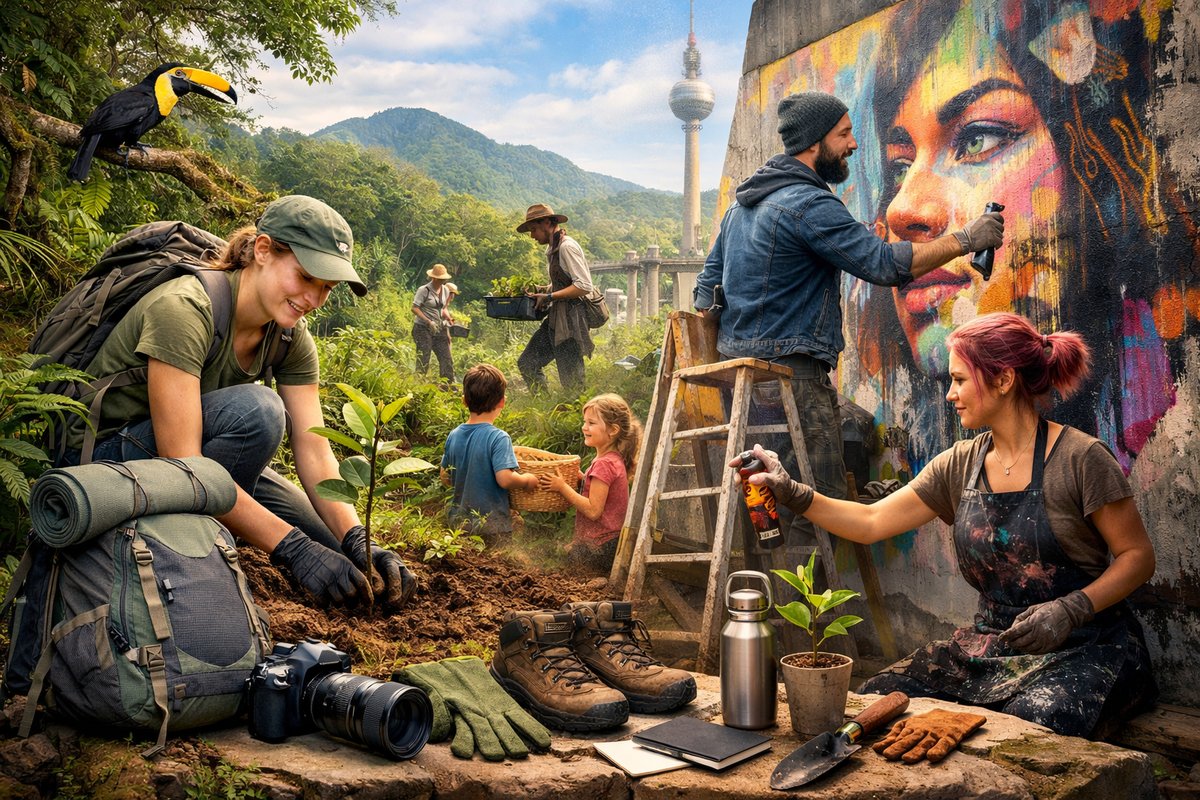
A growing wave of explorers is moving beyond traditional sightseeing to forge meaningful connections with local communities and ecosystems. From reforestation treks in Costa Rica to urban art collaborations in Berlin, this news report examines how impact-focused journeys are reshaping the travel landscape and what gear makes these expeditions possible.
When travel blogger Sofia Ramirez arrived in Costa Rica last spring for a so-called eco-retreat, she didn’t expect to spend half her days planting trees alongside rural farmers. But by the end of her ten-day journey, she had helped reforest a hillside threatened by erosion, learned traditional cacao-processing techniques and stayed in a solar-powered eco-lodge managed by a local cooperative. “It was the most vibrant, hands-on travel experience I’ve ever had,” she says. “It felt like more than just a vacation – it was real work that mattered.”
Ramirez’s trip is part of a rising tide in travel patterns: a shift from passive sightseeing to active, community-driven adventures. In the last two years, travel platforms report a 45% increase in bookings for volunteering programs, cultural immersion stays and conservation treks. A survey by a leading online booking site found that 70% of modern travelers now rate “meaningful engagement” as a top priority when planning a holiday, just behind price and convenience.
Industry analysts say this trend has accelerated as more people seek ways to offset the environmental and social impacts of their journeys. Traditional “bucket-list” tourism still thrives, but a new model is emerging: travelers who want to leave a positive footprint, support underserved communities and come home with skills and memories that last well beyond a selfie.
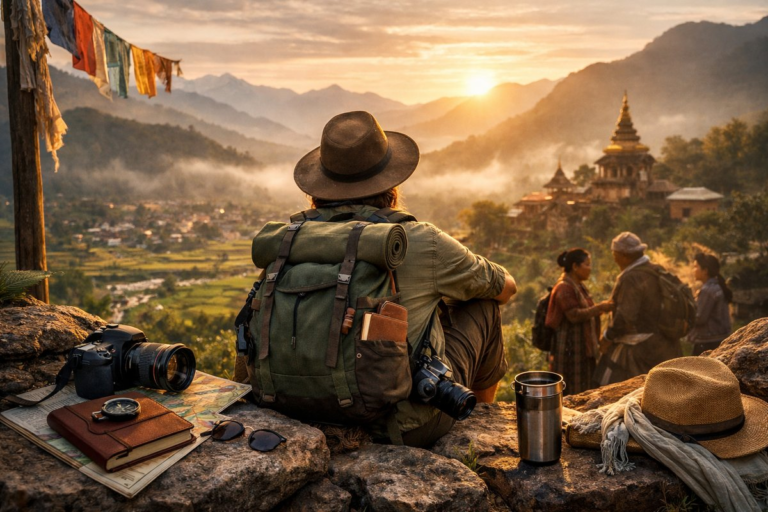
In Nepal, for example, community-run lodges high in the Himalayas are transforming local economies. Visitors trek up to remote villages where they stay in family-owned guesthouses, purchase handmade wool garments from women’s cooperatives and contribute a small conservation fee for trail maintenance. At one lodge, travelers learned to spin yak wool into yarn under the guidance of longtime artisans. Locals report that these enterprises have helped stem youth migration from mountain villages by creating new income streams.
Meanwhile, in European cities, collaborative art-tourism projects are forging unexpected connections between residents and newcomers. In Berlin, a series of neighborhood mural workshops brings travelers and local youths together to repaint walls with community-inspired designs. Participants practice German, share street-food recipes and build a sense of ownership over urban spaces often marked by gentrification. The result is a living art gallery that evolves with each visitor.
Experts point out that this new wave of “purposeful travel” isn’t without hurdles. Authentic partnerships with communities require time and transparency. Travelers often grapple with how to verify that their fees and labor truly benefit locals, rather than feeding into exploitative volunteering gigs. To address these challenges, certification bodies and platforms have sprung up to vet programs, ensuring fair pay, ethical project design and clear impact metrics.
Back in Costa Rica, Ramirez’s eco-lodge partner is audited annually by an international sustainability nonprofit. Participants receive a detailed impact report at the end of their stay, showing how many trees were planted, how much carbon was sequestered and the income boosts for partner farmers. “Seeing those numbers makes you realize you’re part of something measurable,” she says.
Travel gear companies are also adapting to meet the needs of these engaged explorers. Durable daypacks made from recycled materials now include built-in rain covers, hydration reservoir pouches and modular attachment points for cameras or clippers. Field journals with waterproof pages are cropping up alongside pocket guides for native plants and wildlife identification. Solar chargers tailored for multi-day treks have become a staple in packing lists for anyone who wants to keep a smartphone or small device running without relying on grid power.
Of course, not every purposeful trip requires international airfare. Domestic programs have seen a similar surge. In the American Southwest, travelers join hands-on trail-building crews in national parks, learning leave-no-trace techniques and basic trail-maintenance skills. Participants describe the camaraderie formed while digging drainage ditches and strengthening footpaths under a desert sun. Park rangers say these volunteer efforts help close critical gaps in understaffed maintenance budgets.
Local tour operators have begun offering hybrid itineraries that blend light hiking, cultural exchanges and service-oriented activities. One gateway town in Arizona pairs travelers with Navajo elders to learn traditional weaving, then invites them to help restore sections of nearby canyon trails. Such multi-element trips cater to diverse interests while ensuring that benefits flow directly to community artisans and land managers.
As these experiences proliferate, travel insurance providers are even rolling out specialized policies that cover volunteer work, gear loss during conservation projects and medical evacuation in remote areas. Group leaders emphasize the importance of proper training, clear risk assessments and basic first-aid know-how for all participants. “Adventure with impact comes with responsibilities,” notes one program director in Peru. “You need the right education, planning and equipment to ensure everyone stays safe and effective.”
For those intrigued by these community-driven journeys, experts recommend a few key steps: research program credentials, ask detailed questions about local partners, request impact reports and pack sustainably. Reusable water containers, solar chargers, compact first-aid kits and multipurpose daypacks are among the travel essentials that make longer stays in rural or off-grid areas both comfortable and low-impact.
Travelers who’ve participated in these programs often return home with new perspectives on global challenges and fresh ideas for local action. Ramirez, for instance, now organizes volunteer cleanup hikes in her hometown park and hosts slide shows to raise funds for the Costa Rican cooperative she visited. “It’s full circle,” she says. “Your journey doesn’t end when you land back at home. It’s just the beginning of a different kind of adventure.”
As the travel industry continues to rebound, the growth of purpose-driven itineraries signals a broader evolution. No longer content with fleeting snapshots, a rising generation of explorers wants to leave meaningful legacies in the places they visit. With thoughtful planning, credible partnerships and the right gear, those legacies can take root in forests, neighborhoods and deserts around the world-long after the plane lights dim in the distance.