Location
Mount Vernon, WA 98274

Location
Mount Vernon, WA 98274

A wave of travelers is redefining what it means to escape-crafting journeys woven with sustainability, cultural immersion, and personal growth. From reef rehabilitation projects to off-grid writing retreats, these purposeful trips blend adventure with impact, proving that every stamp in the passport can leave a positive mark.
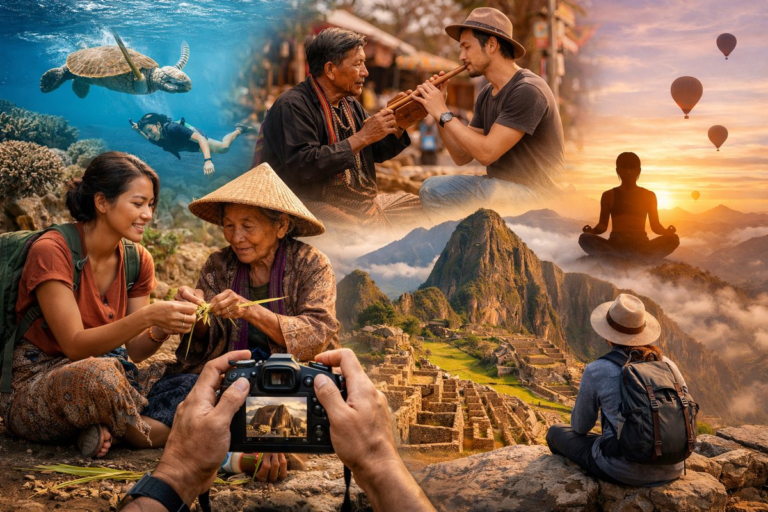
When a group of digital nomads swapped co-working cafes for coral reefs, their weekend getaway became a month-long odyssey of hands-on marine conservation. Meanwhile, another wave of seekers is opting for off-grid writing retreats in mountain cabins powered by solar panels. Across continents, travel is shedding its checklist mentality in favor of journeys that blend cultural curiosity, environmental stewardship, and self-reflection.
Last spring, volunteers set sail from a small harbor town on the archipelago’s southern coast. Their mission? To restore bleached corals and monitor sea turtle nesting sites. Armed with reef-safe sunscreen, mesh collection bags, and waterproof notebooks, they dove into turquoise waters teeming with marine life. Each morning began with a citizen-science briefing over coffee brewed in portable percolators. In the afternoons, participants took turns sketching reef maps or compiling underwater video logs on rugged tablets built to withstand salt spray.
The local dive guides-graduates of a sustainable tourism program-led workshops on coral taxonomy and reef restoration techniques. By day five, volunteers were transplanting laboratory-cultivated coral fragments onto damaged reef fronts. By the tenth, they’d documented improvements in local fish populations and shared findings with regional marine research centers. Travelers returned home not just with sun-kissed memories but with data packets to inform future conservation efforts.
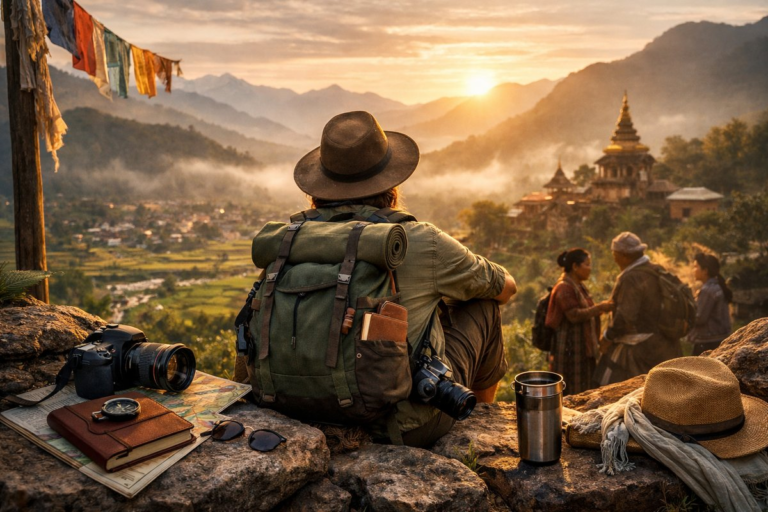
Thousands of miles inland, a different kind of purposeful escape was unfolding. At a mountainside lodge accessible only by hiking trail, a rotating roster of authors, poets, and travel writers mixed typewriter clacks with wood-fire whistles. The retreat is powered entirely off-grid: solar arrays charge lithium batteries that run LED lanterns and a satellite hotspot. Rainwater is collected in stainless steel barrels and filtered on demand through ceramic filters. Guests pack lightweight sleeping quilts and journal sets to record their breakthroughs under the starlit sky.
Workshop facilitators-who once freelanced in fast-paced urban newsrooms-share notebooks full of narrative prompts, mindfulness exercises, and collaborative storytelling games. The emphasis is on slowing down: forgoing scrolling through social feeds in favor of pen-to-paper reflection. Evenings conclude with group readings around a fire pit, the only soundtrack that of crackling wood and distant owl calls.
These distinctly different trips share a common thread: an underlying purpose beyond sightseeing. According to a recent report from the Global Adventure Travel Association, travelers are now 40 percent more likely to choose experiences that support local communities, conserve biodiversity, or foster personal development than they were just five years ago. Sustainable accommodations, volunteer-driven itineraries, and immersive cultural exchanges have shifted from niche offerings to mainstream options. Travel agencies and booking platforms are responding by vetting partners based on impact metrics, like carbon offset contributions and local sourcing practices.
Back on the islands, expedition leaders recount how participants often arrive with preconceived notions of eco-tourism-only to discover the real impact happens when you’re elbow-deep in data entry or patching reef tiles with epoxy resin. One volunteer explained: “I thought I’d just snorkel and smile for photos. Instead, I’m now part of a network that tracks hatchling survival rates. It’s changed how I think about my carbon footprint and what I owe to the oceans.”
Cultural immersion is another pillar of purposeful travel. In rural highlands, farmers are inviting small groups of travelers to join in coffee harvests. Visitors learn how to cherry-pick ripe beans, ferment them using local yeast strains, and roast on traditional wood-fired drums. In exchange, they contribute to co-op funding that builds schools and water systems for the community. “When I sip the coffee next morning, I’ll remember not just the flavor but the faces and stories behind each cup,” said one guest who’d booked the program after hearing about it on a sustainable travel podcast.
On the technological front, potential barriers to off-grid experiences are shrinking. Portable solar chargers with foldable panels can now power cameras, drones, and backpacks fitted with smart batteries. Satellite internet hotspots have become more affordable and reliable-keeping participants connected enough to upload research logs without tethering them to a desk. Lightweight water-filter bottles and biodegradable waste bags are making zero-trace travel a tangible goal, even in remote regions.
Emerging trends suggest that multi-week journeys combining volunteerism, skill-building, and cultural exchange are on the rise. A recent survey found that 62 percent of travelers aged 25 to 40 intend to book trips incorporating at least one purpose-driven component-be it wildlife monitoring, language immersion, or rural entrepreneurship clinics. Tour operators are responding by knitting these elements into modular itineraries. Travelers can swap a kayaking leg for a day of teaching English at a local school, then join community leaders to craft sustainable crop-rotation plans.
Why is purpose-driven travel resonating now? Experts point to social media fatigue, growing awareness of climate change, and a desire for deeper connections in an increasingly digital world. Instead of scrolling through someone else’s curated highlights, many prefer to script their own narratives-stories that matter to them and to the people whose lives they touch.
“I don’t need another photo of a crowded temple,” said a recent graduate who spent two weeks building low-impact trail markers in a mountain park. “I want a memory of teaching a local child how to forage edible plants safely, then cooking a meal together. That shared moment stays with you.”
Even thrill-seekers are reimagining adventure through a purpose lens. Surfers are gathering to collect microplastics from shorelines between sets. Mountain bikers combine trail-building days with alpine clean-ups. Backpackers document water-quality readings in remote valleys, sharing data with environmental nonprofits.
This shift toward meaningful travel carries real economic implications. Local businesses that embrace sustainable practices often see increased support and higher revenue per visitor. Community cooperatives, once sidelined by large-scale tourism, are now beneficiaries of direct funding and capacity building. And travelers themselves report greater overall satisfaction-measured not by how many landmarks they check off, but by the emotional resonance of their journey.
Purpose-driven itineraries will continue to evolve as travelers demand transparency, authenticity, and measurable impact. Booking platforms are experimenting with “Impact Scores” that aggregate a trip’s carbon footprint, community benefits, and wildlife conservation outcomes. Social networks dedicated to cause-based travel let participants share real-time updates on the reef health indices they’re collecting or the number of seedlings planted in a reforestation project.
Ultimately, travel with purpose invites us to become active participants rather than passive observers. It reframes every itinerary as a living story-one shaped by collaboration, learning, and tangible outcomes. Whether you’re patching reef fragments beneath the sun or crafting prose by candlelight in a forest cabin, these experiences remind us that our journeys can be as impactful as they are unforgettable.