Location
Mount Vernon, WA 98274

Location
Mount Vernon, WA 98274
From packing a lightweight backpack to pausing at a hidden mountain shrine, modern travelers are seeking journeys rich in purpose. This article traces their experiences and highlights essential gear that turns a simple trip into a lasting memory.
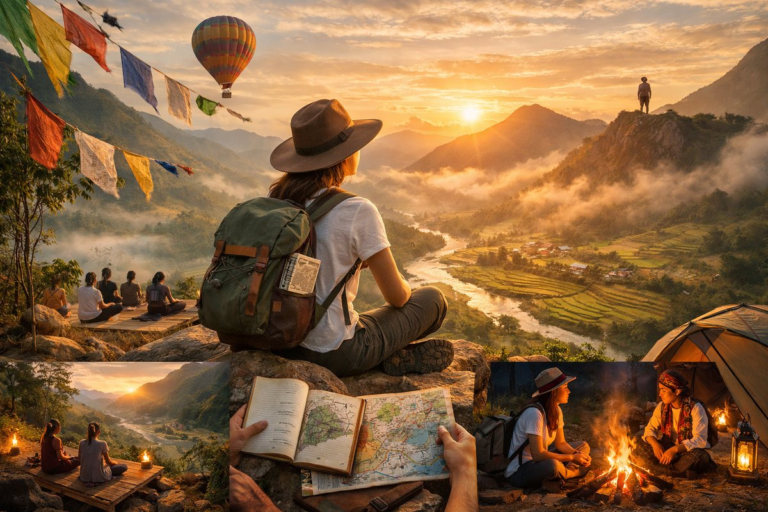
At dawn in a misty mountain pass, a solitary traveler pauses to sip steaming tea from a collapsible cup. Below, rolling hills vanish into clouds, and every breath tastes of pine and possibility. This is no ordinary vacation snapshot; it’s the culmination of months spent planning a path that balances challenge, reflection and community. In recent months, more explorers are rejecting cookie-cutter itineraries in favor of journeys with mindful intent-road trips transformed into story maps, gravel trails turned into life lessons, and local homestays blossoming into cultural exchanges.
Across Europe’s backroads, cyclists pedal through medieval hamlets and sunflower fields, carrying solar panels on panniers to charge cameras that document fleeting moments: a grandmother weaving baskets in a sunlit courtyard, children chasing goats down a dusty lane, or a wildflower meadow shimmering at sunset. Those cameras have become companions that demand a purposeful eye-seeking patterns of life rather than gathering feeds of generic scenery. Travelers learn that gear is only as good as the experiences it supports.
In the foothills of the Himalayas, a group of trekkers made headlines by weaving local conservation initiatives into their itinerary. At base camp, they helped clear plastic waste from glacial streams before summiting remote passes. Packing microfilter water systems and sturdy hiking boots allowed them to traverse unstable terrain safely. Each morning’s stretch of sore muscles became a reminder of why the trek mattered-every step contributing to scientific data collection on melting ice and endangered flower species.
Asia’s rural countryside also beckons those craving slower rhythms. A recent rail journey along Japan’s Kurobe Gorge united passengers around a shared ritual: pausing at scenic overlooks armed with sketchpads and graphite pencils. Travelers swapped stories and sketches while sipping green tea from reusable bottles. With a connectivity hiatus onboard, creativity flourished. One passenger noted that turning off smartphones unlocked deeper awareness of landscape details-the way morning mist curled around pine needles or how river currents carved smooth stones.
Meanwhile, in East Africa’s savanna, safari-goers are adopting low-impact practices that respect wildlife rhythms. Instead of roaring past in diesel jeeps, small electric vehicles now ferry guests to hidden watering holes at dawn. Photographers use mirrorless digital cameras equipped with telephoto lenses, catching intimate images of a young lion cub investigating termite mounds. Afterward, they back up images to solid-state drives in solar-charged field tents. Data from their sightings help researchers monitor herd movements and anticipate human-wildlife conflicts.
Closer to home, weekend warriors exploring national parks are trading themed T-shirts and oversized coolers for modular clothing layers and collapsible cookware. At dispersed campsites, they gather around compact camping stoves, flipping tortillas on cast-iron skillets before daybreak hikes. Sturdy water filters turn crystalline creeks into safe hydration sources, reducing reliance on single-use bottles. Each choice becomes a small pledge toward sustainability and discovery.
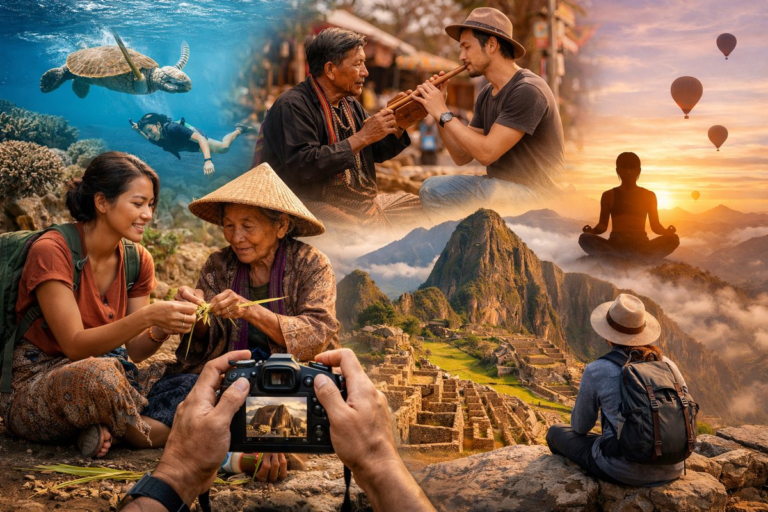
A popular trend has emerged in coastal towns, where surfers and snorkelers journal their encounters with ocean life. One adventurer described snorkeling through kelp forests, pen clattering against journal pages as she sketched a sea otter family grooming one another. On anchored boats, group cookouts feature local fish grilled on portable stoves fueled by biodegradable pellets. Conversation drifts to coral restoration efforts, and travelers return home armed with names of reef charities to support.
In South America, coffee-loving nomads are mapping regional micro-roasters along the Andean highway. Early mornings find them downing single-origin brews in roadside cafés, then bottling the experience by packing ceramic drippers in insulated pouches. A travel notebook records growers’ names, harvest dates and tasting notes. Beyond caffeine fixes, these stops foster face-to-face connections: sharing stories with farmers under tin roofs, learning about fair-trade cooperatives, and understanding how altitude shapes flavor profiles.
Whether pedaling through vineyards or striding across deserts, travelers are finding that mindfulness turns each moment into a memory. Rather than ticking boxes-“see X waterfall,” “visit Y monument”-they’re charting personal narratives. Old maps are annotated with color-coded symbols denoting sunrise rituals, cooking experiments, wildlife encounters and community projects. By the end of the trip, those bespoke diagrams serve as both travelogue and blueprint for future adventures.
This shift in mindset is sparking new services and small businesses focused on curated experiences. Local guides specialize in slow-paced walks through olive orchards, pairing harvest lessons with olive oil tastings. Surf instructors spend midday teaching board repair workshops alongside wave coaching. Conservation groups lead travelers on night patrols in wildlife corridors, documenting camera trap footage under starlight. Each activity blends purposeful learning with adventure.
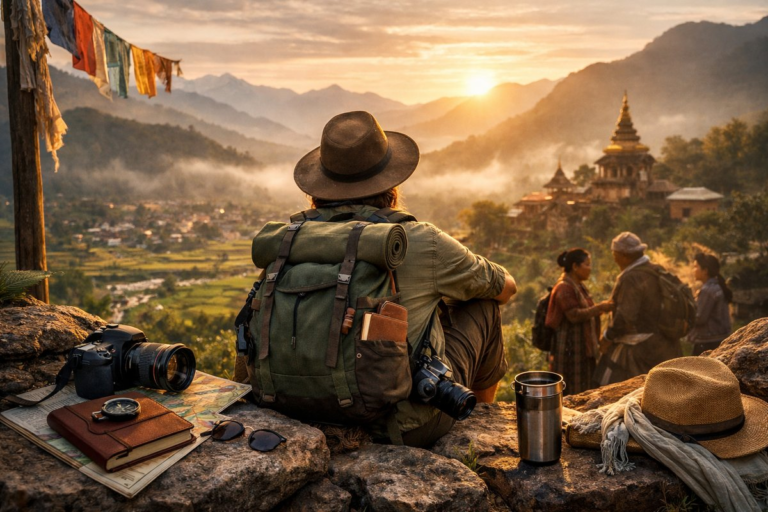
To support these journeys, experienced travelers recommend a handful of reliable tools and gear. A lightweight travel journal fosters reflection on long bus rides and mountain bivvies. Mirrorless cameras capture high-resolution images without weighing down backpacks. Collapsible water filters and compact camping stoves reduce waste and pack space. Durable, multi-pocket backpacks help organize electronics, snacks and layers for sudden weather changes. Quality hiking shoes protect against slippery slopes and rocky terrain.
Looking ahead, sustainability-minded trip planning is expected to grow. Air carriers are trialing carbon-offset programs that fund reforestation projects along flight paths. Train networks are partnering with ecotour operators to bundle rail passes and low-impact lodge stays. Local governments are granting permits for pop-up camping platforms in underutilized conservation areas, ensuring footprints remain minimal. Travelers now have more options to make each journey environmentally and culturally responsible.
Whether you’re reconnecting with nature, documenting hidden cultures or championing conservation, your gear choices shape the narrative. A well-designed journal helps you remember the scent of eucalyptus on a forest trail. A solar charger keeps devices powered during multi-day treks. A reliable camera lens zeroes in on a hawk’s wingspan in golden light. Each tool amplifies intention, guiding you toward moments that resonate long after you unpack your bag.
In a time when headlines spin faster than ever, these travel experiences remind us how the simplest actions-brewing local tea on a campfire, sketching a rural schoolhouse, cradling a portable telescope to watch the Milky Way-can instill awe, connection and purpose. The road ahead promises more low-impact lodges, collaborative conservation efforts and gear innovations. For those ready to chart a journey with meaning, one question remains: where will your story begin?