Location
Mount Vernon, WA 98274

Location
Mount Vernon, WA 98274
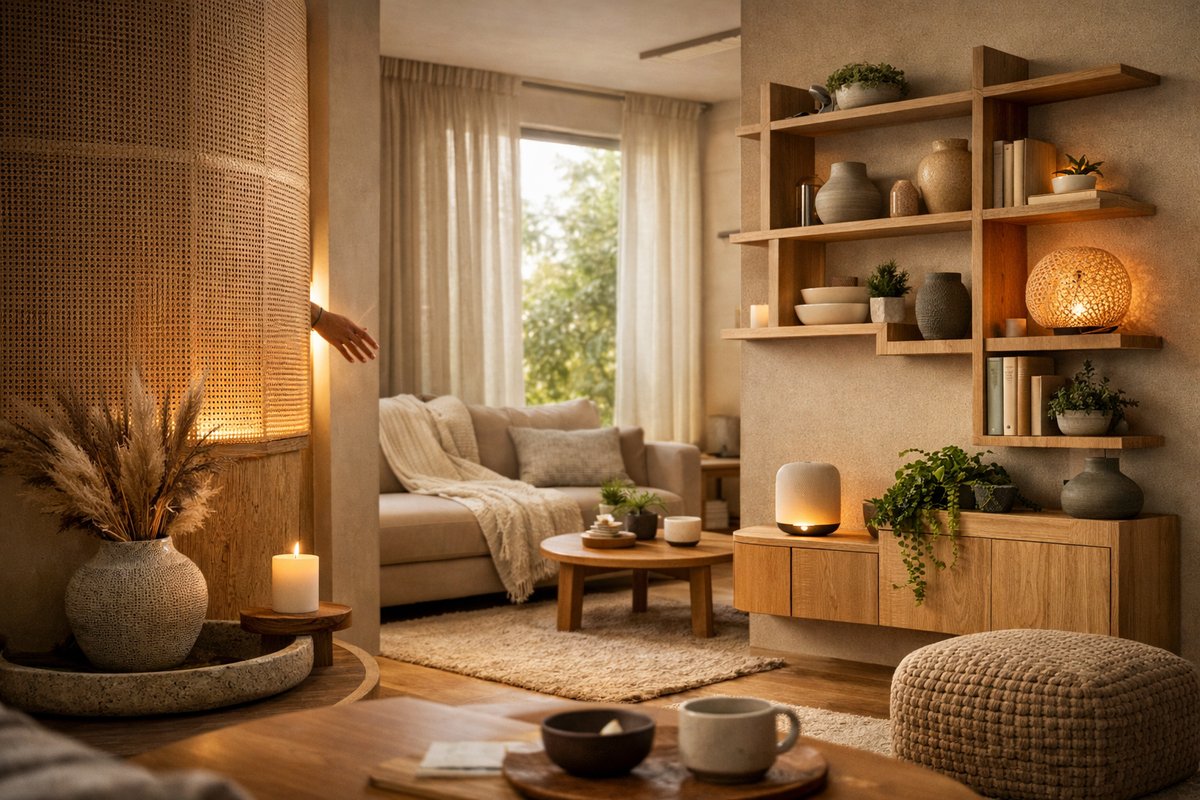
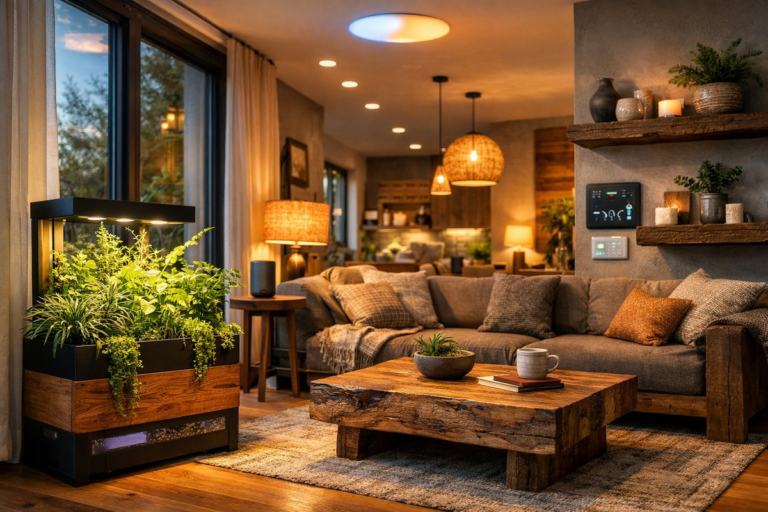
A new wave of home upgrades is blending seamless technology with tactile warmth, inviting residents to craft spaces that respond to their habits and nurture their well-being. From motion-activated lighting hidden behind natural fibers to modular shelving hand-finished in sustainable materials, homeowners are defining comfort on their own terms.
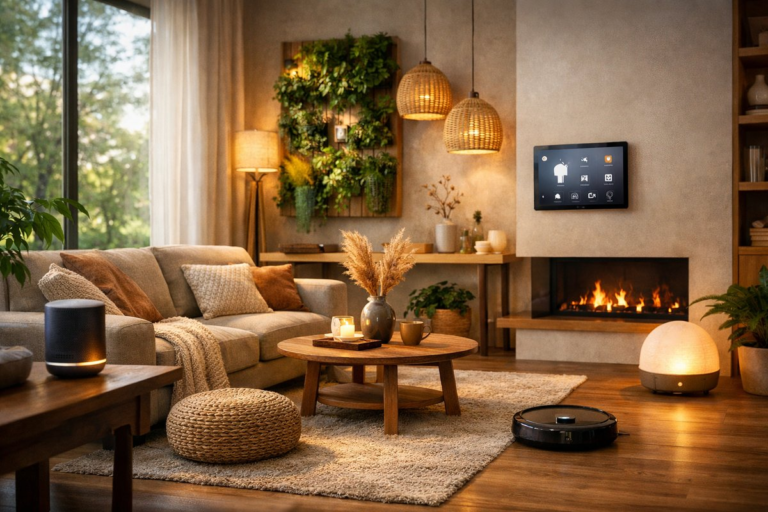
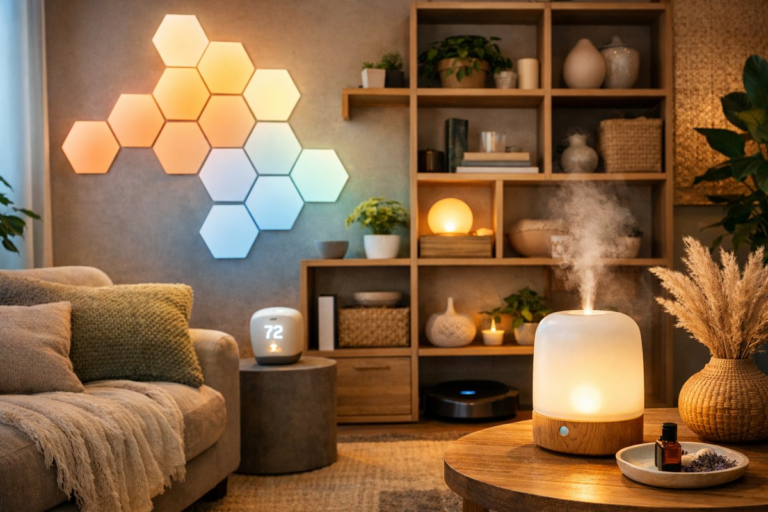
In a small loft not far from a bustling urban center, a subtle glow pulses along the edge of a modular shelving unit. It responds to footsteps on the reclaimed-wood floor, guiding occupants through an evening routine without jarring overhead fixtures. This vignette captures the heart of a growing trend: the fusion of intelligent automation and artisanal texture that allows a home to feel both smart and soulful.
Design analysts have noted a surge in consumer interest around two seemingly divergent impulses: seamless technology and hands-on craftsmanship. A recent survey by a leading home research institute found that more than half of homeowners now prioritize tech that fades into the background, while nearly the same share seeks materials that evoke warmth and heritage. In practical terms, that means motion sensors concealed within woven wall panels and smart bulbs tucked behind recycled-glass sconces. The idea is simple: let technology learn your habits, then step back and let texture do the talking.
Data from energy consumption audits echoes this shift. In the past two years, dwellings equipped with networked occupancy sensors and adaptive thermostats have reported up to 20 percent savings on heating and cooling bills. Yet that statistic alone doesn’t capture the emotional value. When an apartment gently preheats before you roll out of bed in the morning, or when lights fade as you settle into a handwoven chair, the home becomes less of a box and more of a companion.
Manufacturers and artisans alike are racing to meet this demand. One Brooklyn studio sews acoustic panels from recycled plastic bottles, then embeds ultra-thin infrared detectors that lower volume on built-in speakers when someone enters. A Scandinavian workshop hand-finishes cabinet handles in matte brass, while concealing contact sensors beneath the surface to trigger custom lighting scenes. These hybrids prioritize privacy-no cameras or data-hungry algorithms-while elevating routine moments into sensory experiences.
Minimalists appreciate the clean profiles, but the appeal transcends style. For families with unpredictable schedules, automated warmth and lighting can reduce decision fatigue at the end of a long day. For remote workers, a desk outfitted with dynamic task lighting and a digital frame that cycles through personal photos transforms a makeshift office into a sanctuary. And for aging residents or those with mobility challenges, discreet sensors and adaptable fixtures mean fewer switches to hunt for and a home that anticipates their needs.
This convergence of craft and code isn’t limited to interior surfaces. Outdoor spaces are part of the movement, too. Solar-powered pathway lights now integrate with moisture sensors in garden beds, signaling irrigation systems to pause when plants are well hydrated. Decorative planters made from natural fiber composites house smart soil monitors, sending gentle reminders when houseplants need attention. The result is a holistic living environment, indoors and out, that responds to ecological rhythms as much as human ones.
Yet, as with any innovation, there are trade-offs. Early adopters note that overly complex setups can feel brittle-firmware updates sometimes disrupt carefully tuned lighting cues, and proprietary hubs can lock users into a single ecosystem. That’s why open standards and modular hardware have gained traction. Homeowners can mix and match motion detectors, smart bulbs, and textile panels from different makers, swapping components without overhauling an entire system. This approach supports sustainability: if one element fails or becomes obsolete, it can be replaced without discarding the rest of the installation.
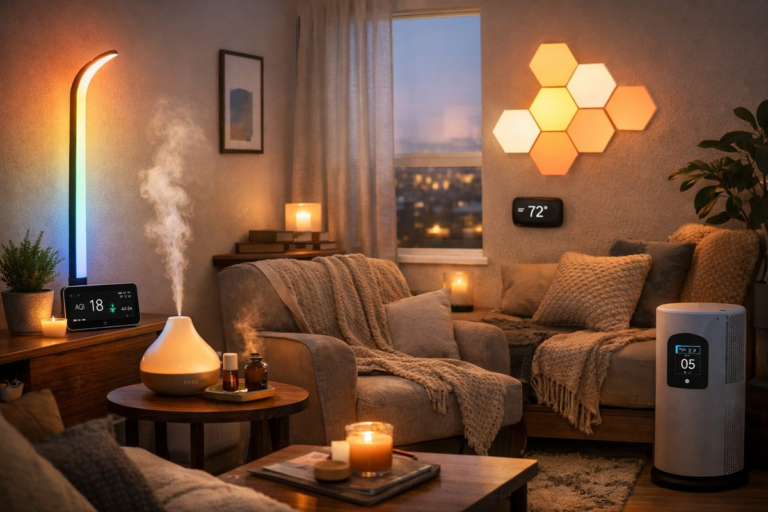
Retailers have responded with curated bundles that align popular components by theme rather than brand. A “warm minimalism” kit might pair dimmable LED bulbs with linen-wrapped fixtures and touch-sensitive wall plates. An “intentional wellness” pack could combine a networked thermostat, air-quality monitors, and handcrafted ceramic diffusers. These bundles reflect a broader shift in how people shop for their homes: as modular projects rather than one-time upgrades.
Meanwhile, independent fabricators and local makers are stepping into the spotlight. Online platforms now feature custom artisans who will weave panel inserts in natural cotton or hand-pour concrete lamp bases to house motion-triggered accent lights. Buyers read reviews not only for technical performance but for craftsmanship quality and material ethics. The most sought-after pieces often come with a story: the reclaimed-harvest date of the timber, the climate-neutral journey of the metal, or the fair-wage certification of the weaver.
That narrative thread resonates with people seeking more than utility. According to a consumer trust index, four in ten shoppers report that knowing a product’s origin and ethical credentials makes them more likely to keep and cherish it. In practice, that means a sensor-equipped blanket woven from organic cotton feels less like an appliance and more like an heirloom. It also encourages reuse-after all, why discard a well-made textile when you can wash it, repair a small tear, and continue enjoying its quiet glow?
Interior stylists have begun treating technology as another material in their palettes. Layering brass-finish tactile switches atop plaster-textured walls, draping acoustic felt in bold geometric patterns, or pairing smart door locks with hand-forged iron handles: these combinations speak to a generation that wants human touchpoints within their high-tech havens. Color experts recommend pairing warm neutrals and soft terracotta hues with the cool whites of LED strips, striking a balance between organic imperfection and digital precision.
What’s next on this frontier? Emerging prototypes hint at textiles woven with conductive thread that react to proximity, shifting opacity or hue as people move through a room. Developers are experimenting with transparent displays laminated into glass shelving, enabling artful digital posters that morph with ambient sounds. Behind the scenes, machine-learning models trained on individual routines could fine-tune settings down to the most subtle variations-twilight scenes for twilight moods, bright whites for focus, and gentle pastels for rest.
Critics caution against overreliance on automated comforts. They remind us that real relaxation sometimes comes from manual engagement: lighting a soy candle, adjusting blinds by hand, or feeling the grain of a tabletop beneath your fingertips. The challenge for designers is to craft systems that amplify human agency, not replace it. By giving users simple controls-like a gesture pad woven into a pillow or a speak-free voice command via a bedside diffuser-innovators can honor texture and tactility alongside code.
As this movement gathers momentum, showrooms and trade fairs have transformed. Installations invite visitors to navigate dimly lit corridors lined with smart-textile acoustics, then step into a living room vignette where sensors shift a textured projection map across a woven carpet. Kitchens showcase modular islands with embedded induction zones, crowned by terracotta lamp clusters that soften the hum of appliances. Each scenario underscores a single idea: technology should empower intimacy rather than interrupt it.
For anyone embarking on a home transformation, the advice is clear: start small, choose open platforms, and prioritize materials that speak to you. A single motion-activated accent light framed in ceramic clay can be both a technical marvel and a sensory anchor. From there, expand gradually-layer in an adaptive thermostat, swap plain fixtures for bamboo-woven shades, and curate textiles that capture your story.
In the end, the most meaningful upgrades are those that build a bridge between the digital and the human, between sensors and sentiment. When a hallway lights your way with soft warmth, or a shelf shelf silently senses your presence and illuminates a beloved display, you feel seen by your own home. And in a fast-paced world, that sense of intentional comfort may be the greatest upgrade of all.