Location
Mount Vernon, WA 98274

Location
Mount Vernon, WA 98274
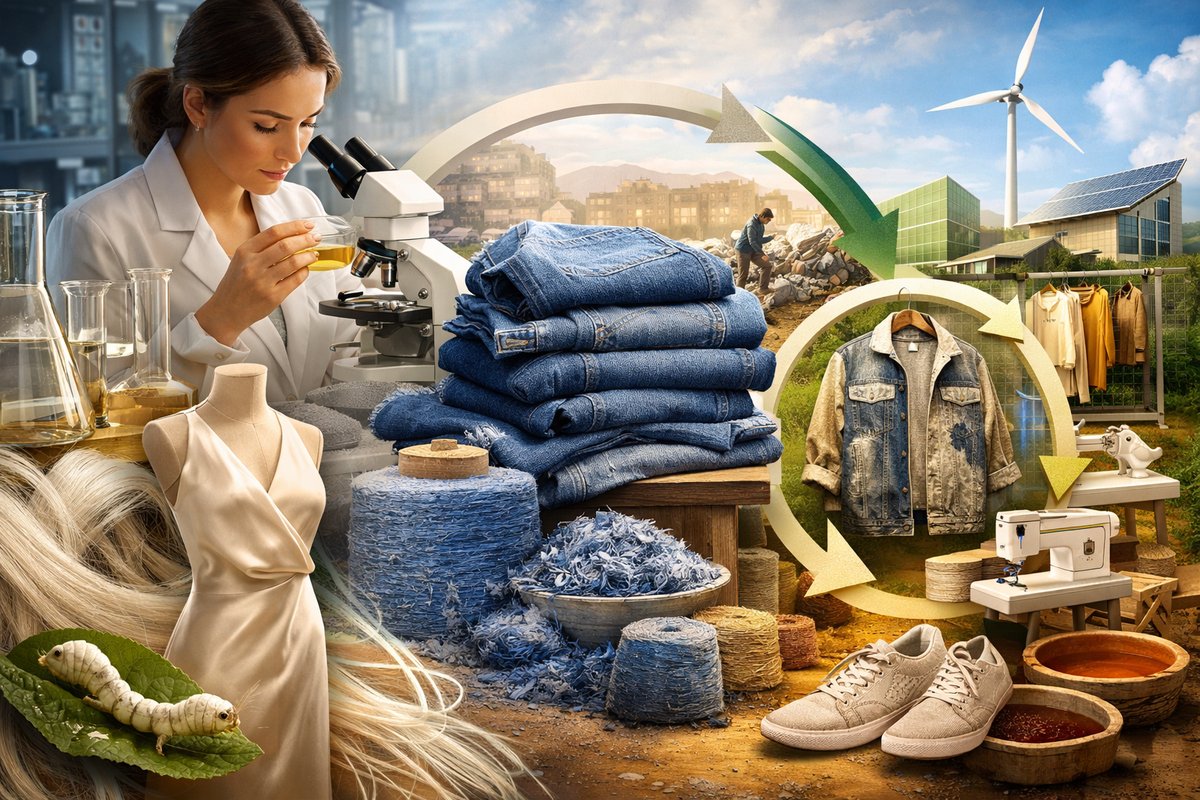
A wave of ethically minded designers and resourceful start-ups are harnessing biotech silks, reclaimed denim and circular systems to close the loop on apparel waste. This news-driven exploration dives into the science, supply-chain transparency and creative ingenuity propelling a new era where what we wear reflects both personal identity and collective responsibility.
In a bustling fashion district, models strode down runways wearing garments spun from lab-grown silk and upcycled denim panels accented with mycelium leather patches. Industry insiders called it a watershed moment, signaling the confluence of science, craft and circular systems in mainstream apparel. Major design houses and agile start-ups alike unveiled collections that embraced regenerative cotton, algae-based knitwear and recycled polyester activewear-each piece telling a story of innovation and stewardship.
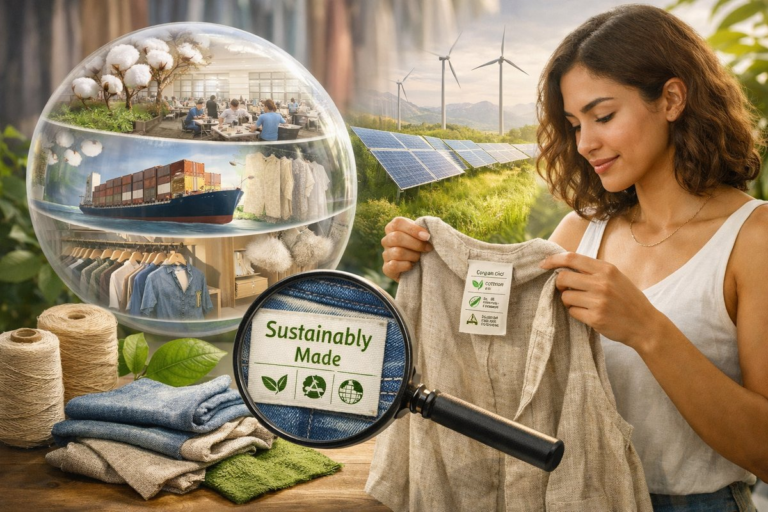
Behind the scenes, a recent report from a global consulting firm showed that more than 60 percent of young consumers now prioritize brands with transparent supply chains and verifiable environmental commitments. Fueled by digital traceability tools and open-source material databases, shoppers can scan QR codes on hangtags to track every step-from seed to shelf. This level of accountability has emerged as a powerful differentiator in a crowded market, pushing both legacy labels and emerging designers to disclose sourcing practices down to the fiber level.
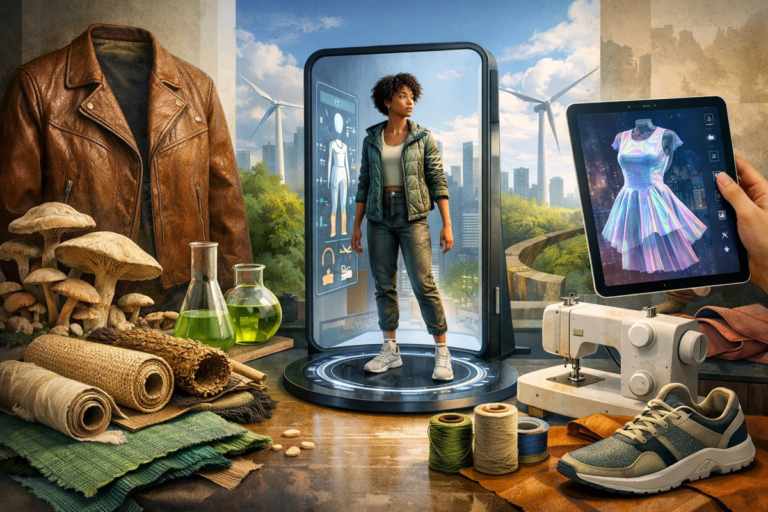
At the heart of this momentum lie breakthroughs in biotechnology. Lab-grown silk produced through microbial fermentation offers the luster and strength of traditional silk without the ethical and environmental costs of mulberry cultivation. Meanwhile, start-ups pioneering mycelium leather harness mushroom root networks to craft flexible, durable hides that bio-degrade within months if discarded properly. These alternatives are inching past price parity, thanks to scaled-up bioreactors and streamlined downstream processing, making them contenders for everything from tailored blazers to casual sneakers.
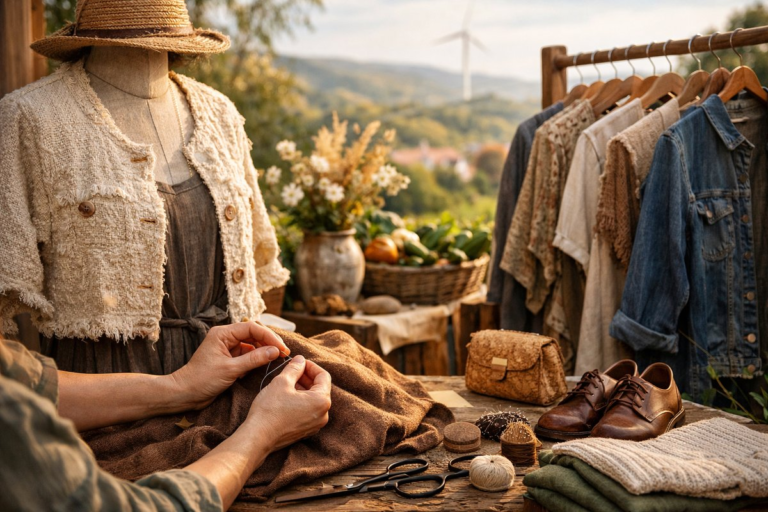
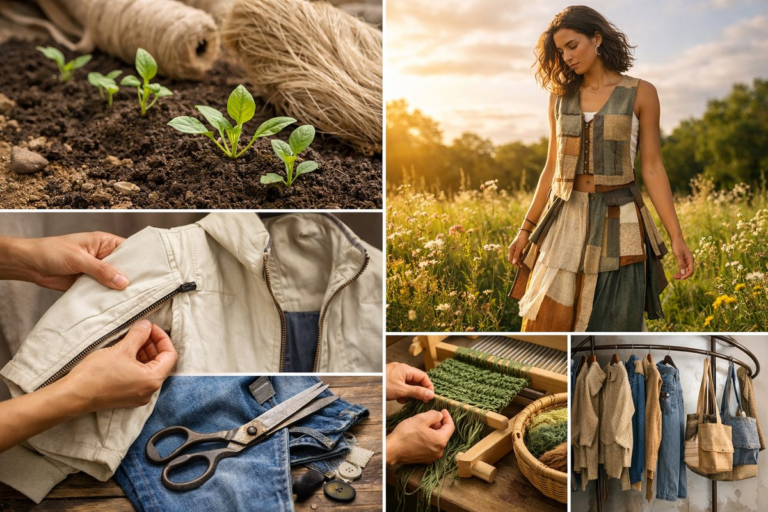
Complementing biotech fabrics, designers are reaching back into age-old techniques: handloom weaving, natural indigo vats and artisanal embroidery. A collective of garment artisans in a coastal region revived centuries-old plant-dye recipes, infusing cotton tees and organic linen tunics with vibrant hues derived from madder root, weld and pomegranate peel. Paired with modern zero-waste pattern-making software and precision laser-cutting, these hybrid workflows minimize offcuts and celebrate local craftsmanship.
On the circular front, take-back programs have matured beyond simple drop-off bins. Retailers now offer subscription-style wardrobes where garments are rented, professionally cleaned, repaired and rotated across a network of local hubs. At the end of a product’s life cycle, materials are deconstructed and re-spun into new yarns. For consumers, this model reduces decision fatigue, fosters experimentation and reframes ownership as stewardship.
Yet scaling circularity and bio-material innovations comes with challenges. Manufacturing shifts require hefty upfront investments, and existing infrastructure for dyeing, cutting and sewing often remains optimized for conventional synthetics. Smaller labels struggle to secure consistent feedstocks of agricultural waste or lab-grown intermediates, leading to production bottlenecks. At the consumer end, price premiums can deter broader adoption beyond eco-committed niches.
Enter microfactories: compact, automated production units that can be installed near urban centers. These agile hubs integrate digital pattern libraries, robotic cutting tables and on-demand dyeing modules that use plant-based pigments with minimal water. Garments can be made-to-order within days, slashing carbon emissions associated with global shipping and large-scale warehousing. For local economies, microfactories promise job creation in design, fabrication and logistics, all while reinforcing traceability.
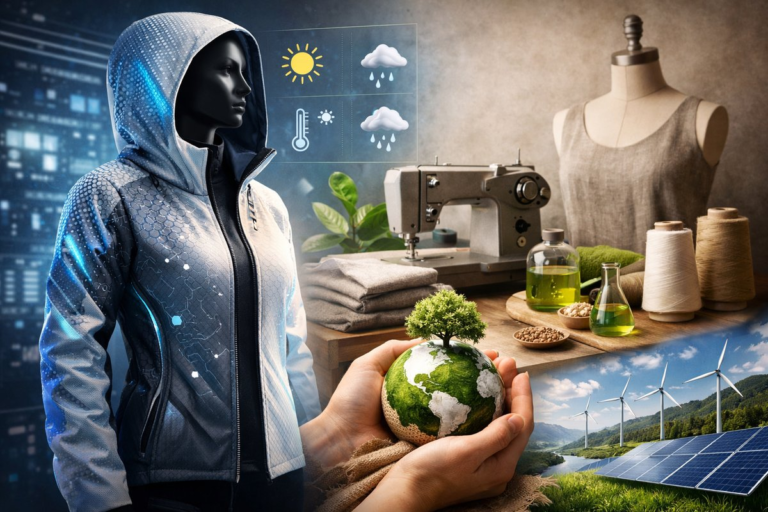
Digital innovation also extends to the shopping experience. Virtual try-on tools powered by advanced body scanning and AI styling engines allow customers to visualize how a new mycelium jacket or lab-silk blouse might drape and move. Personalized fit recommendations reduce returns-a major source of waste and emissions-while fostering confidence in remote purchasing. Some platforms even gamify garment care, awarding points for mending, swapping or responsibly recycling items.
Beyond new production paradigms, the second-hand market continues to soar. Online resale platforms and local consignment boutiques facilitate thriving communities where vintage pieces and contemporary pre-owned apparel exchange hands. This resurgence in reuse not only extends the useful life of textiles but also reintroduces iconic silhouettes and forgotten fabric techniques to fresh audiences.
For brands, merging these streams-biotech fibers, craft traditions, circular services and digital platforms-requires a values-driven ethos. Leadership teams are hiring regeneration officers, forming advisory councils with material scientists and committing to science-based targets that go beyond carbon accounting to include soil health, biodiversity gains and fair-wage benchmarks across supply chains.
Influential runway shows have given way to decentralized showcases on social media, live-streamed from urban gardens, warehouse studios and decommissioned shipping containers repurposed into pop-up ateliers. Each setting underscores a narrative of ingenuity: a former industrial district reborn as a textile innovation campus, or a rooftop farm doubling as a spinning and weaving workshop.
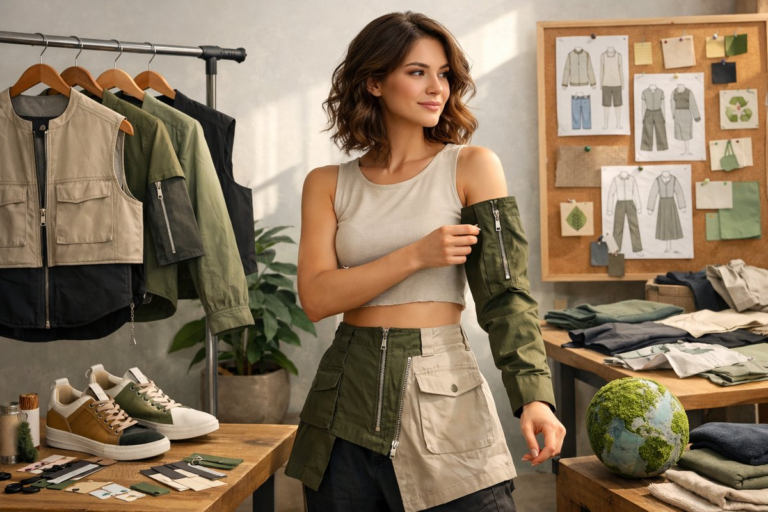
Consumers, in turn, are rethinking the way they build wardrobes. Instead of accumulating vast closets of fast-fashion staples, many now curate “capsule wardrobes” around a handful of core pieces-say, a regenerative cotton blazer, a pair of repairable denim jeans and a modular vest crafted from recycled nylon. Mixing and matching becomes a creative practice, with accessories like detachable collars, modular buttons and plant-dye scarves introducing color and texture without constant new purchases.
As the movement gains traction, collaborations between unexpected partners are emerging. Textile researchers are teaming up with conservation groups to channel forest residue into fiber, while software developers design open-source pattern archives that anyone can remix. Even household appliances are being reimagined: closed-loop dyeing machines recapture and purify water on site, and countertop lab fermenters for home experiments allow early adopters to test small batches of bio-fabric in their kitchens.
In living rooms and studios around the globe, enthusiasts host mending circles-grassroots gatherings where participants swap skills, tools and surplus fabrics. These community-driven repair sessions underscore a simple truth: sustainability isn’t solely about high-tech breakthroughs, but also about empathy, creativity and a sense of shared responsibility.
Looking ahead, the apparel industry stands at a critical juncture. Will circularity and biotechnology mature into mainstream norms, or remain boutique curiosities? The answer may hinge on continued collaboration among designers, scientists, policymakers and consumers. Education campaigns, public-private partnerships and incentive structures could accelerate the adoption curve, making sustainable practices more accessible and affordable.
One thing is certain: as values increasingly inform purchasing decisions, clothing has become a medium for individual and collective storytelling. From garments grown in bioreactors to jeans woven from reclaimed fabric scraps, each piece carries a narrative of intent. In this emerging narrative economy, wearing one’s values will be less of a trend and more of a cultural imperative-and wardrobes everywhere will tell richer, more responsible stories.