Location
Mount Vernon, WA 98274

Location
Mount Vernon, WA 98274
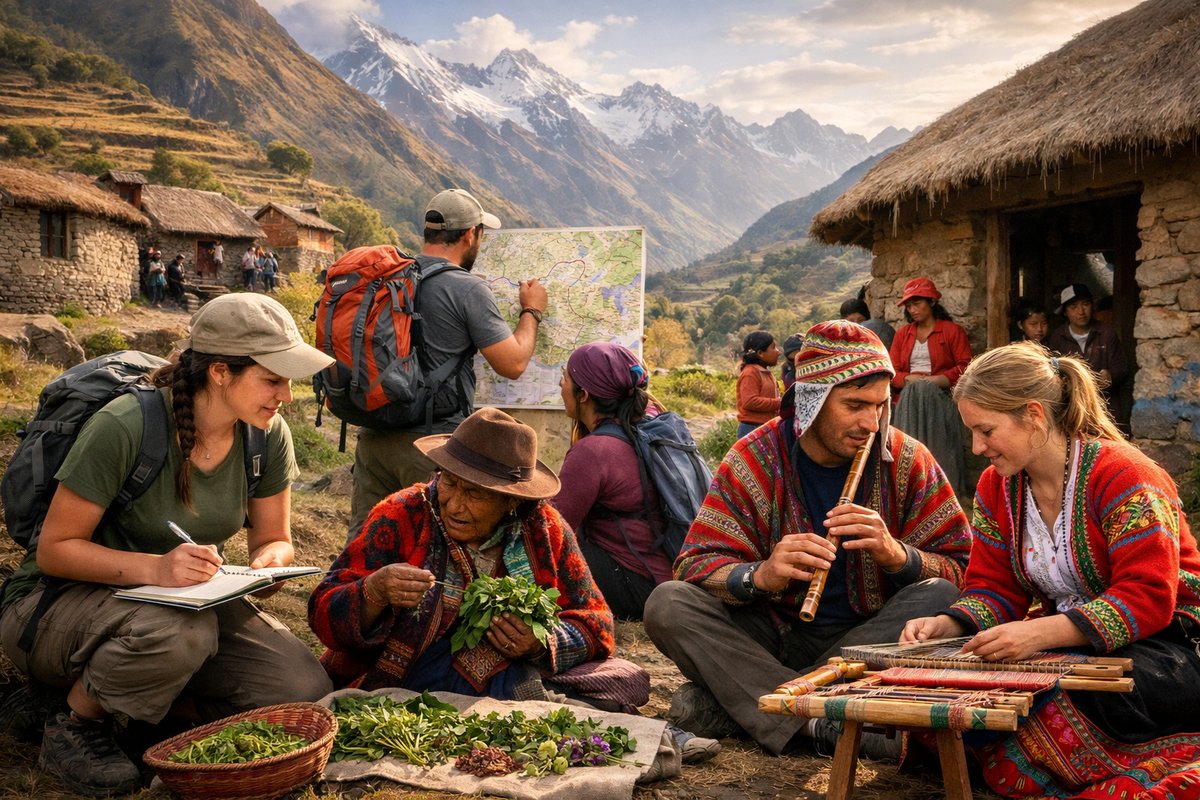
A growing number of explorers are swapping cookie-cutter itineraries for immersive stays in remote villages, pairing trekking routes with local stewardship projects. From mapping medicinal plant trails to hosting cultural workshops, these purposeful journeys are redefining what it means to travel responsibly.
When travelers arrive in a secluded mountain hamlet at dawn, they’re no longer tourist passengers but active participants in a living community. An emerging breed of itineraries blends traditional hiking and cycling expeditions with hands-on volunteer work, forging deeper connections between visitors and host regions. Instead of simply snapping photos of waterfalls and leaving, today’s purposeful explorers are cataloging native flora, restoring riverbanks and learning ancestral crafts alongside residents.
According to a recent United Nations World Tourism Organization report, nearly 37 percent of international travelers now seek experiences that directly benefit local populations. This shift reflects growing concerns about overtourism’s environmental toll and the desire for more authentic, mutually enriching connections. In rural areas across Southeast Asia, Central America and parts of Eastern Europe, small-scale operators are designing multi-day circuits that weave trekking, community homestays and regenerative agriculture.
In northern Guatemala, one program invites groups to hike through cloud forests while assisting cocoa farmers tending heirloom cacao trees. Participants learn pruning techniques, document soil conditions and share their own observations using smartphone mapping tools powered by portable solar chargers. Each evening, travelers join evening gatherings where local elders recount folk tales that inspired traditional weaving motifs. Proceeds from the stay support microloans for women artisans and fund reforestation of cleared slopes.
Over in the Balkans, a cycling collective has mapped a 120-mile route through limestone gorges, grazing plateaus and forgotten villages. Riders sleep in family-run guest houses, pitch ultralight tents by karst springs or lounge in canvas eco-camp sites. Along the way, they join communal beekeeping efforts, learn to splice local wood for fence repair and gather wild herbs for an open-air cooking class. The project channels a share of its revenues into rehabilitating ancient footpaths and training youth in sustainable forestry.
These community-rooted experiences carry emotional resonance that transcends conventional sightseeing. Travelers report a profound sense of belonging as they contribute to tangible outcomes-planting trees, cataloging bird calls for conservation databases and running digital storytelling workshops for schoolchildren. In some regions, participants help install rainwater harvesting systems or retrofit solar-powered lamp posts, bringing reliable lighting to homes that once relied on kerosene.
“I came seeking mountain vistas but found purpose in rebuilding a school playground,” says one recent volunteer after completing a mixed trek-and-service trip in the Andes. “The gratitude in those children’s eyes stayed with me long after the peaks faded from view.” As a result, boutique travel designers are emphasizing flexible itineraries that allow spontaneous detours when local needs arise-shoring up a riverbank where erosion threatens fields or helping an elderly potter extract clay for a communal kiln.
Travel operators are also tapping digital platforms to match visitor skills with community requests. A new app connects registered travelers to vetted projects-everything from building trail markers to teaching basic IT skills in language schools. Volunteers log hours, file progress reports and earn digital badges recognized by partner NGOs. Local coordinators can update tasks in real time, ensuring that extra hands arrive precisely when they’re needed most.
This trend toward participatory travel dovetails with ethical sourcing of gear and services. Outfits encourage guests to bring lightweight camping equipment, reusable water filtration bottles and portable solar chargers, reducing reliance on single-use plastics and diesel generators. Many operators have pioneered “gear libraries,” where quality tents, cooking sets and first-aid supplies are shared across groups, cutting waste and shipping emissions.
Educational workshops on trail preservation, waste management and cultural heritage conservation often complement the main itinerary. In Costa Rica’s Osa Peninsula, eco-rangers lead dawn birdwatching sessions and share best practices for minimizing human impact on nesting sites. Visitors log species sightings that feed into national biodiversity surveys, blurring the line between tourism and citizen science.
Even urban adventurers are finding ways to link purpose with exploration. Pop-up initiatives in city outskirts invite travelers to transform vacant lots into community gardens, or participate in guided food-waste recovery clinics at farmers’ markets. On weekends, small groups don reflective vests and comb riverbanks, collecting litter while discussing environmental policy over portable coffee stoves fueled by locally sourced biochar.
The ripple effects of these journeys extend well beyond the travel period. Hosts often form lasting friendships with returning visitors who become advocates and sponsors for regional projects. Crowdfunding campaigns launched by travel alumni have financed new school libraries, small-scale water purification centers and vocational training facilities. In turn, these improvements enrich subsequent visitor experiences, creating a virtuous cycle of exchange.
As travelers become active stewards rather than passive observers, the narrative of adventure evolves. Mountains, forests and heritage sites cease to be backdrops-they become living classrooms and shared responsibilities. By integrating community service, conservation research and cultural exchange into each route, these purpose-driven journeys rewrite the traditional tourism script.
Whether charting a river tributary by kayak or rebuilding ancient terraced fields on a mountainside, modern explorers are finding deeper meaning, forging genuine human connections and leaving positive footprints. The next time you plan an escape, consider an itinerary that balances awe-inspiring landscapes with actions that strengthen local communities and ecosystems. This new frontier of travel promises experiences that resonate far longer than a single hotel stay-transforming both guest and host in the process.
By anchoring adventure in shared purpose, travelers and communities alike discover untapped potential-rewriting the very definition of exploration for the 21st century.