Location
Mount Vernon, WA 98274

Location
Mount Vernon, WA 98274
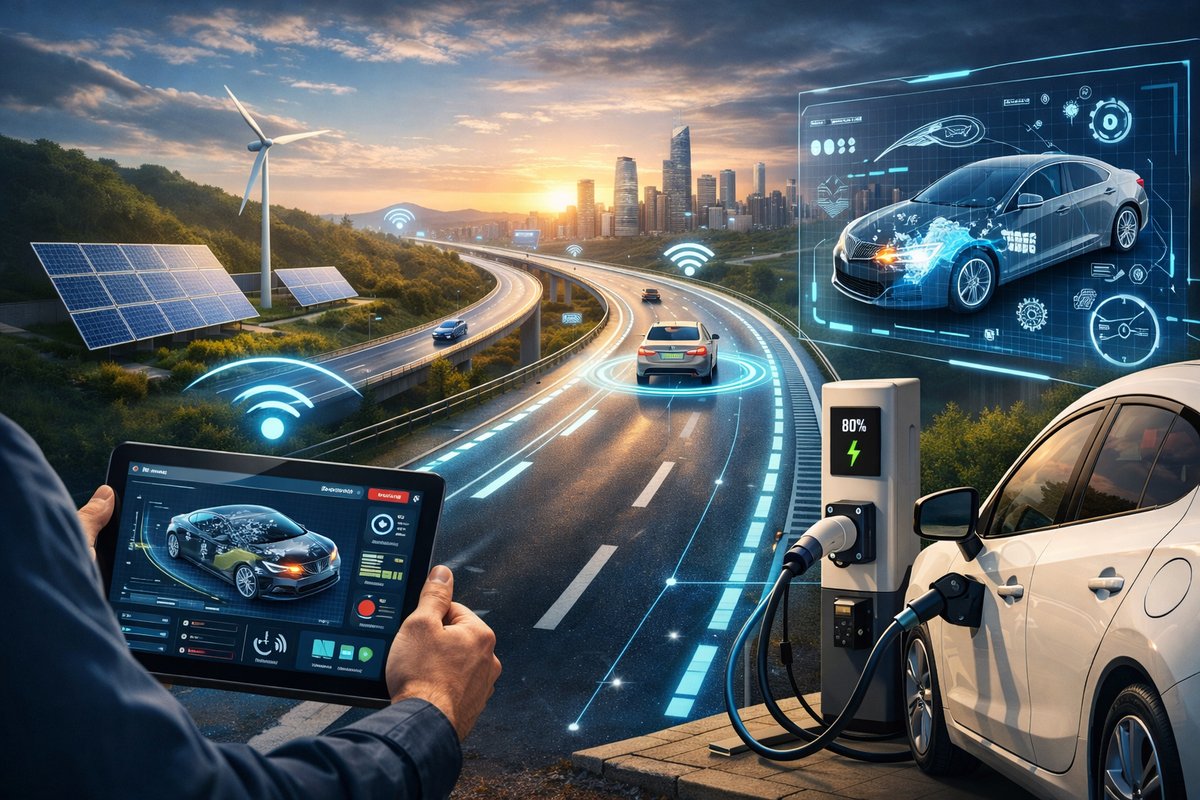
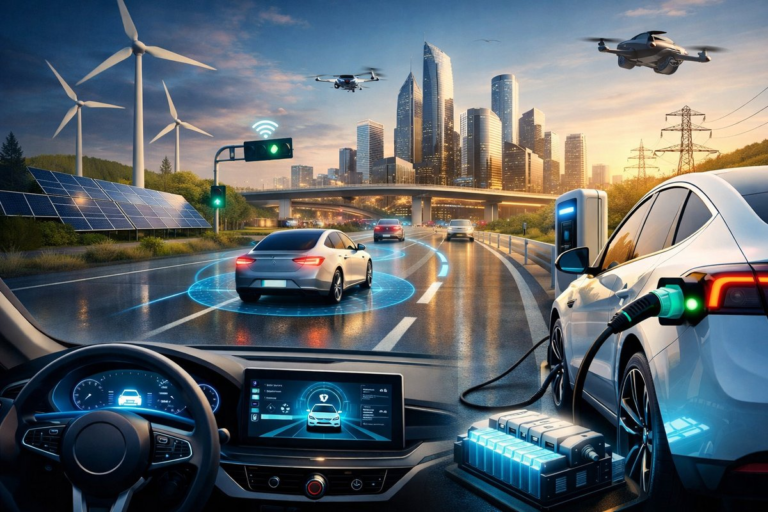
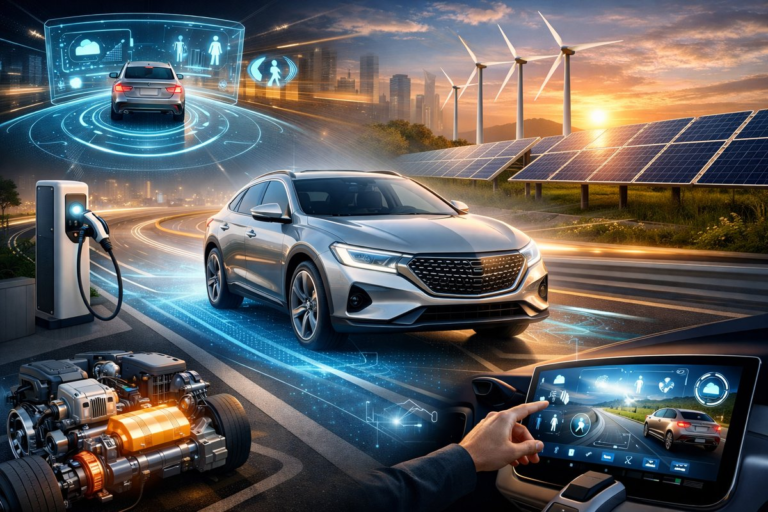
A wave of data-driven tools, smart charging solutions, and connected roadways is redefining how we power, maintain, and navigate our vehicles. From predictive maintenance tapped into onboard sensors to portable high-power chargers that turn any outlet into an EV station, the latest developments promise smoother journeys and more sustainable networks.
The age of mechanical dials and simple spark plugs has given way to an era where bytes and electrons matter as much as pistons and brake pads. Across the globe, manufacturers, utilities, and startups are racing to embed intelligence in every component of modern transportation. Sensors record vibration signatures as you drive, cloud platforms analyze wear patterns before a part fails, and reconfigurable chargers tap home solar panels to power an electric vehicle at dusk. It’s a convergence of digital prowess and engineering know-how that promises to reshape roads, garages, and even power grids.
At the heart of this transformation lies predictive maintenance, a discipline that turns routine service schedules on their head. Instead of fixed intervals for oil changes or brake inspections, today’s systems continuously monitor factors like engine temperature spikes, battery voltage fluctuations, and suspension travel under load. Advanced analytics platforms ingest this telemetry to forecast when a component will wear out. Fleet operators can reroute trucks to a service depot just before a belt shows signs of fraying; individual drivers receive a dashboard alert suggesting a brake fluid top-off days before a sensor alarm would normally trigger. This shift not only reduces unplanned breakdowns but also extends component life spans by avoiding unnecessary replacements.
Much of the raw data enabling these insights flows from ports once reserved for simple diagnostics. OBD-II ports-standard on most vehicles built since the mid-1990s-now feed high-speed telematics units that pair Bluetooth or cellular modems with cloud APIs. These aftermarket devices capture error codes, fuel trim adjustments, and sensor voltages, then upload the stream in near real time. Within minutes, a backend engine applies machine learning models trained on millions of road miles to spot anomalies. Service centers receive prioritized lists of vehicles due for immediate attention, and software-defined vehicles can even download updated calibration files over the air to optimize performance while waiting for a shop appointment.
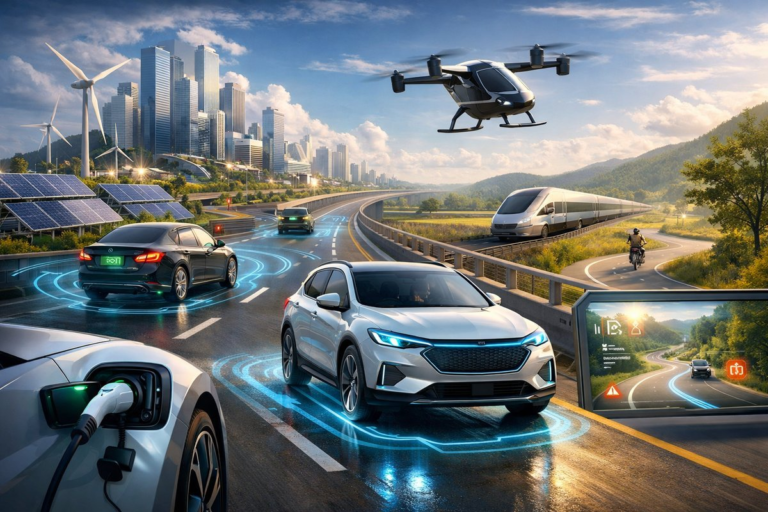
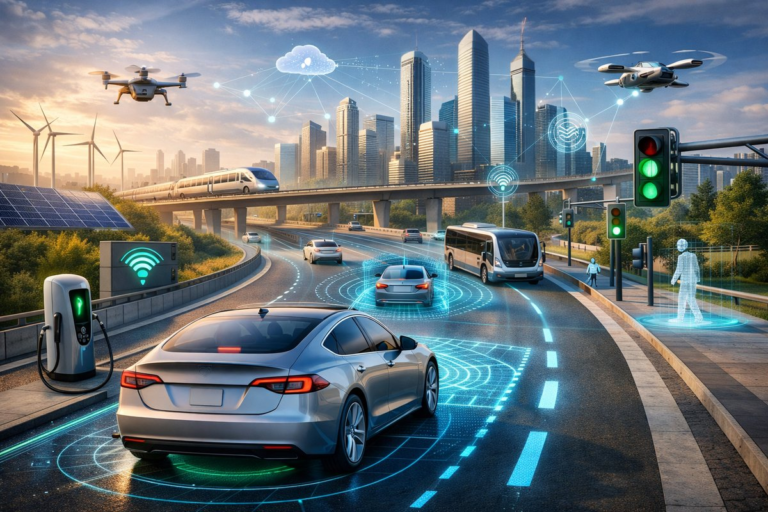
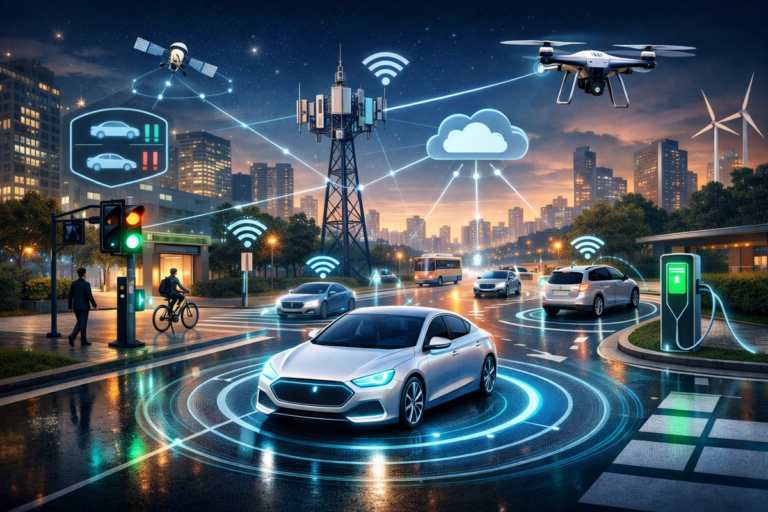
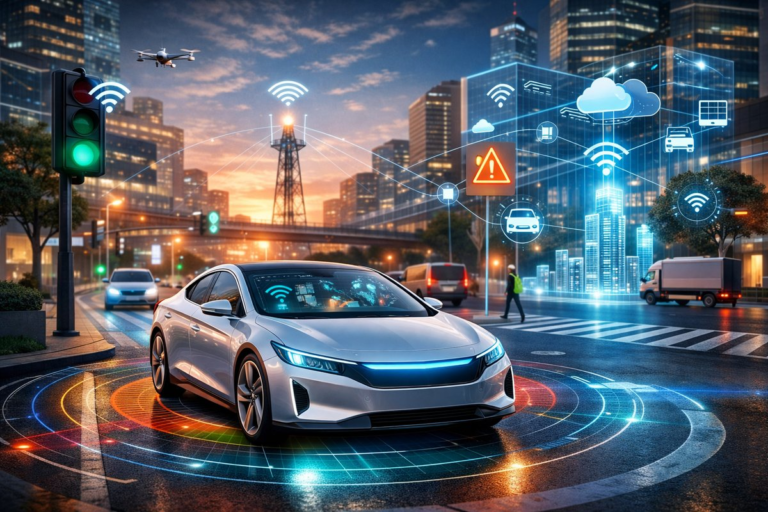
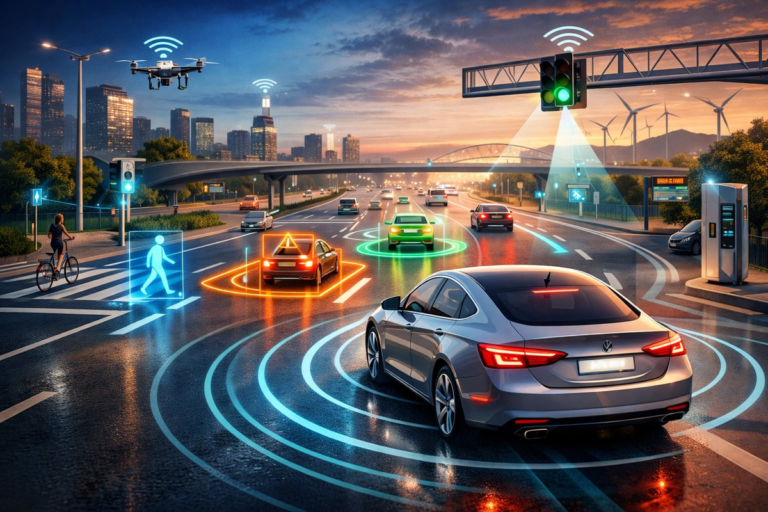
Parallel to maintenance innovations, connectivity protocols collectively known as V2X-vehicle-to-everything-are rapidly advancing from pilot tests into everyday use. Cars exchange messages with traffic lights to reduce congestion, share road-condition reports with following vehicles, and coordinate platooning maneuvers on highways. Edge-computing nodes installed at intersections process and anonymize these streams, allowing real-time responses without compromising privacy. In a busy city center, this might mean green waves timed to favor buses and emergency vehicles; on a rural route, a warning about black ice is relayed before radar sensors or cameras can even detect glare. The result is a transportation ecosystem that adapts continuously to shifting conditions.
Infrastructure owners are also embracing digital twins-virtual replicas of bridges, tunnels, and urban corridors. By integrating high-resolution lidar scans, weather data, and vehicle movement logs, these models simulate wear patterns, traffic flows, and power demands. When a new charging hub is proposed, planners can run a thousand what-if scenarios in hours rather than months. They can predict how an influx of midday charging sessions will stress the local grid or how altered bus routes will affect neighborhood air quality. These tools accelerate decision-making and reduce costly overruns, all while offering transparency to stakeholders and residents.
Electrification sits at the core of this renaissance. Public networks of fast chargers now number in the hundreds of thousands across major markets, and utilities are reshaping demand-response programs to reward off-peak charging habits. Smart chargers equipped with bidirectional capability allow an EV to discharge power back into a home during evening peaks-a feature that supports backup power during outages and helps stabilize local grids. Portable high-power charger units can transform any 240-volt outlet into a Level 2 station, enabling urban apartments and rural homes to host pop-up charging points without expensive wiring upgrades.
Yet expanding charging infrastructure is only one piece of the puzzle. Standardization efforts led by industry consortia are paving the way for universal connectors, unified authentication systems, and transparent pricing. Drivers use a single app or RFID card to initiate a session, view real-time pricing tiers, and pay through a central clearinghouse. Behind the scenes, network operators coordinate energy flows to avoid grid bottlenecks and optimize renewable integration. Solar-powered canopies shade chargers in open-air lots, while dynamic tariffs encourage daytime charging when green energy generation peaks.
As vehicles and roadways become smarter, cybersecurity and privacy have risen to the forefront. Manufacturers encrypt every data exchange and adopt zero-trust architectures to prevent unauthorized access. Consumers gain granular control over which metrics they share-opting in for predictive maintenance alerts but excluding real-time location from public reporting. Insurance programs leverage anonymized driving behavior logs to offer usage-based premiums, rewarding smooth driving habits without compromising identity. Meanwhile, policy makers work to harmonize data-protection standards across regions, balancing innovation incentives with robust consumer rights.
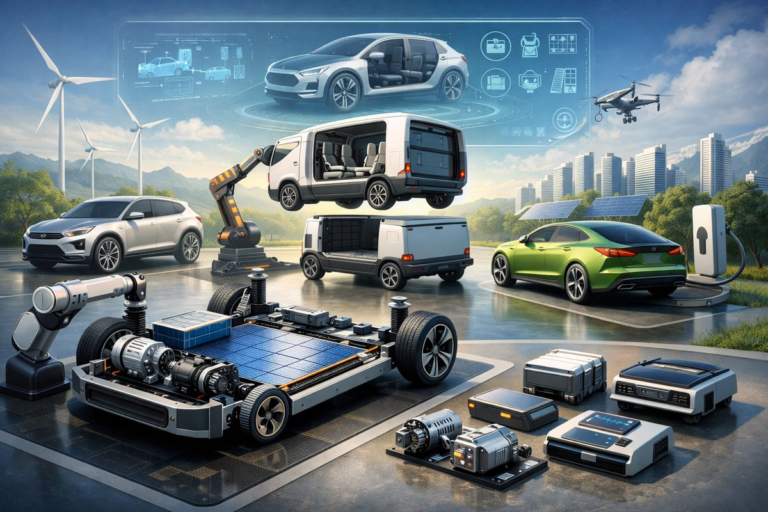
Sustainability extends far beyond tailpipe emissions. Lifecycle analyses now consider carbon footprints for every component, from battery cells to semiconductor chips. Once an EV battery falls below automotive thresholds, it enters a second-life storage application in residential or community microgrids. This circular-economy approach delays recycling until a module’s energy density falls below economic viability. Materials recovery facilities have become increasingly sophisticated, using robotic sorting and hydrometallurgical processes to reclaim critical minerals with minimal environmental impact.
There are, of course, hurdles ahead. Upgrading aging transmission lines to handle bidirectional flows, ensuring interoperability across dozens of technology providers, and funding infrastructure build-out in underserved areas all require coordinated policy and private investment. Training the next generation of technicians to work at the intersection of mechanics, software, and data science is a challenge that vocational programs are racing to meet. Still, as more jurisdictions adopt clear standards for charging, data sharing, and vehicle certification, the path becomes clearer.
For drivers, the benefits are tangible: fewer unscheduled stops, faster recharging, and a more transparent view of energy costs. Fleets optimize routes to minimize idling and carbon emissions. Cities reduce congestion, pollution, and infrastructure strain through responsive traffic systems. Even vehicle owners in remote communities can participate in the energy transition by hosting charger kiosks or selling reserve battery capacity back to the grid.
As automotive technology and transportation infrastructure fuse into a cohesive digital-physical fabric, the very notion of mobility evolves. No longer confined to asphalt and steel, vehicles become mobile nodes in energy, data, and service networks. The road ahead promises quieter engines, predictive software watching out for hazards, and charging ecosystems that adapt to our schedules, communities, and climate goals. It’s a new chapter in a story that began with steam and horsepower, now propelled by code, connectivity, and a shared commitment to a more efficient, sustainable journey.
With sensors tracking the faintest whisper of wear, chargers turning every outlet into a fueling station, and vehicles seamlessly conversing with the infrastructure around them, the next decade of transportation may feel less like a simple commute and more like a living, learning network. In that world, every drive is an opportunity to fine-tune performance, reduce waste, and connect with a broader energy ecosystem-transforming the mundane act of getting from A to B into an intelligent, integrated experience that serves both drivers and the planet.