Location
Mount Vernon, WA 98274

Location
Mount Vernon, WA 98274
An emerging cohort of explorers is redefining adventure by weaving community engagement, sustainability, and cultural immersion into every leg of their trip. From regenerative farm stays to volunteer-led language classes, modern travelers are crafting experiences that leave a positive mark on local communities and the planet.
Travel is shifting from mere sightseeing to a mission-driven endeavor. Beyond ticking off bucket-list landmarks, a growing number of travelers seek experiences that uplift local economies, foster genuine connections, and minimize environmental footprints. This evolution has sparked a surge in purpose-led itineraries-from marine conservation workshops in coastal villages to classroom exchanges in remote mountain towns.
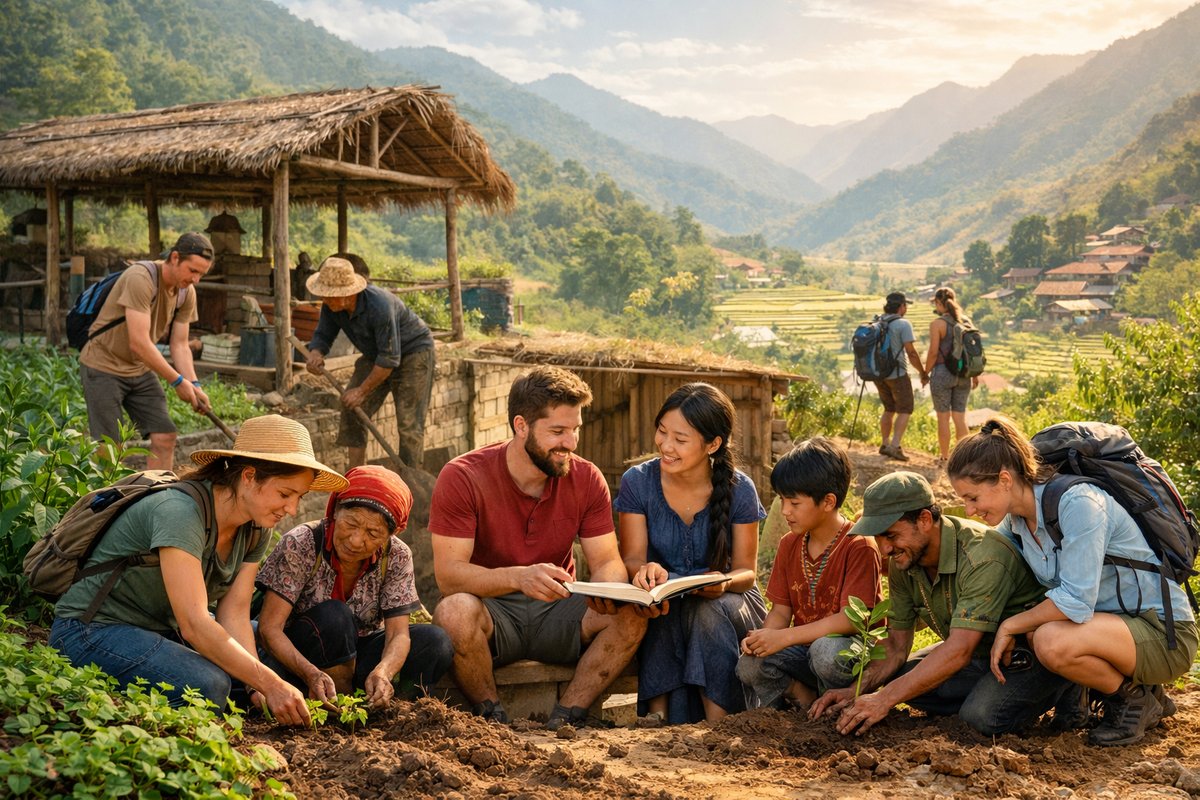
A recent survey of global travelers found that nearly two-thirds now prioritize authentic community engagement over traditional tourist attractions. They crave moments that go beyond photo ops: learning a remote dialect from an elder, planting native saplings alongside local farmers, or sharing meals cooked with ingredients picked minutes earlier. This shift is powered by curiosity and empathy, as well as a desire to travel more responsibly.
In rural Costa Rica, agritourism initiatives are taking root. Families who once relied solely on coffee exports are opening their properties to guests for immersive farm-to-table experiences. Visitors join morning harvests, help sort beans under the tropical sun, and learn age-old fermentation techniques. By evening, participants share campfire stories under a canopy of stars, forging bonds that transcend cultural divides. Local hosts report this model has increased income by up to 40 percent while preserving traditional practices.
Meanwhile, a coastline in southern Greece has become a hub for marine stewardship retreats. Volunteers and guests collaborate with local researchers to survey seagrass meadows critical for fish breeding grounds. Participants are trained to identify endangered species and record water-quality data using handheld sensors. This blend of citizen science and eco-adventure not only funds vital conservation work but leaves attendees with a profound sense of purpose.
Urban centers have their own twist on meaningful exploration. Travelers can sign up for community-led walking tours focused on revitalizing neighborhoods once overlooked by mainstream tourism. In a mid-size city, tour guides guide small groups through graffiti-adorned alleys, narrating stories of grassroots art projects and local social enterprises. Each stop highlights how creative initiatives have regenerated public spaces, reduced crime, and nurtured youth empowerment.
Remote-language exchanges are another rising trend. Instead of conventional classrooms, participants stay with families in off-the-grid villages where they immerse themselves in daily routines-milking goats at dawn, weaving baskets by candlelight, or helping prepare communal feasts. In return, they teach English or another language to children and elders. The dual exchange deepens mutual respect and results in memorable friendships that endure long after the trip concludes.
Digital nomads aren’t exempt from this purpose revolution. Coworking cottages perched on scenic hillsides offer high-speed connectivity alongside morning yoga or guided hikes to sacred springs. As internet freedom merges with local traditions, remote workers find balance between productivity and cultural discovery. Some cooperatives even reinvest membership fees into community grants for education and infrastructure.
The wellness travel market has also adopted a conscientious stance. Retreats in mountainous regions emphasize restorative hikes, foraged meals, and mindfulness exercises led by indigenous healers. Participants learn about native medicinal plants and age-old rituals aimed at harmonizing body and spirit. More than a pampering getaway, these journeys cultivate respect for ancestral knowledge and highlight the importance of conserving fragile ecosystems.
Nonprofit organizations have tapped into this momentum by curating travel programs that channel funding directly into social-impact projects. One program connects backpackers with small-scale solar-installation teams in off-grid communities. Travelers assist technicians in mounting panels on rooftops while families learn to maintain and monitor the systems. Each completed installation reduces reliance on diesel generators, cutting both costs and carbon emissions.
Logistics and gear providers are responding with specialized offerings. Sustainable lodgings are popping up in former sugarcane mills, outfitted with reclaimed wood furnishings and composting toilets. Travel planners are bundling “purpose packages” that include pre-vetted volunteer placements and carbon-offset credits. Meanwhile, mobile apps streamline connections between travelers and local hosts, ensuring authentic matches based on shared interests and skills.
Yet, challenges remain. Purposeful travel often demands more planning, flexibility, and open-mindedness than conventional vacations. Cultural sensitivities must be navigated carefully; what feels like genuine assistance to one traveler can be perceived as intrusive or paternalistic if not approached respectfully. Experts advise thorough research, local partnerships, and a willingness to follow community protocols before arriving in a new locale.
Despite the extra effort, many say the rewards far outweigh the hurdles. Post-trip surveys show that purpose-driven explorers report higher satisfaction levels, deeper personal growth, and a stronger commitment to sustainable practices at home. The emotional resonance of teaching a child to read or helping restore a coral reef stays with them long after the plane lands.
Looking ahead, the purpose-travel movement is poised to reshape the industry. As more travelers document their transformative experiences on social platforms, peer influence will spur others to seek similar impact-driven adventures. Governments and tourism boards are taking notice, developing infrastructure and incentives to attract this new breed of socially conscious visitor.
Whether plotting a weekend escape to assist with trail restoration or embarking on a multimonth cultural exchange across continents, travelers today are redefining what it means to see the world. No longer passive spectators, they aspire to be partners in positive change. And as they follow that call, each journey becomes an opportunity to leave a legacy of empathy, respect, and sustainability.