Location
Mount Vernon, WA 98274

Location
Mount Vernon, WA 98274
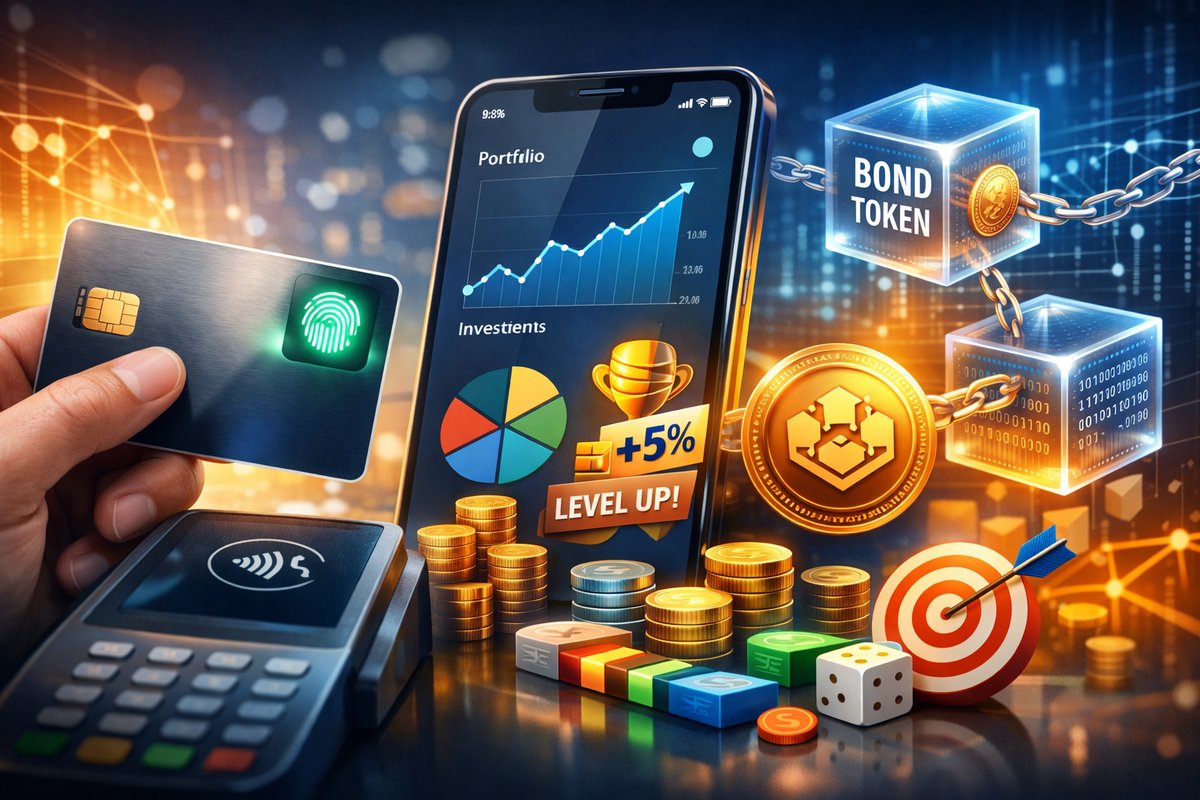
A wave of hybrid financial tools is redefining how everyday savers manage money. From biometric payment cards to blockchain-backed bond tokens, innovative devices and platforms are bringing security, transparency, and gamification into budgeting and investing.
The personal finance landscape is undergoing a rapid transformation as technology and tangible tools converge. No longer limited to smartphone apps and plastic cards, modern money management now spans hardware wallets, biometric credentials, augmented reality demos, and even tokenized government debt. This evolving ecosystem seeks to blend security with convenience, helping users build clearer budgets, invest with confidence, and enjoy a more engaging financial journey.
Security remains a core concern for anyone entrusting their savings to digital channels. Hardware cryptocurrency wallets-small, tamper-resistant devices that store private keys offline-have emerged as a popular way to hold bitcoin or stablecoins. By isolating cryptographic credentials from networked computers, these gadgets reduce the risk of hacks and phishing attacks. Meanwhile, RFID-blocking card sleeves provide a low-tech solution for everyday bank cards: impervious to unauthorized scans, they shield embedded chips from digital pickpockets lurking in public spaces.
Further strengthening defenses, biometric payment cards integrate fingerprint sensors directly on plastic. Instead of entering a PIN or signature, cardholders authenticate purchases with a simple touch. This form of two-factor security adds a reliable layer, preventing lost or stolen cards from being misused. Early adopters report fewer fraud alerts and a more seamless checkout, turning complex security steps into almost subconscious gestures.
Yet finance need not be all stern encryption and vault-like devices. Gamified budgeting is on the rise, marrying physical journals with digital perks. Specially designed notebooks pair QR codes or NFC tags with companion apps, allowing users to scan pages to log expenses or unlock badges for meeting saving goals. The tactile act of writing down spending targets, coupled with playful progress tracking, improves retention and motivation-particularly for those who find pure screen-based planners disengaging.
On the investment front, decentralized finance is pushing boundaries by tokenizing traditional assets. Tokenized municipal or treasury bonds-digital representations of government obligations-trade on blockchain marketplaces with near-instant settlement. This innovation could democratize access to sovereign debt, letting individuals buy fractional shares of bond issues previously reserved for institutions. Some pilot programs are already live in select countries, pairing digital brokerage interfaces with conventional bank transfers for on- and off-ramps.
Environmental consciousness is finding its place in these new markets. Carbon credit tokens, backed by verified offset projects, can be stored in digital wallets alongside stablecoins and equities. By integrating emissions trading into familiar money management platforms, users can invest in sustainability with the same ease as buying a stock. Some platforms even gamify carbon trading: unlocking exclusive content or community badges for meeting personal reduction targets, marrying purpose-driven action with reward mechanics.
Augmented reality (AR) and virtual reality (VR) are also carving a niche in consumer finance. Shoppers can use AR overlays on their smartphones to preview furniture in their living rooms and see real-time financing options-monthly installments, interest rates, or lease terms-superimposed on the product. VR showrooms are popping up for larger purchases, like cars or real estate tours, where financing calculators and loan scenarios get wired into the virtual environment. By simulating payment plans alongside product demos, these immersive experiences make abstract finance terms more tangible.
At the heart of these advancements lies artificial intelligence. From chat-based financial coaches to voice assistants that track spending, AI is tailoring advice to individual lifestyle patterns. Users can speak aloud entries-“I spent $20 on groceries”-and get instant category updates in their budgeting app. Over time, machine learning models suggest optimized saving techniques, personalized alerts for potential overspending, and even predictive insights on when to refinance high-interest debts. The result is a financial partner that listens, learns, and nudges users toward healthier money habits.
For those who favor analog approaches, specialized tools continue to thrive alongside their digital counterparts. Bullet journals adapted for finance come pre-formatted with sections for net worth tracking, debt payoff ladders, and monthly habit checklists. Pen aficionados can choose erasable gel pens or multi-color sets to highlight spending categories, turning finance into a creative outlet. These low-fi strategies remain powerful for reinforcing mindful spending and building long-term awareness of cash flow.
While innovations promise greater control, they also introduce complexity. Users must juggle device firmware updates, reconcile blockchain addresses, and navigate multiple app passwords. Privacy advocates warn against overreliance on platforms that collect granular data-every swipe, tap, and biometric signature. As such, open-source alternatives and community-governed tools are gaining traction, offering transparent codebases and peer audits for those wary of corporate gatekeepers.
The coming months may see further convergence, as open APIs let budgeting apps sync with hardware wallets and biometric cards link to loyalty programs. Imagine writing a grocery allowance in your smart notebook and having that figure automatically reserved on your payment card-only accessible with a fingerprint scan. Or test-driving a VR model home and instantly booking a mortgage preapproval, all within the same virtual environment. Such seamless flows could turn personal finance into an integrated, almost artisanal craft, where digital precision complements tactile satisfaction.
As hybrid tools proliferate, consumers face choices between ecosystems and philosophies. Are you willing to entrust a single provider with biometric credentials, transaction history, and credit data? Or would you prefer an agnostic approach, combining open-source apps with independent hardware devices? Ultimately, the future of money management may hinge on striking a balance: reliable security without sacrificing flexibility, engaging gamification without overriding privacy, and digital speed without abandoning the comfort of pen, paper, or a physical wallet.
Building financial clarity and confidence in this dynamic era means embracing both cutting-edge tech and proven analog methods. Whether you’re mapping out investment goals in a dedicated journal, keeping spare cash in an RFID-safe sleeve, or experimenting with tokenized bonds on a blockchain exchange, the tools at our disposal are richer and more diverse than ever before. The challenge now is to curate a personal kit of devices and platforms that align with your values-be it sustainability, privacy, simplicity, or creative exploration-and let them guide your journey toward greater fiscal independence.