Location
Mount Vernon, WA 98274

Location
Mount Vernon, WA 98274
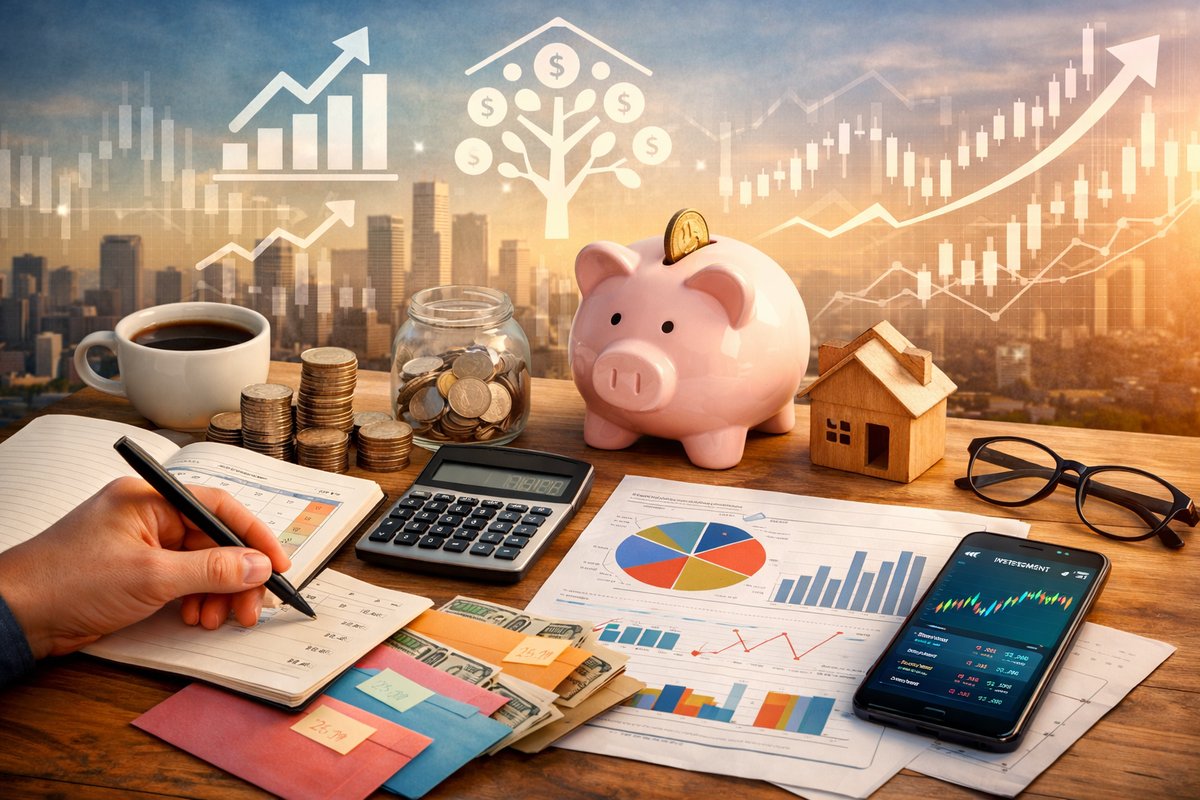
In a world marked by fluctuating markets and evolving economic landscapes, individuals seek clear, actionable guidance to secure their financial futures. This article explores essential budgeting techniques, investment approaches, and tools that empower financial freedom without overwhelming jargon.
The current economic environment continues to challenge individuals and households with uncertainties ranging from inflationary pressures to volatile stock markets and shifting employment landscapes. Despite these challenges, there remains a strong desire among many to build resilient financial foundations that can weather unpredictable conditions and create opportunities for growth. Achieving this requires a blend of clarity, confidence, and practical tools that demystify complex financial concepts and make sound decision-making accessible.
Budgeting remains a cornerstone of financial health. Establishing a clear, realistic budget helps individuals understand their income, expenses, and discretionary spending. This clarity is essential not only for day-to-day management but also for long-term planning. Modern budgeting tools, including intuitive apps and digital spreadsheets, allow users to track spending in real time, categorize expenses, and set savings goals. These tools often provide visual summaries, such as graphs and trend lines, which help users grasp their financial habits at a glance.
Beyond budgeting, investing is a critical avenue for building wealth and achieving financial independence. However, the investment landscape can seem daunting, especially for beginners. Simplified investment platforms have emerged, focusing on low-cost index funds, exchange-traded funds (ETFs), and automated portfolio management. These platforms reduce barriers by eliminating the need for deep market expertise and minimizing fees, enabling users to participate in market growth with diversified exposure.
A key principle in navigating investments is understanding risk tolerance and aligning portfolios accordingly. Younger investors might tolerate higher volatility for greater growth potential, while those nearing retirement often prioritize capital preservation. Regularly reviewing and rebalancing portfolios ensures alignment with evolving financial goals and market conditions.
Emergency funds are another critical component of financial resilience. Setting aside three to six months’ worth of living expenses in accessible savings accounts provides a buffer against unexpected events such as job loss or medical emergencies. This safety net reduces the need to liquidate investments prematurely or incur debt.
Financial literacy is foundational to all these strategies. Accessible educational resources that explain economic concepts, personal finance principles, and investment basics empower individuals to make informed choices. Workshops, online courses, and community programs contribute to building confidence and reducing anxiety around money management.
Sustainability and ethical considerations are increasingly influencing financial decisions. Many investors now seek opportunities that align with their values, such as environmental sustainability, social responsibility, and corporate governance. Sustainable investing options allow individuals to support companies with positive impacts while pursuing financial returns.
Technology continues to shape the financial landscape by offering personalized insights through artificial intelligence and machine learning. These advancements enable tailored recommendations, fraud detection, and seamless integration of financial accounts, enhancing user experience and security.
In summary, building a stable financial future amid economic uncertainty involves mastering budgeting, embracing accessible investment tools, maintaining emergency savings, and continuously enhancing financial knowledge. By leveraging technology and aligning financial decisions with personal values, individuals can cultivate confidence and clarity on their journey toward financial freedom.