Location
Mount Vernon, WA 98274

Location
Mount Vernon, WA 98274
As inflation pressures reshape global economies, individuals face new challenges in managing their finances. This article explores practical strategies to maintain purchasing power, optimize budgets, and invest wisely amidst uncertain economic tides.
Inflation, the persistent rise in prices of goods and services, has become a defining economic challenge for households worldwide. Recent data from major economies indicate that inflation rates have surged beyond central banks’ targets, driven by a complex mix of supply chain disruptions, energy price volatility, and shifting consumer demand. For many, this translates into higher grocery bills, increased housing costs, and rising expenses for everyday essentials. Understanding the mechanics of inflation and adopting adaptive financial habits are crucial steps toward preserving financial well-being.
At its core, inflation erodes the purchasing power of money, meaning that the same amount of currency buys fewer goods over time. This phenomenon affects not only consumers but also businesses and governments, prompting central banks to adjust interest rates in an effort to stabilize prices. However, these policy moves can have mixed effects on employment, borrowing costs, and investment returns.
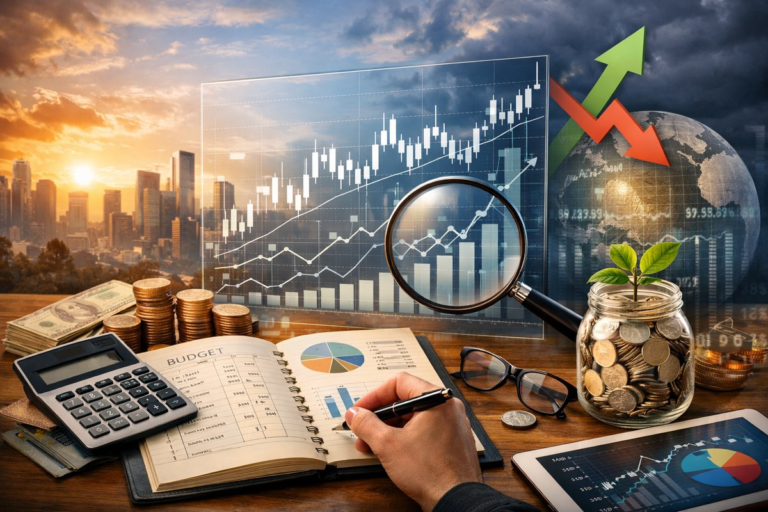
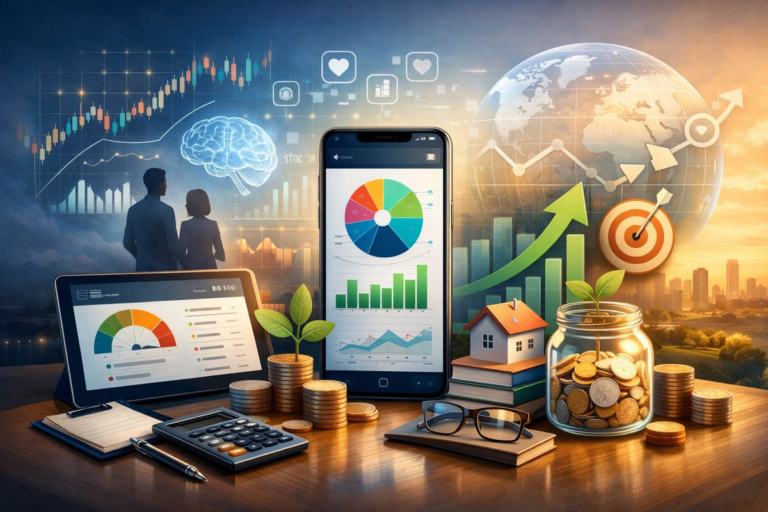
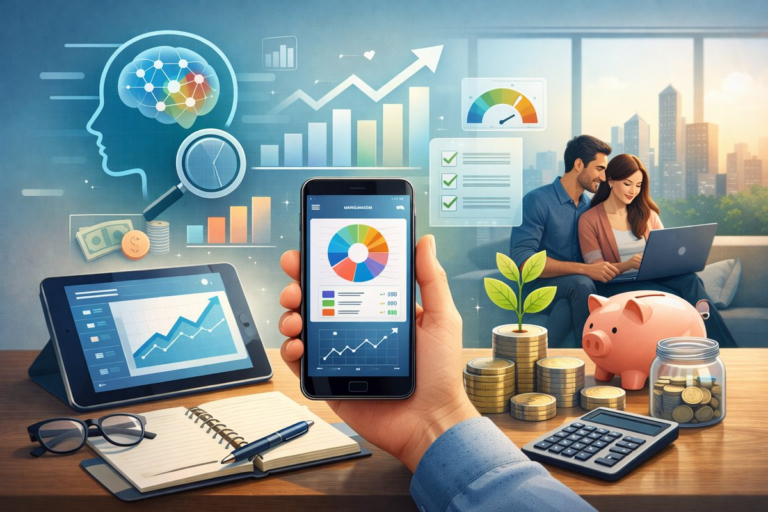
For individuals, the immediate impact of inflation is often felt in the household budget. Essentials such as food, fuel, and utilities typically see price increases first, squeezing disposable income. To counter this, consumers can start by tracking expenses meticulously, identifying discretionary spending that can be trimmed without sacrificing quality of life. Budgeting tools and apps have evolved to offer intuitive interfaces that categorize spending, set savings goals, and provide alerts for unusual activity. Leveraging these digital aids can foster greater financial awareness and discipline.
Another critical strategy is to reassess debt management. Inflation can diminish the real value of fixed-rate debts, making repayments effectively cheaper over time. However, variable-rate debts may become more expensive as central banks hike rates to tame inflation. Consumers should consider refinancing options or prioritizing paying down high-interest variable debts to reduce vulnerability to rate hikes.
Investing in assets that historically outpace inflation is a time-tested approach to preserving and growing wealth. Equities, real estate, and certain commodities often provide returns that exceed inflation rates over the long term. Diversification remains paramount, as market volatility can increase during inflationary periods. Exchange-traded funds (ETFs) focused on inflation-protected securities or sectors less sensitive to economic cycles can offer balanced exposure.
On the savings front, traditional bank accounts typically offer interest rates below inflation, leading to a gradual erosion of capital. Alternatives such as high-yield savings accounts, certificates of deposit with competitive rates, or government-issued inflation-linked bonds can help maintain real returns. Evaluating the liquidity needs alongside potential returns is essential when selecting these instruments.
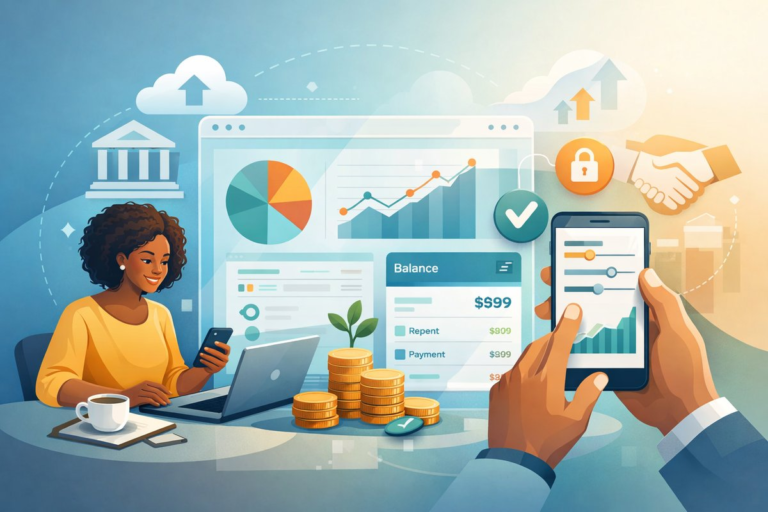
Beyond individual actions, community-based financial initiatives have gained traction as tools for resilience. Local credit unions, cooperative lending circles, and peer-to-peer platforms provide access to credit and savings opportunities that may be more flexible and attuned to members’ needs. These models emphasize transparency and shared benefit, aligning with values of financial empowerment and inclusion.
Education plays a pivotal role in navigating inflationary environments. Financial literacy programs that demystify economic concepts and promote practical skills empower consumers to make informed decisions. Online courses, workshops, and interactive simulators can help individuals understand the interplay between inflation, interest rates, and investment returns, fostering confidence in managing personal finances.
Sustainability considerations are also increasingly relevant. Inflationary pressures on energy and raw materials highlight the importance of reducing consumption and investing in energy-efficient technologies. Households can benefit from adopting sustainable practices such as home insulation, smart thermostats, and renewable energy installations, which not only lower costs but also contribute to environmental stewardship.
Emotional intelligence is vital when confronting economic uncertainty. Inflation can provoke anxiety and stress, leading to impulsive financial decisions. Cultivating mindfulness and seeking support from trusted advisors or peer groups can mitigate these risks. A balanced approach that combines rational planning with emotional awareness enhances resilience.
In summary, inflation presents multifaceted challenges that require a combination of vigilance, adaptability, and proactive planning. By leveraging technology, embracing diversified investments, engaging with community finance models, and fostering continuous learning, individuals can safeguard their financial futures. The journey toward economic confidence amid inflation is less about predicting market swings and more about cultivating sustainable habits that withstand economic fluctuations.