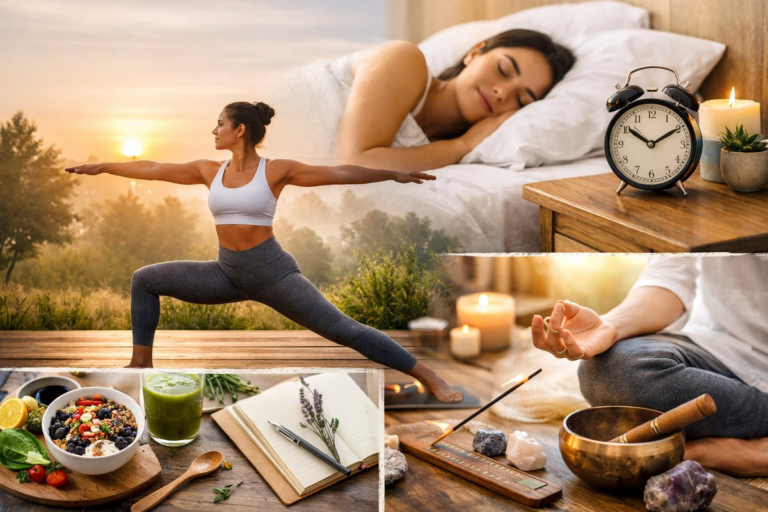
Location
Mount Vernon, WA 98274

Location
Mount Vernon, WA 98274
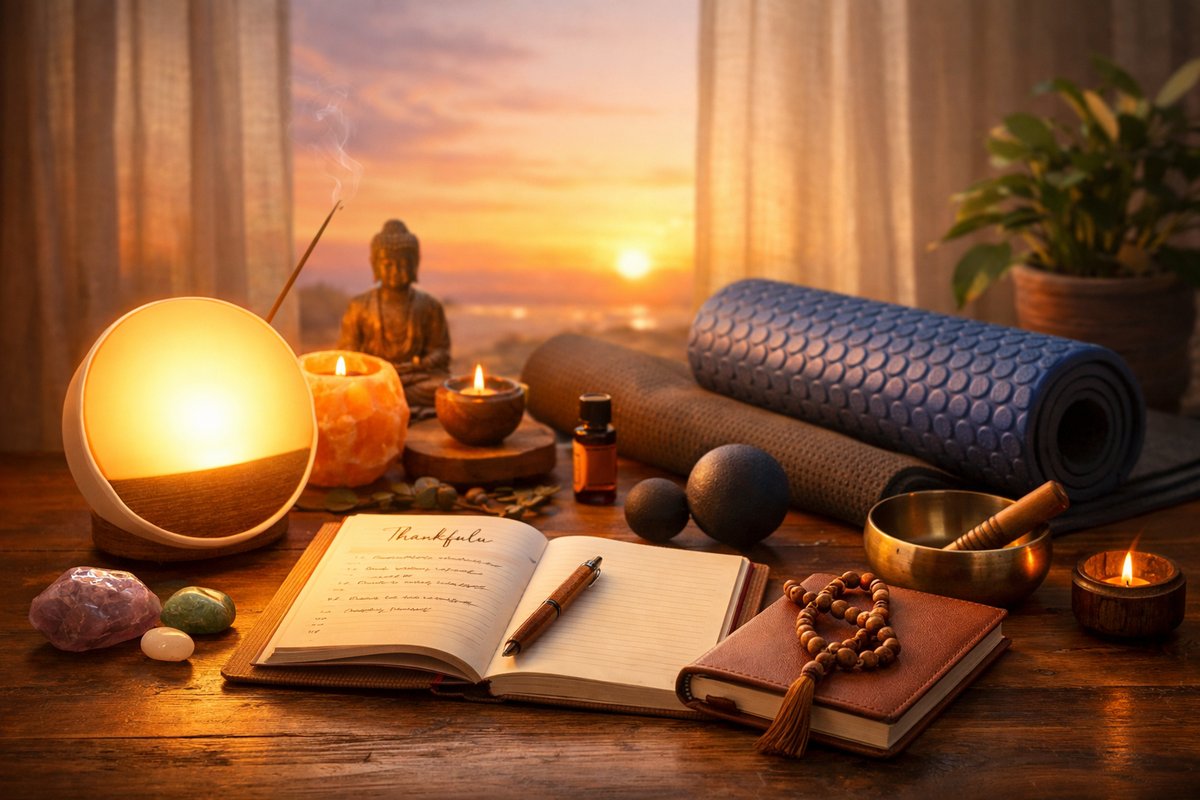
From sunrise simulation lamps to foam rollers and gratitude journals, a new wave of accessible tools is reshaping how people nurture sleep, movement, and emotional clarity. Experts say blending ancient rituals with modern devices can deliver more consistent results and make wellness feel less like a chore and more like a daily practice.
In recent years, wellness has shed its image as a fad and reemerged as an essential layer beneath every healthy lifestyle. No longer confined to luxury retreats or boutique studios, self-care rituals now fit into backpacks, bedside tables and pocket-size apps. The modern wellness toolbox is as much about low-tech rituals-morning light exposure and mindful journaling-as it is about smart gadgets engineered to support sleep cycles, range of motion and stress resilience.
Across the country, a growing number of people are combining time-tested practices with targeted tools to craft routines that address their unique needs. A 2023 survey by the National Sleep Foundation found that 68 percent of adults now use at least one device or accessory aimed at improving sleep quality. Meanwhile, a 2022 study published in Sports Medicine concluded that foam rolling before and after workouts can increase mobility by up to 15 percent over a four-week period. Taken together, these findings point to a simple truth: effective wellness doesn’t demand a single silver bullet but a well-curated collection of small, consistent supports.
One of the most visible shifts has been in sleep hygiene. Morning light exposure has long been a cornerstone of circadian rhythm alignment, but smart sunrise lamps are now making it easier than ever. These devices simulate dawn by gradually increasing brightness and shifting from warm reds to bright whites over a configurable time span. For people who struggle to wake naturally, a gentle 30-minute ramp-up can reduce grogginess and help regulate melatonin production, according to sleep clinicians.
On the other end of the day, specialized blankets and sleep aids are gaining traction. Weighted blankets provide deep pressure stimulation that mimics the sensation of a hug, promoting relaxation and faster onset of sleep. Recent trials indicate that using a weighted blanket for just 20 minutes before bedtime can lower heart rate variability and calm an overactive mind. Pairing a weighted blanket with a cool-mist humidifier or a white noise machine further enhances the experience, turning bedtime into a dedicated ritual rather than a rushed chore.
Movement tools have seen a parallel renaissance. Resistance bands, once tucked away in home gym corner, are enjoying newfound popularity. Lightweight and affordable, they allow targeted muscle engagement through a full range of motion. Many instructors now build entire virtual classes around banded squats, overhead presses and lateral walks, proving that simple elastic loops can rival free weights for muscle activation and joint stability.
Complementing bands, density-graded foam rollers and handheld massage guns address post-workout soreness and chronic tension. Foam rolling techniques date back decades, but modern rollers come in multiple densities and textured surfaces, enabling users to pinpoint muscle knots with precision. Massage guns take the concept further by delivering percussive waves into soft tissue, boosting local circulation and accelerating recovery. Physical therapists recommend integrating percussive massage into cooldowns, especially for people who train regularly or work in physically demanding jobs.
Emotional clarity has also become a cornerstone of daily practice. Guided journals with structured prompts for gratitude, goal-setting and self-reflection make it easier to cultivate a habit of introspection. Rather than an open-ended blank page, these journals offer thematic question clusters tailored to stress management, creative exploration or boundary setting. Many people report that spending as little as five minutes each evening with a guided journal reduces rumination and fosters a sense of progress over time.
Technology has crept into mindfulness, too. Meditation cushions with built-in timers and subtle vibration alerts help practitioners stay present without constantly checking their watches. Some designs also house small displays that track session length, breathing rate and rest intervals. For those prone to overthinking, guided breathing apps paired with Bluetooth-enabled headbands monitor brainwave patterns and suggest adjustment cues in real time, bridging the gap between subjective experience and objective progress.
Nutrition tools haven’t been forgotten. Portable blenders allow for nutrient-packed smoothies on the go, blending fruits, vegetables, protein powders and adaptogenic herbs into a single glass. Compact pill organizers equipped with smartphone reminders help people stay on top of multivitamins, herbal supplements and medication. Together, they turn nutrition from a rushed afterthought into a structured, measurable component of wellness.
Community remains a powerful catalyst. Digital platforms connect small groups of practitioners around shared tools-a band-only strength cycle, a nightly sleep-tech challenge or a week-long gratitude scribing workshop. By sharing progress photos, journaling prompts and tool-usage tips, these micro-tribes reinforce motivation and normalize setbacks. Even if individual members live far apart, the sense of belonging sparks accountability in ways that solo practices sometimes struggle to achieve.
Experts caution that building a personal wellness toolbox requires experimentation. What works for one person may not suit another’s lifestyle or physiology. Sleep-oriented devices should be introduced gradually-beginning with a single sunrise lamp or weighted blanket rather than an entire bedroom overhaul. Movement tools also benefit from incremental adoption. Starting with a light-resistance band and a basic foam roller before adding percussive massage can prevent overwhelm and allow users to master each technique.
Cost can be a barrier, so prioritizing versatile, multipurpose tools is key. A set of resistance bands typically covers a wide range of strength levels. A mid-density foam roller works for both calves and upper back. A guided journal can double as a sketchbook or goal planner. By focusing on foundational tools that address multiple facets of wellness-sleep, movement and emotional clarity-practitioners can build resilience without emptying their wallets.
Sustainability is another factor gaining attention. Cork-based yoga blocks, natural latex resistance bands and organic cotton sleep accessories reduce environmental impact. Some sunrise lamps now feature energy-efficient LED arrays and recyclable components. Choosing eco-friendly versions of these tools aligns with a values-driven approach to self-care, recognizing that personal vitality should not come at the expense of planetary health.
Wellness is neither one-size-fits-all nor one-and-done. It thrives on curiosity, incremental progress and the willingness to adjust as life evolves. The modern wellness toolbox, stocked with both ancient rituals and cutting-edge devices, offers a vibrant, customizable framework. Whether your priority is a deeper night’s rest, faster recovery after movement or greater emotional clarity, layering a small collection of targeted tools can transform scattered intentions into reliable routines. Each dawn simulation, foam roll or journal entry contributes to a broader ecosystem of self-care-one that recognizes even the smallest ritual can ripple outward into lasting change.