Location
Mount Vernon, WA 98274

Location
Mount Vernon, WA 98274
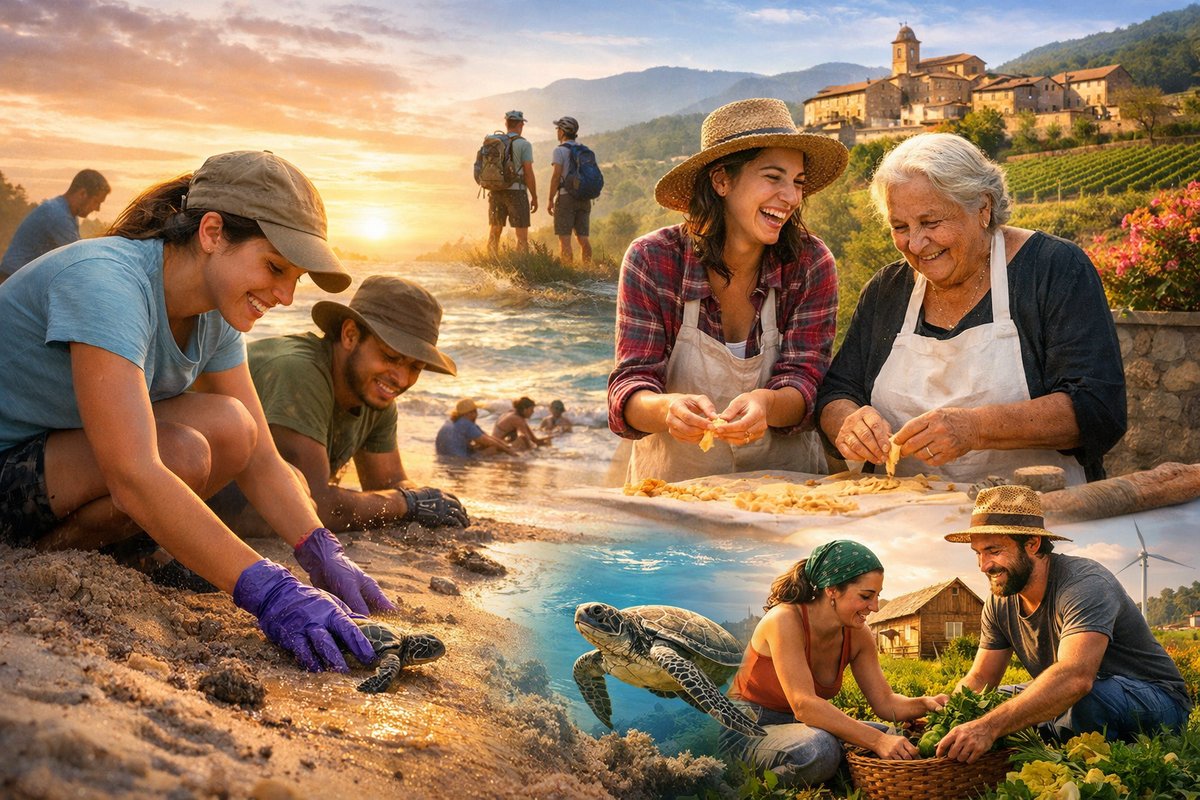
A growing wave of explorers is swapping checked-off landmarks for community engagement, cultural exchange, and environmental stewardship. From sea turtle conservation on remote beaches to hands-on farm stays in rural Italy, purpose-driven travel is reshaping how we see the world and ourselves.
In recent years, travelers have begun to look beyond the classic postcard moments. Instead of ticking off monuments and museums, a rising number of adventurers are seeking experiences that leave a positive trace: volunteering on reforestation projects, learning age-old crafts with village elders, or supporting coastal clean-ups alongside local activists. This shift isn’t just anecdotal. It reflects a deeper longing for connection, responsibility, and growth. As flight schedules rebound and borders reopen, more of us are asking not just what we can see, but what we can give.
Booking.com’s Sustainable Travel Report found that 83 percent of global travelers believe sustainable travel is vital. Meanwhile, industry analysts estimate that the voluntourism sector will grow by nearly 20 percent over the next five years. These figures underscore a collective hunger for journeys that matter. Whether postponing luxury in favor of homestays or extending itineraries to include a week with a community farm, modern explorers are reimagining the very purpose of travel. It’s no longer enough to be a visitor. Travelers want to be collaborators in local economies, guardians of fragile ecosystems, and learners in cultural classrooms.
Take the experience of volunteering in sea turtle conservation on Costa Rica’s Pacific coast. Hundreds of night-time patrols guide hatchlings safely to the surf, while local biologists teach participants about nesting patterns and marine habitats. Beyond the hands-on work, these programs often channel funds directly into coastal communities, helping support schools and health clinics. Travelers report that the simple act of carrying hatchlings to the sea captivated their sense of wonder in a way no resort ever could. It’s an encounter loaded with responsibility-and reward. Volunteers report that witnessing a turtle’s maiden voyage into the waves can imprint lifelong respect for endangered species.
For those craving cultural immersion, agritourism in Tuscany or homestays in Vietnam have emerged as transformative options. On a small family farm outside Florence, guests learn to prune olive trees, press fresh oil, and master regional recipes passed down through generations. In central Vietnam’s lush highlands, visitors join harvests of heirloom rice and sip tea with mountain-village hosts. These experiences aren’t staged for the camera; they’re woven into daily life. In return, travelers contribute to local incomes, bolster craft traditions, and foster intergenerational exchange. The result is a bond that endures long after the last olive leaf is pruned.
Eco-lodges and community-run guesthouses are helping travelers minimize their footprint without sacrificing comfort. In Iceland, geothermal-powered cabins tucked into moss-covered lava fields offer solar-heated showers and organic breakfasts sourced from nearby farms. Treehouse stays in Costa Rica’s rainforest canopy rely on rainwater collection systems and composting toilets to keep ecosystems intact. Even in urban settings, boutique hotels are integrating social impact: rooftop gardens supply their own restaurants, while rotating art exhibits spotlight refugee artists. Across these stays, the thread is clear-luxury need not conflict with ethics.
Consider Maria’s journey to Tuscany. After years of ticking European capitals off her list, she decided to sign up for a 10-day organic farming internship. Mornings were spent tending vineyards and teaching English to the farmer’s grandchildren; afternoons passed in cooking lessons that culminated in communal feasts under olive trees. By the end of her stay, Maria had mastered hand-stretched pasta, shared local family stories, and even drafted a plan to bring sustainable gardening techniques back to her hometown. She left not only with photographs but with friendships and a blueprint for community-led food projects in her own city.
To fully embrace such journeys, the right gear can make all the difference. A durable insulated water bottle keeps plastic waste at bay, while a foldable solar charger ensures devices stay powered in remote areas without relying on fossil fuels. Packable, water-resistant daypacks carry essentials on hiking trails and urban explorations alike. Lightweight hammocks double as resting spots in backyard gardens or rainforests. A waterproof travel journal captures reflections, sketches, and contact details of new friends. Reusable silicone storage bags handle snacks for beach patrols or farming breaks-no single-use plastics required. Thoughtful tools like these help travelers stay aligned with the values of stewardship and self-reliance.
Planning a purpose-driven itinerary often begins long before departure. Setting clear intentions-whether volunteering with a community center or learning local crafts-helps narrow options to impactful programs. Researching third-party certifications for sustainable hotels and eco-operators can filter out greenwashing. Connecting with past participants through forums and social-media groups offers firsthand insights into daily routines and cultural norms. Building in buffer days for rest or spontaneous community events allows travelers to adapt responsibly rather than rushing through checklists. Ultimately, intention-setting, careful vetting, and flexible pacing transform ordinary trips into meaningful exchanges.
Reflection and storytelling extend the reach of purpose-driven travel long after the journey home. Many volunteers and cultural-exchange guests keep digital or handwritten diaries, weaving observations of cultural rituals, local flavors, and environmental insights into narratives for friends and family. Sharing honest accounts on blogs or social feeds-complete with lessons learned and areas for improvement-can inspire others to travel responsibly. Some travelers return to host communities in future seasons, deepening relationships and taking on leadership roles in conservation or education initiatives. This ongoing dialogue between home and away fosters a global network grounded in curiosity and mutual respect.
As wanderlust surges anew, travelers stand at a crossroads: resume pre-pandemic patterns or choose paths with purpose. The latter offers a roadmap to more fulfilling, socially aware adventures. By partnering with local experts, embracing sustainable gear, and reflecting on experiences, purpose-driven travelers are redefining what it means to explore. The next trip may begin with a passport stamp, but it ends with a pledge-to people, to places, and to the planet. When every mile matters, travel transforms from escapism into a catalyst for positive change.