Location
Mount Vernon, WA 98274

Location
Mount Vernon, WA 98274
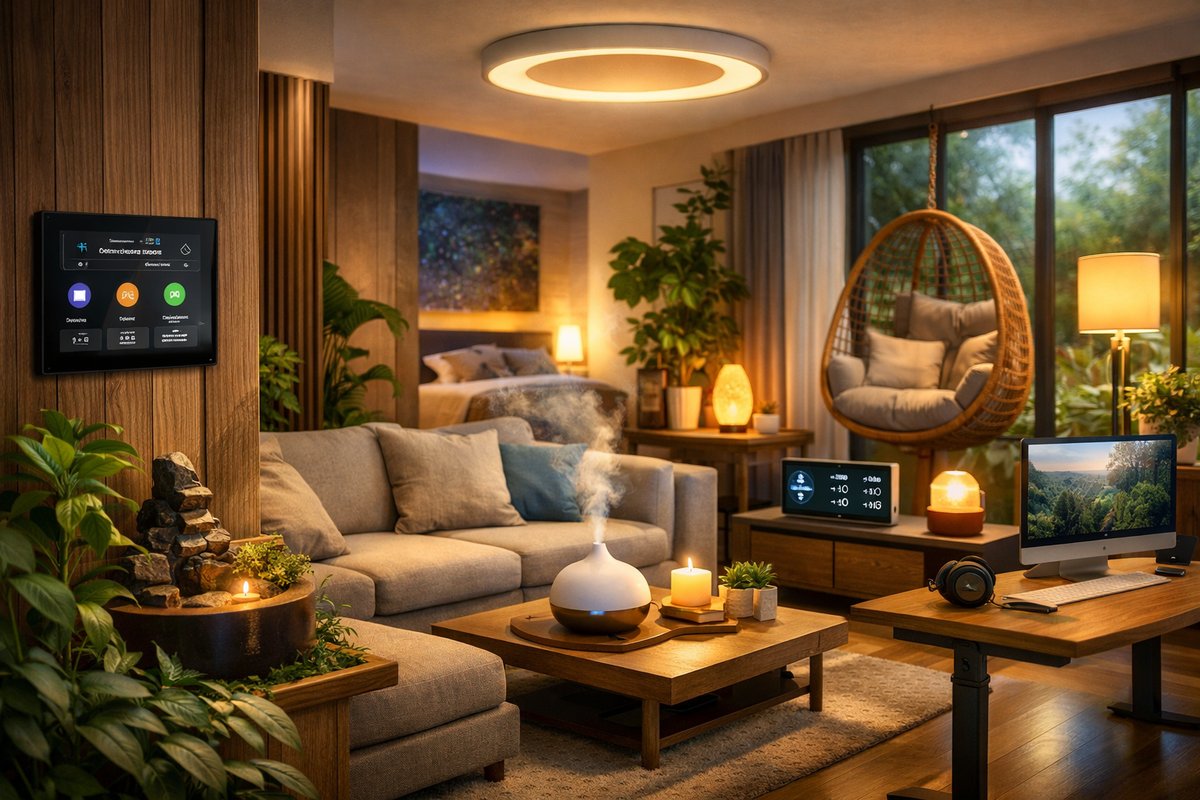
Homes are evolving beyond mere shelter into multi-sensory sanctuaries where technology, texture, and wellbeing intersect. From adaptive lighting systems to modular furniture and air quality monitoring, the latest wave of intentional upgrades promotes comfort, sustainability, and emotional harmony.
In recent months, designers and tech developers have aligned around a shared vision: the home as an intentional environment that nurtures both body and mind. Moving past one-dimensional smart gadgets and cookie-cutter decor, this new phase of residential innovation emphasizes layered experiences. Temperature sensors adjust climate while soft textiles invite pause. Dynamic lighting cycles invite focus or unwinding. Modular storage flexes to evolving routines. Across urban apartments and suburban houses alike, savvy homeowners are weaving together sensors, materials, and furniture to craft spaces tuned to individual needs and moods.
A survey by an independent wellness research group found that 68 percent of respondents consider their living space part of their self-care routine. This marks a dramatic shift from simply installing a voice assistant or running an air purifier. Today’s intentional living spaces integrate multiple systems under a cohesive strategy: to foster well-being, productivity, and sustainable practice.
Designers point to three core pillars shaping the movement: responsive technology, textural engagement, and modular adaptability. Each builds on recent breakthroughs in affordable electronics, eco-friendly materials, and open-source design. As these pillars converge, they unlock new possibilities in homes large and small.
Responsive Technology: Spaces That Listen and React
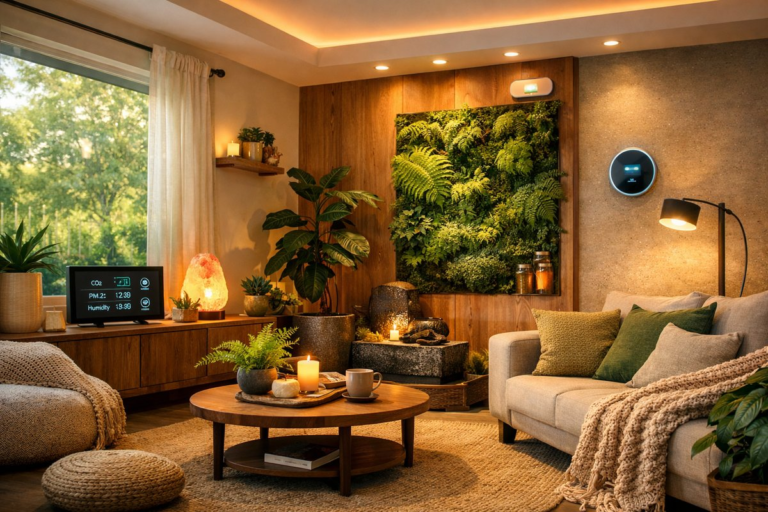
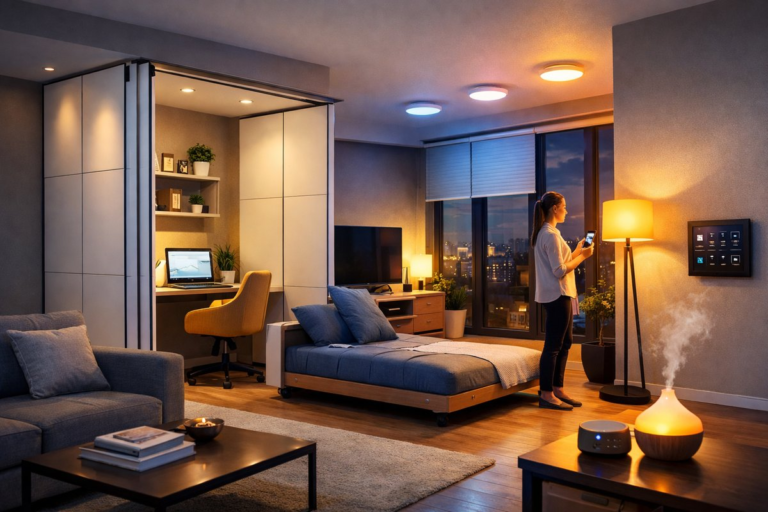
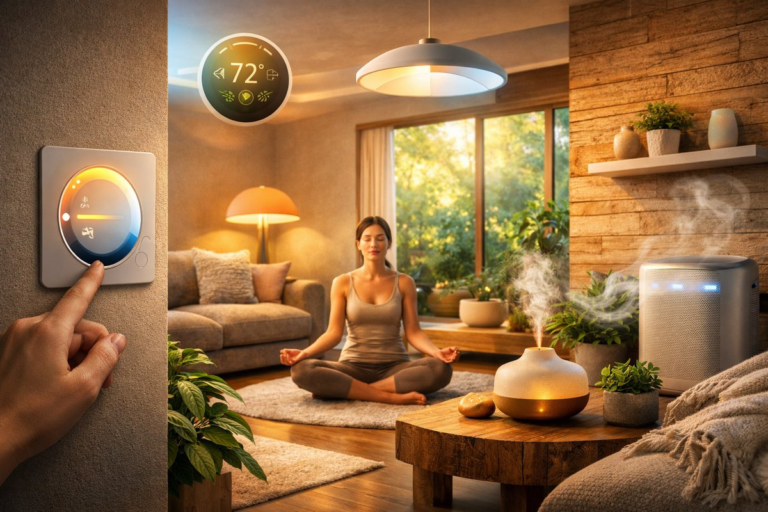
Gone are the days of one-size-fits-all thermostats. Modern climate controls use distributed temperature and humidity sensors to map microclimates within a single room. A corner with direct sunlight may need a different setting than a shaded reading nook. Wireless sensor nodes communicate with a central hub to fine-tune heating, cooling, and ventilation in real time. Paired with voice-activated assistants and smartphone dashboards, residents can monitor indoor air quality, receive alerts when humidity falls out of comfort range, and program schedules that align with daily routines.
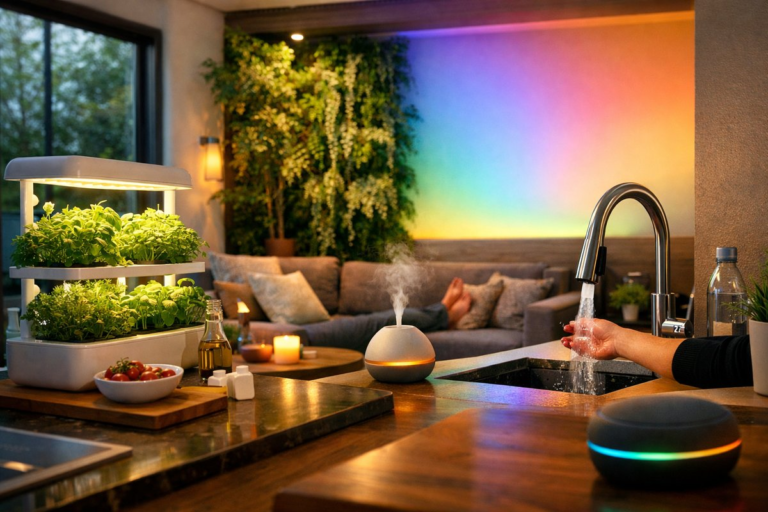
Lighting has also undergone a revolution. Circadian-adaptive LED fixtures shift color warmth across the day-cool blue in the morning to energize, soft amber in the evening to wind down. Some systems even respond to biometric feedback, such as wristband-measured heart rate, to extend waking hours or promote sleep readiness. Meanwhile, integrated motion sensors power energy savings by dimming or switching off unoccupied zones.
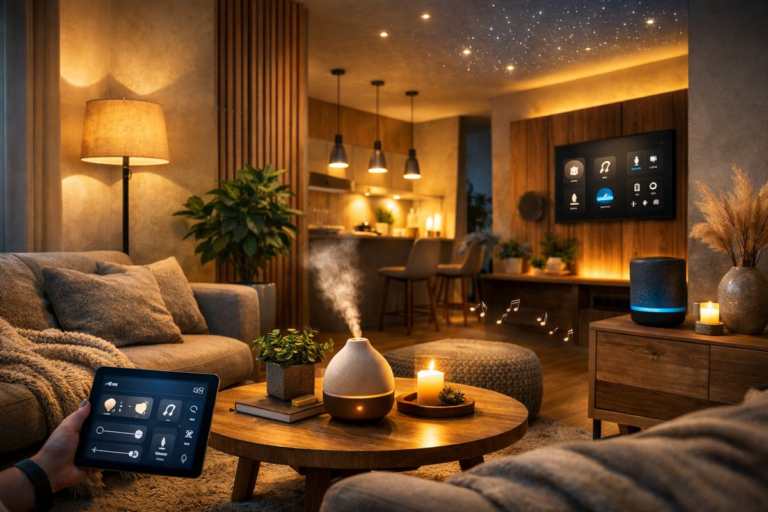
Beyond climate and light, sound and scent are joining the mix. Sound-masking modules deploy white-noise or nature recordings to cover urban clamor or create focused study environments. Aromatherapy diffusers link to schedules or mobile prompts, releasing essential-oil blends designed to uplift mood, ease tension, or support respiratory health. These multisensory controls transform passive rooms into interactive habitats that respond to inhabitants’ changing physiological and psychological states.
Textural Engagement: Materials That Anchor and Comfort
While high-tech gadgets facilitate environmental control, intentional spaces ground the senses through tactility. Designers are embracing richly textured fabrics-bouclé upholstery, hand-woven rugs, and nubby throws-to foster a sense of warmth and security. Natural fibers such as organic cotton, linen, and sustainably sourced wool provide breathability and visual interest, while recycled plastic textiles and cork panels offer eco-friendly alternatives.
Wall surfaces are getting a makeover, too. Magnetic chalkboard paints invite quick brainstorming or doodling, and modular cork tiles double as bulletin boards for notes, photos, and mood boards. In living areas, felt wall hangings soften sound reflections and introduce playful geometry. In bedrooms, quilted headboards or padded wall inserts provide both acoustical dampening and an enveloping feeling of comfort.
Layered rugs anchored by sisal or jute base pieces add groundedness underfoot, and hand-knotted accent pillows create pockets of color and pattern. Even window treatments have been rethought: sliding textile panels combine blackout and sheer fabrics to allow nuanced light filtering and privacy control alongside a tactile experience when adjusting them.
Modular Adaptability: Spaces That Evolve
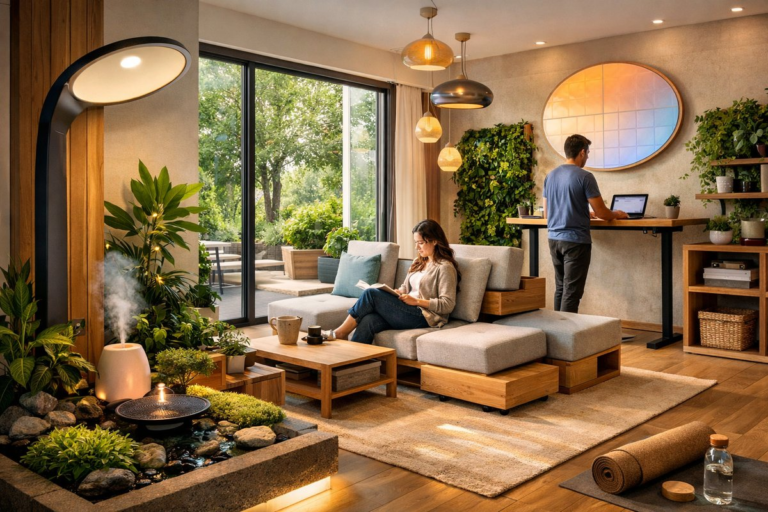
Intentional living environments embrace change. Modular furniture systems-interlocking shelving units, expandable tables, and stackable seating-encourage reconfiguration as needs shift. A corner office can morph into a yoga alcove within minutes; a compact dining set can expand for guests or contract for everyday use.
Open-ended wall tracks and slat-wall panels enable floating desks, planters, and light fixtures to hitch anywhere along horizontal runs. Magnetic fasteners allow artwork, mirrors, and storage bins to be repositioned without leaving holes behind. Even kitchen islands are getting modular wings: detachable prep counters, rolling cart attachments, and fold-down leaf extensions let homeowners scale work surfaces to the menu or party size.
Behind these physical systems are digital tools-room-planning apps and augmented reality previews-that help users visualize different layouts before moving a single chair. Community-driven online repositories share configuration tips, downloadable hardware templates, and paint color palettes to spark ideas.
Sustainability Underpins Every Choice
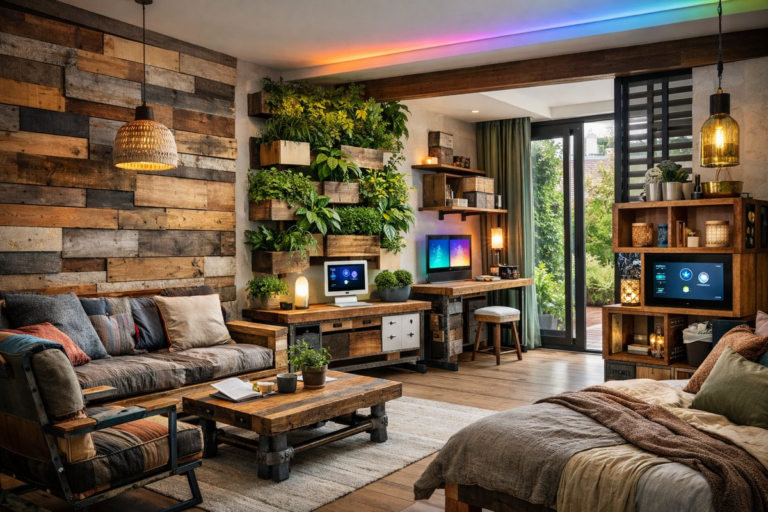
Across technology choices, material selections, and modular planning, sustainability is a guiding value. Low-power wireless protocols, closed-loop material sourcing, and minimal-waste manufacturing ensure that intentional upgrades don’t trade environmental cost for personal comfort. Reclaimed wood slat panels and recycled PET cushions are rising stars in supply catalogs, while motion-activated power strips reduce stand-by energy waste. Even packaging is getting a redesign: flat-pack delivery with compostable fill materials is becoming standard for modular furniture brands that prioritize circular-economy thinking.
Well-being as Design Mandate
Mental health experts note that sense-rich environments can reduce stress levels, improve sleep quality, and sharpen cognitive performance. Color-tuned lighting has been correlated with shorter reaction times and improved mood. Varied textures stimulate the tactile nerve endings that foster calm attention. Controlled air humidification eases allergy symptoms and throat dryness. Combined, these elements constitute a holistic approach to wellbeing that extends beyond gym memberships and supplement regimens.
In some urban pilot programs, affordable-housing developments are integrating basic sensor suites and curated textile packages for tenants. The goal is to study how these features impact resident health metrics and productivity. Early data suggests a measurable uplift in occupant satisfaction and lower rates of absenteeism among work-from-home residents.
Making It Personal
Despite overarching trends, the essence of intentional living spaces is personalization. A minimalist devotee might prioritize sleek touch-dim LED tubes and neutral tactile panels, while a hobbyist chef may choose modular pot racks, adjustable task lighting, and easy-clean stone backsplash zones. Families can designate dedicated creativity corners with chalk paint walls and open shelving for craft supplies. Pet owners can integrate air purifiers with pet-allergy filters, washable upholstery slipcovers, and motion-sensor night lights in hallways to keep paws safe after lights-out.
Getting Started: A Step-By-Step Roadmap
1. Audit your current environment. Note areas of glare, draft, or echo. Measure humidity and temperature fluctuations over a week.
2. Define objectives. Is your priority restful sleep, workday focus, or energy-efficient climate control? Rank these needs and allocate budget accordingly.
3. Layer solutions. Begin with one control system-perhaps a set of wireless temperature sensors and an adaptive LED lamp. Add acoustic panels or a soft-textured rug next. Introduce modular furniture once core comfort controls are in place.
4. Opt for open standards. Choose devices and materials that play well with others-wireless controllers compatible with major smart-home protocols, modular furniture with universal hardware kits.
5. Customize aesthetics. Select fabric swatches, paint chips, and accent finishes that harmonize with existing decor and personal tastes. Remember that textures can carry color without overwhelming a palette.
6. Monitor and adjust. Use companion apps or simple check-in questionnaires to assess comfort levels and functional performance. Tweak lighting schedules, redistribute shelving components, or swap out diffuser blends until you find your personal equilibrium.
Future Directions
Looking ahead, we can expect deeper integration of biometric feedback in home systems-chairs that sense posture and gently prompt realignment, carpets that detect foot traffic imbalances, and lighting that responds to skin temperature changes. Artificial-intelligence-driven interior design assistants may soon recommend material pairings based on psychological profiles and real-time mood analysis.
Emerging materials such as phase-change thermal fabrics and photoluminescent wall coatings could further blur the lines between active systems and passive surfaces. Meanwhile, collaborative platforms will expand, allowing neighbors to share sensor data and jointly optimize microclimates across building complexes.
In this evolving landscape, one principle holds true: intentional living spaces are not static showcases but living ecosystems. When you equip your home with responsive technology, tactile materials, and adaptable structures, you create a canvas for lifelong discovery and well-being. The next wave of home upgrades is less about installing gadgets and more about crafting experiences that resonate with individual rhythms and values.
In the end, the intentional home is a partner in daily life-a space that anticipates needs, celebrates sensory richness, and grows alongside its inhabitants. By reimagining each corner, surface, and atmosphere, you can forge a deeper connection with the place you call home, transforming it into a genuine sanctuary of comfort, creativity, and care.