Location
Mount Vernon, WA 98274

Location
Mount Vernon, WA 98274
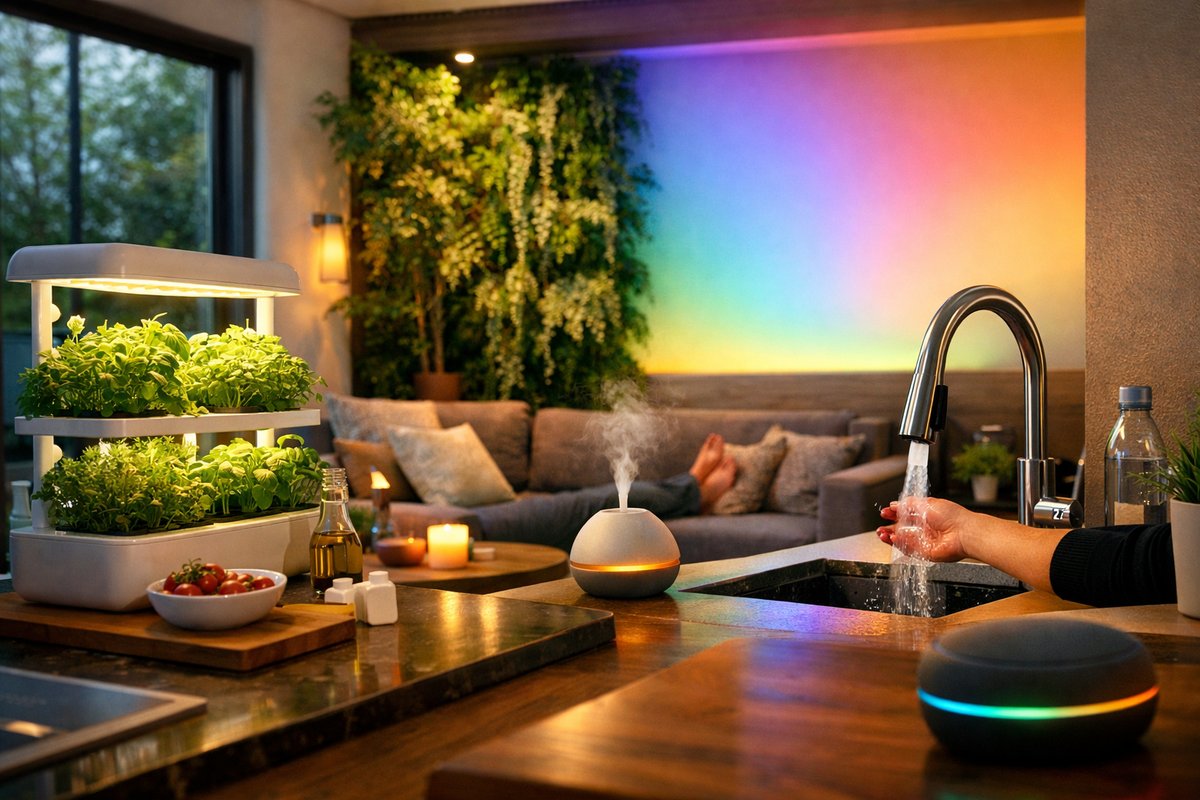
Today's homeowners are marrying technology and tactile comforts, crafting living environments that anticipate moods, support wellbeing, and anchor sustainable practices. From hydroponic herb gardens to motion-sensing faucets and adaptive LED backdrops, a new wave of context-aware upgrades is reshaping how we inhabit our spaces.
Home design has entered an era where functionality and feeling collide. In living rooms, kitchens and bedrooms around the world, a growing cadre of homeowners is pursuing an ethos of intentional living-leveraging connected gadgets, sustainable materials and sensory design to create environments that respond to personal needs and emotions.
Industry research indicates the global market for smart home devices surpassed $50 billion recently, with an annual growth rate above 20 percent. Yet the current wave goes beyond dashboards and remote controls. Rising expectations for privacy, wellness and eco-friendliness are giving birth to installations that are context-aware, resource-conscious and emotionally intelligent. Here’s a look at how this next frontier of home upgrades is unfolding-and how any curious homeowner can join the movement.
Smart Lighting Meets Biophilia
Gone are the days when an LED bulb simply turned on or off. Contemporary lighting systems integrate color temperature, brightness levels and circadian cues in a finely calibrated spectrum. One homeowner we spoke with has programmed a warm sunrise sequence in her bedroom to ease morning grogginess, followed by a cool, focused daylight setting for her home office. After work, the lights gradually shift to soft ambers and reds that support evening relaxation.
But it’s not just about color cycles. Many setups now leverage sensor-based adjustments tied to outdoor light levels or occupancy. An entryway lighting array might sense dusk and illuminate a path without requiring a switch flip. In living rooms, motion-triggered fixtures welcome you home, while in hallways, soft night-path lighting guides midnight trips to the kitchen. This level of customization weaves convenience and wellbeing into the fabric of daily life.
Growing Wellness from the Roots Up
Indoor greenery has shifted from decorative afterthought to functional fixture. Countertop hydroponic herb garden kits-with built-in LED grow lamps and automated nutrient delivery-are sprouting in kitchens. Users harvest fresh basil, mint and microgreens year-round, reducing food miles and infusing interior air with natural humidity.
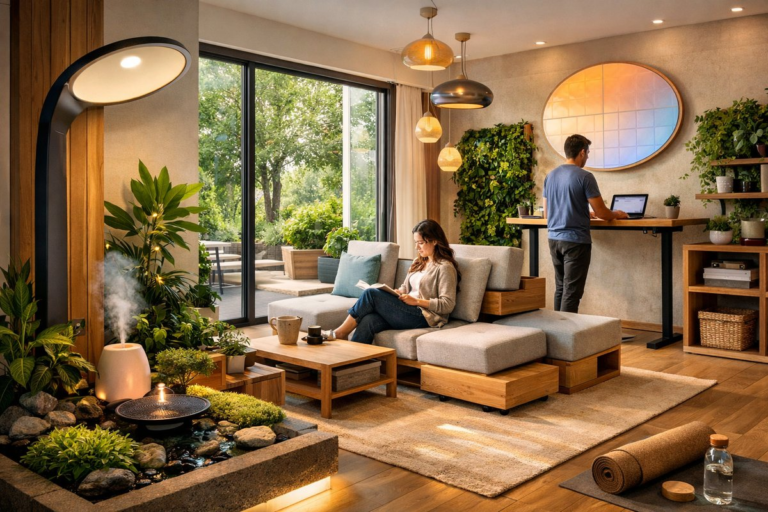
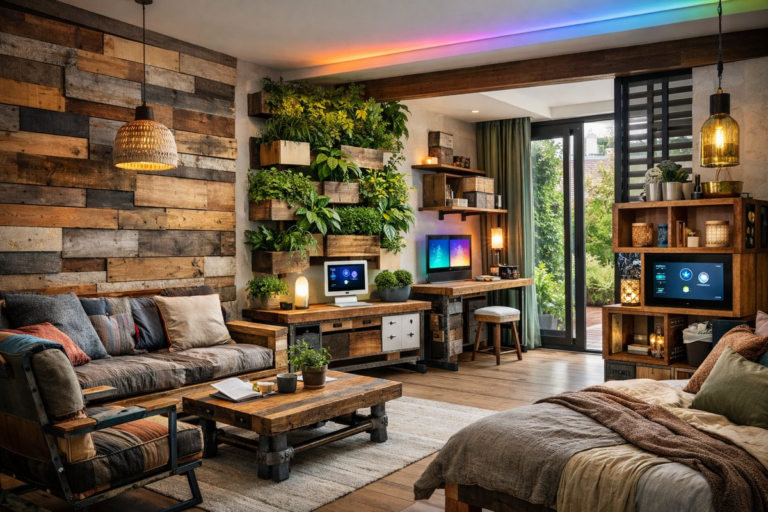
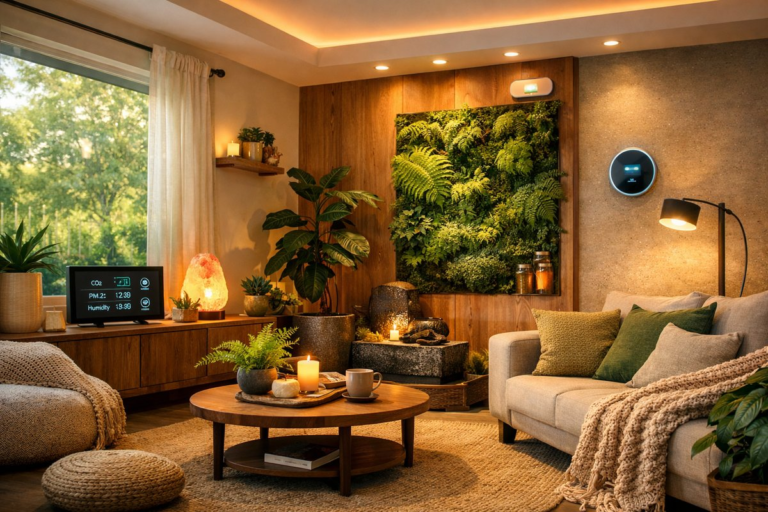
On a larger scale, modular indoor garden walls combine reclaimed wood framing with potted plant hangers. These living tapestries not only filter airborne pollutants but also introduce a biophilic rhythm that research shows can lower stress and boost productivity. Thanks to small soil-moisture sensors and mobile notifications, plant care no longer feels like a chore: when moisture dips below a set threshold, the system sends a reminder to water the foliage or activates a drip-irrigation pump.
Water Wins: Touchless and Transparent
The kitchen, long the heart of family life, is undergoing something of a renaissance in wellness design. Motion-activated, touchless faucets help prevent cross-contamination and reduce wasted water. In some installations, sensors link to digital water meters that display real-time usage on a sleek countertop panel-reminding cooks to adjust workflow and minimize runoff.
At-home composting bins dish off kitchen scraps in odor-controlled chambers, turning vegetable peels into nutrient-rich soil boosters. When paired with local herb gardens, they close a loop on organic waste that once piled up in trash bins.
Modular Living Zones for Agile Spaces
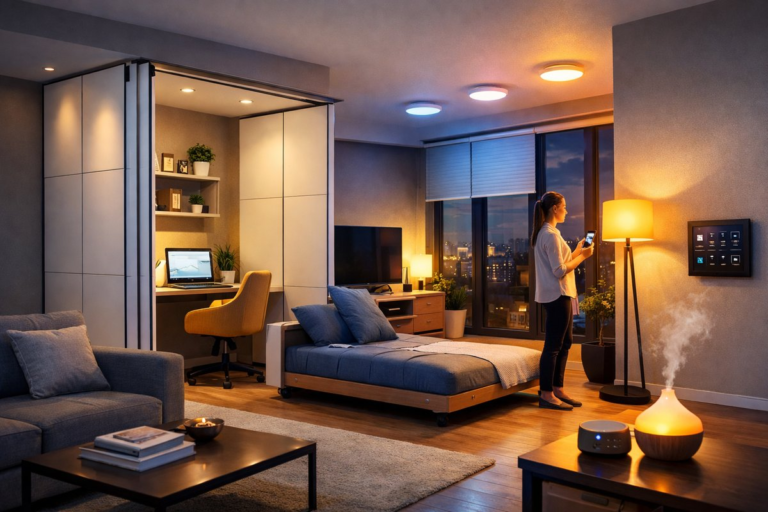
In tight urban apartments or multi-generational homes, flexibility is paramount. Modular shelving units on casters, fold-away wall beds, and panel systems that switch from sliding privacy screens to writable whiteboards are carving out zones that flex between work, rest and play. A central element tying these areas together is a programmable LED light strip that “underlights” shelves, desks or bathroom mirrors. Through an app, users create custom scenes-an energizing blue-white glow for focused tasks, a soothing amber ambiance for winding down.
Beyond aesthetics, these modular systems foster intentional transitions. Parents can signal homework time by dimming living room lights and illuminating study shelves, while evenings might see the reverse: bright task lights in the kitchen, warming floor-level glow by the sofa.
Context-Aware Soundscaping
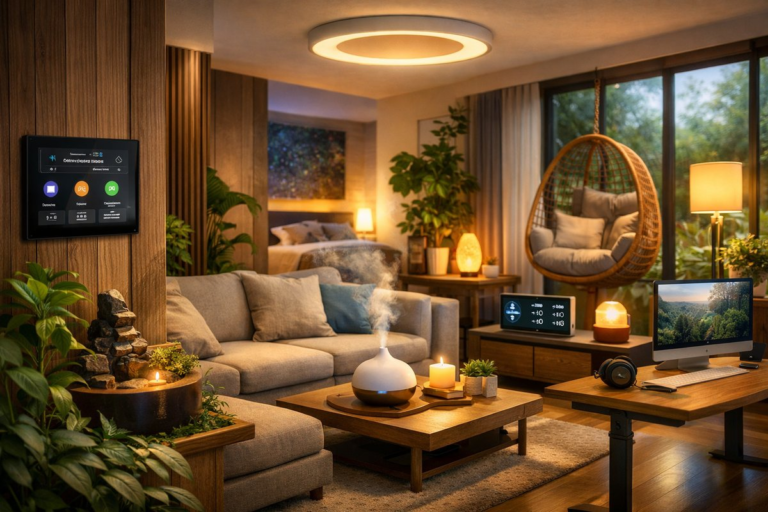
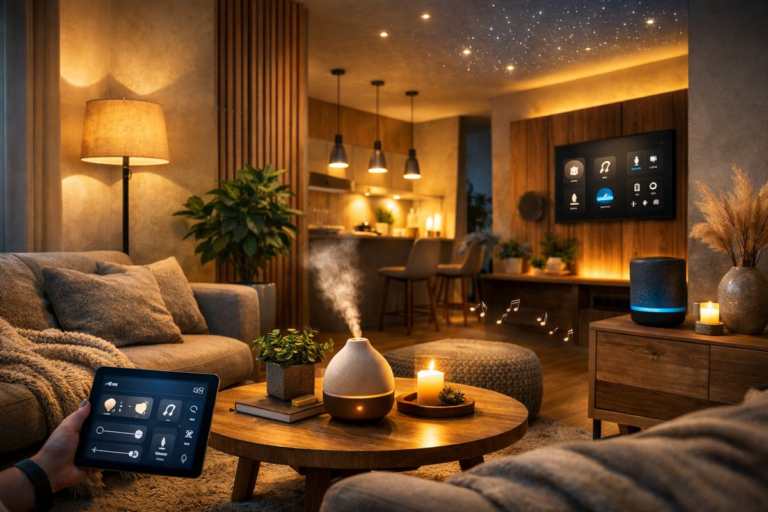
Music and ambient sound have leapt from stereo cabinets to whole-home soundscapes. Wireless speakers now communicate with lighting controls and smart thermostats to craft synchronized atmospheres. Imagine a morning chorus of gentle birdsong as blinds rise, followed by soft jazz in the kitchen and dynamic white noise in your home office to boost concentration. When dinner begins, a low-frequency lounge beat pulses through dining speakers while under-counter lights shift to a candle-lit amber palette.
Rather than manually cue playlists, homeowners are using programmable scenes: one tap on a mobile dashboard cues a multisensory profile adapted to mood or time of day. Speaker groups distribute tracks evenly across rooms, redistributing sound if someone moves between spaces.
Material Choices Rooted in Sustainability
Intentional living extends beyond tech to the very surfaces and textiles that form our interiors. Cork flooring harvested from regenerated bark offers warmth underfoot and innate acoustic damping. Reclaimed wood accent walls-gleaned from decommissioned barns or salvage yards-impart rustic character without the carbon footprint of fresh lumber.
In kitchens and bathrooms, recycled glass countertops made from post-consumer bottles are rising in popularity. Their flecked patterns disguise minor scratches and chips, and their manufacturing processes often use less water and energy than traditional stone quarrying. Paints and finishes tout zero-volatile-organic-compound (VOC) formulas that don’t off-gas harmful chemicals, preserving indoor air quality-especially important in newly renovated spaces.
Privacy as a Design Centerpiece
With more homes running dozens of networked sensors and voice assistants, privacy concerns have soared. The latest wave of products sidesteps public clouds, instead processing data locally on a home hub. Cameras that once uploaded footage to remote servers now store encrypted clips on user-owned hardware. Voice-activated devices filter wake words at the device level, only sending anonymized commands to external services.
For many, this shift from surrendering data to tech companies toward personal control is as vital as any aesthetic or wellness benefit. Municipal regulations in some regions now require clear labeling of data practices on new smart appliance packaging-mirroring nutrition labels on groceries.
Mapping Emotional Intelligence
True intentionality in home design recognizes that spaces can read and respond to our emotional states. Emerging systems combine wearable heart-rate sensors or smart rings with environmental controls, creating loops of feedback. After tracking elevated stress indicators in a late-evening work session, the system dims harsh lighting and plays low-frequency tones proven to induce relaxation. A home’s “emotional intelligence” thus becomes a supportive partner in daily rituals from productivity to personal downtime.
Getting Started with Purpose
For homeowners eager to experiment, experts recommend a phased approach:
• Identify a priority zone-kitchen, living room or home office-and select two or three upgrades that align with goals for comfort, convenience and sustainability.
• Opt for devices with local-control options and open APIs to avoid vendor lock-in.
• Sample finishes-like zero-VOC paint swatches or reclaimed-wood planks-before committing to large surfaces.
• Embrace modularity; choose plug-and-play shelves and lighting that can move with you in future homes or be resold.
Ultimately, intentional living spaces share a common thread: they empower inhabitants to shape environments that mirror personal values-whether rooted in ecological stewardship, health, or mindful presence. As the lines between brick-and-mortar and digital weave tighter, homes will grow ever more attuned, welcoming us not only as structures but as responsive sanctuaries.
Imagine waking to a gentle chorus of nature sounds, footsteps triggering soft pathway lights, your kitchen herb garden ready for harvest, and an ambient soundtrack cued for your morning ritual-all without lifting more than a finger on your device. That vision of seamless, intentional living is no longer a distant dream; it’s quietly unfurling in homes across the globe.