Location
Mount Vernon, WA 98274

Location
Mount Vernon, WA 98274
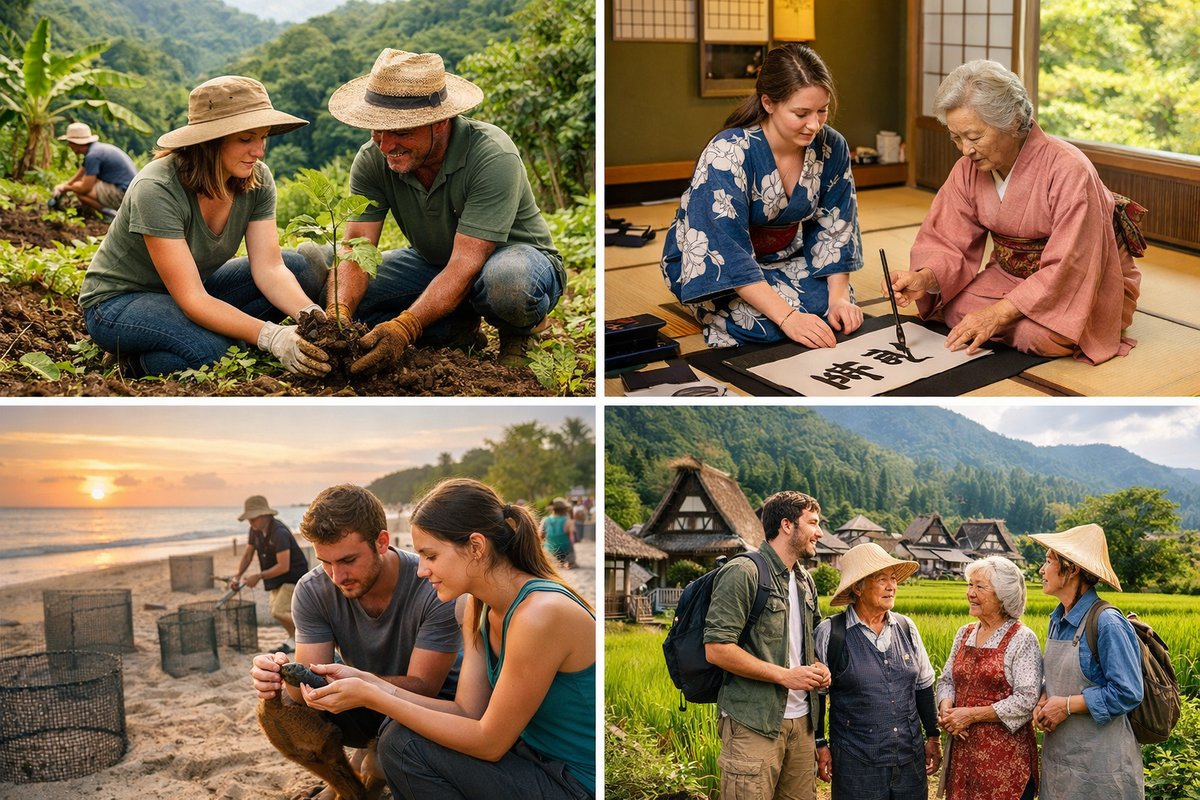
More travelers are swapping postcard snapshots for hands-on engagement, seeking community-led conservation, cultural revitalization and regenerative tourism. From agroforestry projects in Costa Rica to rural homestays in Japan, purposeful journeys are transforming the way we explore.
In the sun-dappled hills of central Costa Rica, a new breed of traveler is charting courses not just to tick off landmarks but to leave a positive trace on communities and ecosystems along the way. These purposeful explorers are breaking with the run-of-the-mill itinerary, swapping crowded tours for community-led agroforestry projects, guided river cleanups and cultural immersion workshops. Locals guide small groups through the regeneration of former cattle land back into native forest, teaching participants how to plant seedlings and monitor wildlife. For many, the chance to learn-and to give back-has become the real attraction.
Data confirms this shift: according to a 2023 United Nations World Tourism Organization report, nearly 60 percent of travelers now say they prioritize meaningful engagement over traditional sightseeing. A separate survey by a global travel research firm found that 45 percent of respondents would choose a volunteer-centered stay over a conventional resort package. This movement has given rise to a diverse ecosystem of eco-lodges, social enterprises and online platforms dedicated to matching curious voyagers with local impact opportunities.
One of the fastest-growing options is agroforestry volunteering. In Costa Rica’s Central Valley, dozens of small farms have partnered with international conservation nonprofits to host short-term crews. Guests spend mornings planting hardwood saplings alongside mango and avocado trees, afternoons surveying reintroduced quetzals or jaguars with camera traps, and evenings sampling farm-to-table meals where chocolate comes straight from on-site cacao trees. Beyond the ecological benefits, participants report a stronger sense of connection to the place and to each other, turning complete strangers into collaborators in a shared mission.
In southern Europe, a network of eco-villages on the Greek islands has seized the moment by offering restoration residencies. Ancient masonry walls are rebuilt using traditional techniques; permaculture gardens flourish among olive groves; and dilapidated coastal watch towers are stabilized by volunteer carpenters. These projects not only preserve fragile heritage sites but generate off-season income for local families. Visitors learn local phrases and cooking methods in exchange for hands-on labor, creating genuine cultural exchange rather than the one-way flow of tourism dollars.
Back in North America, guided trail building in national parks has surged in popularity. Small volunteer cohorts partner with park rangers to refurbish erosion-prone paths, install informative signage and plant native grasses on disturbed slopes. In one national park survey, 70 percent of respondents said they felt more invested in conservation efforts after a single week of service. Park officials note that these visitors return home as “ambassadors,” raising awareness and funds in their hometown networks long after the trip ends.
Farther east, rural revitalization initiatives in Japan’s mountain hamlets offer travelers the chance to live alongside rice farmers, craftspeople and storytellers combating rapid urban migration. One program combines traditional ribbon-weaving workshops with guest-host families who teach noodle-making using local buckwheat. Participants help harvest tea leaves for local cooperatives and join ceremonial sake tastings at centuries-old breweries. In return, villages gain new channels to sell artisanal goods and inspire a younger generation to remain or return.
Digital nomads have also embraced purpose. Remote work meets remote volunteering in hybrid models where mornings are spent responding to emails and afternoons are devoted to teaching English or coding skills at underserved rural schools. Online networks now facilitate skill-share exchanges: a graphic designer from Europe might help a community center craft promotional materials, while spending weekends kayaking alongside volunteer debris removal crews on nearby rivers.
Meeting these ambitions requires careful planning and the right gear. Travelers emphasize the importance of durable hydration solutions like portable water purification bottles, reliable power sources such as lightweight solar power banks, and offline navigation tools on smartphones to reach remote project sites. Multi-purpose clothing-from packable rain jackets to convertible trekking pants-ensures flexibility across climates. And sustainable toiletries in refillable containers cut down on single-use plastics whenever grid-connected accommodations are scarce.
Booking has become more transparent, too. Dedicated platforms now vet impact projects for genuine community leadership, fair labor practices and measurable ecological outcomes. Prospective volunteers review case studies, speak with project coordinators over video calls, and examine annual reports before committing. This vetting process has reduced greenwashing and volunteer tourism pitfalls, ensuring that local stakeholders set priorities rather than external agendas.
Building trust on the ground is critical. Long-term partnerships between local NGOs, small businesses and visiting cohorts help align schedules, budgets and cultural expectations. In some regions, travelers contribute not just time but microgrants for equipment, seeds or educational materials. This approach shifts the narrative from “volunteer tourism” to “co-creative collaboration,” where visitors and hosts work side by side as equals.
Many purposeful travelers also look beyond the trip itself, offsetting carbon emissions through verified reforestation and renewable energy funds. They pack lighter to reduce fuel consumption, choose overland transport when possible, and embrace slow travel to deepen relationships instead of ticking off multiple countries in a single sprint. Such mindful practices often have the added benefit of lowering travel costs and enhancing cultural immersion.
Yet the journey isn’t without challenges. Volunteers must be ready for limited creature comforts, shifting schedules and occasionally unpredictable weather. Measuring the true impact of a short-term stay can be difficult; not all projects track outcomes robustly, and some host organizations struggle with resource constraints. Seasonality can also constrain availability, requiring flexible calendars and backup plans.
Still, the movement shows no signs of slowing. Travel industry analysts predict that purposeful itineraries will account for up to a quarter of all bookings at specialty tour operators within the next five years. As newcomers seek deeper meaning, the traditional boundaries between vacation, service and education continue to blur. Purpose-driven journeys are fast becoming the new benchmark for what adventure looks like in the modern era-and for many, the added reward of leaving a lasting, tangible benefit behind is what turns a simple getaway into an unforgettable mission.