Location
Mount Vernon, WA 98274

Location
Mount Vernon, WA 98274
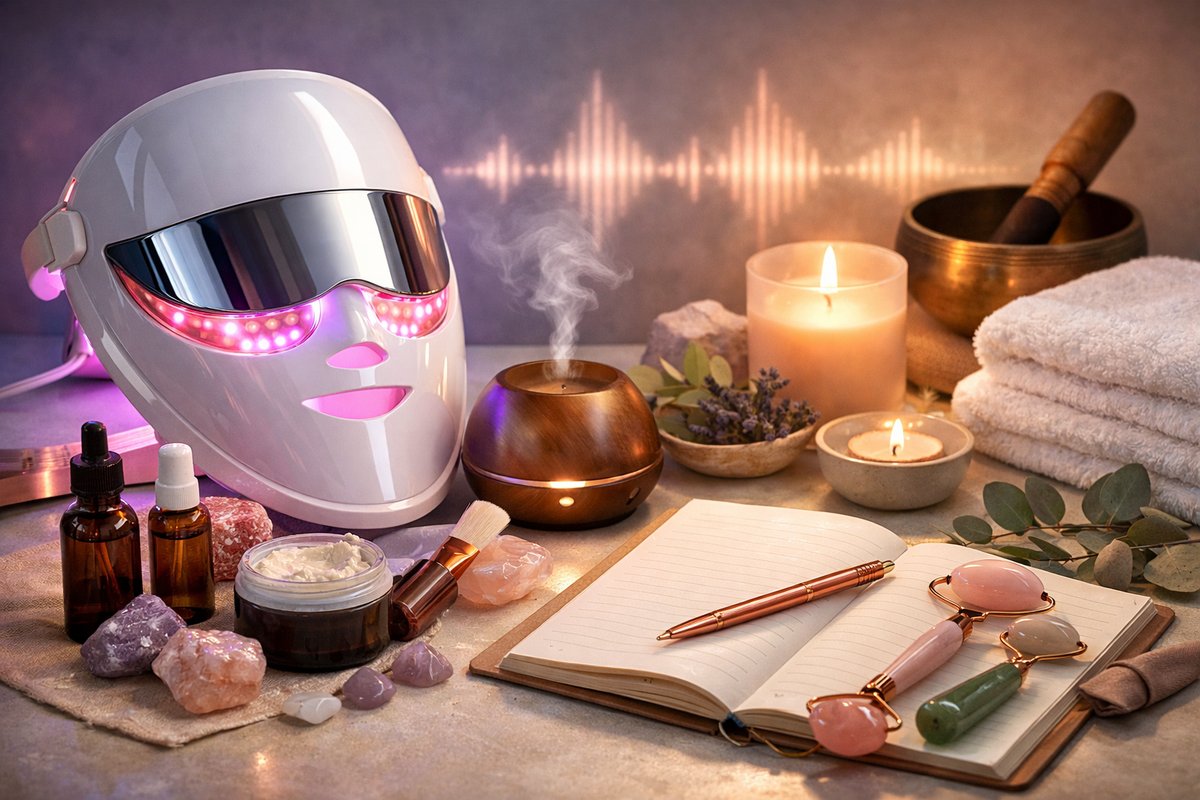
A fresh wave of at-home beauty techniques is merging science, sound and scent to elevate the everyday skincare ritual. From LED light masks to aromatherapy-infused masks and mindful journaling, discover how multi-sensory self-care is reshaping our relationship with skin and spirit.
Beauty routines have long been defined by serums, creams and techniques that promise visible results in the mirror. Now a growing movement at the intersection of science, mindfulness and holistic wellbeing is inviting skincare enthusiasts to engage more senses-sight, sound, scent and touch-to transform daily care into an immersive ritual. As researchers unveil new data on how light therapy and vibration interact with the skin, practitioners are adding sound bowls, essential oils and guided journaling to create a deeper, more personal experience. This fusion, often called multi-sensory skincare, is rapidly reshaping both product design and self-care culture.
At the heart of the trend is technology that was once reserved for professional clinics. Full-face LED light therapy masks, once found only in treatment rooms, are now compact enough for a nightly session on the couch. Studies published by dermatology departments at leading universities show that red and near-infrared wavelengths can stimulate collagen production, accelerate skin repair and reduce inflammation with a gentle warm glow. In one trial, participants reported a 30 percent increase in skin elasticity after four weeks of consistent nightly LED sessions. Hardware developers have responded by integrating adjustable light intensities, timer controls and safety cut-offs into sleek at-home devices that look more like futuristic goggles than clinical equipment.
While light stimulates internal processes at a cellular level, vibration and sound target deeper layers of relaxation and circulation. Ultrasonic cleansing brushes, which emit high-frequency micro-vibrations, provide not only a more thorough removal of oil and dead skin cells but also a soothing massage effect. Beyond cleaning, sound-based facial tools are gaining popularity. A recent pilot program conducted by an integrative therapy center paired quartz sound bowls with guided delivery of hydrating serums. The low hum frequencies were tuned to calm the nervous system, creating a feedback loop that researchers believe may boost the skin’s absorption of active ingredients.
Complementing the technological side, aroma has returned as a central element. Essential oils like lavender, ylang-ylang and geranium have long been used in traditional rituals, but modern formulations marry these scents with microencapsulation methods that release aroma in response to warmth or gentle pressure. A night mask infused with a microencapsulated blend of chamomile and mandarin oil releases a subtle scent each time you smooth the product across cheekbones. Sleep quality metrics from wearable trackers in a recent pilot group showed a 15 percent improvement in rapid-eye-movement cycles when participants incorporated an aromatherapy mask into their bedtime routine.
Spa and wellness destinations have also begun offering multi-sensory signature treatments. One urban retreat designed a “Five Elements Facial” that combines a warm jade roller, soft chimes, wood-infused steam and a tea ritual. Guests are guided through breathing exercises while soundscapes shift from forest recordings to low drums, aligning with each step of the facial. Staff report that clients often describe an almost meditative state by the time they rinse off the final mask, and follow-up surveys indicate a more lasting glow versus a traditional facial.
For those preferring a DIY approach, blending a few key tools and techniques at home can deliver similar effects. A simple ritual might begin with a five-minute breathing exercise, using a handheld sound chime to anchor attention. Next, an exfoliating mask is applied in gentle upward strokes with a ceramic mixing bowl and spatula, warming the product between the palms first. As the mask sets, one inhales from an essential oil diffuser tuned to a relaxing blend of vetiver and bergamot. The final step involves a handheld LED mask for ten minutes, allowing the skin to absorb active peptides while the mind settles into quiet reflection.
Inclusivity has become a guiding principle in this new era of skincare. Brands and creators are paying attention to texture and scent profiles that work across a wide range of skin types and sensitivities. Fragrance-free LED serums, silicone-free cleansing brushes and adjustable aroma profiles ensure that individuals with fragrance allergies or reactive skin can still participate fully in the ritual. Makeup artists and estheticians emphasize that skincare is not about chasing a single ideal of beauty but about co-creating experiences that feel nourishing and empowering for each person.
Sustainability is woven into the movement as well. Bamboo-handled gua sha tools, glass serums with biodegradable caps, and refillable aroma pods reduce single-use waste. Companies are exploring upcycled botanical extracts-rose stem cells from discarded petals, green tea catechins from spent leaves-to formulate serums that close the circular loop. Even LED masks are being designed with modular light panels that can be replaced easily, extending the device’s lifespan and cutting down on electronic waste.
Experts from diverse fields are lending their voices. A board-certified dermatologist highlights the growing body of peer-reviewed research around photobiomodulation, confirming safety and efficacy when protocols are followed. A certified sound healer remarks that our skin is intimately connected to our nervous system, so diffusing gentle frequencies can amplify relaxation and let active ingredients sink deeper. An aromatherapist warns that potency and purity matter: “Synthetic fragrances may smell nice, but they don’t carry the same therapeutic profile as cold-pressed essential oils.” Their consensus: multi-sensory skincare isn’t a gimmick but an evolution toward richer, more mindful self-care.
Integrating these elements needn’t require an overhaul of your existing routine. Start by adding one new sensory component-perhaps a ceramic bowl to mix a clay mask with spring water and a drop of essential oil. Replace a nighttime routine of scrolling on your phone with a gentle LED session paired with soft chimes. Keep a simple skincare journal to note how each sensory shift affects mood, texture and overall skin health. Over time, you’ll discover which combinations feel intuitive and which you might refine or let go.
Looking ahead, artificial intelligence and augmented reality are poised to make sensory skincare even more personalized. Prototype smart mirrors equipped with skin-analysis cameras will soon provide real-time feedback, suggesting whether to boost hydration, incorporate a sound session or adjust light intensity. Augmented reality filters could let you “preview” a LED treatment’s effect on skin tone and firmness before you commit. Meanwhile, data from smart diffusers and wearable health trackers may feed into an AI coach that prompts you to breathe, mask or massage exactly when your cortisol levels peak.
In the convergence of innovation and ancient ritual, skincare is no longer confined to the surface. It becomes an invitation for self-exploration, a chance to synchronize body, mind and environment. By weaving light, vibration, aroma and intention into each step, we transform ordinary products into gateways of reflection and renewal. Beyond the mirror, these sensory journeys remind us that beauty starts from within and flourishes when we honor every facet of our wellbeing.