Location
Mount Vernon, WA 98274

Location
Mount Vernon, WA 98274
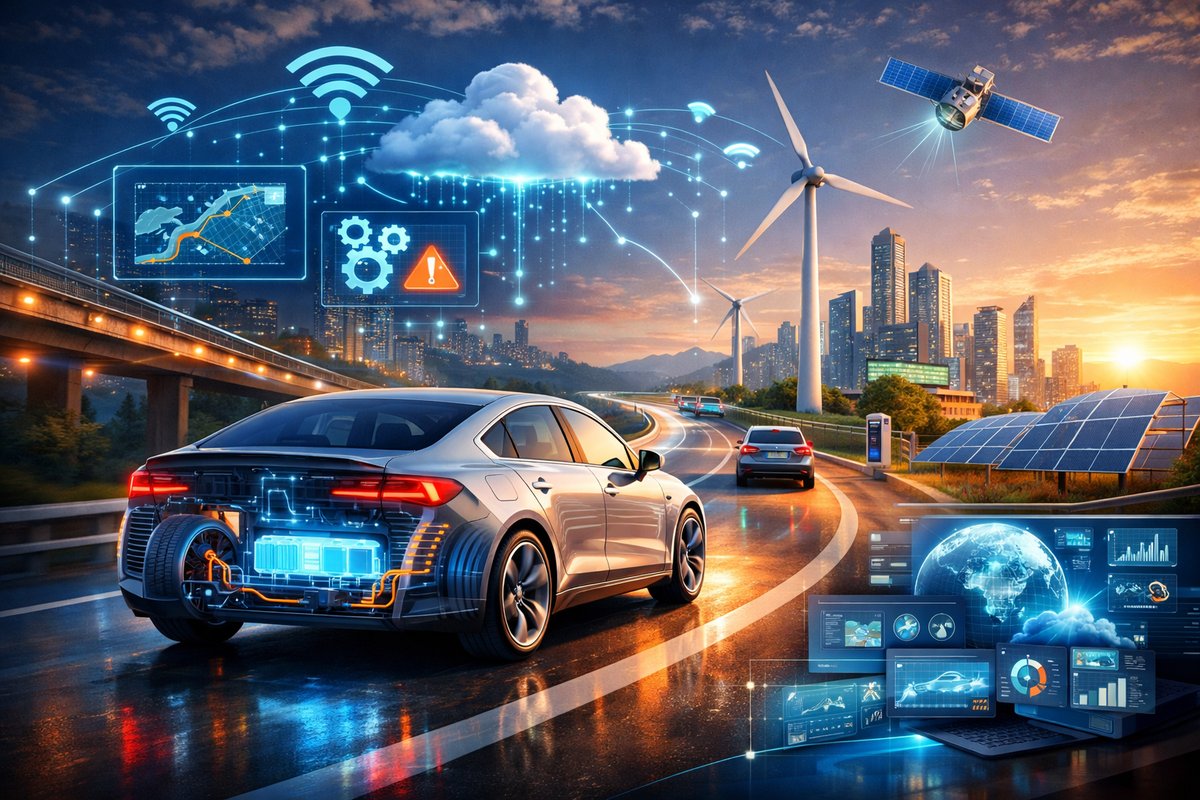
From electrified powertrains and over-the-air updates to predictive maintenance driven by cloud analytics, a new era of automotive innovation is unfolding. This report examines how connectivity, sustainability, and smart infrastructure are converging to transform every mile of our journey.
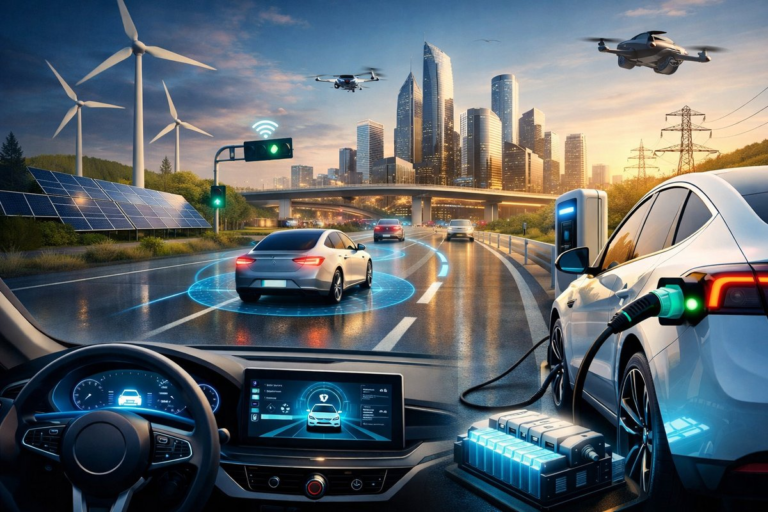
A few years ago, turning the key (or pushing the button) began a familiar dance of internal combustion-fuel pump whirr, engine rumble, exhaust exhale. Today’s ignition sequence plays out on multiple fronts: electricity from a home charging station, real-time traffic data streamed to an in-dash display, and status messages pinged to a smartphone app. The modern automobile has become a digital node in an expansive network of energy, data, and mobility services.
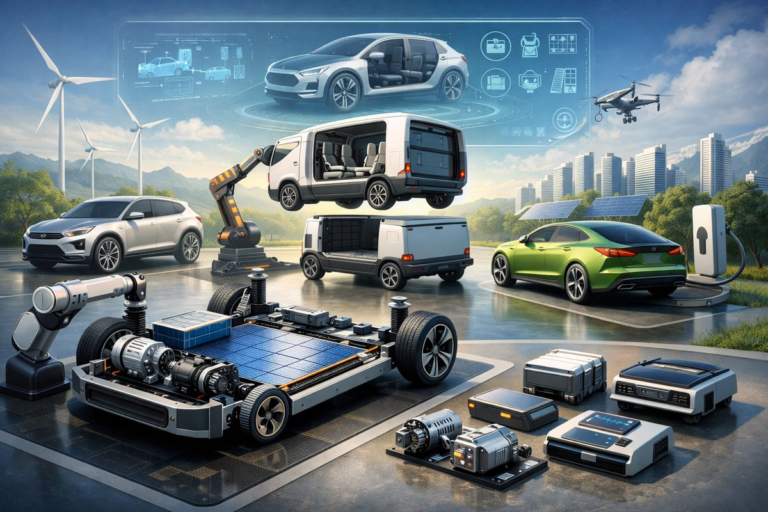
Electric vehicles are no longer niche tech demos. Advances in lithium-ion chemistry, modular battery design, and ultra-fast charging networks have driven prices down and range up. Solid-state battery prototypes promise greater energy density and faster charge cycles, potentially cutting recharge times in half. While mass adoption will still hinge on continued infrastructure build-out, home charging stations equipped with load management software already let owners schedule overnight top-ups when rates are lowest, reducing grid stress and utility bills.
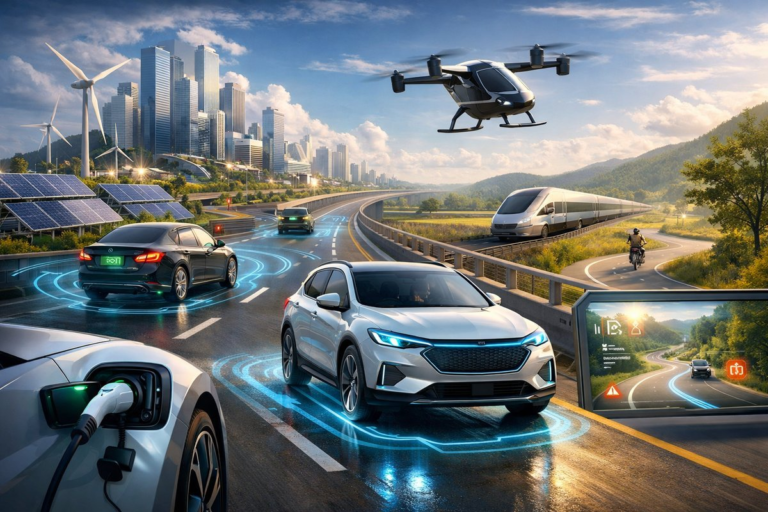
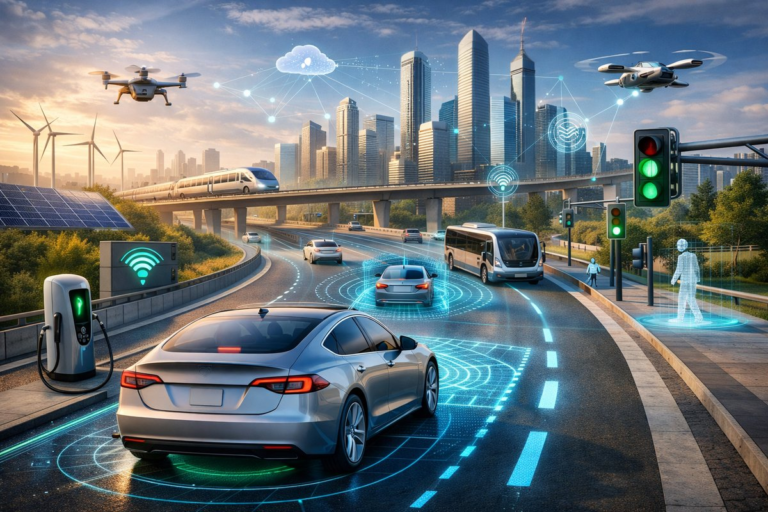
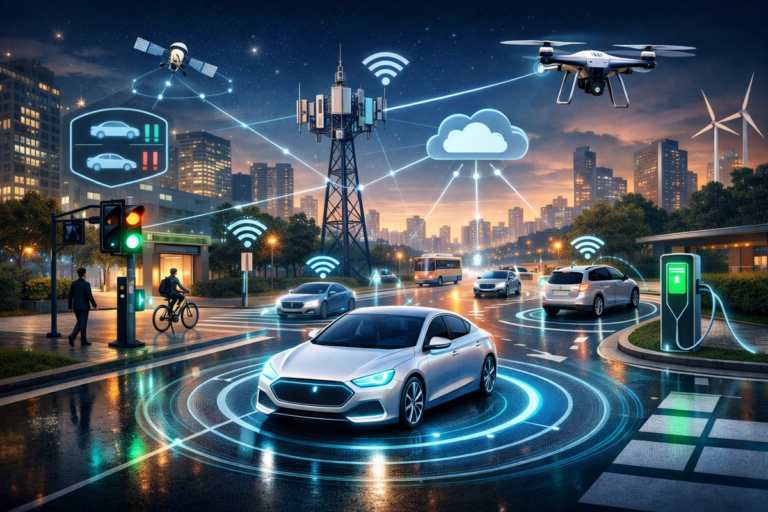
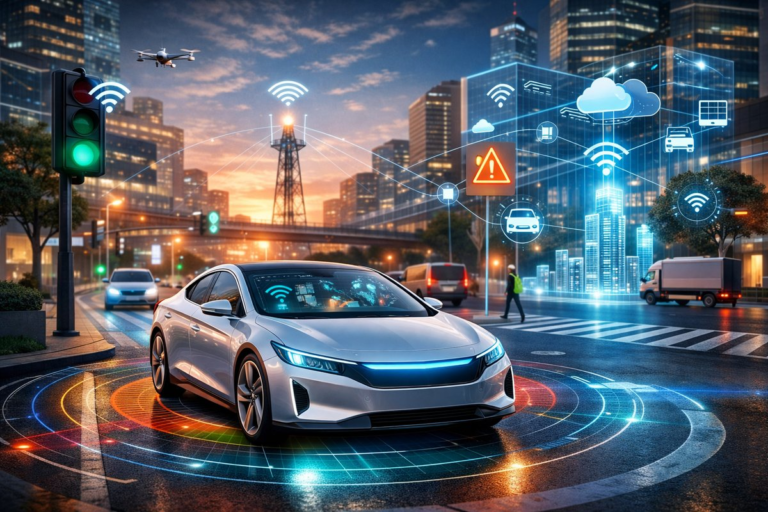
Connectivity is the thread weaving these innovations together. Vehicle-to-everything (V2X) protocols enable cars to talk not only to each other but also to traffic lights, roadside sensors, and centralized traffic management centers. When a signal ahead turns red, your dashboard can display precise countdowns; when road-surface sensors detect ice, an alert can trigger gentle brake adjustments. In urban trials, transit agencies aggregate this data to smooth flow, cut idling times, and slash pollution.
Underpinning that exchange is a shift from hardware-locked control units to over-the-air (OTA) software platforms. Just as smartphones get regular OS updates, vehicles now receive incremental patches and new features without garage visits. Ride-share operators and fleet managers, in particular, embrace OTA for rolling out safety improvements or efficiency optimizations across dozens or hundreds of vehicles overnight. End users benefit from predictive analytics that can forecast component wear-say, brake pads nearing their service life-so potential failures are flagged before they turn into roadside breakdowns.
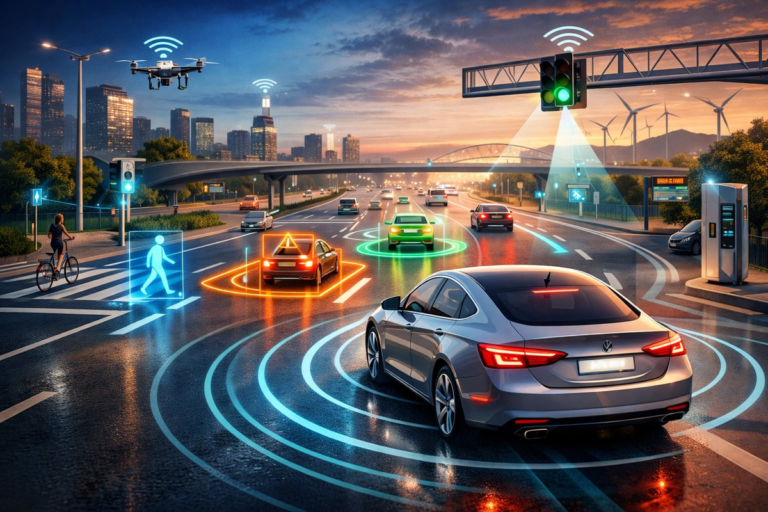
Advanced Driver Assistance Systems (ADAS) mark another frontier in automotive intelligence. Cameras, radar, and LiDAR sensors collaborate to keep lanes centered, distances safe, and blind spots monitored. Even with level-two autonomy, where the driver remains responsible, these systems cut collision rates by applying emergency braking when sudden obstacles appear. Going forward, sensor fusion algorithms will combine external feeds with inside-the-cabin monitors, ensuring the driver’s attention remains on the road. Should the system sense distraction or drowsiness, gentle haptic feedback in the steering wheel can prompt corrective action.
Yet automation and electrification alone don’t define tomorrow’s mobility. Sustainability extends beyond zero tailpipe emissions to lifecycle impact. Automakers are embedding recycled plastics into interior panels, sourcing vegan leather alternatives, and partnering with battery recyclers to reclaim critical materials like cobalt and nickel. Plant-based composites and wood veneers are making interior cabins as much a statement of environmental stewardship as performance or luxury.
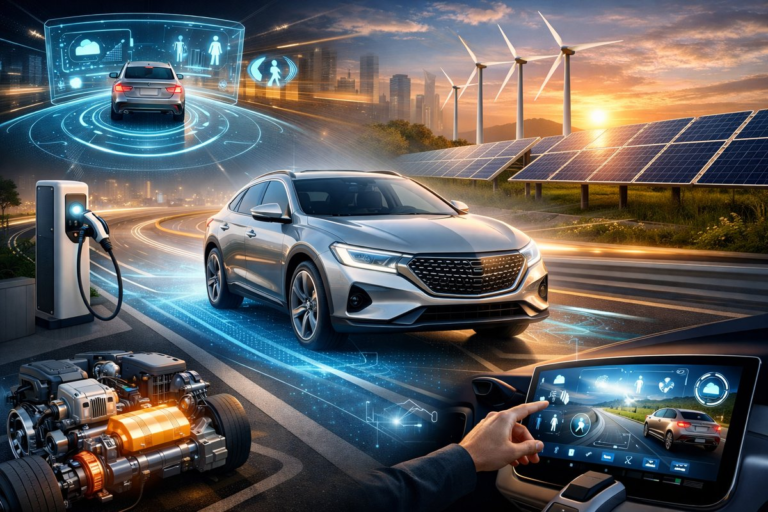
Augmented reality (AR) head-up displays are poised to become standard equipment rather than premium add-ons. By superimposing navigation arrows onto the real-world view, these AR overlays reduce driver distraction while providing contextual guidance-such as marking the precise lane to take at a complicated interchange. Pedestrian detection highlights crosswalks and cyclists, especially useful in congested city centers. As 5G networks expand, bulky local processors can offload some tasks to edge servers, enabling richer graphics and smarter threat assessments.
On the infrastructure side, intelligent charging hubs and micro-mobility stations are sprouting in shopping centers, office parks, and residential complexes. These hubs not only swap or replenish batteries for electric two-wheelers but also coordinate with ride-hail fleets to stage vehicles where demand surges. Micro-fleet operators use AI-driven routing to rebalance inventory, ensuring e-bikes and scooters are where commuters need them before they even check an app.
Logistics and goods movement are feeling the ripple effects as well. Electric delivery vans equipped with temperature-controlled cargo bays are being tested for last-mile grocery and medical shipments. Fleet telematics collect route efficiency metrics, energy consumption profiles, and driver behavior patterns to fine-tune schedules and reduce downtime. Drones and autonomous ground robots are entering pilot programs for small-package delivery, linking micro-fulfillment centers with curbside drop-off points.
With so many sensors capturing real-world data, privacy and security must be top priorities. Manufacturers are adopting encrypted vehicle networks and secure element chips to guard against unauthorized access. Data-minimization strategies ensure that only essential information is shared with third parties, and users retain control over what driving patterns or personal details they choose to expose. Zero-trust architectures-in which each component authenticates every request-help defend against cyber threats that could otherwise jeopardize safety or user trust.
Amid all this high-tech progress, the human dimension remains central. Designers are studying how commuting affects stress levels, integrating ambient lighting schemes, noise-cancellation cabins, and customizable scent diffusers to create calm spaces on wheels. Voice assistants, now fluent in multiple languages and dialects, respond to natural command phrasing, allowing drivers to manage navigation, music, and climate without taking hands off the wheel.
We stand at a crossroads where energy transition, digital connectivity, and artificial intelligence intersect on four wheels. The next decade will see cars that adapt to our daily routines, grids that anticipate our charging needs, and roads that orchestrate traffic like symphony conductors. To navigate this evolving landscape, consumers and policymakers alike must champion open standards, privacy safeguards, and equitable infrastructure planning.
As you buckle in for your next trip, remember that every highway and backroad stands to become smarter, greener, and more responsive than ever before. The journey ahead isn’t just about reaching a destination-it’s about co-driving with technology that learns, protects, and sustains. In this new era of mobility, the road truly goes on forever.