Location
Mount Vernon, WA 98274

Location
Mount Vernon, WA 98274
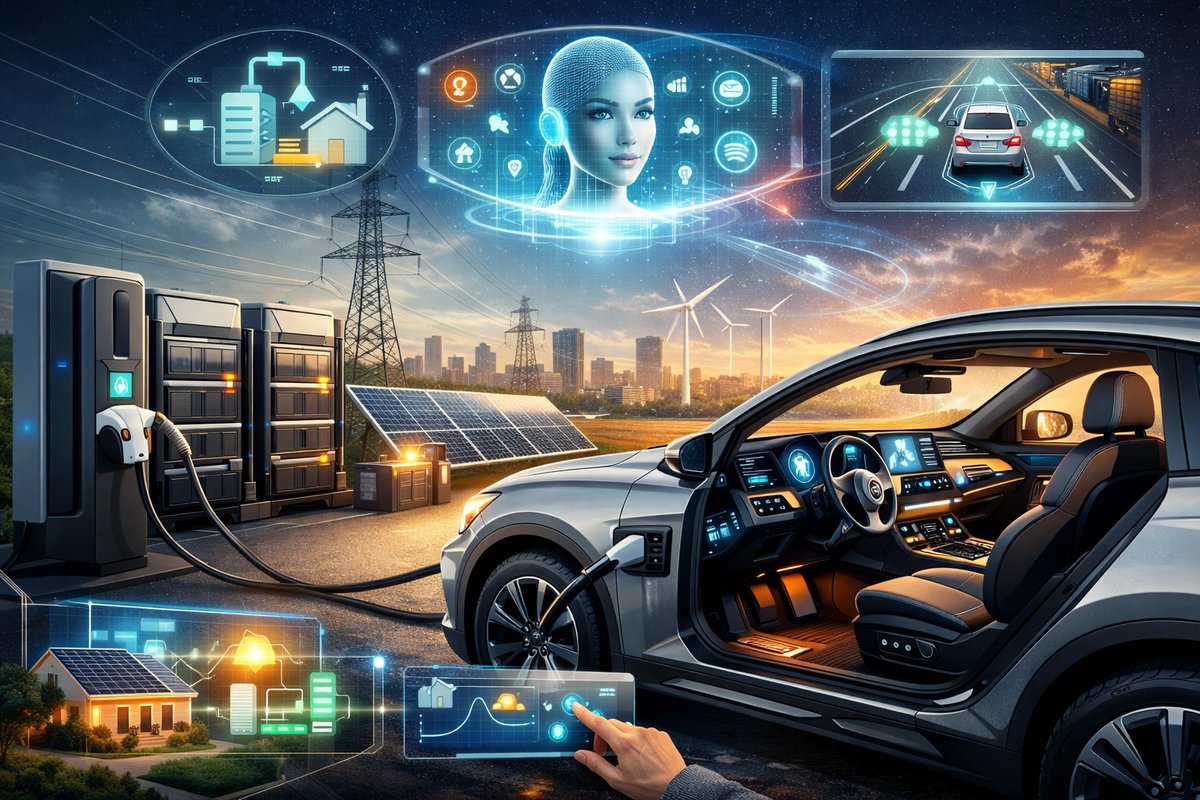
A convergence of energy storage, smart charging, and modular cabin upgrades is ushering in a new wave of automotive breakthroughs. From two-way chargers that feed power back into the grid to AI-driven interfaces that adapt to each driver's mood, today's vehicles are more than machines of motion-they're mobile command centers.
The automotive industry is entering a phase where vehicles do more than transport-they integrate with homes, power grids, and personal lifestyles. Innovations in vehicle-to-grid (V2G) technology, over-the-air software updates, and customizable in-car experiences are transforming cars into adaptive platforms. As electrification and connectivity converge, drivers gain unprecedented control over energy, comfort, and convenience, while utilities and grid operators tap distributed batteries to balance supply and demand.
Behind this shift are two key trends: bi-directional charging and modular interior ecosystems. Bi-directional chargers enable electric vehicles (EVs) to feed stored power back into homes or the broader grid, turning parked cars into mobile energy assets. Inside the cabin, open-platform interfaces, voice assistants, and plug-and-play hardware modules allow drivers to tailor lighting, seating profiles, and infotainment to individual preferences. The result is a holistic system that optimizes efficiency, enhances well-being, and creates new value streams for both consumers and energy networks.
Vehicle-to-Grid Integration
Bi-directional charging lies at the heart of V2G. Traditional EV chargers only deliver electricity to the battery; bi-directional units can both charge and discharge. When a car is idle and the electricity price spikes or grid demand surges, the charger reverses the flow, feeding power back into the home circuit or utility grid. In many pilot programs, participants can offset daytime peak rates by drawing on the car’s stored energy, then recharge overnight at lower off-peak prices.
In Europe, utility companies have partnered with automakers and charging-station providers to deploy two-way chargers in residential neighborhoods. Early results show up to 30 percent savings on household energy bills and improved grid stability during heat waves or cold snaps. On the commercial side, fleet operators use V2G to manage depot energy needs, shaving peak charges while ensuring vehicles stay fully charged for scheduled routes.
Home Energy Integration
Vehicle-to-home (V2H) applications extend the concept indoors. During power outages or grid maintenance, a bi-directional charger can automatically switch to backup mode, turning an EV into a home battery. Essential appliances like refrigeration, lighting, and heating remain powered for hours, even days, depending on battery capacity. Households that combine rooftop solar panels with V2H systems can maximize self-consumption of renewable energy, exporting surplus midday solar to the grid and reserving evening charging for low-cost solar generation.
Grid-scale deployments are also gaining traction. Utility programs enlist thousands of EVs as virtual power plants, aggregating stored energy to provide ancillary services like frequency regulation and spinning reserves. By treating parked EVs as micro-storage units, grid operators unlock flexible capacity without building new physical plants-or burning additional fuel.
Personalized In-Car Ecosystems
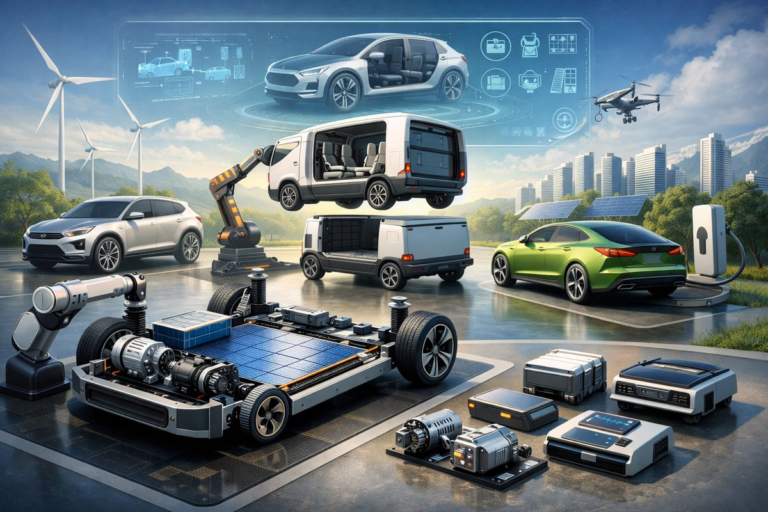
While energy exchange transforms the outside world, personalization and modular upgrades redefine the interior. A growing number of manufacturers and aftermarket providers are offering plug-and-play modules for custom seating, lighting, and even scented cabins. Drivers can swap ambient LED light strips to match their mood, install memory-foam cushions that adapt to posture, or integrate biometric sensors into steering wheels for health monitoring.
Voice-activated AI assistants are becoming standard, but the next step is context-aware interfaces that learn driving habits, calendar schedules, and preferred climate settings. By uniting smartphone data, biometric feedback, and location intelligence, cars can anticipate needs-preconditioning the cabin for a morning commute, suggesting charging stops on a road trip, or suggesting calming music during stressful traffic jams.
Software Platforms and Over-the-Air Updates
Just as smartphones rely on app ecosystems, modern vehicles depend on software platforms that accept third-party modules. Over-the-air (OTA) updates not only patch security vulnerabilities but also unlock new features over the lifetime of the vehicle. An EV sold today might gain extended range modes, performance tweaks, or enhanced driver-assistance functions months after purchase.
OEMs and tier-one suppliers are opening APIs so independent developers can create specialized applications-everything from off-road navigation tools to personalized wellness profiles for seats and lighting. To foster innovation, some automakers sponsor developer contests, offering access to simulated vehicle environments and data feeds.
Privacy and Security Considerations
With connectivity comes responsibility. Bi-directional charging, biometric sensors, and app ecosystems generate vast amounts of data-driving patterns, health metrics, even daily routines. Ensuring data privacy and system security is critical. Industry consortia are working on standardized encryption protocols, secure boot processes, and user-consent frameworks that put control in the hands of vehicle owners.
Real-World Pilots
A recent pilot in a Scandinavian city paired 500 home-based bi-directional chargers with a local utility’s frequency-support program. During high-demand hours, EVs discharged collectively to shave grid peaks, earning participants energy credits. At night, solar farms recharged the vehicles at low rates. Surveys showed high customer satisfaction and minimal impact on battery health, dispelling concerns that V2G cycles shorten pack lifespan.
In North America, a university campus project installed modular ambient lighting kits and biometric seats in campus-fleet vehicles, allowing multiple drivers to access personalized settings via smartphone keys. Data analytics revealed a 20 percent increase in perceived comfort and reduced distraction, as drivers no longer fiddled with controls at the start of each shift.
Challenges and Barriers
Standardization remains a hurdle. Multiple charging standards, proprietary software stacks, and varying data formats slow integration. Cybersecurity threats-ranging from charger-hijacking to in-car malware-require constant vigilance. Regulatory frameworks for V2G tariffs and grid-service compensation are still in flux, leaving potential revenue models uncertain.
On the consumer side, awareness of two-way charging and modular upgrades is low. Upfront costs for bi-directional chargers can exceed those of standard units. Educating buyers on long-term savings and grid benefits is essential. Aftermarket ecosystems must strike a balance between ease of installation and reliability, ensuring plug-and-play modules work seamlessly with diverse vehicle models.
The Aftermarket and DIY Spirit
Passionate enthusiasts are already exploring DIY upgrades. Open-source hardware kits let tinkerers install ambient LED strips, custom instrument-cluster overlays, and smartphone integration modules. OBD-II Bluetooth adapters paired with smartphone apps enable predictive diagnostics, alerting drivers to maintenance needs before warning lights appear. Portable Level-2 chargers offer flexibility for cross-country trips, while plug-in cabin air purifiers promise cleaner air in urban environments.
Future Outlook
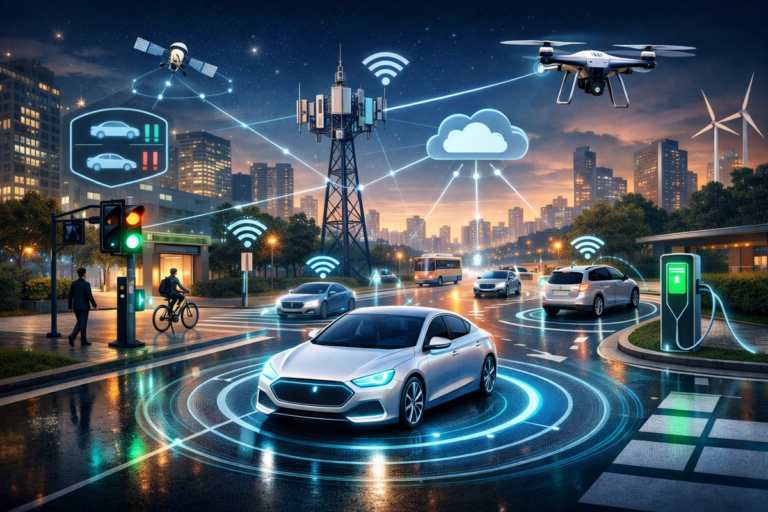
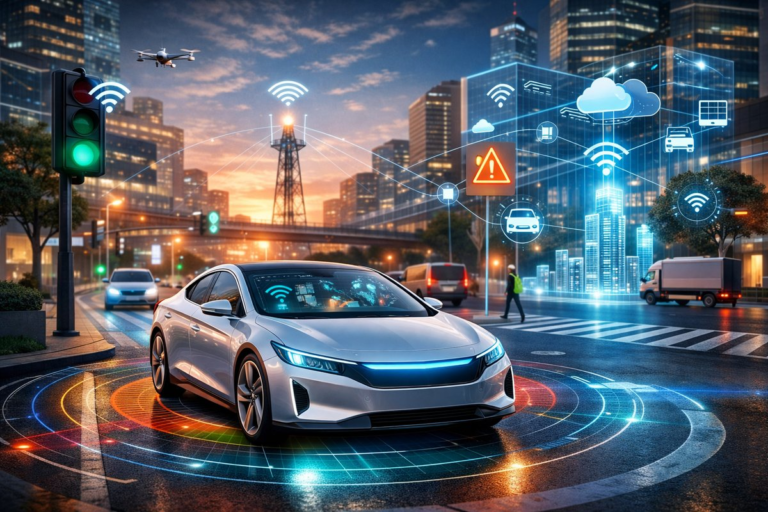
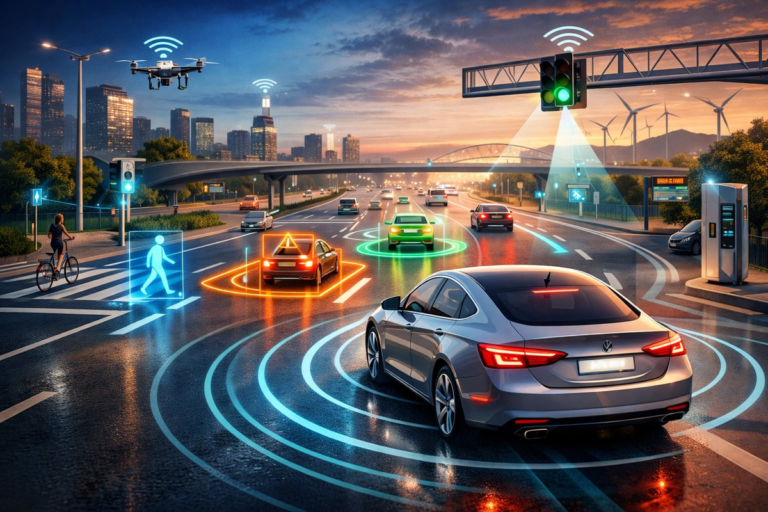
As cities invest in smart infrastructure-networked streetlights, intelligent roadways, and dynamic traffic-flow systems-vehicles will become nodes in a larger Internet of Mobility. Digital twins of entire fleets will simulate energy usage, route efficiencies, and maintenance schedules in real time. In-car AI agents will negotiate charging station reservations, optimize routes for lowest carbon footprint, and synchronize with home automation systems to ensure a seamless transition from garage to living room.
Regenerative design principles will guide both vehicle architectures and aftermarket modules. Recyclable materials, modular electronics, and standardized connectors will make upgrades and replacements easier, reducing waste and extending vehicle lifespans.
Emotional Intelligence on Wheels
The final frontier is emotional intelligence. Cars that sense driver stress through heart-rate monitors, choose calming ambient colors, and play tailored soundtracks could redefine well-being on the road. By combining V2G, personalized interiors, and AI-driven interfaces, the next decade of automotive design will blur the lines between vehicle, home, and personal assistant.
From grid-balancing bi-directional chargers to seamless cabin personalization, the journey toward integrated mobility platforms is well underway. As standards solidify and ecosystems mature, drivers will gain unprecedented flexibility, control, and peace of mind. The road ahead is not just about miles per gallon or range per charge-it’s about creating adaptive machines that empower lifestyles while stewarding energy and resources.