Location
Mount Vernon, WA 98274

Location
Mount Vernon, WA 98274
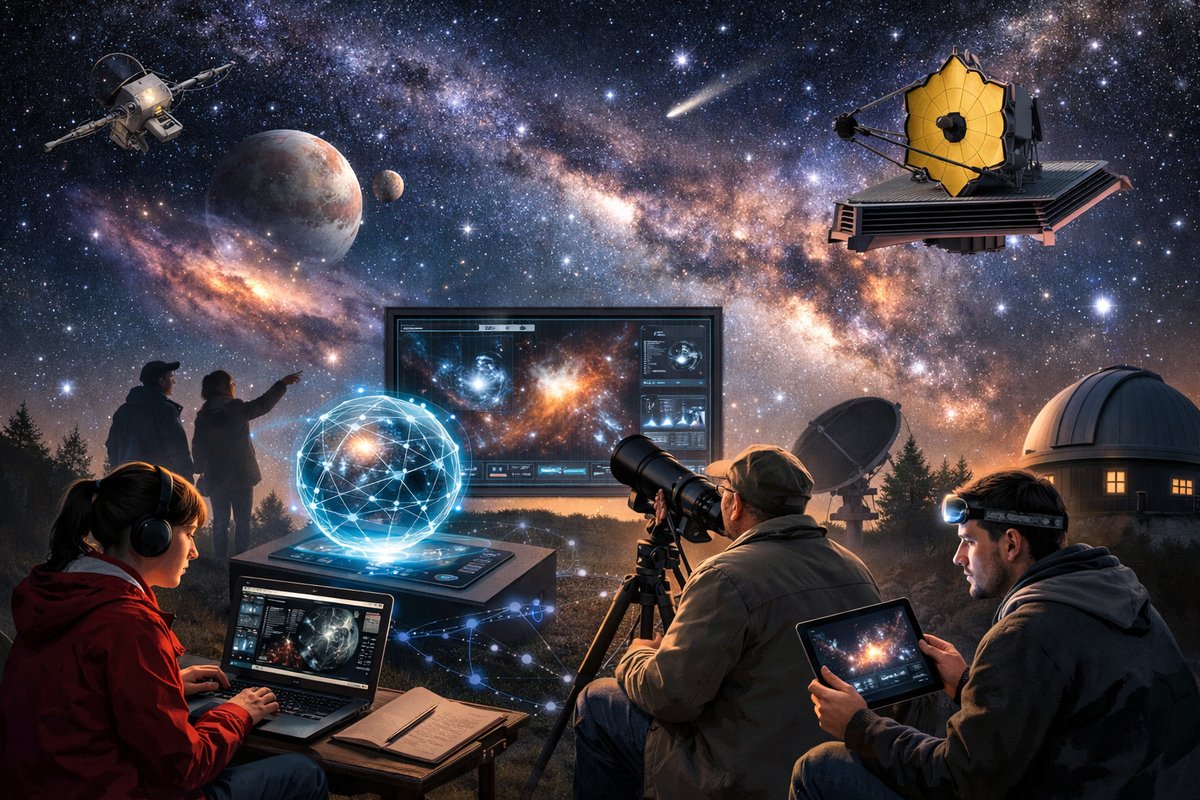
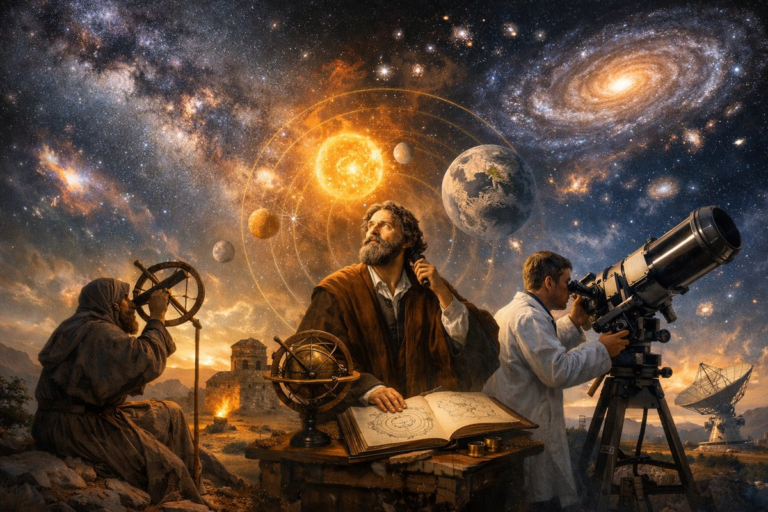
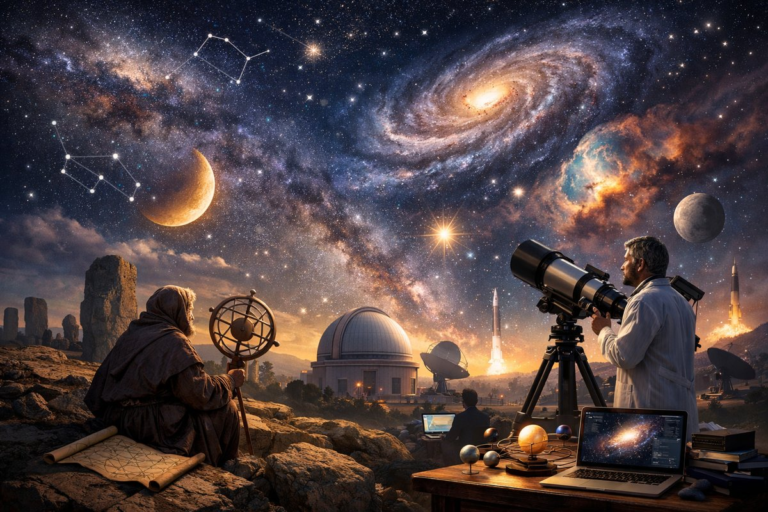
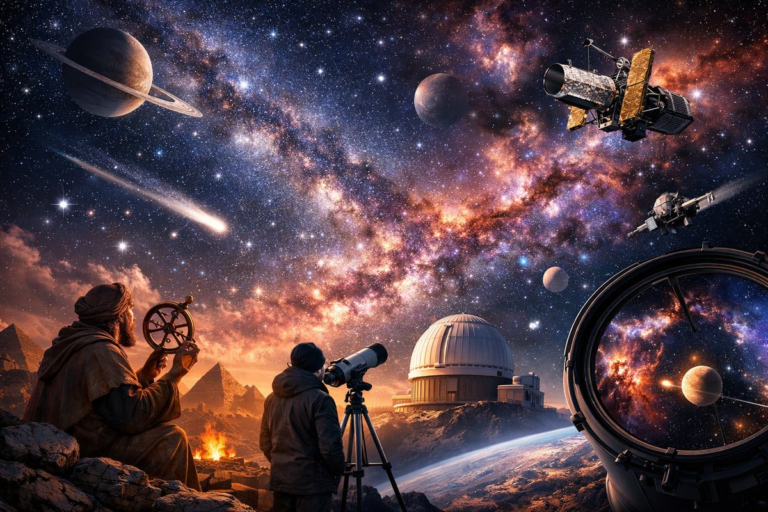
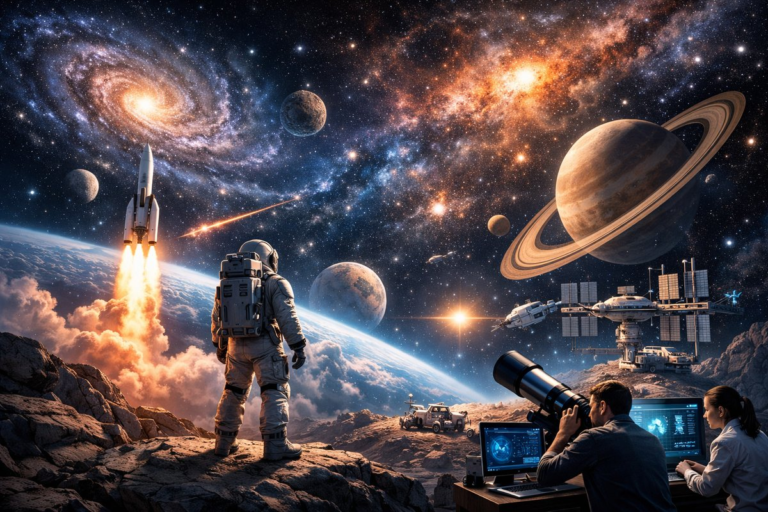
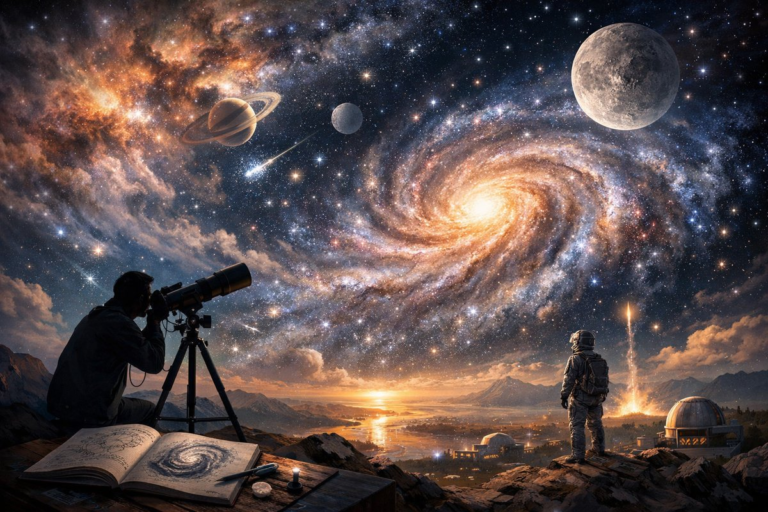
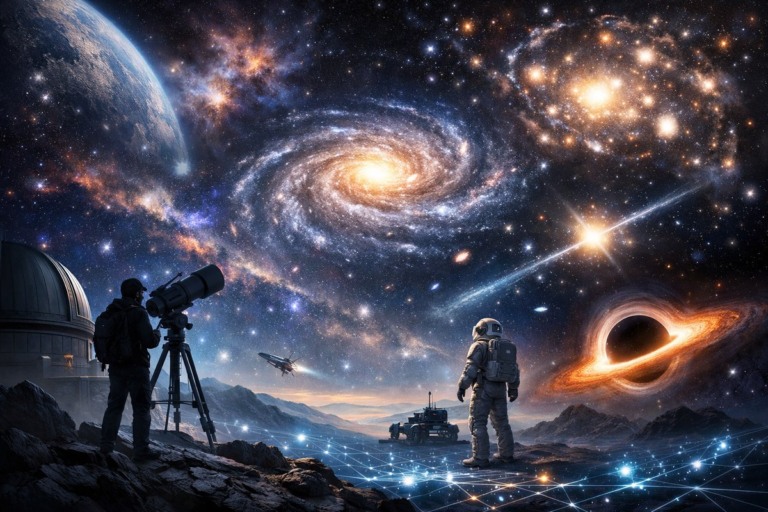
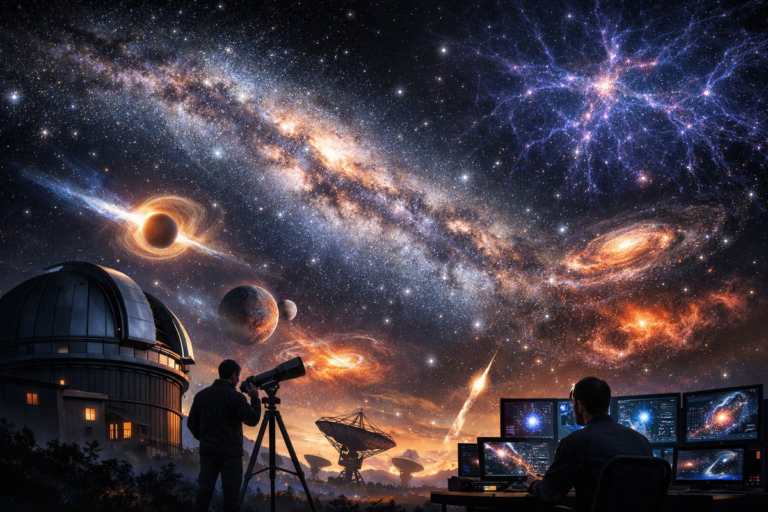
A new wave of wonder is sweeping across amateur astronomers, citizen scientists, and backyard stargazers alike. With cutting-edge tools, open data from space agencies, and global collaborative platforms, anyone can join the quest to chart the unknown and witness the universe's hidden wonders.
A quiet revolution is unfolding above our heads. Across suburban backyards, rural fields, and even city rooftops, telescopes are being dusted off and curiosity-driven observers are once again turning their eyes skyward. This resurgence of cosmic curiosity isn’t limited to professional observatories or government programs-it’s fueled by a global community of enthusiasts equipped with affordable gear, open scientific data, and an eagerness to explore.
Government space agencies have played a vital role in stoking this fire. Data released from deep-space telescopes and planetary probes is now freely available to the public. Amateur researchers can download high-resolution infrared images of distant galaxies, pore over ultraviolet maps of star-forming regions, or analyze time-series data for exoplanet transit signals. Meanwhile, new interactive portals make it easy to sift through terabytes of raw observations without requiring a doctorate in astrophysics.
One such platform, run by a global citizen science network, lets volunteers classify thousands of galaxy shapes with a few clicks. In recent months, users have identified unusual spiral patterns and potential gravitational lensing events previously overlooked in automated surveys. These discoveries, validated by professional astronomers, highlight the power of human intuition when layered atop machine learning algorithms.
Closer to home, backyard stargazers are embracing smart telescopes that pair with smartphone apps. These “plug-and-play” devices automatically align themselves with celestial coordinates, guide users to faint nebulae, and overlay real-time constellations on the night sky through augmented reality. For novices who once felt daunted by star-hopping or manual calibration, this digital assistance transforms the first foray into stargazing into an intuitive, rewarding experience.
Beyond still images, astrophotography is another frontier being democratized. Compact, all-in-one astro cameras integrate a cooled sensor, star-tracking mount, and image-stacking software in a portable unit. Enthusiasts no longer need to juggle multiple components to capture the ethereal glow of the Orion Nebula or the ghostly ring of distant supernova remnants. Social media channels are brimming with breathtaking color composites produced by amateurs who, a decade ago, might never have imagined such results.
This renaissance of cosmic exploration isn’t purely recreational. Amateur networks have contributed to real scientific breakthroughs. Last season, an independent observer spotted an unexpected dip in brightness around a sun-like star, hinting at a possible exoplanet transit. The alert triggered follow-up observations by professional telescopes, confirming a new world roughly the size of Neptune orbiting in the star’s habitable zone. Such serendipitous finds underscore how everyday curiosity can complement formal research.
Educational institutions are harnessing this momentum as well. Community colleges and high schools are launching hands-on astronomy clubs, offering students access to modest observatory domes and remote-controlled telescopes housed on mountaintops. Virtual lab modules let learners manipulate spectral data and simulate orbital dynamics, fostering a deeper grasp of physics and mathematics through cosmic context. For many, the sense of discovery catalyzes a lifelong passion for science and critical thinking.
Corporate sponsors are taking note too. A recent initiative paired engineering interns with veteran astronomers to develop low-cost spectrographs that attach to backyard telescopes. With these instruments, observers can measure chemical compositions of star atmospheres and monitor variable stars for subtle shifts in light output. Collaborative networks compile these spectroscopic readings, building a time-lapse record of stellar evolution available to researchers worldwide.
The thrill of exploration has even spilled into the creative arts. Photographers blend long-exposure nightscapes with terrestrial landmarks, crafting surreal landscapes that marry Milky Way vaults with city skylines. Poets and writers draw inspiration from the infinite expanse, weaving cosmic metaphors into themes of identity and connection. In science museums and art galleries alike, exhibits fuse astrophysical imagery with interactive storytelling, inviting audiences to ponder their place in the universe.
But cosmic curiosity isn’t limited to passive observation. Amateur rocketry clubs are innovating new hybrid propulsion systems for small payloads, while student teams design cube satellites to measure solar wind conditions. These DIY space missions, launched on commercial rideshares, allow citizen scientists to collect magnetic field data and test miniaturized instruments. Such hands-on ingenuity echoes the spirit of early spaceflight pioneers-driven by curiosity, resourcefulness, and a willingness to experiment.
This grassroots movement intersects with professional science at the frontiers of interdisciplinary research. Astrobiologists studying extremophiles on Earth collaborate with amateur cave explorers mapping subterranean ecosystems, drawing parallels between deep caves and potential habitats beneath Europa’s icy crust. Geochemists enlist hobbyist divers to gather underwater mineral samples from volcanic vents, expanding the data pool for studies on life’s resilience in harsh environments.
At the macro scale, networks of radio astronomy enthusiasts are tuning consumer-grade software-defined radios to scan for fast radio bursts and intermittent pulsar signals. These decentralized listening posts feed real-time detections into a shared database. Occasionally, a volunteer will catch a mysterious pulse pattern that sparks fresh inquiries at major observatories. Even without multi-million-dollar dishes, these home-built arrays are helping to chart unknown territory in the radio spectrum.
What’s driving this surge in cosmic engagement? Part of the answer lies in the sheer beauty of the universe. Star clusters glitter like gemstones, nebulae swirl in kaleidoscopic hues, and galaxies reveal cosmic collisions unfolding over millennia. For many, these sights evoke deep wonder and a sense of interconnectedness. Yet technology is the catalyst: affordable optics, user-friendly software, and open data have shattered barriers that once confined cosmic exploration to academia and government labs.
This moment also resonates with broader cultural shifts. In an age where virtual experiences often dominate, the tactile act of peering through an eyepiece or adjusting a tracking mount feels grounding. The night sky is one of the few things that remains consistent across borders and generations-a shared canvas that transcends politics and technology. Whether in bustling cities or remote villages, people find common ground under the same celestial dome.
Looking ahead, the next wave of innovations promises to deepen this engagement even further. Virtual and mixed reality platforms are gearing up to stream immersive fly-throughs of exoplanet systems derived from real telescope data. Holographic projectors could one day transform living rooms into interactive star chambers. And as small satellite manufacturing and launch costs continue to fall, hobbyists may soon deploy their own space experiments at scale.
Yet for all the high-tech marvels, the heart of this movement remains simple: curiosity. The willingness to ask “what if?” and to venture into the unknown. The universe is vast, mysterious, and humbling, but it’s also accessible. All it takes is a clear night, a bit of patience, and the spark of wonder that compels us to look up.
In reawakening our cosmic curiosity, we’re not only mapping distant stars-we’re charting our own journey of discovery. Each starlit observation invites new questions and offers fresh perspectives on life here on Earth. As this global community grows, so too does our collective capacity to unveil the universe’s hidden stories. From backyard optics to interstellar data-sharing networks, the cosmos has never felt closer or more inviting.
Whether you’re a seasoned observer or just starting out, there has never been a better time to join this unfolding adventure. The tools are at hand, the data is at your fingertips, and the night sky awaits. All you need is a spirit of inquiry and a willingness to explore the ultimate frontier-one that begins right outside your door.