Location
Mount Vernon, WA 98274

Location
Mount Vernon, WA 98274
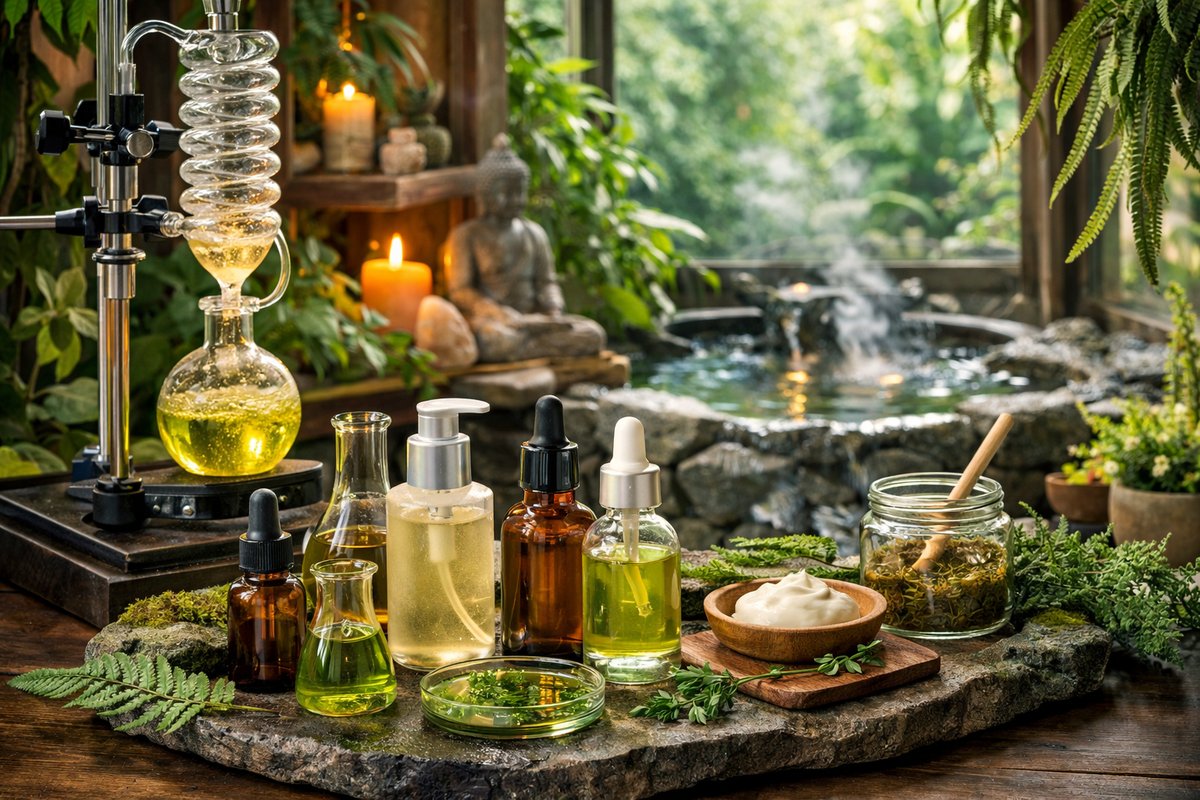
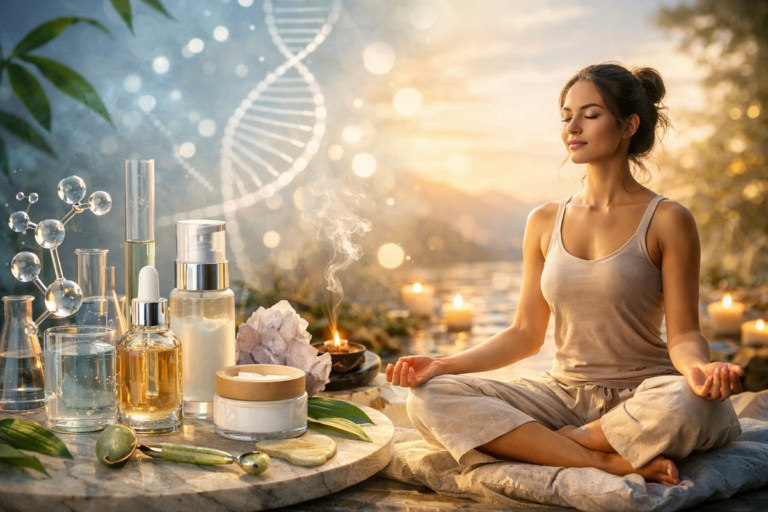
A new wave of fermented plant serums and biophilic home setups is redefining at-home skincare as more than a beauty routine-it's an immersive ecological ritual. By blending lab-backed fermentation techniques with nature-inspired spaces, users are forging deeper connections between skin health, mood, and environmental stewardship.
The latest frontier in beauty moves beyond refining formulas and enters the realm of living, breathing rituals. Rooted in ancient fermentation practices and inspired by the restorative power of green spaces, this trend transforms everyday skincare into a multisensory journey that honors both personal wellbeing and planetary health. Instead of neatly packaged tubes, enthusiasts are fermenting seaweed toners in mason jars, creating living probiotic masks that evolve over time. This blend of science and soil taps into a deeper rhythm: what grows in the earth can, in turn, nurture our skin.
At the heart of this movement is fermented plant science. Long revered in culinary traditions, fermentation unlocks bioavailable compounds that penetrate the skin more effectively than raw botanicals. Lactic acid from fermented rice water, for example, gently exfoliates while promoting hydration. Meanwhile, kombucha-like brews rich in antioxidants help neutralize free radicals when applied topically. Emerging research from independent labs confirms that microbiome-friendly microbes can boost ceramide production, fortifying the skin barrier against environmental stressors.
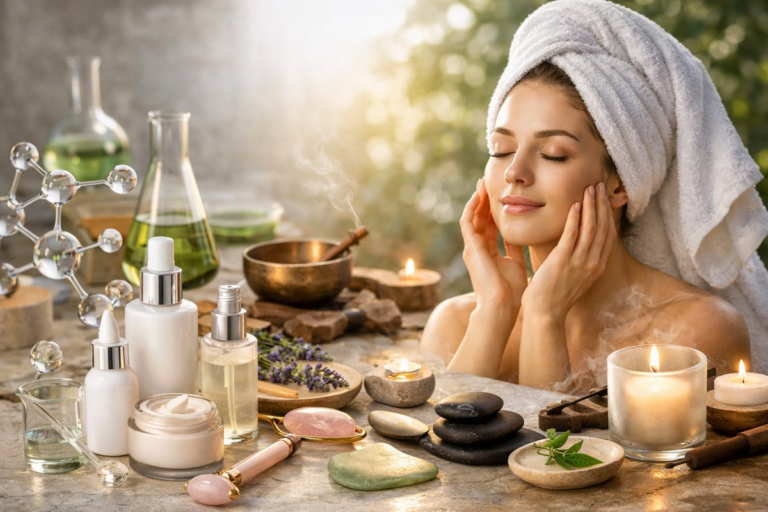
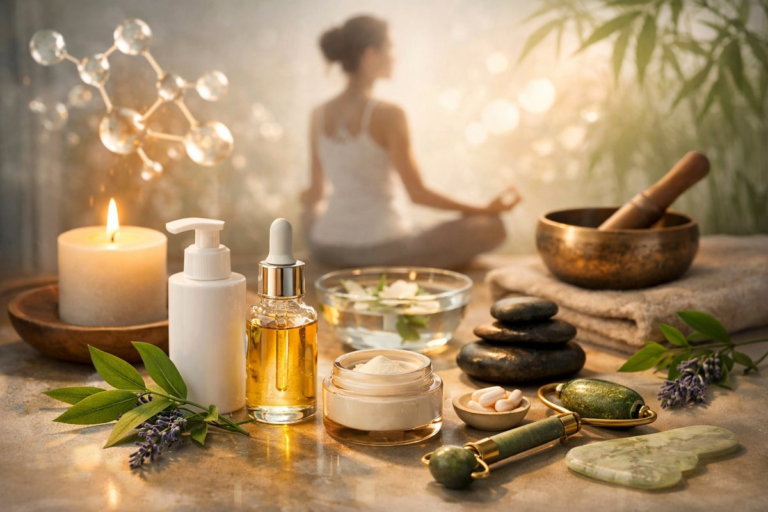
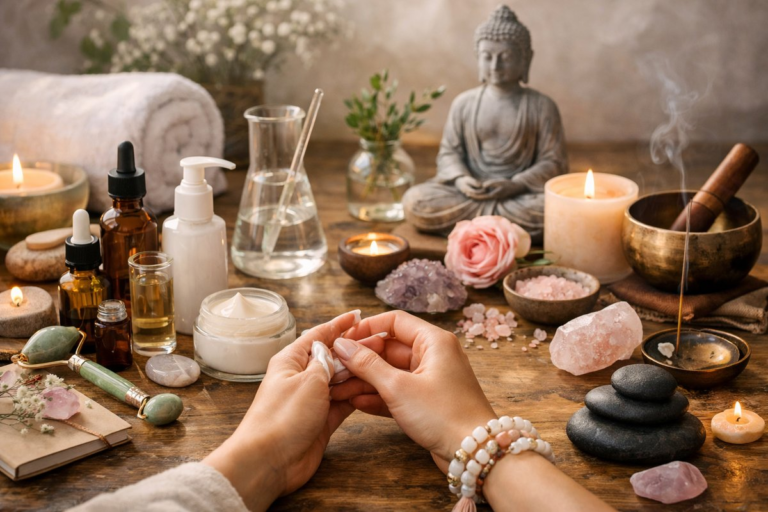
But it’s not just about petri dishes and petri-style jars. The ritual extends to the spaces in which we apply these creations. Biophilic design principles encourage the use of natural textures, soft daylight, and even gentle soundscapes to evoke the calm of a forest grove or seaside cove. A ceramic facial steamer infused with eucalyptus essential oil might sit beneath a cluster of potted ferns. A reclaimed-wood vanity holds miniature terrariums, while a low-frequency playlist of rustling leaves or flowing streams replaces harsh overhead lights.
This fusion of fermentation and biophilia rests on a twofold promise: enhanced efficacy and emotional resonance. When your serum is literally fermenting as you sleep, you feel more invested in the process. The ritual of measuring pH levels, gently swirling in a silicone mixing bowl, and watching effervescence bloom becomes a moment of mindfulness. Research in psychodermatology suggests that lowering stress can directly improve conditions like eczema or acne, making these sensory-rich routines a form of proactive therapy.
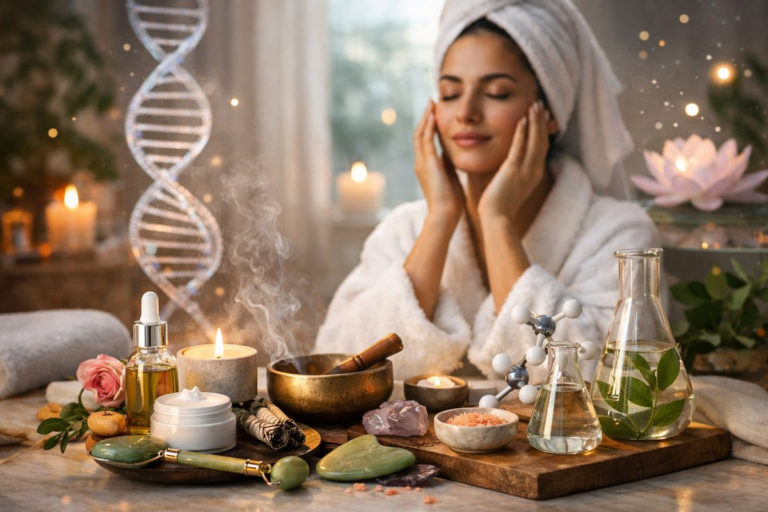
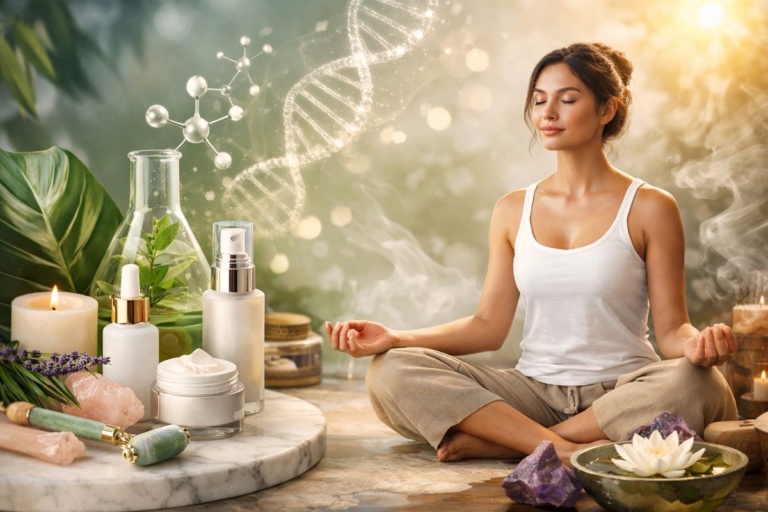
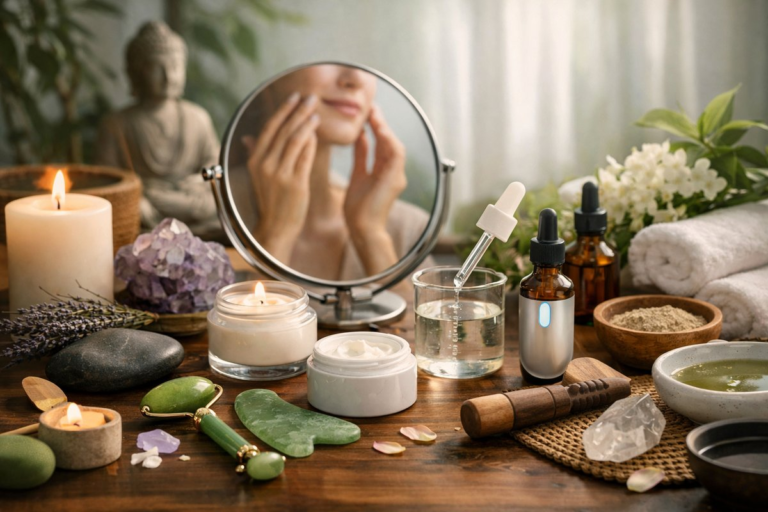
A typical evening might begin with a brief session under a handheld ultrasonic skin spatula, delivering tiny pulses that promote circulation and help the fermented toner penetrate deeper. Next comes a konjac sponge infused with matcha extract to physically buff away dull surface cells. Then, you activate a polymer clay mask mixture fermented with sea kelp and adaptogenic mushroom mycelium. This living mask is not wiped clean immediately; instead, it’s left on as you meditate for ten minutes, accompanied by a soft sound bath track.
On mornings when time is scarce, you can streamline the ritual without losing its essence. A ready-to-use fermented mist, stored in a recycled-glass bottle, instantly revitalizes skin and invites a moment of breathwork. Surrounding yourself with a few leafy greens or a tabletop waterfall creates a microenvironment that supports higher humidity levels-key for maintaining a dewy complexion. Even a simple pot of sprouting microgreens on the bathroom windowsill reinforces the idea that your skincare is part of a broader ecosystem.
Brands tapping into this ethos often collaborate with environmental labs and local farms. Some have launched refill stations where you bring empty glass jars back to the studio for a new batch of ferment. Others are piloting closed-loop packaging made from agricultural waste, turning carrot tops and grape pomace into biodegradable containers. These closed-loop models address a major challenge in skincare: how to marry innovation with sustainability.
DIY enthusiasts, meanwhile, are sharing open-source recipes for fermentation starters-known as SCOBYs or seed cultures-that can be passed around like heirloom tomato seeds. Online communities host live “fermentation hours,” where participants troubleshoot pH imbalances and share tips on flavoring with floral and fruit extracts. While the practice demands more attention than a pre-filled serum, the payoff is a customized elixir that reflects your local climate, water quality, and even seasonal pollen counts.
Crucially, safety measures have become a central focus. pH test strips must be used to ensure the solution remains within the skin-friendly range of 4.5 to 5.5. Sterilization protocols mirror kitchen standards: clean hands, sanitized utensils, and dedicated fermenting vessels. Experts recommend testing small patches of skin before full-face application, especially when introducing novel botanicals or mushroom strains with active compounds.
Beyond the skin’s surface, these practices foster a renewed sense of curiosity. You learn the subtle differences between a brightening fermentation that yields a pale yellow liquor and a more potent brew with deeper amber tones. You become attuned to the scent shifts as sugars convert to acids, much like watching a sunrise unfold in slow motion. This heightened sensory awareness can seep into other areas of life, encouraging a slower pace and deeper engagement with the environment.
In commercial settings, spas are racing to design “fermentation rooms,” where clients can recline in botanical-infused steam while therapists apply warm poultices harnessing live cultures. These immersive experiences aim to replicate the at-home ritual on a grand scale, complete with guided breathing, herbal tea blends, and soft stone massage wands.
Some technologists are even developing devices that monitor your skin’s microbiome in real time, suggesting personalized fermentation cycles based on humidity, sebum levels, and microbiota diversity. Imagine a smart device alerting you when environmental conditions outside-such as pollen counts or UV exposure-might call for an adaptogen-rich ferment rather than a purely hydrating tonic.
While some critics caution that home fermentations can be inconsistent, proponents argue that variability is part of the charm. Much like artisan bread or home-brewed kombucha, each batch tells a story of its creation: the ambient temperature, the regional yeast strains, the precise moment when acidity peaks. These minor imperfections become badges of authenticity rather than flaws.
For newcomers, the barrier to entry has never been lower. Starter kits arrive complete with premeasured botanical powders, color-coded fermentation pouches, and QR codes linking to step-by-step video tutorials. Many kits offer small, modular portions designed for patch testing, helping users find their ideal concentrations before scaling up to full jars.
Education plays a key role. Beauty retailers are hosting workshops on the microbiome-skin axis, teaching customers how to read ingredient panels for synergistic pairs-like combining fermented rice filtrate with low-molecular-weight hyaluronic acid. Participants leave not only with a custom serum but with a sense of agency, understanding that true skincare extends beyond passive application to active collaboration with nature.
As this trend gains momentum, the line between consumer and co-creator blurs. You’re no longer simply applying a lotion; you’re cultivating a living formula, one that evolves alongside your skin and seasonal cycles. This shift reframes beauty as an ongoing dialogue between self, product, and planet.
Ultimately, these ecological rituals represent a holistic vision of skin health-one that acknowledges our deep ties to the natural world. By inviting fermentation into our cabinets and greenery into our homes, we cultivate more than glowing complexions; we nourish a sense of belonging, reminding ourselves that skin is the border between internal and external ecosystems. In the process, each daily ritual becomes an act of reciprocity with the Earth that sustains us.