Location
Mount Vernon, WA 98274

Location
Mount Vernon, WA 98274
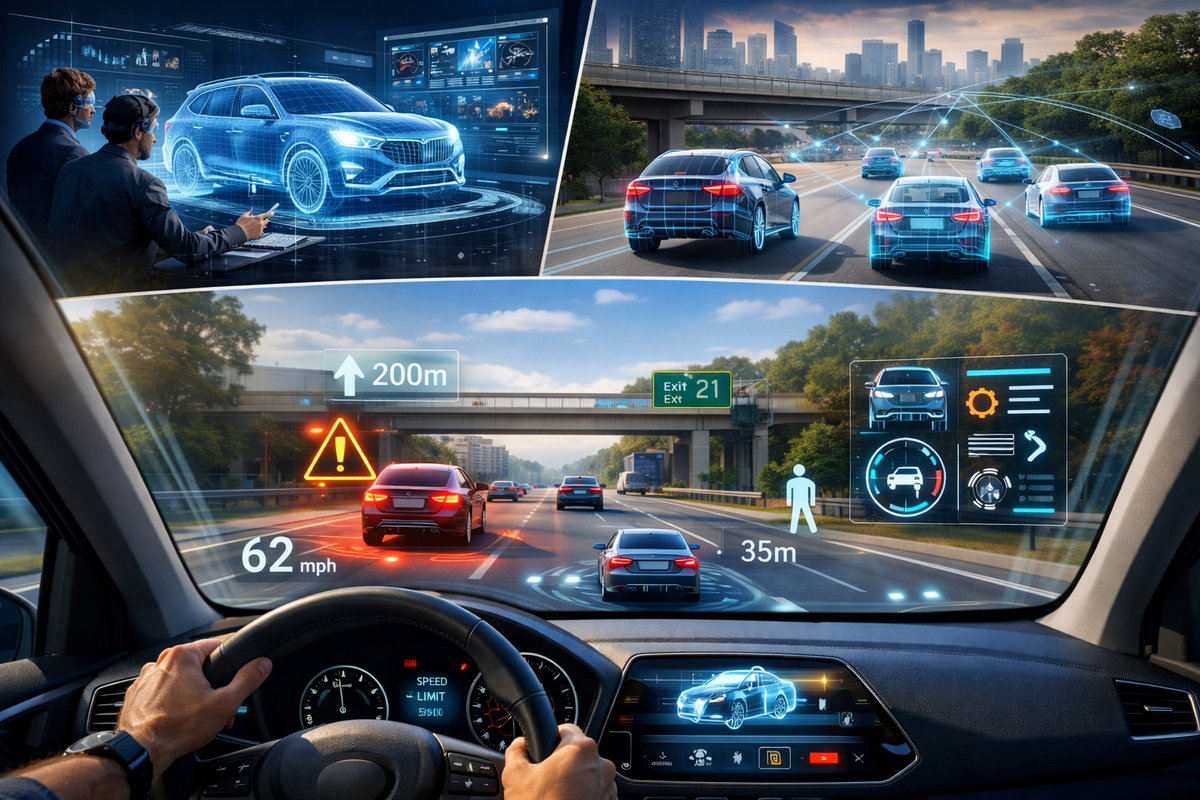
A new wave of automotive technology is emerging as augmented-reality windshields and digital twin simulations converge to redefine vehicle design, maintenance, and on-road experiences. Drivers and fleet managers are testing head-up projections and real-time virtual replicas that promise safer journeys, smarter service, and deeper insights into vehicle health.
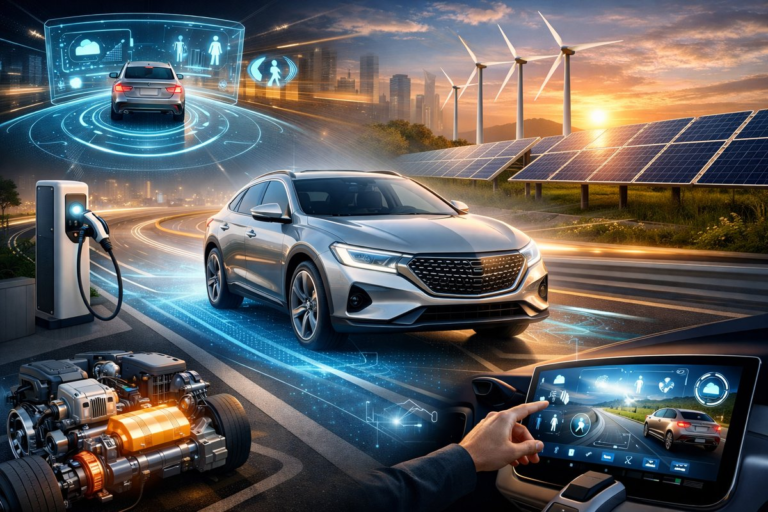
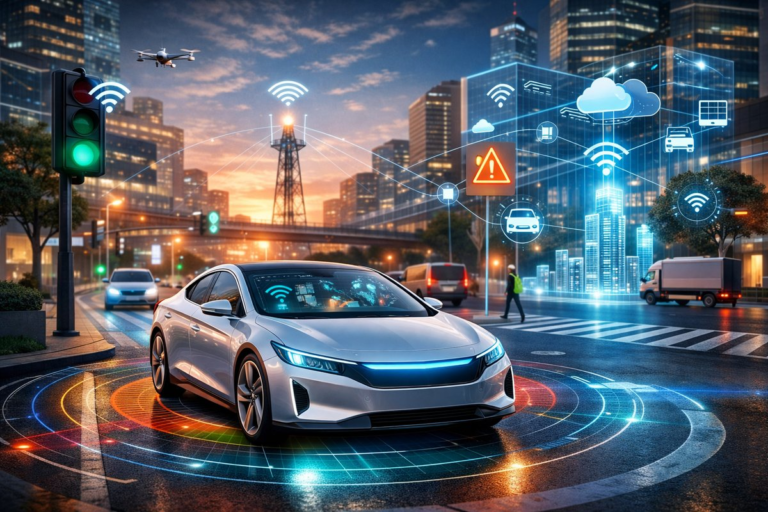
At this year’s leading mobility expo, engineers lifted the veil on an augmented-reality windshield prototype that blends navigation cues, hazard warnings, and vehicle telemetry into the driver’s view. Gone is the reliance on a small digital screen or dashboard gauge: instead, lane guidance, speed alerts, and obstacle detection markers appear to float onto the glass ahead. This live demonstration-projecting city mapping data down to sidewalk contours-hints at a future when drivers will navigate urban and rural roads through a seamless digital overlay.
Behind the scenes, manufacturers are pairing these AR head-up displays with digital twins-virtual replicas of each vehicle built from real-time sensor feeds and design blueprints. Every torque measurement, fluid temperature, and component stress reading streams into cloud-hosted simulations that mirror the vehicle’s health in software. Engineers can run “what-if” scenarios on the digital twin to anticipate part failures long before check-engine lights appear, and even test software updates in a virtual environment prior to rolling them out on the road.
One global logistics provider recently piloted this combined approach across its medium-duty truck fleet. Trucks equipped with environmental sensors and connectivity modules upload live performance metrics to a central platform. When the digital twin flags abnormal wear on a cooling pump, maintenance teams receive an alert hours before the issue would otherwise worsen. Early results show a 25 percent drop in roadside breakdowns during the trial, alongside sharper maintenance scheduling that avoids unnecessary garage visits.
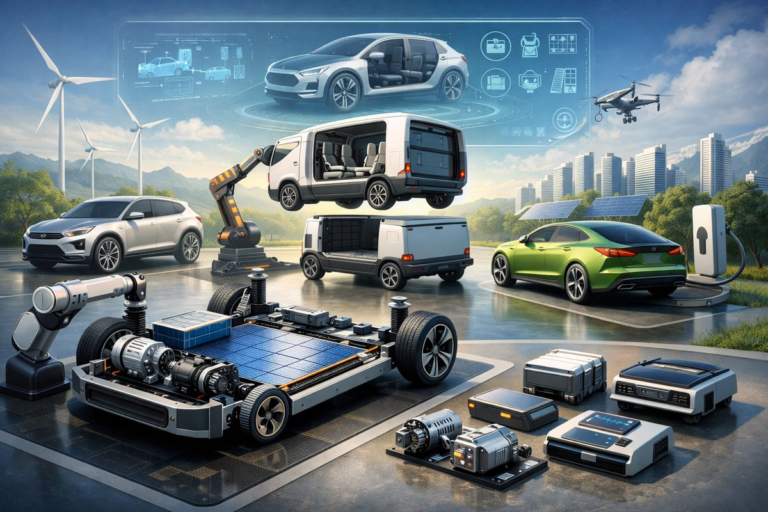
On the factory floor, digital twins are shortening design cycles and reducing waste. Virtual prototypes allow engineers to simulate crash tests, aerodynamic performance, and component lifespan under varied environmental conditions without building a single physical mule. This has helped shrinking model-launch timelines by up to 30 percent, according to a recent industry analysis. By catching design flaws in cyberspace, automakers limit costly physical rework and bring better-refined vehicles to customers faster.
For high-mileage commercial fleets, the marriage of AR and digital twin data is reshaping service contracts. Rather than fixed monthly fees for scheduled inspections, some operators now negotiate “real-use” plans where invoicing aligns with actual engine load, journey distance, and component stress numbers tracked through the vehicle’s digital counterpart. This usage-based approach incentivizes safer driving and reduces overall maintenance spend while rewarding efficient operation.
Electrification adds another layer of complexity and opportunity. Connected EVs can feed battery health, charging cycle counts, and thermal management data into the twin model. Charging-station operators and grid managers then tap this aggregate data to forecast local demand surges and optimize power distribution. In one pilot corridor, charging wait times fell by nearly 40 percent once digital twin insights guided station firmware updates and dynamic pricing signals.
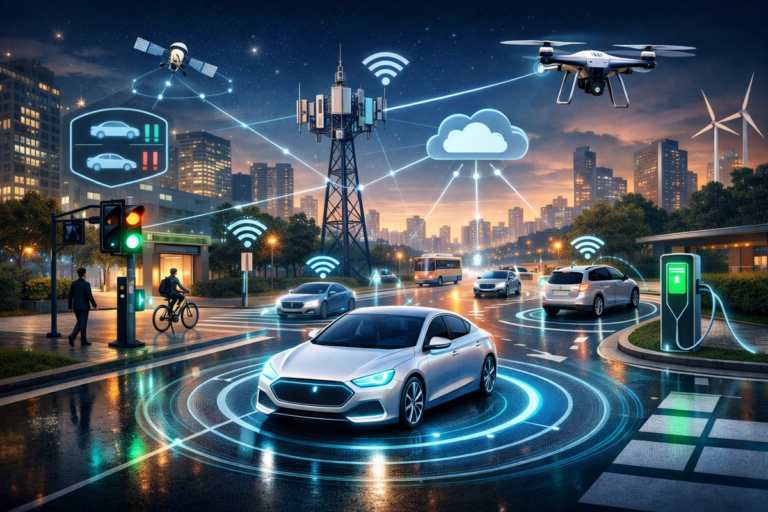
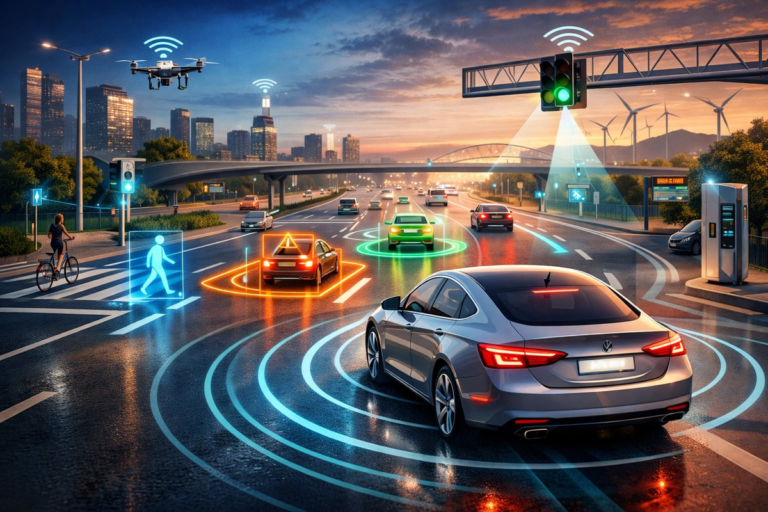
The backbone of these innovations is high-bandwidth connectivity. Automakers are testing dedicated short-range communication (DSRC), 5G cellular, and satellite links to ensure that even in remote stretches, vehicles maintain a steady handshake with their digital avatars. Low latency is crucial: a delayed hazard notification on an AR windshield could be more distracting than helpful. Network operators are investing in edge computing sites near highways to shave valuable milliseconds off each data round-trip.
Yet this hyper-connected environment raises data privacy and security concerns. Digital twin frameworks must navigate a patchwork of regulations on driver consent, cross-border data transfers, and in-vehicle data ownership. Automakers and technology providers are racing to build encryption layers, anonymization routines, and permission controls that let drivers choose which metrics they share. Industry groups are drafting guidelines on responsible data handling, but harmonizing standards remains a significant hurdle.
Cost and technical integration pose additional challenges. Retrofitting older vehicle platforms with AR projection hardware and sensor arrays can cost several thousand dollars per unit, limiting adoption outside premium segments. Likewise, smaller fleet operators may lack the IT infrastructure or skilled personnel needed to manage continuous digital twin updates. To address this, some service providers are rolling out managed-access portals where data collection, analysis, and predictive recommendations are offered as a bundled subscription.
Standardization efforts are underway to smooth these complexities. A consortium of vehicle manufacturers, telecom carriers, and software firms has proposed a common data schema for digital twin exchanges, while another alliance works on AR overlay protocols that ensure third-party apps display critical safety warnings correctly across different windshield surfaces. These cooperative initiatives aim to foster an ecosystem where aftermarket software and hardware can interoperate with core vehicle systems.
Industry analysts emphasize that user experience will be the true test. “Drivers will embrace digital overlays only if they are intuitive, non-obtrusive, and demonstrably safer,” notes one recent market report. Early feedback from test drives suggests that overly cluttered HUDs actually increase cognitive load, so UI designers are studying head-tracking behavior and gaze patterns to optimize where and when information appears. The goal is to present only the most relevant prompts-turn instructions, collision alerts, speed advisories-in clear, context-aware fashion.
For consumers eager to step into this future today, the aftersales market is already reacting. Aftermarket AR head-up display kits that project basic speed and navigation icons are available at a fraction of prototype costs. Off-the-shelf OBD-II adapters let hobbyists tap into engine statistics for their own digital dashboards. Smartphone mounts and companion apps can superimpose lane-keeping aids and speed-limit alerts onto camera feeds. While these solutions lack the seamless integration of factory-built systems, they offer a glimpse of the connected-car experience on a budget.
Looking ahead, automakers plan to expand digital twin use beyond mechanical health into driver behavior modeling, energy-use forecasting, and even personalized in-cabin climate control algorithms. AR windshields may evolve to support shared experiences-think head-up display signage that local businesses can use to broadcast promotions to passing electric taxis. As vehicles become rolling data centers, the lines between design lab, service garage, and daily commute will blur in unexpected ways.
Innovation rarely travels in a straight line, but the convergence of augmented reality and digital twin technologies marks a clear new trajectory for mobility. From safer roads and more efficient repairs to data-driven service models and grid-friendly charging, this next phase promises to shift the automotive industry from reactive maintenance to proactive, intelligent stewardship of both vehicles and infrastructure. The road ahead may be digital, but it’s one we can virtually test before we ever turn the key.