Location
Mount Vernon, WA 98274

Location
Mount Vernon, WA 98274
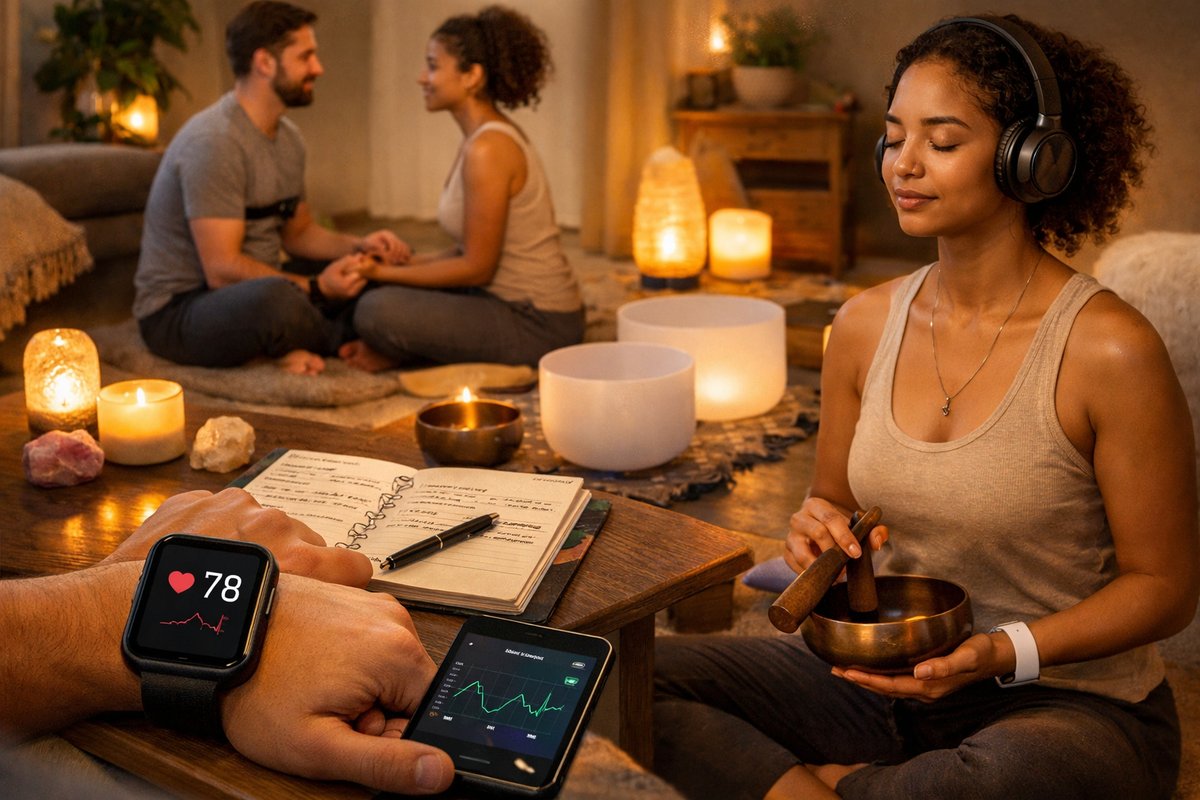
A growing number of partners are combining wearable biofeedback devices with mindful rituals to transform how they communicate and manage conflict. From real-time heart rate monitoring during check-ins to guided reflection journals and at-home sound baths, couples are experimenting with tools that translate emotions into data, fostering empathy and mutual support.
Relationships today face unprecedented pressures: hectic schedules, blurred work‐life boundaries and an always-on digital culture that amplifies stress. In response, many couples are trialing a blend of wearable biofeedback technology and age-old mindfulness practices to better understand each other’s emotional rhythms. This emergent approach-melding data with intentional rituals-aims to create a new kind of emotional literacy that goes beyond words alone.
At the heart of this trend are lightweight wearable monitors that track indicators like heart rate variability (HRV), skin conductance and breathing patterns. During a typical evening check-in, partners sync their devices to a shared app, watch their physiological signals in real time and then narrate what they’re experiencing. One couple described how noticing a spike in skin conductance helped them pause an escalating disagreement and switch to a brief breathing exercise, diffusing tension before words turned sharp.
Mental health professionals note that traditional talk therapy remains invaluable, but adding a biofeedback layer can deepen empathy. “When you see someone else’s heartbeat accelerate, there’s a visceral reminder of their inner state,” explains a licensed marriage counselor who has incorporated wearable data into remote sessions. “It’s harder to dismiss or minimize their stress when it’s literally on display.” For many partners, observing raw physiological data is what transforms assumptions into shared understanding.
Beyond conflict resolution, couples are weaving reflexive rituals into daily life. Guided reflection journals designed specifically for partners invite users to record moments of gratitude, challenges faced together and personal observations about emotional highs and lows. These journals often pair prompts-such as “When did you feel most seen by your partner today?”-with optional QR codes that link to mindfulness audio tracks. Filling out entries side by side over tea or before bed has become a nightly habit, fostering a sense of co-creation and mutual witness.
Sound therapy and breathwork are also taking center stage. Small, portable sound bath speakers designed for home use emit gentle gongs, crystal tones or binaural beats calibrated to encourage relaxation. Partners alternate choosing soundscape presets and guide each other through short breathwork sequences, helping synchronize their nervous systems. One duo says they now look forward to these ten-minute sound sessions as much as date nights.
While the technology and tools can spark curiosity, experts caution that success lies in thoughtful integration rather than gadget accumulation. A psychologist specializing in relationship dynamics advises couples to establish clear agreements: decide when devices stay on the charger, which metrics are shared and how data will be interpreted. “Without boundaries, a biofeedback vest could feel invasive or like a scoreboard,” she warns. “The goal is attunement, not competition.”
Cultural shifts around vulnerability and emotional transparency underpin this movement. Younger generations, in particular, are more comfortable admitting uncertainty or discomfort in relationships, and they welcome tools that bridge verbal gaps. They see data-driven check-ins as an extension of values around openness, equity and shared responsibility in partnership.
For couples who travel frequently, biofeedback meets practicality. Compact monitors that clip onto the arm or slip into a pocket mean partners can compare stress levels after back-to-back video meetings on different continents. Some have even devised “digital care packages,” sending each other preloaded guided meditations and journal prompts when one person is working late or feels disconnected.
However, the influx of data raises questions about privacy and emotional safety. Experts remind users to protect sensitive information and agree on how long to store or delete session logs. Partners are encouraged to treat raw data as a conversation starter rather than an absolute verdict. One cautionary tale involves a pair who became fixated on minute variations in resting heart rate, turning casual check-ins into anxious fact-finding missions. They ultimately paused their devices for a week to reclaim spontaneity.
Research on biofeedback’s impact in couples remains in its early stages, but small pilot studies report improvements in emotional awareness and reduced conflict frequency. Observational surveys suggest that partners who engage in synchronized breathing exercises show higher relationship satisfaction scores six months later compared to control groups relying solely on discussion techniques.
Beyond gadgets, many couples are introducing tactile reminders of shared progress. A small wooden board engraved with co-authored intentions or a jar filled with handwritten reflections can serve as physical touchpoints when screens are turned off. These tangible elements remind partners that technology is a bridge-not the centerpiece-of their emotional work.
For those hesitant to invest in wearables, there are entry-level options: simple radial breathing guides, sand timers for five-minute silence rituals and printable conversation prompts. Community workshops led by therapists and mindfulness coaches now frequently feature a “biofeedback demo corner,” letting participants test devices, discuss privacy concerns and explore journaling techniques in a supportive environment.
Brands may market ever more sophisticated devices, but seasoned couples emphasize process over equipment. They recommend starting with one new habit-like a weekly screen-free sound bath or a shared mood barometer chart-before layering on technology. The aim is incremental growth, building trust in small, consistent steps.
The allure of real-time physiology isn’t to replace emotional intelligence but to amplify it. When partners see a visual spike in tension, they’re prompted to ask, “What’s going on in your world right now?” rather than defaulting to blame. Over time, these data-backed check-ins can cultivate intuitive attunement that persists even when devices are off.
As remote work and digital distractions continue reshaping daily life, couples are hungry for fresh approaches to solidarity and communication. Wearable biofeedback and ritualized sharing strike a balance between modern innovation and timeless mindfulness. For those willing to experiment, these tools offer a roadmap toward deeper empathy, clearer conversations and shared resilience.
Ultimately, the most successful pairs treat technology as an amplifier of their own emotional curiosity. Rather than letting screens and sensors drive interactions, they use them to steer back toward each other-and toward the simple power of listening, breathing and being present together.
A sense of adventure infuses these nascent practices. For partners ready to explore new frontiers in emotional connection, biofeedback and mindful rituals provide a playground where data and compassion intersect. As one couple put it, “We’re writing a new love story-one heartbeat at a time.”