Location
Mount Vernon, WA 98274

Location
Mount Vernon, WA 98274
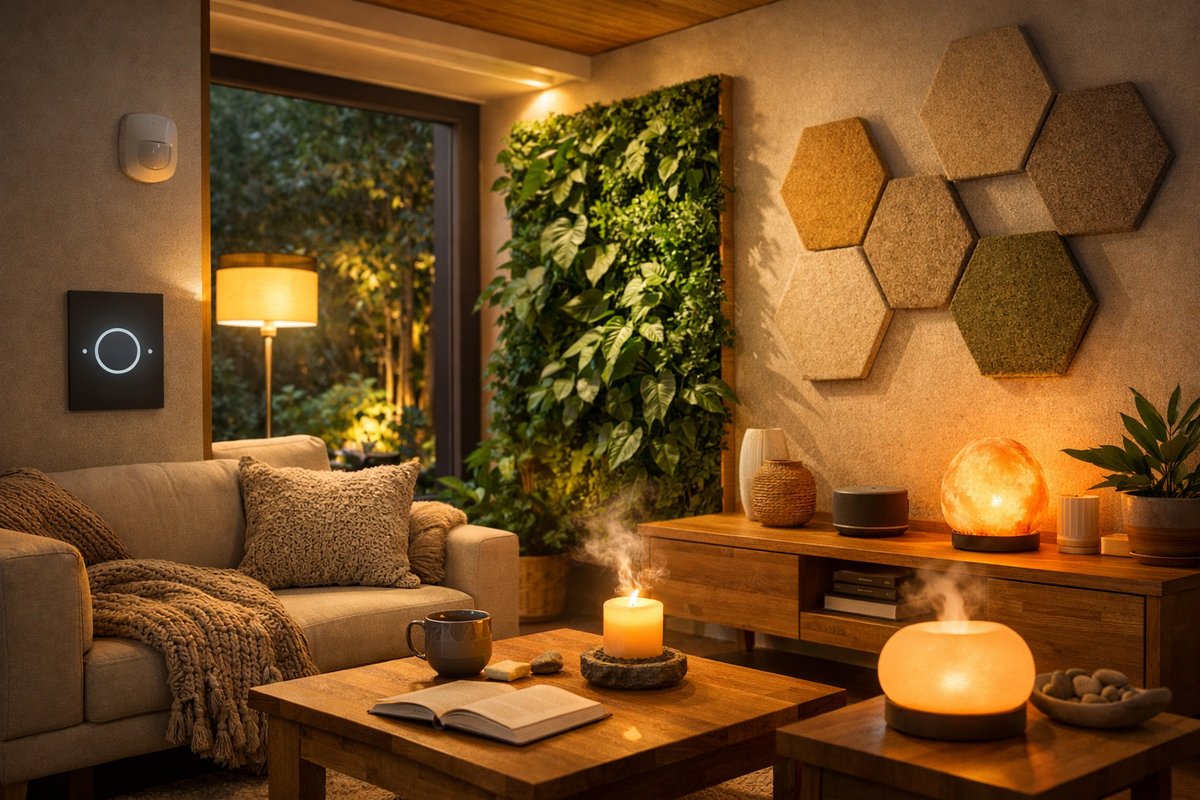
Reimagining a home means balancing automated convenience with tactile warmth. From sensor-driven lighting to plant-based acoustic panels, intentional upgrades can transform any room into a mindful sanctuary. Follow this guide to blend cutting-edge hardware, sustainable materials, and comforting layers for a seamless, human-centered living space.
Transforming a house into an intentional living environment starts with a simple question: what do you want your home to do for you? Beyond the buzz of voice assistants and remote controls lies an opportunity to redefine comfort and purpose. By weaving together smart sensors, adaptive lighting, and eco-conscious materials, you can design a space that responds intuitively, supports emotional well-being, and reflects personal values.
At the heart of any connected home is a robust data backbone. Mesh networks and low-power sensors now make it possible to map occupancy, temperature, and noise in real time. Deploying a central smart home hub alongside wireless sensor nodes lets you collect granular insights without rewiring walls. Motion detectors in hallways can trigger soft lighting, while door and window sensors feed occupancy data to your climate system. Plug-and-play modules maintain room-by-room customization, ensuring that each zone in your living space behaves exactly as you wish-whether that means gently warming up before you wake or dimming lights when you settle in for a movie night.
Lighting has evolved far beyond on/off functions. Tunable white LEDs and full-spectrum smart bulbs can shift color temperature to support your circadian rhythm. Imagine a bedroom that simulates dawn at a gradual 30-minute sunrise, nudging your body awake with warm, amber tones. During work hours, cooler daylight settings boost focus and alertness, while evenings bring cozy golden hues. Voice or gesture controls further reduce friction, allowing you to adjust mood lighting without fumbling through a remote app. Integration with presence sensors eliminates manual control altogether: rooms illuminate only when occupied, conserving energy and enhancing safety.
Voice assistants remain valuable for hands-free operation, but emerging gesture and touch-free interfaces are creating more subtle ways to interact. A simple wave of the hand can pause your playlist, close smart blinds, or toggle between lighting scenes. Some systems even allow you to draw shapes in midair to execute routines, freeing you from physical buttons. This multimodal approach respects hygiene in kitchens and bathrooms, and it supports accessibility for family members with mobility challenges.
Climate and air quality automation are cornerstones of intentional living. Smart thermostats learn your daily patterns, optimizing heating and cooling to minimize waste while maintaining comfort. Paired with networked CO₂ and humidity sensors, these systems can trigger ventilation fans or indoor greenery irrigation as needed. Fine-tuning fresh air intake helps maintain healthy indoor air, reducing fatigue and improving sleep quality. Overheating and overcooling become relics of the past when rooms auto-adjust based on occupancy and outdoor weather forecasts.
The fusion of light, sound, and scent crafting an emotional map for each moment is a rising trend. Integrating smart speakers with spatial audio calibration allows for immersive soundscapes-think distant ocean waves in your study or gentle forest birds in your reading nook. Diffuser systems compatible with scheduling can release natural essential oil blends during meditation or energizing citrus notes in the morning. Orchestrate these elements with routines that orchestrate a multisensory transition from workday mode to unwinding mode, sharpening the line between productivity and relaxation.
Cozy interiors rely on more than technology; materials and textures anchor a space in warmth and tactility. Layered textiles-plush area rugs, knitted throws, and woven pillows-invite you to sink in and slow down. Natural fibers like organic cotton or linen deliver breathability, while recycled wool rugs add insulation underfoot. Modular upholstery with removable covers makes seasonal swaps effortless: choose calming pastels for spring, then swap in deeper jewel tones when autumn arrives.
Acoustic comfort often goes overlooked in open-plan layouts. Plant-based acoustic panels mounted on walls or ceilings absorb excess echo and contribute to a natural aesthetic. Cork or felt tile installations reduce noise transfer between rooms, creating quiet corners for focused work or restorative rest. Sound-dampening curtains along glass walls not only muffle street noise but also extend lighting control during daytime movie screenings.
Furniture with modular capabilities responds to shifting needs. Sectional sofas with configurable chaise lounges offer flexible seating arrangements for family gatherings, while fold-away desks and wall-mounted shelves maximize floor space. Furniture pieces that integrate charging stations and cable management eliminate clutter, preserving clean sightlines. Look for sustainably sourced hardwood or certified reclaimed wood frames that promise longevity without compromising style.
Vertical gardening solutions bring biophilic design indoors without demanding a green thumb. Hydroponic towers and wall planters cultivate fresh herbs or ornamental foliage year-round, while built-in LED grow lights simulate natural sunlight. Indoor vegetation not only filters air pollutants but also injects vibrant color and life into minimalist spaces. Automated drip irrigation systems with humidity sensors ensure plants thrive with minimal manual intervention.
Upcycling and adaptive reuse unlock creative flair while reducing waste. Repurposed pallets can become rustic coffee tables, and salvaged metal piping transforms into industrial-style shelving. A coat of low-VOC paint on reclaimed wood accent walls revitalizes materials headed for the landfill. By blending artisanal DIY techniques with modern tooling-such as CNC-cut jigs or app-guided laser engravers-upcycling becomes both rewarding and precise.
Sustainable materials extend beyond decor. Bamboo flooring or cork underlayment offers a renewable alternative to conventional hardwood. Bio-composite countertops made from recycled glass and plant resins deliver durability with reduced carbon footprint. Low-emissivity windows and recycled-content insulation bolster thermal performance, shrinking your home’s energy demands. Seek formal certifications-like GREENGUARD or Forest Stewardship Council labeling-to verify environmental claims and protect indoor air quality.
On the rooftop or balcony, solar roof tiles or foldable photovoltaic awnings can generate clean power. Next-generation storage batteries buffer excess energy, enabling off-grid operation during peak rates or grid outages. Smart energy management platforms track production and consumption in real time, optimizing usage so that appliances run when solar production peaks. Combined with demand-response programs, these systems can even earn credits from local utilities, further offsetting monthly bills.
Planning an intentional home upgrade always begins with an audit. Map out your current comfort pain points: drafty zones, dim corners, or stale air pockets. Measure square footage and identify sections where new wiring or sensors would be easiest to install. Prioritize upgrades based on impact and budget-lighting and climate controls often yield quick returns in comfort and efficiency.
A phased approach helps manage costs and complexity. Start with foundational systems-like a central hub, smart thermostat, and primary sensors-and build outward to specialty add-ons: plant irrigation controls, adaptive furniture, or immersive audio. Open-source platforms and interoperable protocols (such as Matter or Zigbee) safeguard against vendor lock-in, making future expansions smoother.
Maintaining an intentional home means respecting privacy and data security. Look for platforms with local-first processing and end-to-end encryption to keep personal behavior patterns on your terms. Regular firmware updates and two-factor authentication add layers of defense against cyber intrusion. Clear data retention policies ensure that logs are purged periodically, preserving trust in automated systems.
Glimpsing ahead, the home of tomorrow will merge AI with tactile design. Imagine furniture that anticipates your posture, adjusting firmness as you shift, or adaptive glass façades that tint on demand to control glare. Robotics for chores-like window cleaning drones or laundry-folding arms-will weave chore relief into daily routines. Augmented reality overlays may help you trial paint colors or furniture layouts in real time before lifting a paintbrush or paying a deposit.
Starting an intentional living journey doesn’t require a complete overhaul. Identify one room, one routine, or one sensory element you’d like to enhance. Swap a traditional thermostat for a learning thermostat. Hang a set of acoustic panels in a noisy corridor. Introduce a hydroponic planter to your kitchen windowsill. Each small step compounds, building a home that feels both high-tech and deeply human.
By uniting smart upgrades with cozy essentials, you create a sanctuary attuned to needs, moods, and values. This kind of home isn’t just a place to reside-it’s a living organism that grows with you. Your next frontier in intentional living awaits just beyond the light switch and beneath the soft rug at your feet. Embrace the interplay of innovation and comfort, and watch your personal ecosystem flourish.