Location
Mount Vernon, WA 98274

Location
Mount Vernon, WA 98274
Across several cities, innovative community wellness hubs are popping up to offer residents on-demand tools for better sleep, movement and mental clarity. Blending sustainable design, biometric tracking and tailored programs, these approachable spaces are redefining how neighborhoods support holistic health.
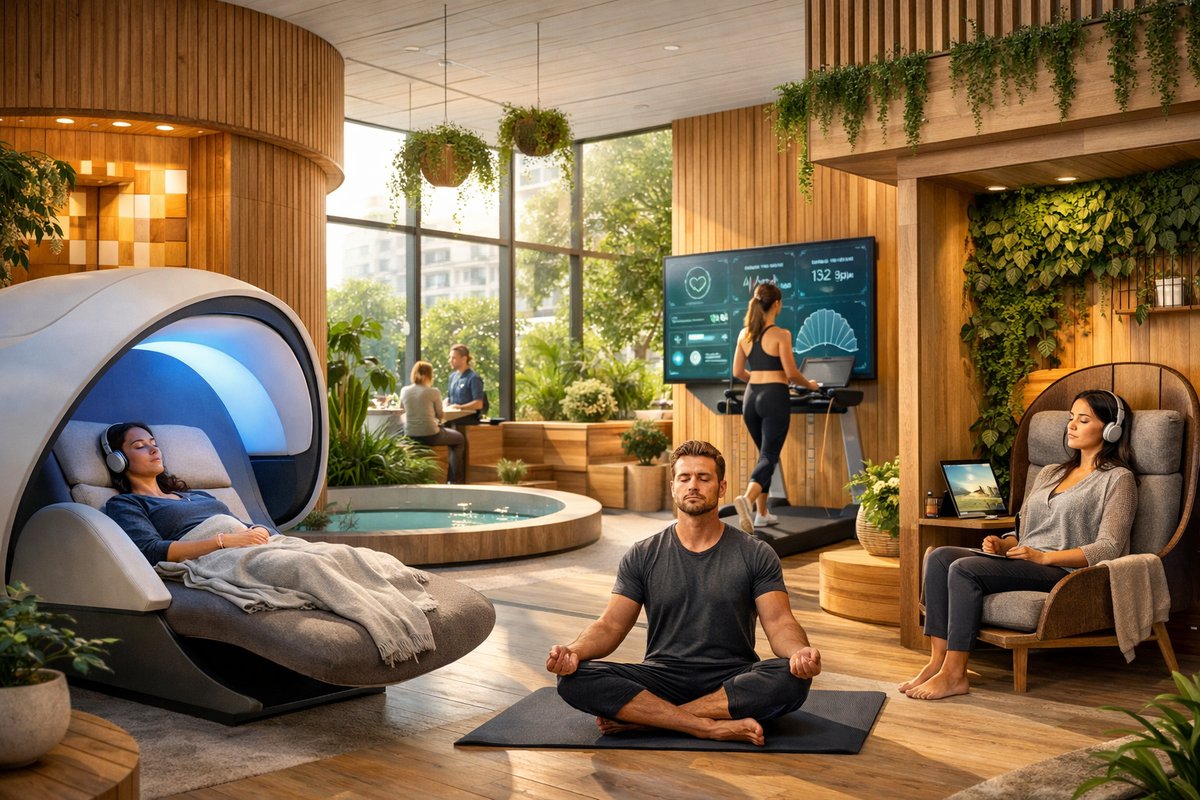
In a quiet corner of an urban plaza, a sleek, dome-shaped structure hums with soft ambient light and gentle soundscapes. Inside, visitors recline on ergonomic loungers designed to regulate posture, don lightweight biometric trackers and lean back into adjustable circadian lighting tuned to their personal sleep profile. This isn’t a futuristic spa-it’s the latest iteration of a community-driven wellness hub that promises to reshape how people care for their bodies and minds.
Over the past year, cities from Portland to Barcelona have piloted neighborhood wellness bubbles-modular stations that integrate movement zones, mindfulness walls and sleep-optimizing pods. Conceived as an antidote to sedentary lifestyles and mounting stress, each bubble is equipped with plant-based seating, low-energy sensors and curated guided sessions for yoga, breathing exercises and digital detox. The goal is simple: offer no-cost, easily accessible tools that anyone can use on their own schedule, without membership fees or invasive data collection.
Early results have been encouraging. A recent pilot study in Portland’s Sunnyside district found that 68 percent of frequent users reported falling asleep faster and 54 percent saw measurable improvements in resting heart rate variability, a key indicator of stress resilience. Meanwhile, a Barcelona installation recorded a 22 percent increase in daily step counts among locals who used the movement zone at least three times a week. City planners and public health experts are taking note, recognizing that small, decentralized investments in wellbeing infrastructure can yield large gains in community health metrics.
These hubs are designed around four core pillars: vitality, sleep, movement and emotional clarity. Each pillar corresponds to a dedicated microspace within the bubble:
• Vitality lounges feature adjustable soundscapes-ranging from rainforest ambiences to gentle binaural beats-and air-filtering houseplants that help boost alertness and mood. Smart lighting gradually transitions from cool white in the morning to warmer hues in the afternoon, supporting natural energy cycles without jarring glare. The energy draws from rooftop solar panels and kinetic tiles embedded in the floor, reflecting a sustainability-first mindset.
• Sleep pods are semi-enclosed capsules outfitted with circadian lighting systems, low-frequency acoustic transducers and memory-foam supports. Users can book 20-minute “power rest” sessions that synchronize light and sound to promote deep relaxation. Each pod adapts lighting schedules based on the user’s own sleep journal entries and wearable data, fostering personalized rest strategies without harvesting personal data beyond what the user volunteers.
• Movement zones blend resistance bands, balance platforms and guided video tutorials for mini-workouts that can be completed in 10-minute intervals. A watercolor mural of local parks spans one wall, encouraging users to extend their routines outdoors. Biodegradable yoga mats, modular foam blocks and adjustable stretching bars turn any posture routine into an intuitive, sculptural experience.
• Emotional clarity stations consist of digital kiosks offering breathwork exercises, guided imagery and real-time journaling prompts. Acoustic foam panels muffle outside noise as calming visual projections shift slowly over a minimalist palette, providing a sensory reset. A lockable “reflection box” nearby invites visitors to drop handwritten thoughts or ideas, reinforcing privacy and nonjudgmental self-expression.
Public health director Carmen Ruiz, who oversaw one of the pilot projects, describes the approach as “welcoming without being clinical. We’re not asking people to fill forms or hand over everything they do on their phones. They come in, they pick a session-maybe try the sleep pod, then hop over to stretch-and leave feeling more centered.” This ethos of autonomy and emotional intelligence has drawn praise from both wellness advocates and privacy experts.
Sustainability is woven into every element. The domes use reclaimed bamboo panels, low-VOC paints and water-efficient misting units. Rain barrels collect runoff for nearby community gardens, while a rooftop apiary supplies local pollinators. Even the textile covers on loungers are made from recycled plastic diverted from landfills. By designing with both people and the planet in mind, these stations underscore that true wellness rests on environmental responsibility as much as individual health practices.
At a time when remote work and screen fatigue are driving a surge in loneliness and burnout, these micro-hubs offer an antidote: brief, self-paced interventions that nudge people back toward mindful movement and restorative rest. Local governments are already exploring expansions. In one Midwestern city, plans are under review to integrate similar pods into public libraries and transit stations, turning waiting areas into small sanctuaries for mental recalibration.
For individuals eager to bring elements of these hubs home, there are practical takeaways. Create a nook with soothing, adjustable lighting; introduce a compact sleep mask or white-noise machine to cue rest; dedicate a corner to simple movement props like a yoga mat, resistance band and foam roller. Incorporating a daily five-minute journaling ritual, guided by prompts or visualizations, can also build emotional clarity over time.
Wellness experts stress that the magic isn’t in high-tech bells and whistles but in consistency and curiosity. As behavioral scientist Dr. Anil Shah notes, “When you design your environment to make the healthy choice the easiest choice-be it stepping onto a mat or dimming lights at night-you’ll find yourself following through more often. These community bubbles work for the same reason: they lower barriers and invite exploration.”
Cities piloting these stations report enthusiastic uptake across age groups and backgrounds, from shift workers grabbing quick restorative breaks to retirees practicing gentle mobility exercises. Some users even organize neighborhood meetups, trading tips for mindful routines or coordinating group meditation sessions on the plaza outside.
As municipal budgets tighten, skeptics question whether wellness bubbles are a luxury rather than a necessity. Yet a growing body of research suggests cost savings in reduced healthcare visits, fewer sick days and lower rates of mood disorders. In one analysis, each dollar invested in community wellness infrastructure returned up to three dollars in avoided health costs within two years.
Looking ahead, designers envision modular expansion: pop-up art therapy corners, mobile infrared saunas and even augmented-reality nature walks projected onto dome interiors. The next generation of stations may feature adaptive AI coaches that respond in real time to biometric feedback, offering tailored mindfulness interventions or movement challenges without recording personal data.
What started as an experiment in urban wellbeing now stands poised to redefine the public commons. By blending sustainability, privacy-respecting technology and simple yet profound self-care tools, these neighborhood wellness bubbles are more than a trend-they’re a blueprint for resilient, connected communities that nurture body, mind and planet alike.
As you consider your own wellbeing routine, remember that major shifts often begin with small steps: a well-timed stretch, a moment of intentional breathing or a brief power rest. Whether you visit a community hub or create your own at home, the foundation of lasting vitality is accessibility, consistency and a willingness to explore new ways of caring for yourself.