Location
Mount Vernon, WA 98274

Location
Mount Vernon, WA 98274
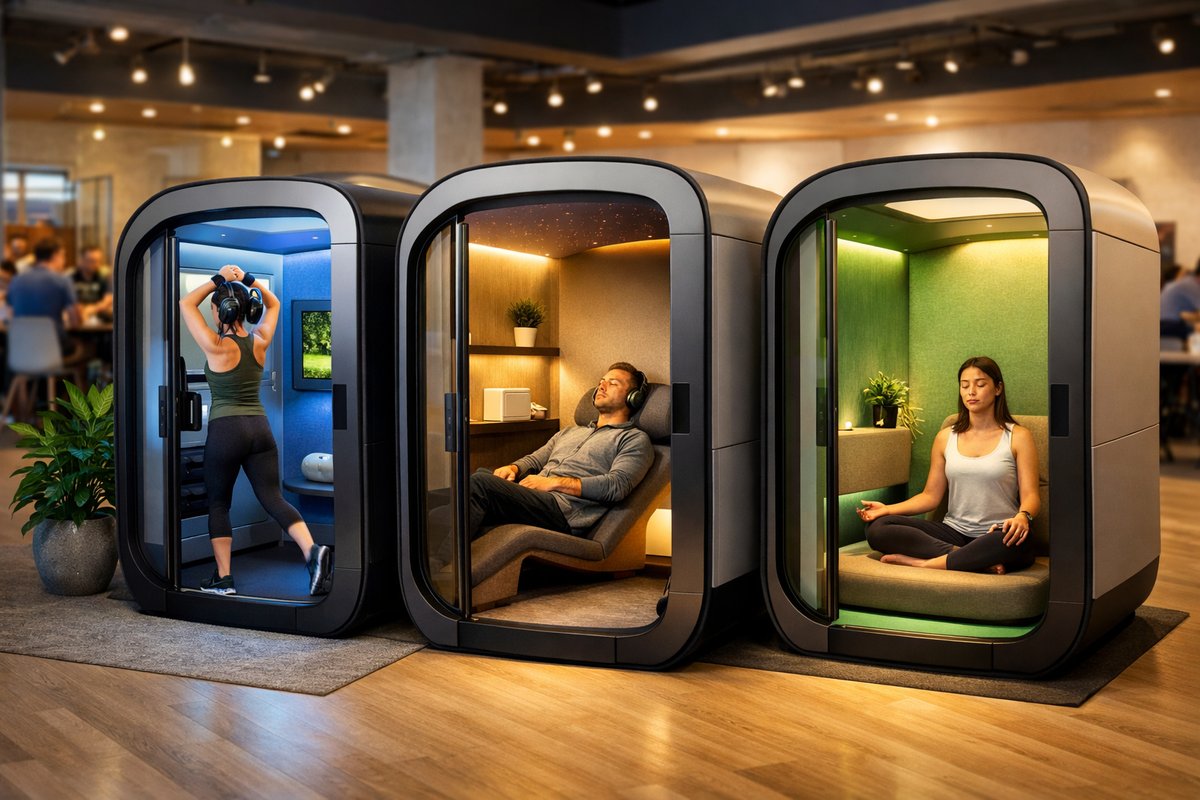
Cities are embracing compact, multisensory wellness pods that offer quick escapes for movement, rest, and mental rejuvenation. From coworking lobbies to community centers, these modular havens blend lighting, acoustics, air quality, and ergonomic design to deliver tailored micro-experiences.
In the heart of today’s bustling metropolis, a new kind of urban fixture is popping up in lobbies, libraries, and public plazas: the personalized wellness pod. Far from a luxury amenity, these compact enclosures serve as micro-refuges where city dwellers can pause for guided breathing exercises, brief stretches, power naps, or immersive meditation sessions. Each pod combines adjustable lighting, soundscapes, air filtration, and ergonomic fittings to create a mini retreat calibrated to individual needs.
For millions of people who juggle long commutes, back-to-back meetings, and crowded public spaces, stolen moments of calm are no longer indulgences-they’re necessities. A recent survey by an urban health think tank found that 78 percent of respondents wished for accessible, private spots to reset mental focus and manage physical tension during their day. Wellness pods answer that call by offering bite-sized experiences-often as short as ten minutes-that recharge energy reserves and clear mental clutter.
At first glance, these pods look like high-tech phone booths. Peek inside, however, and you’ll discover a carefully orchestrated setting: curved walls lined with LED panels that shift through warm and cool tones, built-in directional speakers for noise masking or guided audio, and integrated sensors that monitor temperature, humidity, and sound levels. Users tap a touchscreen or smartphone app to choose a session-power nap, posture reset, breathing routine, or immersive meditation-and the interior transforms in response.
Lighting plays a pivotal role. By simulating natural daylight cycles or gentle twilight hues, circadian rhythm panels can promote alertness in mid-afternoon slump or encourage restfulness in brief nap breaks. In a pilot launched in a Seattle public library last year, participants who used 15-minute light-guided sessions reported a 20 percent uplift in mood and a measurable increase in afternoon focus. The dynamic lighting can also adapt to each user’s chronotype, helping night owls and early birds alike find the optimal glow for their bodies.
Soundscapes are equally customizable. Instead of static white noise, many pods deliver layered acoustic environments: distant ocean waves, light forest rain, or soft instrumental tracks at frequencies tuned to reduce stress hormone levels. Built-in speakers reverberate with directional audio that feels enveloping without leaking into surrounding corridors. Some models even include on-demand binaural beats, harnessing subtle rhythmic pulses to guide brainwaves toward states of calm, creativity, or concentration.
Air quality and scent diffusion complete the sensory ensemble. Compact HEPA filters capture fine particles and allergens, while activated carbon elements neutralize volatile odors. Gentle breezes cycle fresh, purified air throughout the pod. At the same time, a cartridge-based diffuser can release micro-bursts of chamomile, eucalyptus, or citrus essential oils, further reinforcing relaxation or alertness depending on the chosen program.
Ergonomic seating and movement aids help users shift out of desk-bound postures. A memory-foam recliner that morphs into a near‐flat surface invites power naps. Built-in stretch bars and resistance cord anchors encourage standing posture resets and yoga-inspired stretches. Floor space holds a compact, fold-away yoga mat so users can step out of the chair entirely for a guided five-minute reset sequence.
Sleep pods tailored for micro-naps are among the most sought-after modules. Research shows that even a ten-minute nap can sharpen reaction times, enhance memory recall, and reduce subjective fatigue. Rather than a traditional bed, these pods combine gentle zero-gravity tilt with subtle temperature regulation and low-frequency sound masking to deliver restorative rest without deep sleep inertia. A 2023 corporate trial found that employees who booked two 12-minute sessions per week reported up to a 30 percent drop in afternoon drowsiness.
The latest generation of pods increasingly incorporates virtual and augmented reality for guided mindfulness journeys. Users slip on a lightweight VR headset that syncs with the pod’s physical cues-warm light shifts, faint breeze, or subtle vibrations-to transport them to a forest clearing, mountaintop overlook, or starlit desert. Early adopters describe the experience as more immersive than smartphone apps alone, citing sharper focus and deeper relaxation within minutes.
Coworking spaces, tech campuses, and community wellness centers have been quickest to install these pods, but public libraries and transit hubs are also experimenting. In one metropolitan area, a network of micro-refuges was rolled out across five commuter rail stations, offering passengers brief respites between connections. Library patrons in another city can reserve 20-minute pod sessions to clear mental blocks before research marathons. These pilot programs are expanding in response to enthusiastic user feedback, with waitlists forming on weekdays.
Quantitative data backs the anecdotal hype. A multi-city study conducted by the Urban Experience Lab tracked cognitive performance and stress markers for pod users versus non-users. Within two weeks, participants reported an average 15 percent improvement in self-rated focus, a 12 percent reduction in perceived stress, and sharper mood regulation during busy periods. Employers sponsoring access also noted higher staff retention and fewer sick-day absences.
Recognizing that not every home has space for a full-size pod, some manufacturers now offer compact, DIY wellness kits. These bundles include foldable light panels with circadian programming, portable air purifiers with filter subscriptions, attachment bars for doorways or walls, and modular sound devices that pair via Bluetooth. Enthusiastic urbanites mount these kits in spare corners of living rooms or bedrooms, creating personal nooks for daily resets.
Beyond the physical gadgets, these pods tap into deeper emotional and social dynamics. By carving out dedicated “me-time” in shared environments, they normalize self-care and spark conversations about mental health. Colleagues compare favorite audio tracks, neighbors bond over micro-nap tips, and community groups host guided breathwork hours, transforming isolated capsules into catalysts for collective well-being.
As cities grow denser and work rhythms accelerate, the demand for accessible, science-backed wellness moments shows no sign of slowing. Personalized pods bridge architecture, technology, and human physiology to weave micro-respite into daily life. Looking ahead, sustainable materials, solar-powered prototypes, and AI-driven personalization promise even more seamless integration. In the meantime, a ten-minute session inside one of these pods may be all it takes to reset your body, sharpen your mind, and find calm amid the concrete jungle.