Location
Mount Vernon, WA 98274

Location
Mount Vernon, WA 98274
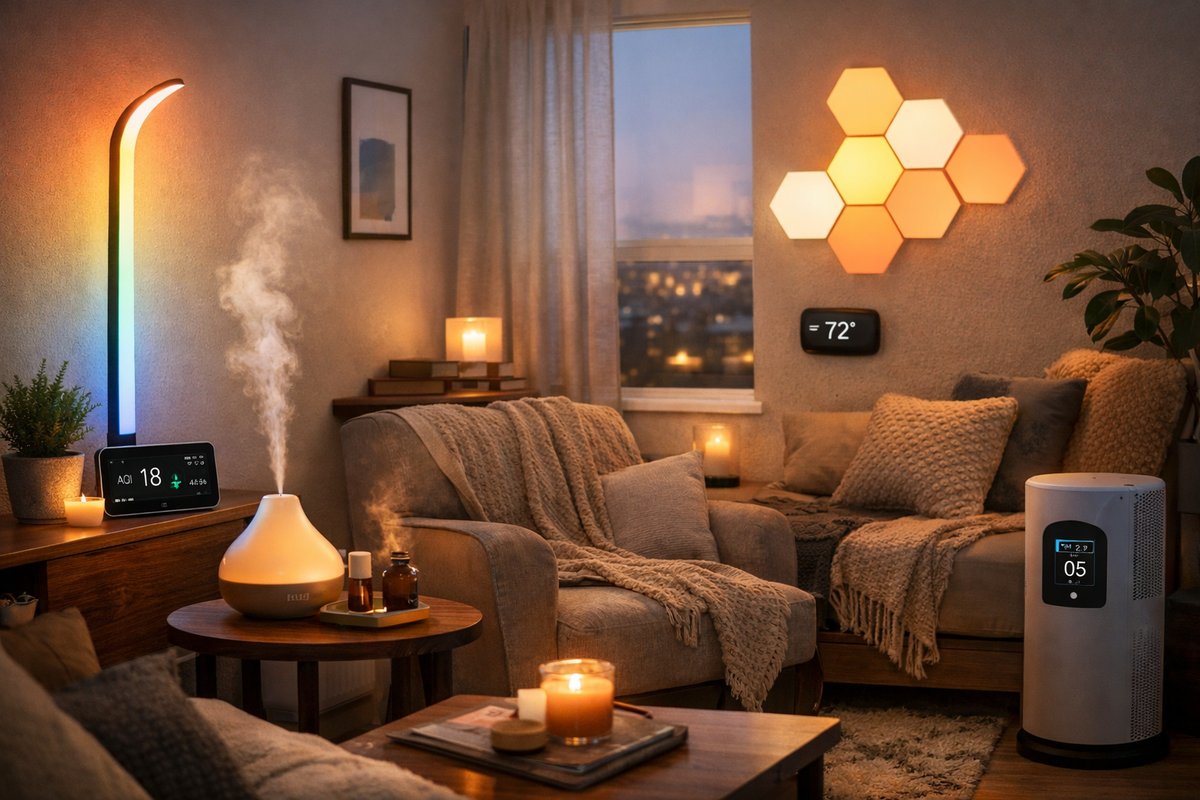
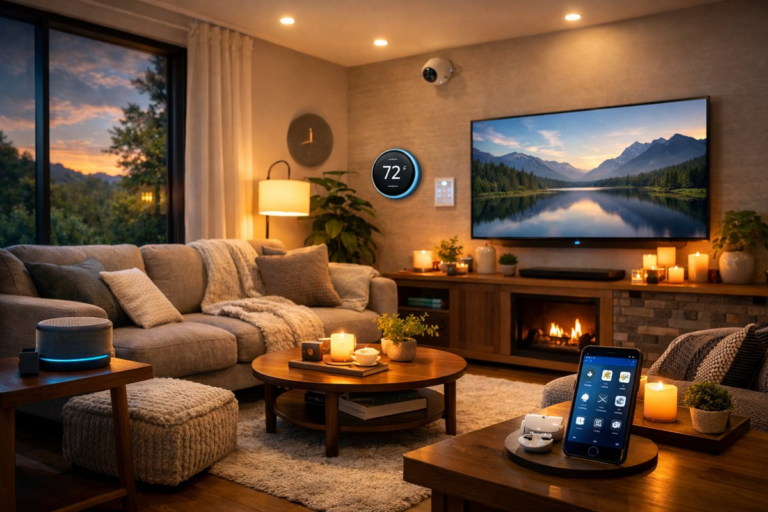
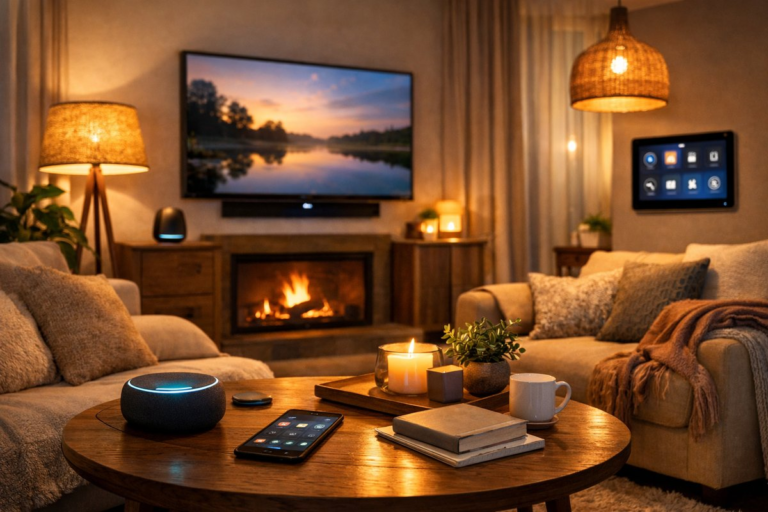
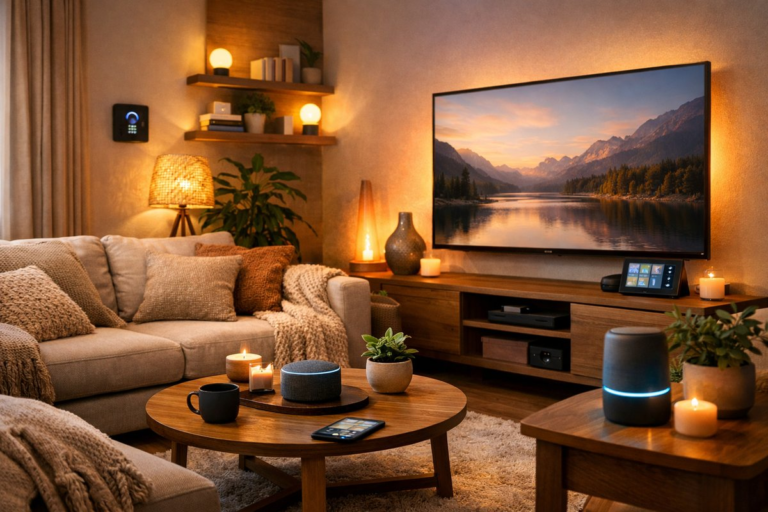
A new wave of multisensory smart home devices is combining automation with cozy textiles and ambient scent to create more intentional living spaces. From tuneable LED floor lamps to real‐time air quality monitors, homeowners are curating environments that adapt to daily routines, wellness needs and sustainability goals.
A quiet revolution is unfolding inside living rooms, kitchens and home offices as homeowners embrace multisensory smart technology and textile-driven coziness to craft more intentional living spaces. Beyond merely controlling lighting or adjusting climate settings through voice commands or smartphone apps, a new generation of integrated devices is responding to circadian rhythms, indoor air quality metrics and even subtle emotional cues. By seamlessly blending automation with sustainable fabrics, natural materials and ambient scent delivery systems, these solutions promise a more harmonious, healthy environment tailored to individual preferences and routines. Industry analysts now describe this shift as an era of living spaces that listen, learn and evolve alongside their occupants.
According to a recent survey by the National Association of Home Builders, nearly eight in ten homeowners plan to invest in upgrades that improve both comfort and sustainability. Smart window treatments that lower energy use, programmable thermostats paired with geofencing, and air quality sensors that alert users to indoor pollutants are topping wish lists. Meanwhile, design studios report a surge in demand for cozy textiles-think plush throws and modular sofas upholstered in eco-friendly fibers-that soften the high-tech edge of automated homes. Together these impulses reflect a desire for spaces that deliver both efficiency and emotional warmth.
Lighting is emerging as one of the most advanced frontiers of intentional interior design. Tunable LED floor lamps now offer full-spectrum illumination that shifts throughout the day, mimicking natural daylight patterns to support sleep-wake cycles. Integrated smart dimmers and color-tuning features can be scheduled to ease eyestrain during work hours and transition to warmer hues for evening relaxation. Some systems even sync with popular music streaming platforms to pulse in time with sound, adding a kinetic dimension to movie nights or social gatherings. As these technologies become more affordable, lighting is transitioning from static utility to an active wellness tool.
Aroma and sound also factor into the multisensory equation. Ultrasonic essential oil diffusers equipped with programmable schedules and app controls can release calming lavender scent in the home office or invigorating citrus during morning routines. Voice-activated aroma hubs respond to simple commands like “relax mode” or “focus boost,” integrating fragrance with subtle light cues and ambient soundscapes. Audio systems that deliver nature recordings or guided meditation tracks complete the setup, turning any room into a personalized retreat. This convergence of sensor-driven scent, light and sound reinforces the notion that well-being at home is a deliberate, curated practice.
Indoor air quality monitors are gaining traction among wellness-oriented homeowners who view clean air as a nonnegotiable amenity. These small devices measure volatile organic compounds (VOCs), particulate matter and carbon dioxide levels in real time, sending alerts when metrics drift outside optimal ranges. Some models connect to smart ventilation systems, automatically increasing airflow or activating air purifiers to maintain healthy conditions. Experts note that chronic exposure to poor indoor air can affect sleep quality, cognitive performance and respiratory health, driving consumer interest in devices that transform homes into proactive defenders against pollutants.
Climate control remains at the heart of smart home customization, and next-generation thermostats are smarter than ever. Learning thermostats observe patterns of occupancy and temperature preferences, automatically adjusting setpoints to reduce energy consumption by up to 15 percent while maintaining comfort. Geofencing features detect when household members depart or return, switching between eco and normal modes without manual input. Integration with renewable energy sources-such as solar panels and battery storage-allows these thermostats to optimize usage based on peak production times. For homeowners mindful of bills and carbon footprints alike, the ability to shape climate outcomes is a game changer.
Not every smart upgrade requires a complete system overhaul. Programmable smart plugs offer a low-cost entry point, bringing basic scheduling and remote control to almost any appliance. Users can power on a desk lamp in advance of their morning work session, set a space heater to shut off after bedtime or manage holiday light displays without stepping outside. Voice assistant compatibility means that even basic devices without built-in connectivity can join the smart ecosystem. For renters or budget-conscious DIYers, smart plugs represent an accessible gateway into intentional automation.
While automation technologies handle invisible factors like air, light and temperature, textiles anchor these advances in physical comfort. Modular sofas accompanied by soft, machine-washable slipcovers invite homeowners to refresh the look of a room seasonally or to trial upcycled upholstery fabrics for a sustainable touch. Weighted throw blankets filled with recycled materials not only add cozy texture but can also alleviate stress and improve sleep by delivering gentle pressure. Layered rugs made from natural fibers such as jute or sisal complete the setup, providing tactile warmth underfoot. These soft elements balance the digital and mechanical aspects of a high-tech home.
Sustainability continues to pervade intentional living design, with more homeowners seeking low-impact materials and transparent supply chains. Reclaimed wood shelving, cork flooring, low-VOC paints and plant-based adhesives are finding their way into renovation plans alongside smart systems. Some enterprising DIY enthusiasts are repurposing old electronics into open-source controls, extending device lifespans and reducing e-waste. Even major retailers are responding by offering trade-in programs and carbon-neutral shipping options. In this context, the convergence of eco-conscious design and smart technology feels less like a novelty and more like the baseline for responsible living spaces.
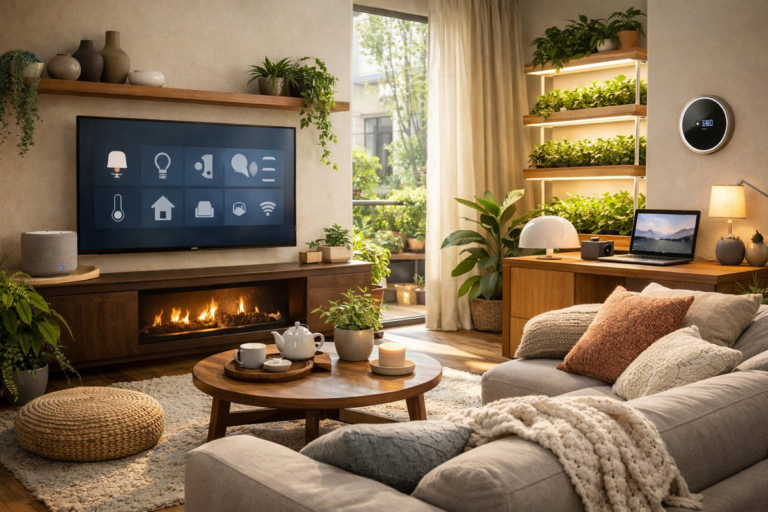
At the center of many of these innovations is the concept of a unified control hub-whether that’s a wall-mounted touchscreen panel, an app dashboard or a voice management system. Designers stress the importance of intuitive interfaces that consolidate disparate devices into a single source of truth. Haptic feedback, visual summaries of room conditions and customizable scenes let users glance at their environment’s health with minimal fuss. For large residences and coworking settings alike, centralized scheduling can synchronize lighting, fragrance, heating and media across multiple zones, ensuring that communal areas shift seamlessly from focus to relaxation modes throughout the day.
For those eager to adopt intentional living upgrades, the path diverges between professional installation and DIY experimentation. Certified installers can guarantee compatibility across protocols like Zigbee and Matter, perform load calculations for dedicated circuits and advise on ventilation requirements. Meanwhile, tech-savvy homeowners can pilot innovations one device at a time, hooking up a single air quality monitor or programmable plug before scaling up to a full suite. Online communities and maker workshops offer blueprints and code snippets for integrating open-source controllers, empowering individuals to customize systems without vendor lock-in.
As our homes increasingly listen and learn, privacy and data security loom as critical considerations. Manufacturers are responding with on-device processing capabilities, local data storage options and transparent policies about what sensor readings are shared with cloud servers. Privacy-conscious consumers are setting up segmented guest networks, deploying hardware firewalls and disabling unused cloud integrations. Security experts warn against default credentials and urge regular firmware updates to guard against vulnerabilities. In intentionally designed living spaces, the goal is to harness automation without surrendering personal data or control.
Despite the benefits, cost remains a barrier for many. Smart home installations can incur upfront expenses for hardware, wiring and professional services. To mitigate this, homeowners are leveraging energy-efficiency rebates from utility companies, financing options built into larger remodeling loans and phased deployment plans. Starting with a single zone-an office or bedroom-allows families to spread costs over time while reaping immediate gains in comfort and savings. As economies of scale drive component prices down and more third-party certification programs emerge, the premium for intentional living technologies is gradually shrinking.
As this wave of multisensory smart technology intersects with cozy, sustainable design, intentional living spaces are taking shape not as futuristic prototypes but as authentic, everyday environments. Whether through a tuneable LED floor lamp that syncs with your circadian clock, an air quality monitor that keeps pollutants in check or a programmable diffuser that signals break times with gentle mist, these innovations invite us to be conscious architects of our own comfort. As interest grows, expect modular ecosystems that blur the line between high-tech and heartfelt, proving that home is where both our minds and bodies can feel most at ease.