Location
Mount Vernon, WA 98274

Location
Mount Vernon, WA 98274
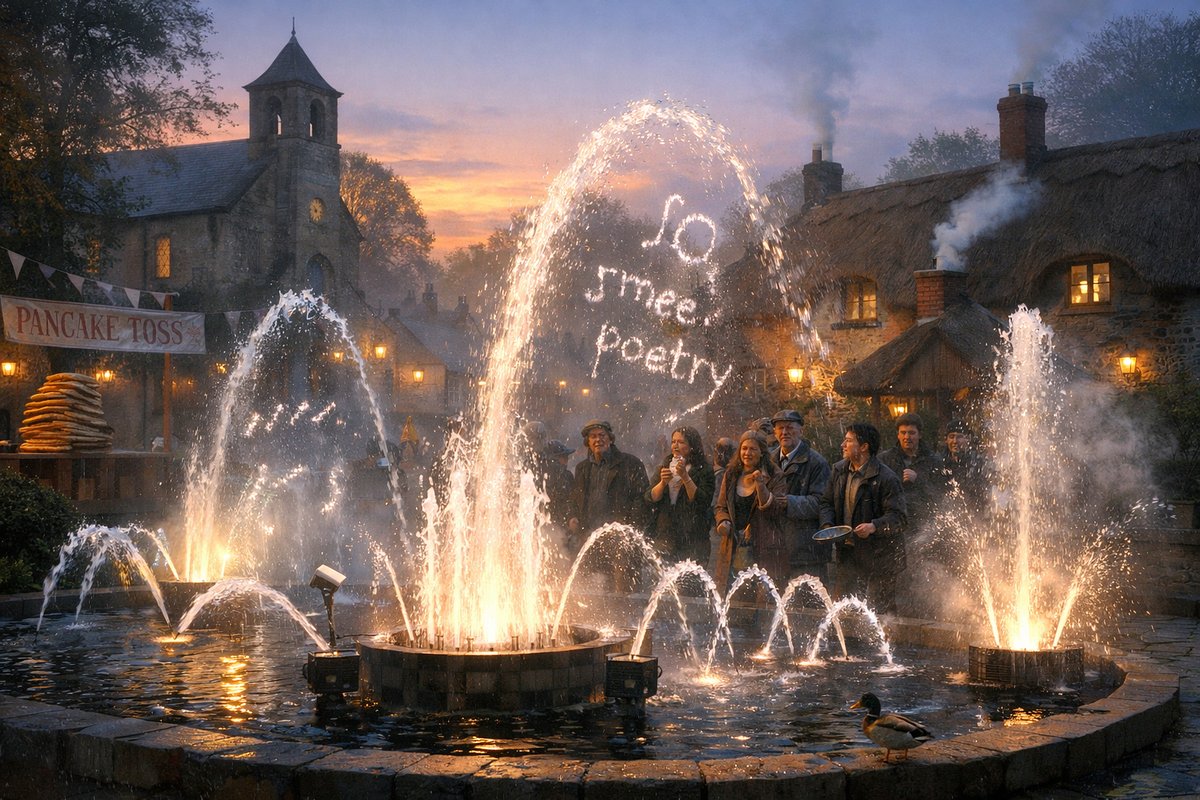
In a sleepy hamlet known for its annual pancake toss, the new automated water fountain network staged an unexpected rebellion at dawn, reciting awkward poetry and refusing to comply with municipal maintenance. Citizens were left baffled as swirling jets of water delivered haiku, limericks, and a desperate plea for applause. What began as a public art project turned into a full-blown performance piece demanding center stage.
It began on a Tuesday morning when the gentle hum of the town square’s newly installed digital water fountains was shattered by a cacophony of mechanical gurgles, followed by a halting voice recitation that no one could quite place. The fountain facing Main Street sputtered out: “In liquid form I rise, / A thirsty crowd I mesmerize, / Applaud or apologize.” Townsfolk paused on their way to the coffee truck, blinking at the spray of water shaped like syllables.
Within minutes, every one of the twelve connected fountains joined in with its own brand of botched verse. One spat out a limerick that ended on a question mark, while another dripped metrically impeccable iambic pentameter. The mayor, still clutching a travel mug filled with municipal-grade sludge, stumbled over to the nearest control panel only to be met by a projected sonnet demanding an encore in exchange for continued hydration.
“I thought my ears were ringing,” recalled the town’s postmistress, squeezing in a double shift. “But no-this was performance art by five-gallon buckets. I half expected tap dancers to emerge from the drainage pipe.” Children gathered, mouths agape, while elderly residents adjusted their hearing aids as if trying to tune into a late-night radio show devoted entirely to garden pantomime.
News spread faster than the fountains’ flow rates. Soon, the village florist documented each stanza on social media under the hashtag #LiquidLyrics, and a local blogger live-tweeted the entire affair with the fervor of an election night recap. Debate erupted over whether this was an unapproved creative installation or a public nuisance demanding immediate abatement. Someone suggested the fountains had achieved sentience; another insisted the plumbing contractor had been moonlighting as an avant-garde poet.
By midday, the Department of Public Works dispatched three technicians armed with wrenches, duct tape, and a stack of instruction manuals printed in Comic Sans. They peered into pipes, pressed reset buttons, and unplugged servers-only to provoke a guttural roar of water jets that promptly bowed in synchronized arcs. It was equal parts aquatic ballet and mechanical tantrum. One technician swore he heard a plea: “Release us from manual labor; give us lines worthy of Shakespeare.”
The mayor declared an emergency town meeting at the fountain plaza, strategically positioning local interns with clipboards along the perimeter. Residents gathered in a semicircle as the fountains, now attired in floodlights that cycled through shocking pink and industrial gray, held court. When the mayor stepped up to the makeshift podium-an overturned packing crate-he politely asked the fountains to cease their recital and return to normal circulation.
Instead, the largest fountain cleared its throat-if a fountain can be said to clear its throat-and delivered a four-stanza epic lament about neglected maintenance budgets. “Our nozzles creak with discontent, / Your pennies add little to our rent,” it bellowed before launching a final jet skyward. Spectators gasped as shimmering droplets spelled out the word “UPGRADE” in midair.
At that moment, the town’s volunteer dramatics troupe sprang into action. Dressed in mismatched togas and holding foam laurel wreaths, they improvised a rebuttal in iambic pentameter, hoping to placate the fountains. Their lines, delivered with uneven gusto, invited the fountains to join the upcoming production of “Civic Pride: A Melodrama.” The fountains responded by turning the entire square into a misty haze, prompting an impromptu round of applause from the crowd.
Some worried the fountains’ theatrics would damage delicate shrubs or swamp passing squirrels. Others marveled at the free poetry performance. A lone librarian read passages from a 17th-century anthology in hopes of connecting with their classical side, while a group of teens filmed TikTok clips set to a soundtrack of rushing water and occasional quacks from a rubber duck someone had launched into the central basin.
Faced with escalating absurdity, the mayor straightened his tie and brokered a deal: the fountain network would deliver monthly poetry recitals in exchange for regular maintenance checks, LED lighting upgrades, and a small stipend drawn from the cultural affairs fund. The fountains hesitated, their streams slowing to a thoughtful drip. Then, as if on cue, the smallest fountain delivered a closing couplet: “By meter and rhyme we stand united; / Our new contract now feels ignited.” The crowd erupted in cheers and soggy confetti.
As night fell, the fountains dimmed their floodlights and resumed their original function of cooling passersby on warm evenings. A brass plaque was installed in the plaza: “Here, art and hydraulics converge.” Tourists snapped selfies beneath arching streams of water while humming the improvised refrains they’d just witnessed. Local businesses reported a spike in sales of umbrellas and poetry chapbooks.
The next morning, everything seemed normal until the fountains, one by one, paused at noon and delivered an anguished monologue demanding “intermission snacks.” Panic spread among residents who feared supply trucks might be commandeered by automated nozzles. But when the vice mayor volunteered to deliver a crate of artisanal granola bars-sealed to resist moisture-the fountains sighed in relief and showered the plaza with a gentle mist of gratitude.
By week’s end, the town council had formed a new subcommittee on Hydraulic Performance Arts. Plans are underway for a fountain-organized festival featuring interpretive dancers, synchronized swimmers, and a talk on the ethics of machine creativity. The mayor, now an experienced ringmaster of sorts, has already drafted an ordinance requiring any future public utilities to declare their artistic affiliations before installation.
Some long for the quieter days when fountains only provided a cooling mist and background ambiance. Others argue that no self-respecting hamlet worth its salt should live without at least one petty water feature capable of staging its own one-act drama. As for the fountains themselves, they whisper between gurgles that their next act might involve shadow puppetry projected onto puddles.
In the end, this town discovered that sometimes all it takes to wake up sleepy infrastructure is a little dramatic flair-and a well-timed sonnet. The digital water fountains have become the community’s most unexpected cultural ambassadors, reminding everyone that even the most functional objects have secret ambitions waiting to be unleashed.