Location
Mount Vernon, WA 98274

Location
Mount Vernon, WA 98274
An immersive design festival transforms warehouses and public plazas into experimental art and tech hubs, blending augmented reality sculptures, reclaimed-material furniture, and sound-based architecture. Local and emerging creatives showcase interactive installations that invite the public to co-create and explore sustainable materials.
The former industrial district has come alive this month as designers, technologists, and makers unveil a new kind of urban playground. The Citywide Design Festival reimagines abandoned warehouses, parking lots, and green spaces as sites for interactive art and design. Augmented reality overlays public sculptures, sonic architecture pulses through open-air auditoriums, and pop-up workshops invite everyone to drop in, sketch, or 3D-print a keepsake.
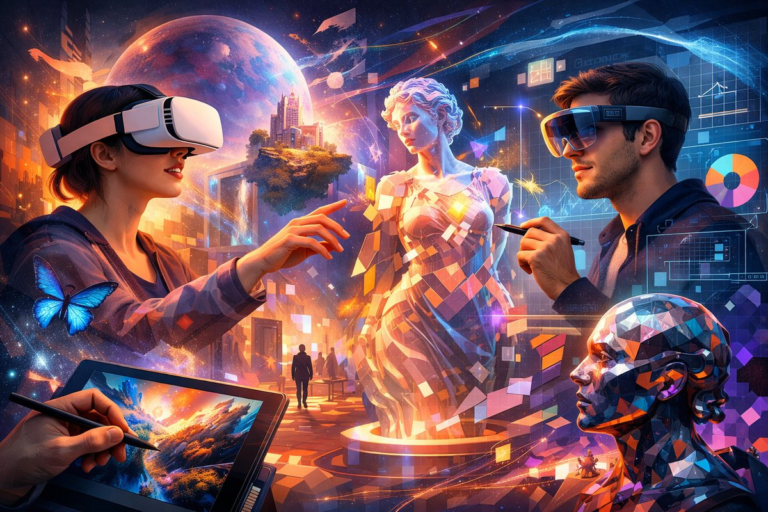
One highlight is a sprawling augmented reality installation set against exposed brick walls. Visitors download a custom app on their smartphones or tablets, then point their device at sculptural fragments of steel and reclaimed wood. Digital vines writhe around beams, virtual butterflies flit across facades, and dynamic light patterns follow each movement. This layering of virtual and physical form transforms an unassuming loading dock into a living canvas. Designers say the piece underscores how technology can bring hidden details of urban textures to life.
Inside a repurposed warehouse, a collective of furniture designers demonstrates how to build seating from reclaimed pallets, metal roofing scraps, and leftover upholstery. The workshop station is stocked with basic hand tools and a few electric drills, but the emphasis is on creativity: attendees swap ideas, test new joinery techniques, and learn how to reinforce wood joints without heavy hardware. The result is a lineup of modular benches, nested side tables, and geometric stools that can be reconfigured for outdoor dining or indoor lounges.
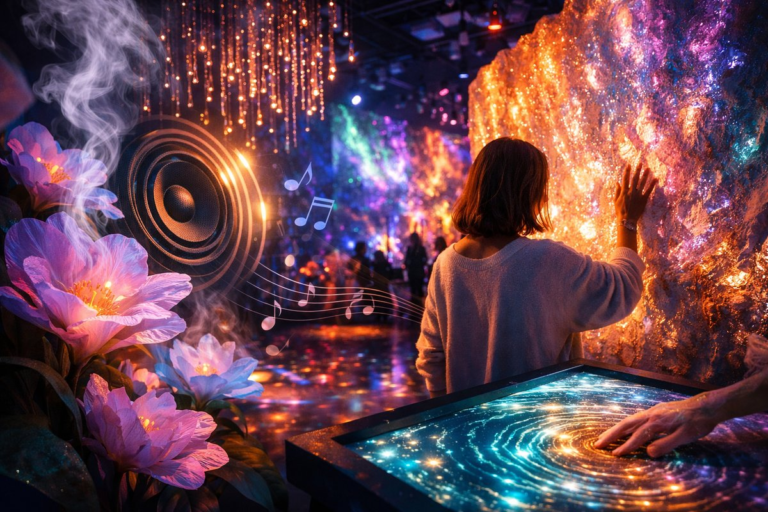
Meanwhile, a series of dome-like “sound cocoons” scatter across a former rail yard. Each dome is lined with acoustic panels and hidden speakers that respond to proximity sensors. As people approach, light percussion patterns emerge, then dissolve into ambient drones when they step back. Visitors discover they can create layered soundscapes simply by walking through corridors or standing still in designated zones. The project explores the concept of sonic architecture-where buildings and landscapes become instruments tuned to human presence.
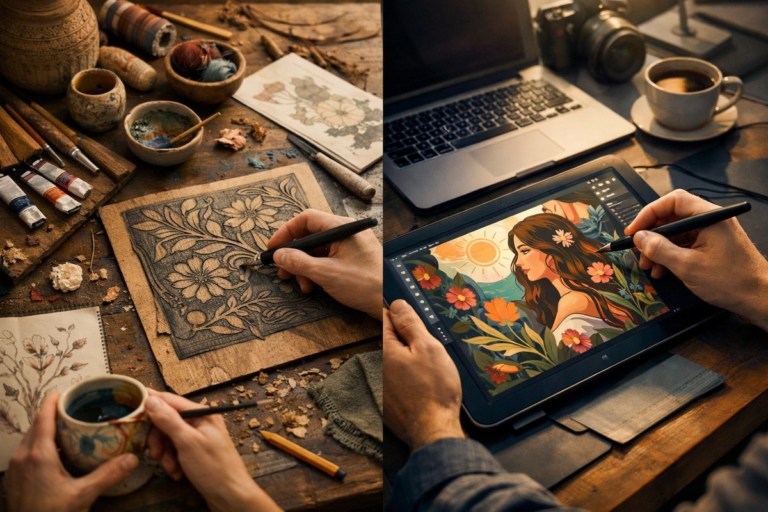
Complementing the installations are daily drop-in sessions led by architects, industrial designers, and creative coders. One workshop invites novices to sketch ideas on digital drawing tablets, then instantly convert lines into 3D models using a cloud-based rendering service. Another session demonstrates a handheld 3D printing pen that extrudes thermoplastic filaments, allowing participants to draw sculptural shapes in air. Whether you arrive with no prior experience or carry a background in design, each station offers hands-on learning and tools that spark experimentation.
The festival’s commitment to sustainability shows up in every corner. Garden beds planted atop shipping containers filter rainwater, while solar-powered lighting tracks the sun’s arc to charge an array of LED projectors at night. Bamboo scaffolding supports temporary pavilions, and composting stations turn coffee grounds and food scraps from nearby food trucks into regenerative soil. Organizers emphasize closed-loop thinking-every material introduced should either return to nature or be reused in future events.
Emerging designers find their moment in a curated showcase called “New Forms.” Here, a jewelry maker uses desktop resin printers to craft delicate, lattice-like rings that mimic coral structures. Nearby, a small company debuts a modular shelving system made from lightweight aluminum extrusions and 3D printed connectors. The intuitive assembly requires no screws-pieces slide together along grooves, locking in place with friction. Both makers say this approach lowers shipping costs, reduces packaging, and makes it easier for end users to customize configurations around limited living spaces.
Many installations emphasize multisensory experience. In an outdoor plaza, a collective uses mist machines to weave thin fog curtains through which laser projections dance. Visitors navigate through labyrinthine pathways, triggering bursts of colored light and soft, low-frequency hums that vibrate through the ground. Designers compare it to walking inside a living painting-every step reshapes sound and light, creating a fluid environment that responds to human curiosity.
Beyond the main venues, neighborhood studios open their doors for intimate talks on material innovation. A ceramics workshop demonstrates how to create glaze recipes from locally sourced clays and mineral waste. A textile studio experiments with natural dyes extracted from fallen leaves and discarded wine skins. The open-studio model encourages dialogue between artisans and passersby, breaking down the barriers between spectator and maker.
Community engagement is woven into the festival’s DNA. A collaboration with local schools offers guided tours for students, followed by a design challenge: teams must repurpose everyday objects into functional prototypes. Last week’s winners transformed old bicycle frames into mobile planters equipped with soil sensors and water-dispensing tubes. The project aims to spark interest in engineering, ecology, and art, showing how creative thinking can solve real-world problems.
A curator behind the festival describes the event as an evolving laboratory. “We didn’t want a static exhibition,” they explain. “Instead, we built a living network of ideas that shift as new participants arrive. It’s part gallery, part maker fair, part design incubator. The goal is to question what design can do when it operates at the intersection of technology, craft, and social innovation.”
On evenings when the warehouses close, projections onto adjacent building facades relay footage of daytime workshops and crowd-sourced sketches. Public seating carved from recycled concrete blocks encourages passersby to pause, scroll through app-generated imagery, or simply watch shadow puppets formed by passing traffic lights. This impulse to keep the conversation moving reflects the festival’s ethos: design should be a shared act, not a private showcase.
Practical details help visitors make the most of the experience. A free downloadable map and audio guide outlines each installation, suggests self-guided walking routes, and highlights times for live demonstrations. For those unable to attend in person, a companion VR experience streams key exhibits in 3D, accessible on standalone headsets. Organizers hope the hybrid model extends reach beyond city limits and invites remote audiences to engage with emerging design concepts.
As the festival enters its final week, feedback from attendees underscores its impact. Many cite the blend of high-tech and low-tech as eye-opening: they hadn’t imagined AR could feel so tactile or that reclaimed materials could carry as much visual intrigue as polished composites. Others note that the festival’s rough-hewn industrial settings allow for a raw creativity that gleams through every welded joint and pixelated vine.
Whether you’re a professional designer hunting inspiration or a curious passerby drawn by neon glow, the Citywide Design Festival offers a glimpse of tomorrow’s creative landscape. By emphasizing collaboration, sustainability, and play, it invites everyone to become a co-author in the evolving story of urban design.