Location
Mount Vernon, WA 98274

Location
Mount Vernon, WA 98274
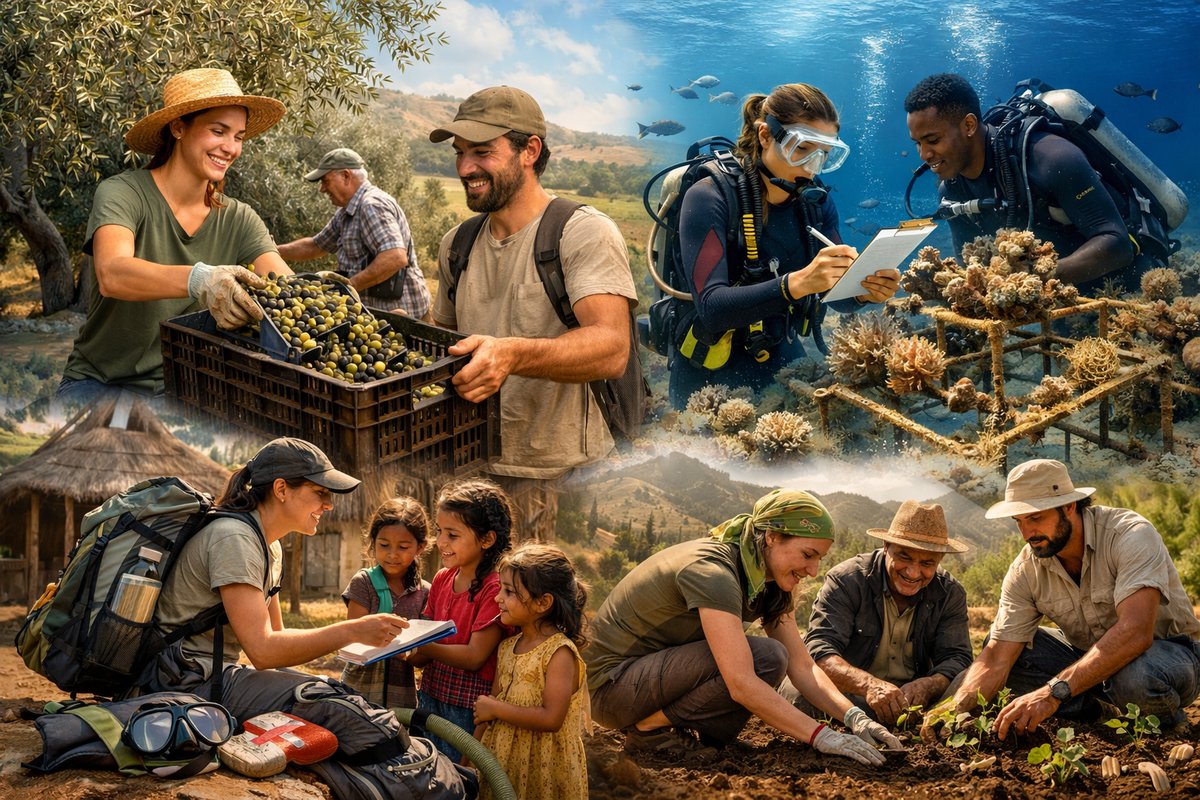
Modern explorers are blending travel with community service, participating in local projects from olive harvests to coral reef monitoring. Platforms and grassroots initiatives now streamline volunteer assignments, ensuring travelers arrive with the right gear and genuine local partnerships. This shift toward regenerative journeys emphasizes shared stewardship and sustainable impact over traditional sightseeing.
Travelers around the world are reshaping the way they explore by weaving community engagement and sustainable practices into every itinerary. A recent survey by Global Sustainable Travel Institute found that nearly half of holidaymakers now prioritize opportunities to contribute meaningfully to local projects, from coral reef monitoring to village trail restoration. This shift signals a departure from traditional sightseeing that treats destinations as backdrops. Instead, modern explorers seek immersive programs that deliver both adventure and impact. News outlets from Reykjavik to Buenos Aires have begun spotlighting grassroots initiatives connecting visitors with residents to co-create lasting benefits. These experiences promise more than memories; they foster genuine connections and shared stewardship between guests and hosts.
In rural Maine, one such program invites travelers to live on a working farm where seasonal workers harvest blueberries by day and gather for communal cooking sessions by night. Stays include hands-on tasks like organizing produce distribution for nearby towns and repairing walking trails battered by winter storms. Participants trade stories with local families during firefly-lit dinners and collaborate on seed-saving workshops. Farm managers report that volunteers leave with a deeper understanding of food systems and roadmaps for reducing waste at home. Meanwhile, residents gain extra hands during busy harvest weeks and a broader network of ambassadors eager to share the region’s heritage in their home communities.
Across the Atlantic, a small cooperative in southern Spain has attracted travelers to assist in the annual olive harvest. Guests learn traditional pressing methods that date back centuries, then help clear stone walls overlooking terraced groves. Proceeds from visitor contributions are reinvested in a community fund supporting local school art programs and chapel restorations. Photojournalists describe olive groves as living museums, where each knotted tree trunk and winding irrigation channel tells a story of resilience. For many, participating in the harvest becomes a window into rural survival strategies and a call to safeguard agricultural landscapes from the pressures of urban sprawl.
Digital platforms have emerged to streamline these community-rooted journeys. A new app connects travelers with nonprofit managers who post micro-volunteering assignments that range from data tagging air quality readings to teaching basic digital skills at community centers. Travelers simply scroll through curated opportunities, book a slot, and receive details about any necessary gear. Backpackers using the platform often pack compact solar-powered chargers to power headlamps for evening workshops. Others bring waterproof smartphone sleeve covers to protect devices during rainforest canopy surveys. This coordination ensures that volunteers arrive prepared, minimizing last-minute purchases and reducing single-use plastics that can disrupt delicate ecosystems.
Equipping yourself wisely can make or break a travel-with-purpose expedition. Many seasoned participants recommend a sustainable travel backpack built from recycled fabrics, complete with separate compartments to keep tools, personal items, and community gifts organized. Packing cubes help sort clothing by task or temperature zone, while a collapsible water bottle offers hands-free hydration on long field treks and folds flat for easy storage once empty. A quick-dry microfiber towel absorbs moisture swiftly after rain-prone trail days. Together, these items streamline logistics, leaving more mental bandwidth for meaningful interaction rather than gear-minding.
Beyond the right luggage, personal comfort can influence engagement in cross-cultural exchanges. Noise-canceling travel earbuds help maintain focus during urban homestays located near busy markets or train stations. A lightweight travel pillow can aid in co-working sessions where shared seating is often the norm. At guesthouses without reliable climate control, a compact rechargeable fan cooled by a solar panel can enhance alertness during afternoon community meetings. Travelers who iron out these small comfort challenges report more positive interactions and deeper empathy when sharing meals or strategy sessions with local leaders.
Experts note that community-based tourism has evolved from volunteering at off-the-grid retreats to co-designing projects in close partnership with residents. Dr. Mara Collins, a sustainable tourism researcher, explains that regenerative travel is a collaboration where visitors learn local problem-solving frameworks and apply them in future contexts. Collins says this model reduces the extractive tendencies of some volunteer programs by centering local voices at every planning stage. Independent investigations revealed that communities hosting travelers under this framework saw increased school attendance and improved trail maintenance. In turn, returning travelers integrate these lessons into their home communities by leading waste-reduction workshops or neighborhood wellness walks.
Transportation choices further define the impact of purpose-driven travel. A growing number of itineraries pair train or bus passages with local shuttle services to minimize carbon emissions linked to rental cars and domestic flights. In the Pacific Northwest, an eco-coach line offers scenic routes that double as storytelling journeys, with onboard guides narrating indigenous land histories and conservation efforts. When group sizes exceed a small-van threshold, coordinated bulk transport reduces overall mileage. Carbon offset calculators embedded in booking sites estimate the footprint of each segment, empowering travelers to support reforestation projects or renewable energy installations that counterbalance emissions.
Safety considerations also play a role when crossing borders for community immersion. Many programs require medical clearance for tasks involving heavy lifting or wildlife monitoring. Travelers often carry a basic first aid kit, UV-protection sunscreen, and an insect-repellent balm approved for sensitive ecosystems. A lightweight headlamp or hands-free lamp comes in handy during early-morning planting sessions or nocturnal insect counts. Multi-day hikes to remote conservation posts may demand rugged hiking socks and moisture-wicking layers designed for temperature fluctuations. When community projects occur near coastlines, waterproof dry bags help safeguard electronics and important documents during boat transfers.
In Southeast Asia, a new network of village host families is adapting homestay traditions to accommodate purpose-focused travelers. After a day of helping fish hatcheries nurture coral larvae, guests attend language exchange tables hosted by local elders. They learn indigenous words tied to the sea and songs that honor maritime heritage. Village cooperatives facilitate fair-trade markets where visitors can purchase handcrafted tools and artwork produced during community skill-sharing workshops. Hosts emphasize that proceeds go directly back into village savings groups, strengthening local capacity to finance future regeneration projects. This holistic approach turns each stay into a genuine partnership where economic, environmental, and cultural benefits flow in both directions.
As interest in travel-with-purpose surges, industry players are responding with more transparent impact metrics and flexible booking options. Travelers can now select rates that bundle accommodations with a guaranteed number of volunteer hours or project donations. Some platforms display real-time dashboards revealing how contributions translate into classroom materials, trail improvements, or local small business loans. By making these outcomes visible, organizers aim to build accountability and trust. For explorers seeking to avoid greenwashing or token efforts, these insights offer a clearer way to vet opportunities before departure.
The momentum behind regenerative journeys shows no sign of slowing. From replanting native trees in mountainous regions to curating oral history archives in aging towns, travelers are finding purpose on the move. Equipping trips with thoughtful gear ensures they arrive ready to learn, contribute, and connect deeply. As the lines between holiday and volunteer blur, each itinerary becomes a living classroom and laboratory. For those plotting a weekend escape or a far-flung expedition, these community-rooted experiences promise to turn personal exploration into shared progress, leaving footprints not just on trails but in the hearts of people they meet.