Location
Mount Vernon, WA 98274

Location
Mount Vernon, WA 98274
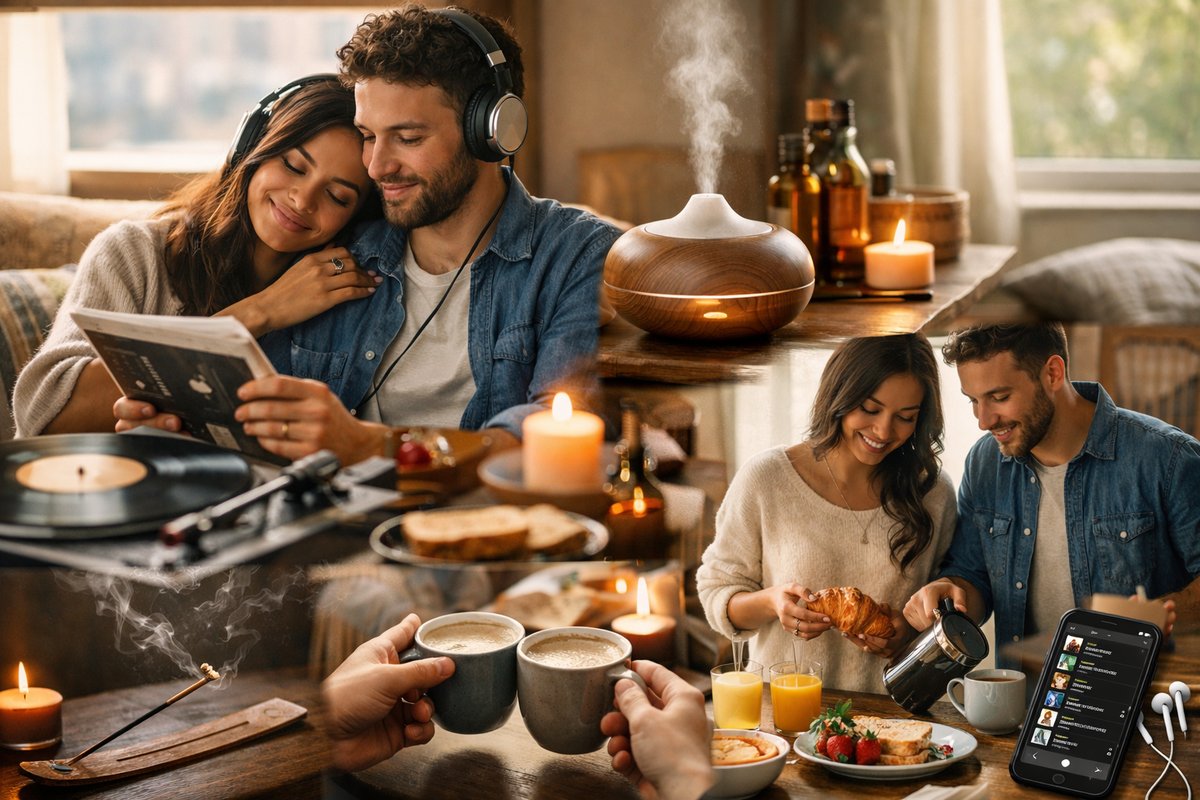
In an era of endless text messages and video calls, many partnerships are embracing hands-on sensory practices to sustain connection. From shared playlists to aroma-driven morning routines, modern couples are inventing rituals that speak to the heart as much as the mind.
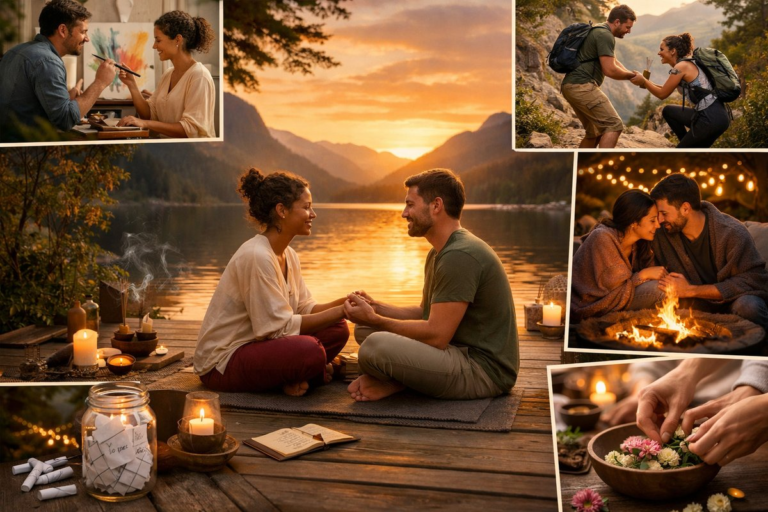
On a crisp Saturday morning just outside a lakeside cabin, Maya and Jordan begin their day with a simple ceremony: lighting a beeswax candle, steeping chamomile tea, and exchanging three gratitude reflections. No phones ring. No pings interrupt. For thirty minutes, they sit face to face, allowing fragrance, warmth, and soft conversation to carry them into the day. It’s not weekend-only indulgence-this mindful practice has become the bridge between work demands and emotional closeness.
Across cities and suburbs, couples are growing weary of the perfunctory daily check-in text. Research from the National Institutes of Health indicates that partners who engage regularly in planned, sensory-rich rituals report up to 30 percent higher satisfaction than those relying solely on digital contact. A glance at Google Trends reveals a 60 percent rise in searches for “couples meditation” and “relationship rituals” over the past two years. These shifts reflect a desire to move beyond ephemeral status updates toward embodied experiences that resonate long after a screen goes dark.
At the heart of these emerging routines is attention to the senses. Music has long been a shared language, but now playlists are co-curated as part of ritual. One pair began each evening by adding a song that captured their mood-whether a sunrise ballad or a sultry jazz number. By the end of the month, they had assembled a “relationship mixtape” that served as an audible timeline of joys, tensions, and reconciliations. That archive became a living document of growth.
Scent is another dimension gaining traction. Couples diffuse essential oils like lavender or bergamot in the bedroom after work to signal the shift from professional to personal time. In some homes, partners take turns creating a signature blend-relaxing and cinnamon for her, uplifting citrus for him-sharing the mixing process as part of a weekly scent workshop at home. Blending bottles becomes shorthand for collaboration, while inhaling familiar aromas triggers calm and connection.
Words matter too. Beyond the daily “How was your day?” a growing number of pairs keep a shared journal by the bedside. Each entry may include a prompt-“Name one way you felt seen today” or “Describe a small moment you wish you’d held onto.” Flipping through its pages, couples find patterns of care and curiosity, and solutions to conflicts they once thought unbridgeable. According to a 2022 survey by the American Psychological Association, journaling alongside a partner can reduce misunderstandings by encouraging empathy and slowing down reactive responses.
Guided question decks have entered the mix as well. These cards, decked in colorful illustrations or minimalist designs, pose conversation starters from playful (“If our relationship were a movie, what genre would it be?”) to profound (“Where do you feel most vulnerable, and how can I hold space for you?”). Drawing a card before dinner, or during a walk, invites spontaneous honesty. For couples who struggle to break routine, question decks act as catalysts for revelations they may not have discovered otherwise.
Meditation and breathing exercises-once the domain of solo practitioners-are now practiced side by side. A recent streaming-based mindfulness program introduced a “sit-together” series aimed at partners. Participants report that synchronizing breath patterns cultivates a shared calm, laying a foundation for tackling stressful conversations. Some use ultrasound-style guided audio that weaves each person’s voice into the experience, adding intimacy to visualization exercises.
Cooking together remains a time-honored ritual, but today’s couples remix it for novelty. From fermentation projects-crafting kimchi or homemade kombucha-to seasonal menu challenges, meal preparation doubles as teamwork practice. A weekly theme, such as Mediterranean night or garden-to-table brunch, becomes an opportunity to plan, shop, and create in sync. When a foodie duo tackles a complex recipe, problem-solving in real time also enhances communication skills that translate to other areas of partnership.
Wellness retreats designed for pairs have flourished too. Digital-detox weekends in remote cabins or cabins equipped with only analog board games and print novels draw city dwellers eager to unplug. According to a travel industry report, bookings for technology-free stays have jumped by 35 percent in the past year. Beyond nature immersion, these retreats often include guided ritual workshops-sound-bath ceremonies, partner yoga flows, or cacao-ceremony tastings-that blend ancestral practices with contemporary relationship science.
Still, therapists caution that no single ritual fits every couple. Licensed counselors emphasize the value of co-designing practices that resonate with both personalities. A tech-savvy pair might schedule a weekly shared playlist review, while another might commit to a monthly handwritten letter swap. Digital tools-calendar reminders, habit-tracking apps-can support consistency, but must not eclipse the face-to-face presence rituals aim to foster.
Maintaining spontaneity within structure can feel like a paradox. To avoid turning rituals into rote chores, many couples build in “wild-card” elements: a surprise ingredient challenge during cooking, a random dance-style selector for living-room boogies, or a mystery location for weekend explorations. By introducing unpredictability, partners keep curiosity alive while still anchoring their bond in shared frameworks.
Cultural diversity infuses ritual innovation. Some couples revive age-old wedding traditions from their families-morning blessings with tea or afternoon tea cakes-while others adopt entirely new customs encountered in travel or community events. A duo returning from a Scandinavian glamping trip now begins every Sunday with “hygge hour,” complete with plush blankets and heart-shaped waffles. These borrowed practices broaden their shared heritage and create a sense of belonging beyond the two of them.
Behind the scenes, the emotional benefits are striking. NIH data shows that couples who ritualize connection experience lower stress hormone levels and report feeling more attuned to each other’s moods. Feeling seen and supported becomes a daily habit rather than an aspirational goal. As one participant in a recent couples study put it, “I don’t just tell my partner I care-I show up for the ritual that shows I care.”
Challenges inevitably arise. Busy schedules, conflicting work hours, or child-rearing responsibilities can make time-intensive rituals feel impossible. To counter this, experts recommend micro-rituals-two-minute check-ins over coffee, a single shared stretch in bed, a brief gratitude text during a morning commute. These pocket practices maintain momentum until larger rituals feel feasible again.
Looking ahead, technology itself may blend with ritual in surprising ways. Virtual-reality meditation rooms, binaural audio experiences for two ears, or biometric feedback devices could usher in new sensory layers. But for now, many couples find that turning off notifications, lighting a candle, or passing a simple journal remains the most powerful way to say, “I’m here, fully present, with you.”
As more partnerships seek depth over digital dust, the true innovation lies not in high-tech solutions but in rediscovering the timeless magic of shared moments. Whether through scent, sound, or silence, couples around the world are writing new storylines-one ritual at a time.