Location
Mount Vernon, WA 98274

Location
Mount Vernon, WA 98274
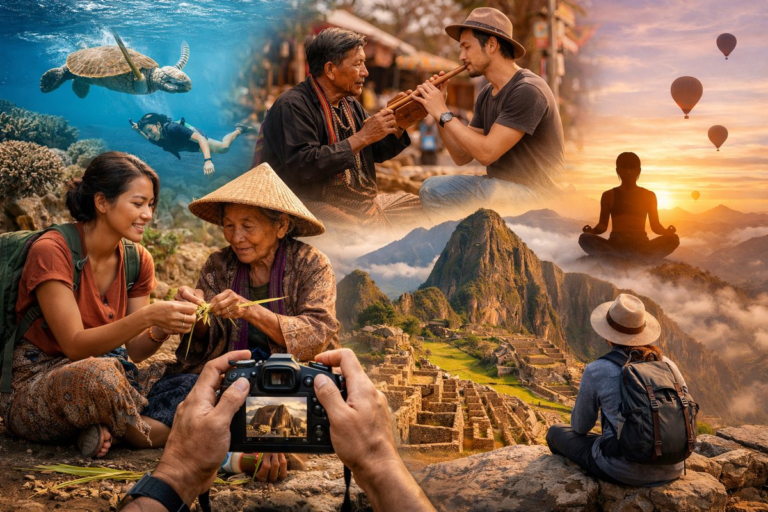
A rising wave of explorers is trading landmark check-ins for community projects and conservation efforts. From coral reef monitoring in Southeast Asia to reforestation drives in the Andes, purpose-driven travel is reshaping how people experience the world while leaving a positive legacy.
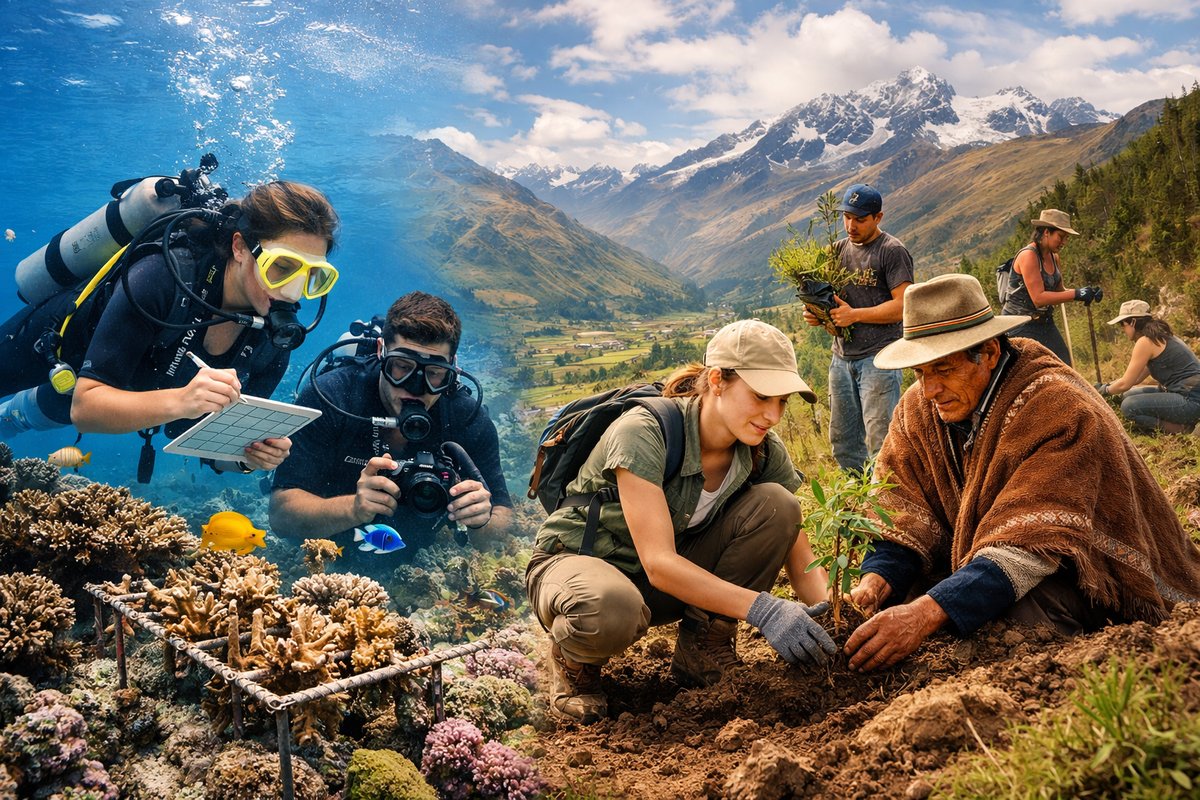
When Maya boarding a small boat off the coast of Sulawesi last spring, she wasn’t just another tourist snapping selfies by a coral reef. Armed with gloves, a waterproof notebook and a lightweight water purification straw, she joined a citizen-science team cataloging coral bleaching and planting heat-resilient fragments. It’s a scene that exemplifies a growing trend in travel: leaving behind the cookie-cutter sightseeing itinerary in favor of hands-on experiences that benefit local communities and fragile ecosystems.
Data from the United Nations World Tourism Organization show that trips explicitly marketed as sustainable or community-oriented have surged by nearly 45 percent over the past two years. Industry analysts attribute the spike to shifting traveler values and a desire to mix personal growth with tangible impact. Instead of ticking off bucket-list beaches or monuments, many modern adventurers are asking themselves: “How can my journey matter to the places I visit?”
Journalist and travel researcher Dana Hicks recently surveyed over 2,000 adults who took international trips in the last 12 months. More than two-thirds said they deliberately selected tours or accommodations that promised cultural exchange, environmental stewardship or economic support for remote populations. “People want more than Instagram worth of memories,” Hicks notes. “They want to feel they made a difference-even if it’s planting a single tree or teaching basic literacy to local youth.”
In Peru’s Cordillera Blanca, small groups of hikers strap on lightweight tents, insulated sleeping bags and packable rain jackets before heading to high-altitude valleys. Their mission: to plant native trees along eroded ridges that once held vital cloud forests. Organized by a grassroots collective, each volunteer shifts peat-rich soil by hand, restoring water-catchment areas that supply nearby villages. “We’ve seen spring water sources return within months,” says local organizer Julio Vega. “For every native alder or eucalyptus planted, another family gains clean drinking water.”
Meanwhile, off the shores of Indonesia and the Philippines, marine conservation tours have become a must-do for eco-minded travelers. Volunteers train for a day in rules of species identification, community engagement and safety guidelines. Under the guidance of regional marine biologists, they snorkel or dive to record fish counts, measure pH levels and remove discarded nets. Such data feed global databases that inform coral rescue strategies and hotspot designation. Tour operators report that up to 80 percent of participants book the next available trip almost immediately-an indicator that purpose-driven itineraries resonate deeply.
The influence of digital tools can’t be overstated. Mobile apps now map local volunteering opportunities, translate community requests in real time and track individual carbon footprints. A platform launched late last year allows travelers to offset flight emissions by sponsoring reforestation projects they can visit in person. Other apps highlight neighborhood-run homestays and artisan workshops, steering tourism dollars directly into regional economies instead of large hotel chains. “Technology is catalyzing a direct connection between traveler intent and local need,” explains tech-for-travel strategist Anil Prakash. “It ensures the right skills and resources match the right projects in distant locales.”
This trend isn’t confined to remote archipelagos or Andean peaks. Urban travelers in Europe are enrolling in community cooking classes that double as food-waste reduction workshops. In Morocco, guests at eco-lodges invest time learning solar-oven maintenance and thermal cooking techniques before touring nearby villages. In East Africa, safari operators partner with wildlife veterinarians to let guests observe-and sometimes assist with-anti-poaching patrol prep and wildlife health assessments. In each case, travelers report a deeper sense of connection to place and purpose.
Yet these purposeful journeys bring practical challenges. Remote conservation sites demand gear that’s often heavier than a standard suitcase allowance yet lighter than traditional expedition equipment. Volunteers working on sandy coastlines need dust- and water-resistant notebooks alongside pocket-sized first aid kits. On-the-ground coordinators stress the importance of reliable power banks or solar-powered chargers to run headlamps, GPS devices and translation apps between village power grids. Reusable dry bags, collapsible water bottles, multi-purpose travel towels and biodegradable toiletries are also high on every packing list.
Beyond gear, travelers must navigate ethical considerations. One veteran volunteer warns against short-term stints that leave unfinished tasks or disrupt local labor markets. “You can’t parachute in for two days and undo a community’s trust,” she says. Long-term partnerships between local NGOs and tour operators help ensure that each visiting group complements ongoing efforts rather than creating dependency. Travelers increasingly vet programs through independent accreditation bodies or peer-reviewed platforms, seeking transparency on how funds and volunteer hours are applied.
Despite logistical hurdles, the personal rewards can be transformative. Post-trip surveys reveal that volunteers report higher levels of empathy, cross-cultural understanding and resilience compared to those on leisure-only vacations. Many extend their involvement, sponsoring scholarships for local students or returning during off-peak seasons to help with planting cycles and data collection.
Industry insiders believe this shift toward meaningful experiences will only accelerate. As climate concerns intensify and communities cope with dwindling resources, travel providers are expanding offerings beyond classic tours to immersive service projects, regenerative homestays and research-center residencies. New business models focus on revenue-sharing with local partners and sliding-scale fees to ensure access for travelers of varying budgets.
What started as niche voluntourism in the early 2000s has morphed into a diverse ecosystem of impact travel. For those planning an upcoming getaway, the message is clear: the destination you choose is only part of the story. The real journey begins when you engage with people, environments and causes that resonate with your values. Armed with the right gear and a clear sense of purpose, you might just return home with more than photos-you’ll carry first-hand memories of genuine connection and lasting change.
So before you book that next flight, ask yourself: how can this trip matter? Whether you’re cataloging coral health in Southeast Asia or rebuilding ancestral trails in remote mountains, purposeful travel offers a path to personal growth and collective impact-one deliberately chosen mile at a time.