Location
Mount Vernon, WA 98274

Location
Mount Vernon, WA 98274
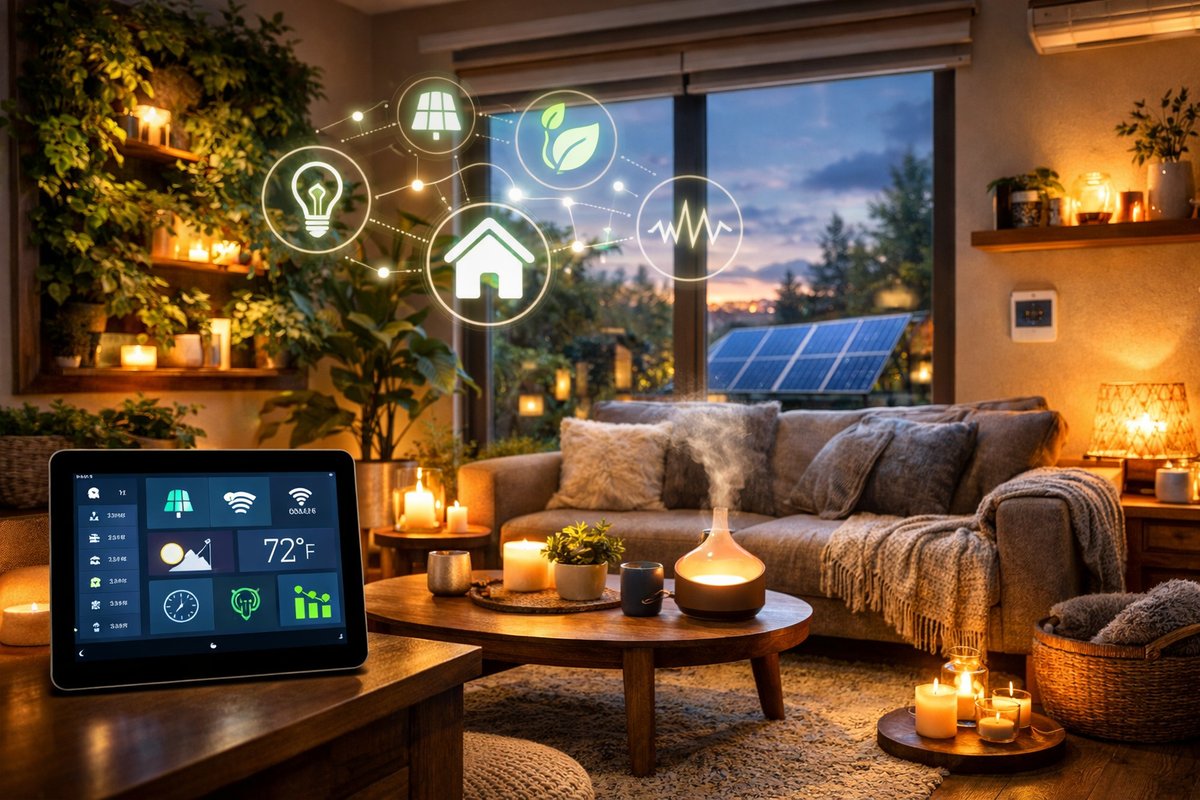
Homeowners are blending cutting-edge automation with tactile warmth, crafting spaces that respond to their lifestyle and mood. As interest in sustainable tech and sensory wellness rises, the latest innovations promise both smarter routines and cozier retreats.
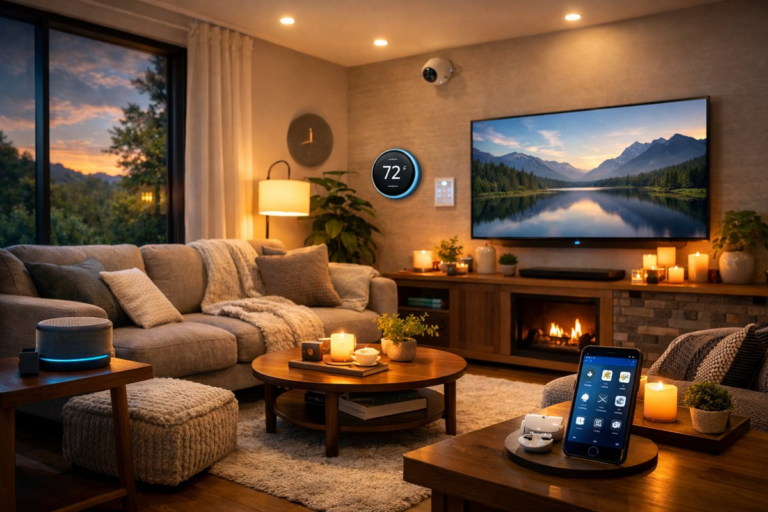
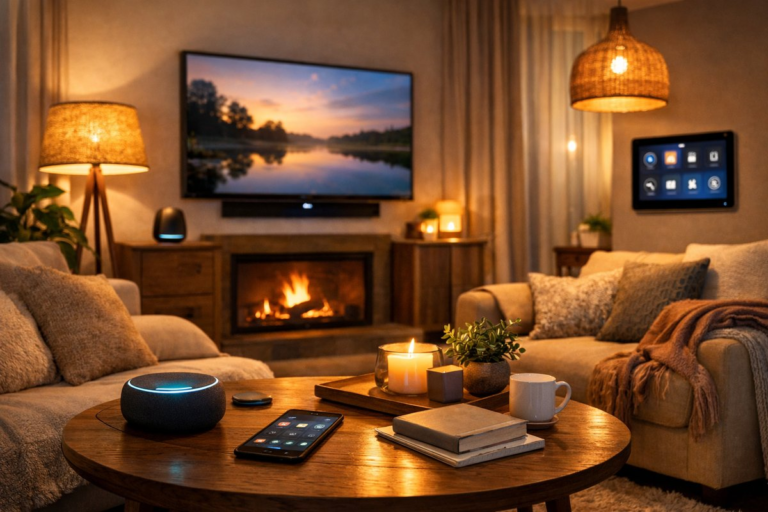
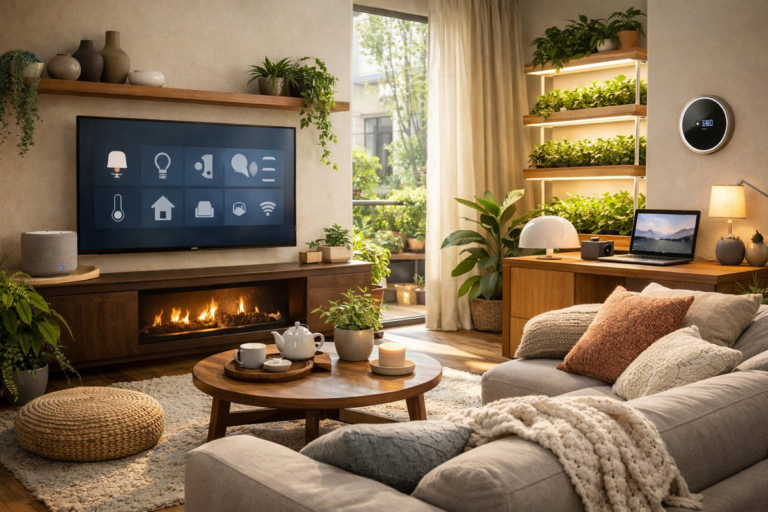
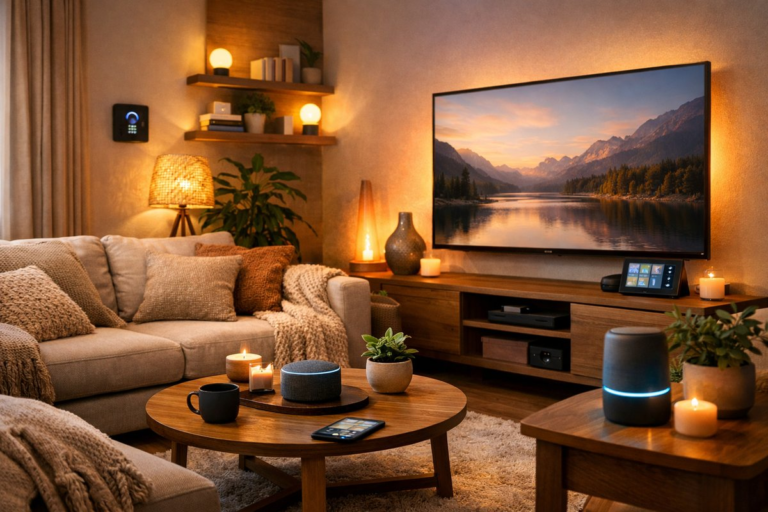
Home design is undergoing a seismic shift. Once polarized between minimalist automation and plush, analog comforts, the industry now converges on a unified vision: living environments that marry intelligent systems with human-centered coziness. This isn’t just about controlling lights from an app or draping a chunky knit blanket over a sofa-it’s a holistic approach where technology amplifies emotional well-being and ecological responsibility.
Recent data from a leading market research firm reveals that nearly half of homeowners plan to invest in smart home devices within the next two years, while three in five express a desire for more tactile, sensory-rich interiors. That dual impulse-toward both high-tech convenience and low-tech warmth-drives a new wave of product innovation and design thinking.
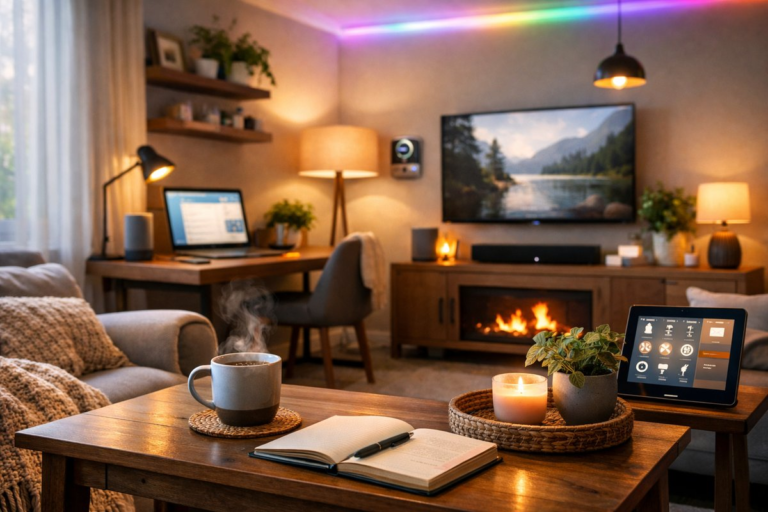
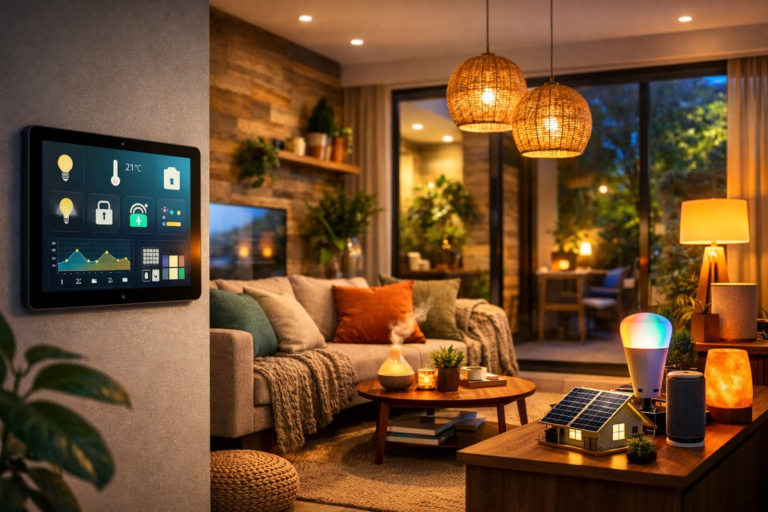
In urban lofts and suburban retreats alike, homeowners are reimagining living rooms as immersive hubs. Dimmable, tunable lighting systems now sync with daily rhythms and weather forecasts; during a gloomy afternoon, warm amber hues can lift spirits, while crisp, cool whites sharpen focus for remote work. Motion sensors and occupancy mapping fine-tune energy use, ensuring corridors stay dark when unoccupied. At the same time, natural materials-wool rugs, reclaimed wood accent tables, jute wall hangings-reintroduce a tactile grounding, preventing spaces from feeling too clinical or detached.
Beyond illumination, temperature control has gone from simple thermostat settings to dynamic comfort profiles. Learning thermostats analyze behavior patterns-rising gently to greet your morning routine, lowering overnight for deeper sleep, and conserving energy when the house is empty. Integrated air quality monitors flag spikes in allergens or volatile organic compounds, prompting automated ventilation or filtration. In one recent pilot project across three hundred residences, participants reported a 22 percent reduction in sneezing and congestion after enabling smart air-monitoring features.
Yet the most compelling innovations tap into our senses in more nuanced ways. Soundscapes crafted by discreet speaker panels can whisk you to a forest trail or seaside dawn, masking urban noise or neighborhood chatter. Subtle scent diffusers release essential-oil blends timed to different zones: a calming lavender in the bedroom, an invigorating citrus in the kitchen. Designers call this multi-sensory layering-an approach that evokes powerful memory cues and emotional shifts.
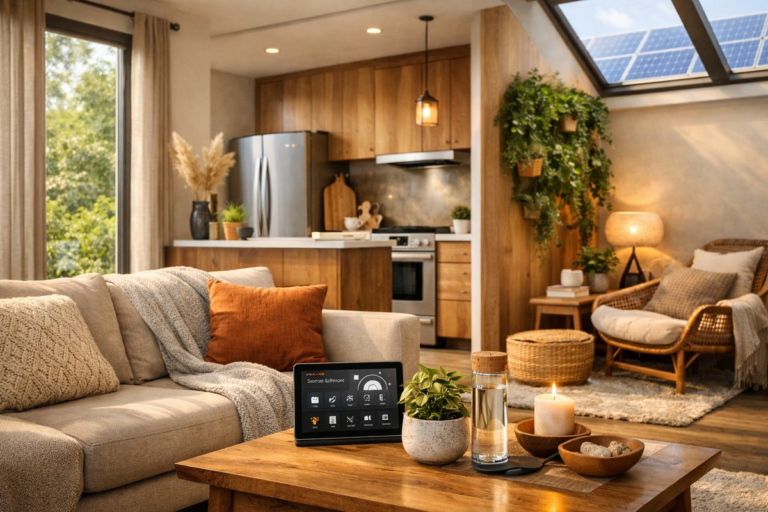
Sustainability is never far from the conversation. Many of today’s smart upgrades boast carbon-footprint trackers and utility cost dashboards, making eco-friendly living measurable and rewarding. Solar-powered sensors and low-power wireless protocols reduce the environmental footprint of always-on gadgets. Recycled and responsibly sourced fabrics pair with machine-washable smart textiles-think cozy throws infused with temperature-regulating fibers-to meet rigorous durability standards.
The workplace is also migrating into the home, and hybrid professionals demand spaces that adapt on the fly. Retractable room dividers, noise-canceling panels, and desk modules with hidden cable management transform open-plan living rooms into productivity zones by day and casual lounges by night. Digital whiteboards mounted on walls coordinate brainstorming sessions, while adjustable privacy screens ensure video calls remain glitch- and distraction-free.
Despite the tech saturation, industry veterans caution against over-automation. “When every function is voice-activated or sensor-driven, you risk losing intimacy,” notes an interior psychologist who advises hundreds of clients each year. She encourages clients to preserve analogue touchpoints-like a handcrafted journal on a bedside table, a gallery of family photos, or a small houseplant each household member cares for. These tactile anchors foster a sense of belonging that no algorithm can replicate.
Retailers and trade shows reflect the trend toward “intelligent warmth.” At a recent showcase, exhibitors paired sleek control panels with handwoven baskets, modular shelving with wool padding, and barcode-free checkouts with friendly staff. Consumers could sample soundproof fabric panels by drumming on them or experience a microclimate pod with embedded climate control and aromatherapy before making a purchase decision.
Architects and planners are likewise rethinking communal areas in multifamily developments. Shared lounges now offer ticketed “sound bath” evenings or guided meditation augmented by immersive lighting. Co-working rooms feature agile furniture powered by wireless charging pads and built-in privacy hoods. Nearby urban farms or rooftop gardens-fed by rooftop solar and rainwater capture-supply fresh greens for seasonal cooking classes in on-site communal kitchens.
This renaissance in home and community design stems from a collective realignment: living spaces are no longer static backdrops but fluid environments that inform mood, health, and connection. As one trend forecaster put it, “The next frontier is emotional architecture-spaces that understand and respond to who we are in real time.”
But widespread adoption hinges on accessibility and simplicity. Manufacturers emphasize plug-and-play installations with clear, privacy-focused data policies. Open-source platforms allow tinkerers to craft custom automations without surrendering personal information to distant servers. In tandem, nonprofits offer workshops in schools and community centers, teaching residents how to repurpose materials, install basic sensors, and program simple routines that conserve energy.
As homes become both smarter and softer, the most successful designs will be those that respect individual rhythms and ecological boundaries. A morning ritual might unfold with a curtain that opens at sunrise, a gentle wake-up playlist, a burst of citrus aroma, and the coffee maker kicking in-all orchestrated seamlessly. Later, temperate breezes in a suburban backyard could be simulated indoors by blending fresh-air intake with fan-driven airflow chilled by an on-demand air purifier. In urban high rises, balconies transformed into microforests might link to indoor humidity sensors, ensuring plants and inhabitants thrive.
Ultimately, this evolution is about intent. It’s not enough to add a new gadget; homeowners ask why this feature matters, how it enhances daily life, and what footprint it leaves behind. Intentional homes consider moments big and small-the commute transition zone where you drop your keys and shoes, the dinner nook where conversation happens, the altar-like corner for reading or reflection.
Rather than eyeing the latest buzz gadget in isolation, forward-thinking shoppers curate systems that speak to their personal values. They choose replaceable filters certified by third-party labs, opt for dimmable fixtures with long-life LEDs, and select furniture partners with take-back programs. Children learn alongside parents that sustainability and well-being aren’t afterthoughts but guiding principles in every home improvement.
The confluence of digital intelligence and human warmth signals a new chapter in residential life. Whether you’re automating your first light switch or remaking an entire floor plan, the key is balance: technology that delights without overwhelming, textures that comfort without clutter, and choices that nourish both people and planet. When those elements align, home truly becomes a responsive companion-an ecosystem of intention, comfort, and care.