Location
Mount Vernon, WA 98274

Location
Mount Vernon, WA 98274
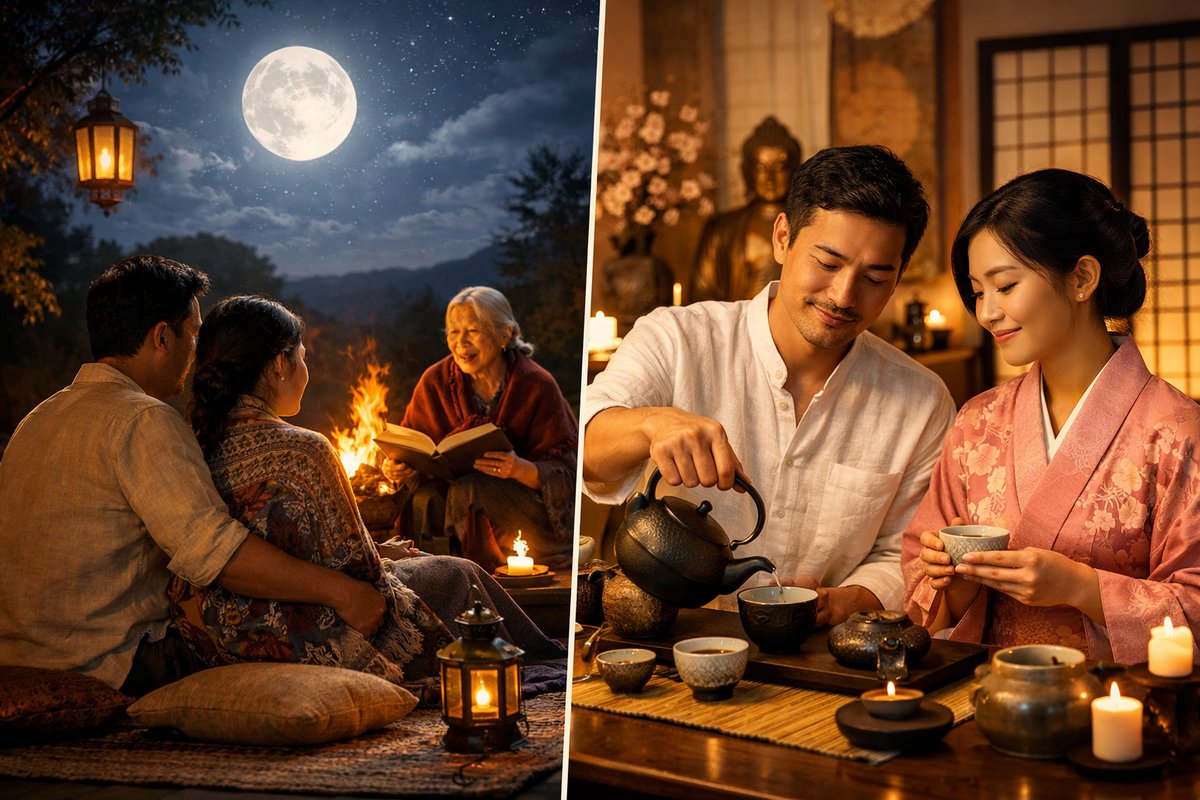
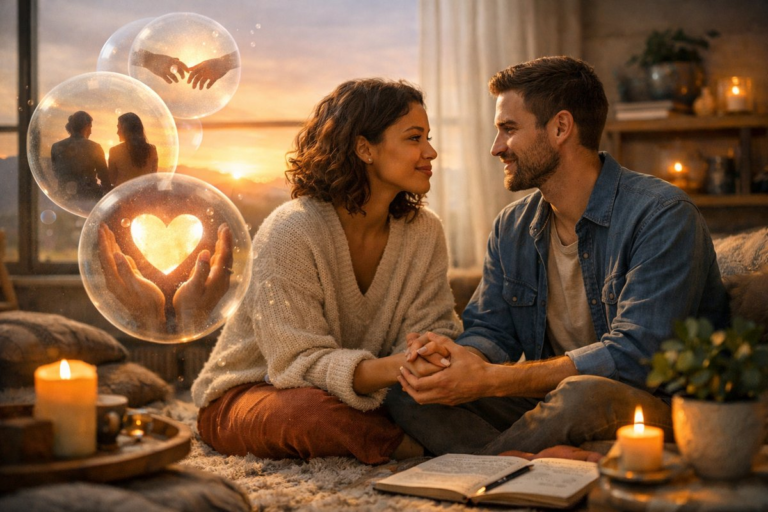
From moonlit storytelling nights to at-home tea ceremonies, more couples are turning to their cultural roots to build deeper connections. A recent survey finds nearly half of partners embracing ancestral rituals to enrich communication and shared identity.
In living rooms and backyards around the world, couples are dusting off age-old customs once relegated to family gatherings or distant homelands. Far from a nostalgic fad, these generational rituals have become a growing relationship trend: partners are rediscovering practices passed down through grandparents, community elders, or folklore to foster connection, empathy, and a renewed sense of unity.
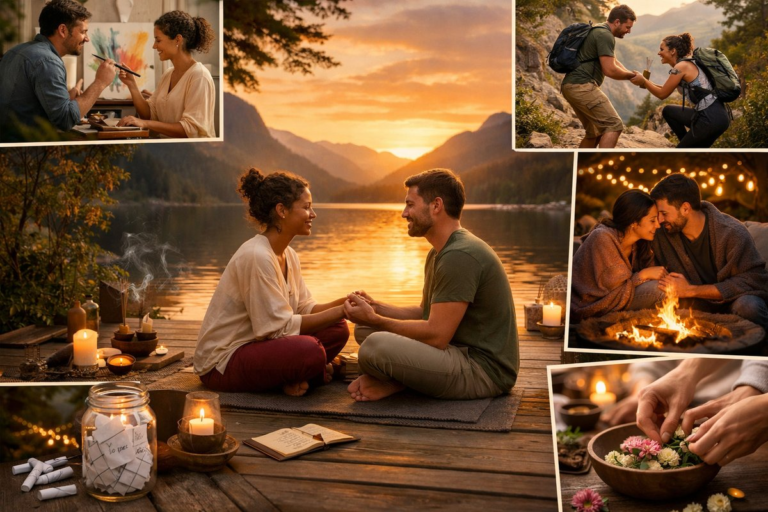
A 2023 survey published by the Marriage Foundation revealed that 47 percent of couples have adopted at least one ancestral ritual in the past year. Whether it’s observing lunar festivals, hosting weekly storytelling evenings, or crafting improvised tea ceremonies, partners report feeling more attuned to each other and to a shared sense of purpose.
Psychologists suggest that in an era of rapid digital distraction, rituals rooted in cultural heritage offer a stabilizing anchor. “Rituals carry emotional resonance,” explains licensed marriage therapist Dr. Isabel Monroe. “They signal to the brain that this activity is deliberate and meaningful. For couples, enacting a ceremony or custom together creates a dedicated space for presence, appreciation, and mutual understanding.”
Take the experience of one couple in Vancouver who reinterpreted a Japanese tea ceremony in their kitchen. After discovering her grandmother’s vintage matcha set, Angela proposed they learn the basic steps of a traditional chanoyu gathering. Twice a week, they don comfortable robes, prepare matcha powder with a bamboo whisk, and guide each other through mindful sipping. The simplicity of the process-whisk, inhale, sip, reflect-has sparked conversations about patience, respect, and the importance of slowing down.
Their neighbor, marriage counselor Sebastian Reyes, notes a marked improvement in emotional transparency. “When partners share a multi-step ritual, they shift out of reactive patterns. There’s an unspoken focus that reduces defensiveness. They learn not just to taste tea, but to really listen to each other.”
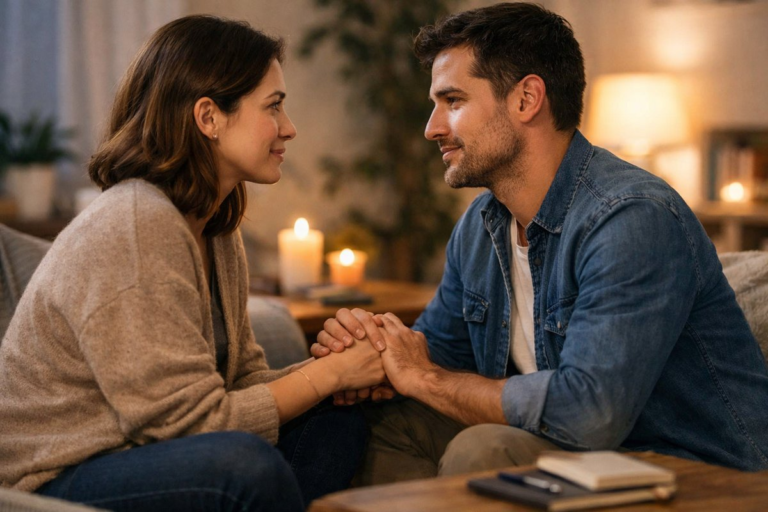
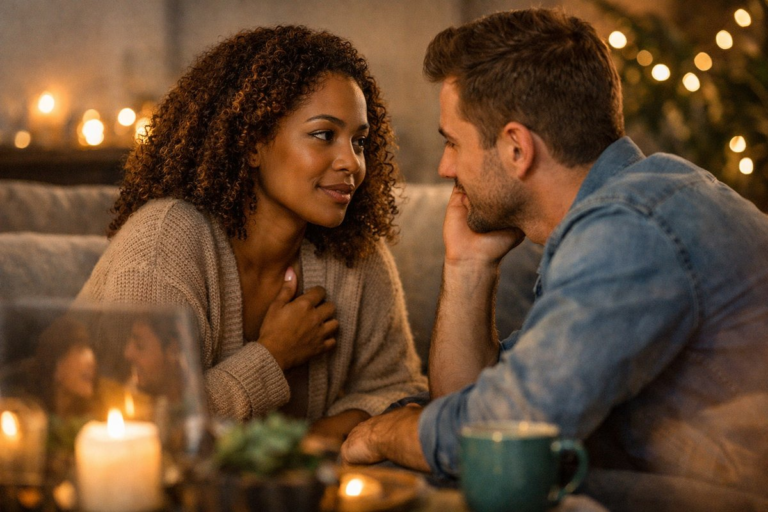
In Colorado Springs, another duo revived storytelling nights based on West African traditions. Drawing inspiration from Yoruba oral culture, they take turns recounting personal anecdotes-real or imagined-while lighting a single candle. Each story highlights family values, moral lessons, or ancestral myths. The ritual ends with both partners reflecting on what resonated most, fostering deeper empathy and opening pathways for vulnerable confession.
Cultural anthropologist Dr. Helena Ortiz from the University of Chicago points out that communal storytelling has long been a social glue. “When narratives are shared sequentially, listeners become active participants. This dynamic creates mutual investment in the story’s outcome. For couples, it nurtures the skills of attentive listening and co-creation of meaning.”
Further north in Stockholm, some partners are reviving Scandinavian solstice ceremonies. On midsummer’s Eve, they weave flower crowns, hang birch garlands on doorways, and share a simple meal of new potatoes, pickled herring, and strawberries. It’s a ritual of light, renewal, and gratitude-a stark contrast to late-night scrolling or passive streaming.
One participant, freelance designer Mikael Lindström, describes how the annual celebration sparked a new tradition: “We invite friends over, but maintain a phone-free rule until the bonfire dies down. The absence of screens makes it feel like stepping into another era. We talk, dance, and reflect on growth. It’s a gentle reminder that connectivity isn’t just pixels on a device.”
Beyond cultural homage, experts say ancestral rituals help couples construct a shared narrative that transcends individual backgrounds. By choosing customs meaningful to both partners, they craft a unique identity that feels richer than a blended playlist or a generic date-night routine.
If you’re curious to start your own ancestral ritual, psychologists recommend a few practical steps. Begin with research: tap into family stories, old photographs, regional cookbooks, or library archives. Seek customs that resonate emotionally-whether a harvest festival recipe, a spiritual blessing, or a craft passed down through generations.
Next, adapt the ritual to your context. You don’t need to replicate every detail perfectly. A midsummer feast can use local ingredients. A blessing ceremony might focus on your shared hopes rather than strict liturgy. The goal isn’t historical accuracy, but the act of doing something intentional together.
Finally, make it regular. Rituals gain power through repetition. Whether once a month or tied to lunar cycles, consistency builds anticipation and gives partners something to look forward to. Over time, the ritual becomes woven into the fabric of the relationship, offering both comfort and novelty.
Tools and materials can enhance the experience: a tea bowl etched with family motifs, a handcrafted storyteller’s dice set, or a wall-mounted moon-phase calendar. Yet the essence lies in the emotional investment partners bring. It’s less about perfection and more about co-creating memories that reflect both past and present.
As couples increasingly seek depth over distraction, these ancestral rituals offer a roadmap for mindful connection. They invite partners to slow down, listen closely, and honor the threads that tie them to their roots and to each other. In reviving old ways, modern love finds new life.