Location
Mount Vernon, WA 98274

Location
Mount Vernon, WA 98274

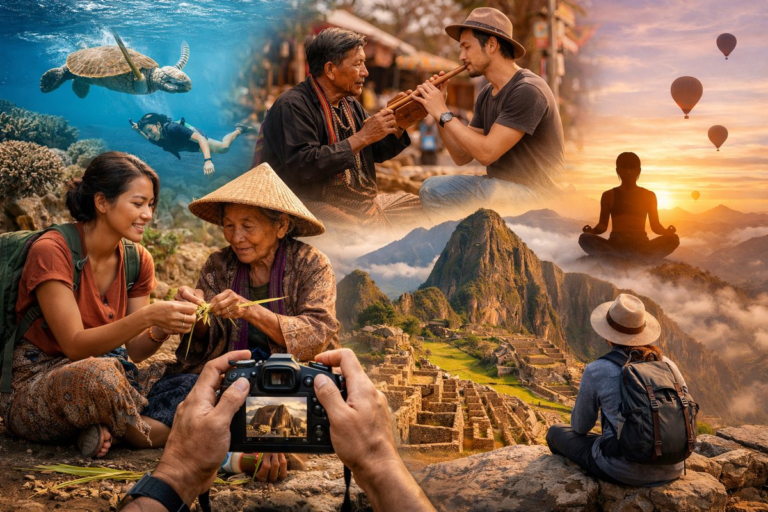
From reforesting coastal mangroves to supporting rural artisans, a growing cohort of explorers is weaving local impact into every itinerary. By blending hands-on projects with immersive cultural exchange, these purpose-driven journeys aim to deliver more than just memories-it's about transforming tourism into a catalyst for positive change.
Travelers are increasingly swapping traditional sightseeing for experiences that leave lasting benefits for local communities and ecosystems. According to a recent survey by a leading sustainable tourism nonprofit, nearly half of global travelers now seek trips that deliver social or environmental returns alongside leisure. This surge in purpose-driven travel is reshaping booking platforms, tour operators, and destination marketing efforts.
On a misty morning along a remote stretch of coastline, a group of volunteers donned rubber boots and grabbed shovels to plant mangrove saplings. The project, organized by a grassroots conservation collective, aims to restore critical buffer zones that protect against storm surges and provide nurseries for juvenile fish. Participants pay a modest fee that covers materials and supports local staff, transforming a standard beach escape into a hands-on ecological mission.
Elsewhere, in a terraced hillside village known for its coffee farms, travelers spend mornings cupping fresh brews alongside farmers. Afternoons bring weaving workshops led by artisan cooperatives, where guests learn traditional dyeing techniques and help package finished textiles for a global marketplace. These immersive homestays not only funnel revenue into community enterprises but also foster genuine interpersonal connections that transcend typical tourist interactions.
Digital tools are accelerating the shift toward impact-minded itineraries. A growing number of eco-friendly lodging platforms now highlight properties with low-carbon footprints, renewable energy installations, and zero-waste practices. Companion apps offer carbon calculators that estimate emissions for flights, ground transport, and accommodations, suggesting offsets or alternative routes. Meanwhile, specialized booking sites curate volunteer opportunities ranging from wildlife surveys to urban garden installations, complete with reviews from past participants.
Destination marketing boards have taken note, partnering with nonprofit organizations to certify programs that deliver quantifiable benefits. Volunteers in a reforestation initiative receive GPS coordinates of their plot, along with before-and-after satellite imagery. Contributors to a coral reef restoration effort can track the growth of transplanted coral fragments via remote sensors. These data-driven updates satisfy travelers’ desire for transparency and accountability while creating a narrative arc that participants can share with friends and family.
Yet the rise of purpose-driven travel comes with challenges. Some operators exaggerate the scale of impact, a practice critics label “green veneer.” Responsible travelers must sift through glossy marketing and investigate third-party certifications like those offered by recognized environmental standards bodies. Reading in-depth reviews, reaching out directly to local partners, and asking pointed questions about budgets and outcomes can help ensure genuine community benefit.
Safety and logistics also demand attention. Many remote volunteer sites require medical clearance, specialized travel insurance, and up-to-date vaccinations. Packing lists can include durable work gloves, knee pads for planting tasks, and a headlamp for evening workshops. Tour leaders often conduct risk assessments for group size, language support, and emergency evacuation plans, aiming to balance meaningful engagement with traveler well-being.
On the accommodation front, eco-lodges and glamping sites with solar arrays, rain-harvesting systems, and composting toilets have grown by double digits in the past two years. These properties often employ local staff trained in sustainable hospitality practices, reinvesting a percentage of daily rates into community education and healthcare programs. Guests wake to the sound of native birds, sample farm-to-table meals cooked over biomass stoves, and attend evening presentations on regional conservation challenges.
One company launched a pilot program where guests collaborate with marine biologists to tag endangered sea turtles. Participants assist in night beach patrols, recording observations and installing temperature loggers alongside returning hatchlings. At the end of the week, travelers receive a personalized research report showing how their contributions fit into broader population recovery projections. This merging of tourism, hands-on science, and storytelling exemplifies how purpose-led travel can nourish both curiosity and collective responsibility.
Technology extends beyond carbon calculators and data dashboards. Solar-powered chargers now pack enough battery capacity to power smartphones and cameras for several days in off-grid settings. Portable water filtration bottles let travelers sip from rivers and streams without the need for single-use plastic. Lightweight satellite communicators provide peace of mind for those venturing into the backcountry, while offline mapping apps help avoid costly roaming fees and protect user privacy.
Meanwhile, an emerging trend called “regenerative travel” seeks to go beyond minimizing harm by actively healing landscapes and strengthening social fabric. Projects include agroforestry initiatives that combine cocoa or coffee cultivation with native tree species, yielding fair-wage work and improved soil health. In desert regions, travelers help refurbish ancient irrigation channels, revitalizing agricultural terraces abandoned for decades. These initiatives partner with local universities and NGOs, ensuring that each season’s work builds on previous gains.
Financial flows are also under scrutiny. Microloan programs for women entrepreneurs are integrated into itineraries, enabling guests to meet with recipients, review business plans, and witness the real-time impact of small grants. Crowdfunding platforms tailored for travelers let them sponsor specific milestones-such as drilling new wells or distributing menstrual-care kits-while on the road. Seeing tangible outcomes fosters a sense of stewardship that extends far beyond the vacation itself.
Cultural preservation stands as a central pillar of many purpose-driven trips. In cities with rich culinary heritages, cooking classes often occur in home kitchens where families share generational recipes. Language immersion homestays pair guests with host families who teach daily phrases, local idioms, and oral histories. Traditional music workshops and village festivals offer glimpses into community rituals, deepening travelers’ understanding of regional identities.
For many participants, the emotional rewards are profound. Studies have linked volunteering abroad to increased empathy, reduced burnout, and heightened life satisfaction. Travelers report coming home with renewed purpose, fresh perspectives on global challenges, and new friendships that span continents. Social media channels brim with before-and-after snapshots, heartfelt testimonials, and stories of personal transformation.
Travel industry analysts predict that purpose-driven itineraries will continue to command a growing share of bookings. As climate warnings intensify and social inequities persist, more individuals see travel not only as an escape but as an opportunity to align actions with values. Corporate teams are leveraging these experiences for leadership development and team building, blending strategic brainstorming sessions with community service and regenerative design challenges.
Institutional travel buyers-universities, foundations, and mission-driven nonprofits-are also adopting structured impact travel programs. These initiatives often include comprehensive frameworks for measuring participant learning outcomes, community feedback, and environmental indicators. By treating each trip as a research project and a giving opportunity, organizations maximize the triple bottom line of people, planet, and prosperity.
As purpose-driven travel gains momentum, discerning travelers should consider a few best practices: research third-party certifications, seek transparent impact reporting, and prioritize local leadership in project design. Equipping oneself with appropriate gear-from reliable footwear and work gloves to solar chargers and water filters-ensures that the focus remains on meaningful engagement rather than logistical hassles.
Ultimately, this new wave of travelers is proving that tourism can be more than leisure. It can serve as a force for ecological restoration, cultural preservation, and community empowerment. Whether planting trees in mangrove forests or learning ancestral crafts, purpose-driven journeys invite us to move beyond the postcard and become active participants in the stories of the places we visit. As more travelers embrace this model, vacations may evolve into an enduring legacy of positive change rather than a fleeting collection of snapshots and souvenirs.
Every trip carries the potential to rewrite the narrative of travel-from passive sightseeing to co-creative exploration. By embedding local impact into every itinerary, purpose-driven travelers are sculpting a future where vacations reflect deeper values, stewardship, and a shared sense of global citizenship.